

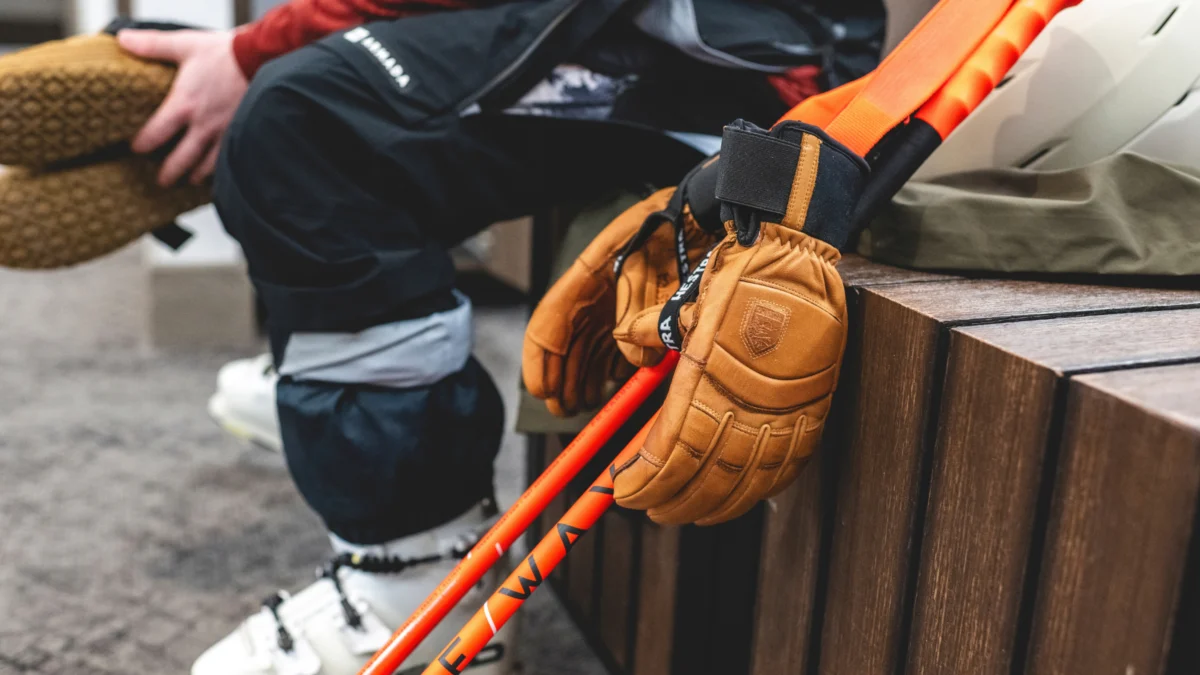
The 2026 rankings highlight a clear trend: the convergence of industrial-grade durability with refined athletic dexterity. Leading the pack as the "Best Ski Gloves Overall" is the Rab Guide GTX Gauntlet, a product that testers praised for its balance of Gore-Tex weatherproofing and goat leather resilience. Meanwhile, for those prioritizing thermal retention above all else, the LEKI Griffin Pro Zero has been designated as the "Warmest Glove" of the season. These selections represent the pinnacle of a testing process designed to identify gear that can withstand the rigors of professional-level use while remaining accessible to the recreational enthusiast.
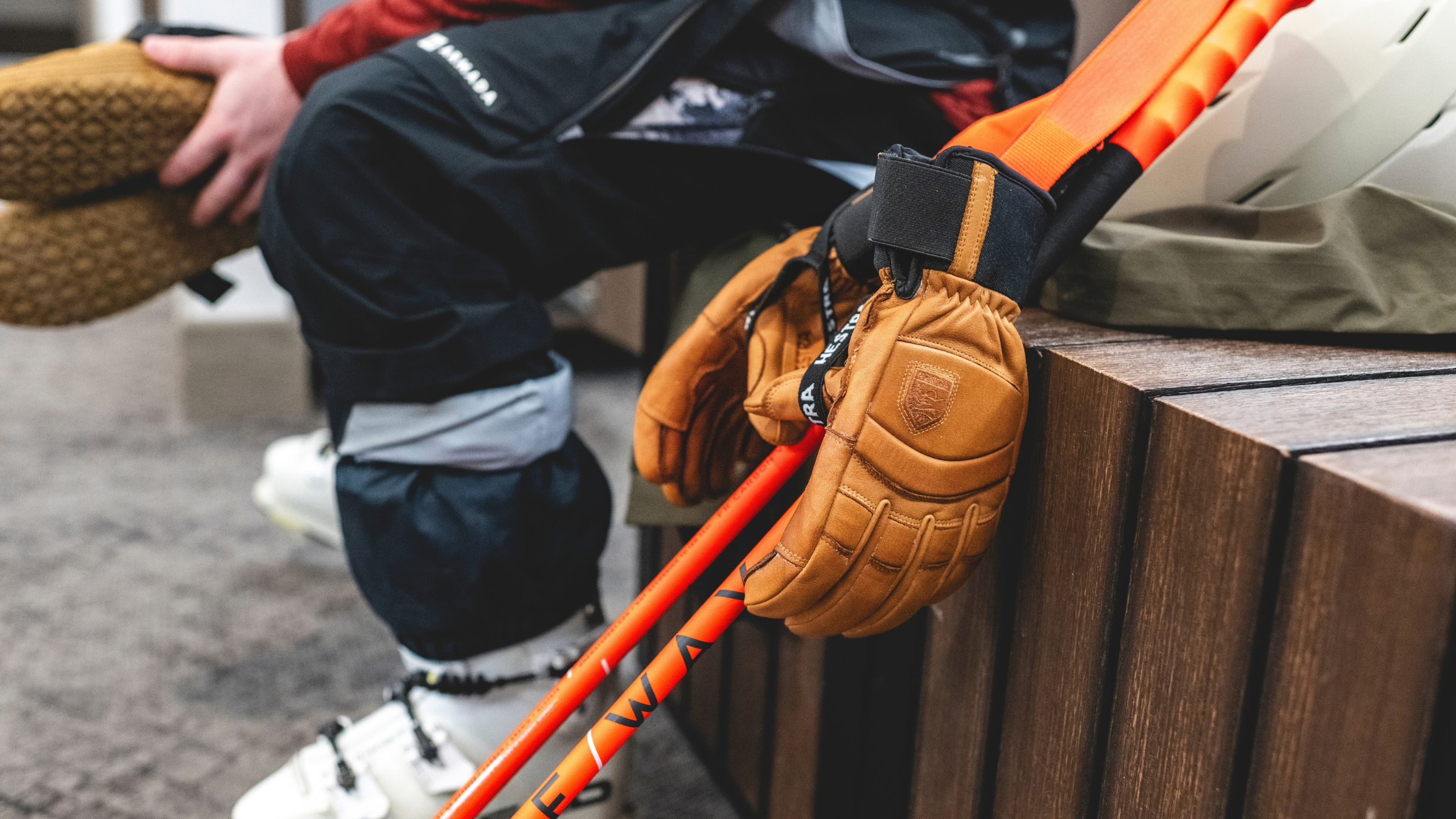
The 2026 Testing Chronology and Methodology
The evaluation process for the 2026 guide began in late November 2025, coinciding with the first major North American storm cycles. A dozen professional skiers and riders, including former collegiate racers and backcountry guides, were tasked with "sacrificing their fingers" across a diverse geographic footprint. The testing circuit included the high-humidity cold of Sunday River and Mad River Glen in the East, the high-altitude dryness of Arapahoe Basin and Alta, and the volatile maritime conditions of the Sierra Nevada and the Pacific Northwest.
Each pair of gloves was evaluated on five primary metrics: thermal regulation, moisture management (waterproofing and breathability), dexterity, durability, and feature integration (such as touchscreen compatibility and cuff design). To ensure consistency, testers rotated gear every three days, documenting performance in varied temperatures and activity levels, from high-intensity bootpacking to stationary lift rides in wind-chill conditions. This rigorous schedule allowed the team to observe how materials like Primaloft Gold and various GORE-TEX membranes performed after repeated wetting and drying cycles—a common failure point for lower-quality handwear.
Analytical Overview of Top Performers
The 2026 market reflects a sophisticated understanding of skier physiology. Manufacturers are increasingly moving away from "one-size-fits-all" insulation strategies in favor of mapped thermal zones and specialized membranes.
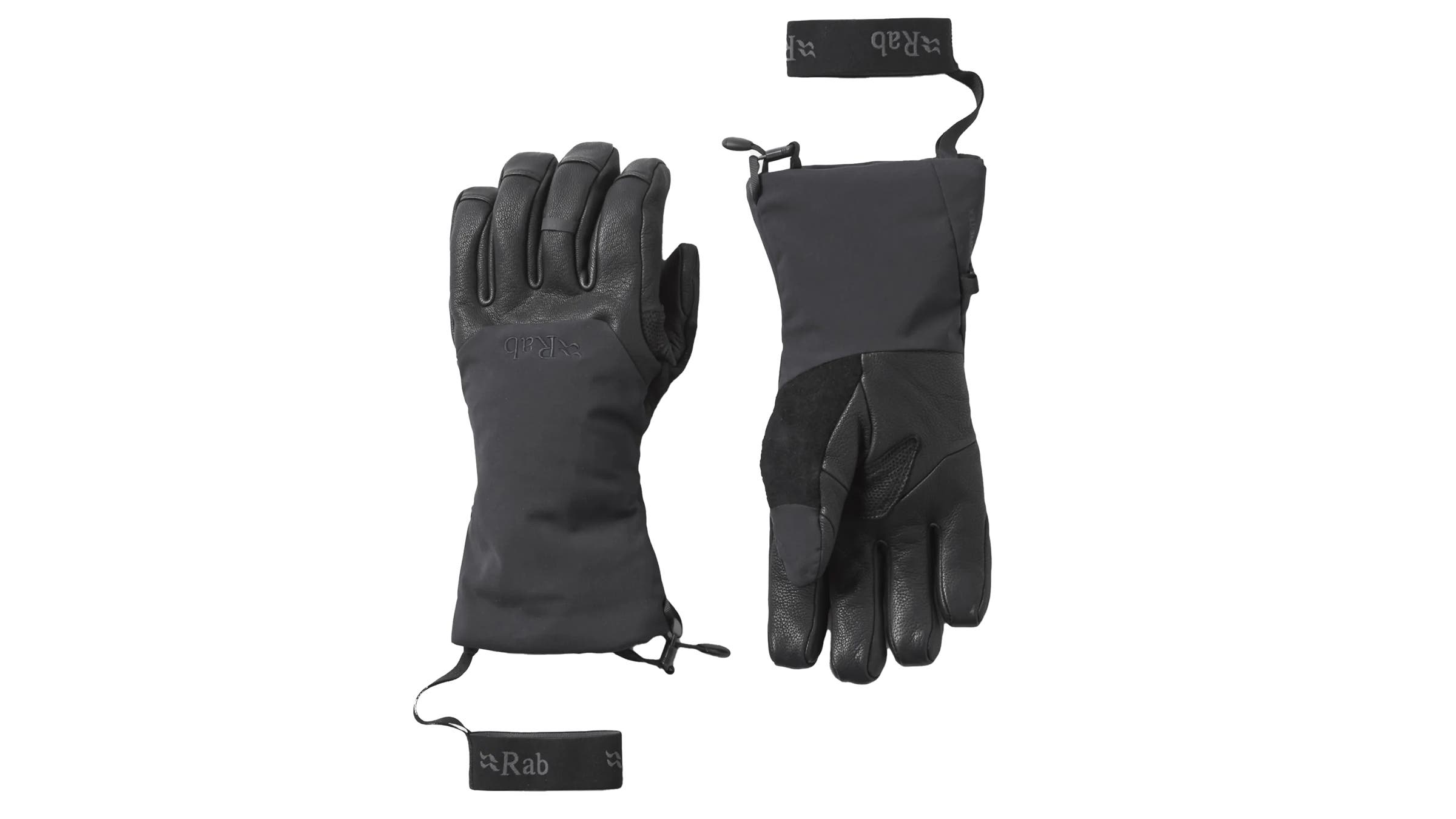
Best Ski Gloves Overall: Rab Guide GTX Gauntlet
Retailing at $170, the Rab Guide GTX Gauntlet emerged as the most versatile tool in the 2026 lineup. Utilizing Gore-Tex Active Technology, these gloves are engineered for high-output activities where moisture from sweat is as much a threat as external snow. The integration of 100gsm PrimaLoft Gold insulation provides a high warmth-to-weight ratio, while the reinforced leather palms offer the grip necessary for technical ski mountaineering. Testers noted that while they are slightly less dexterous than a dedicated "work glove," their ability to bridge the gap between resort skiing and backcountry exploration is unmatched.
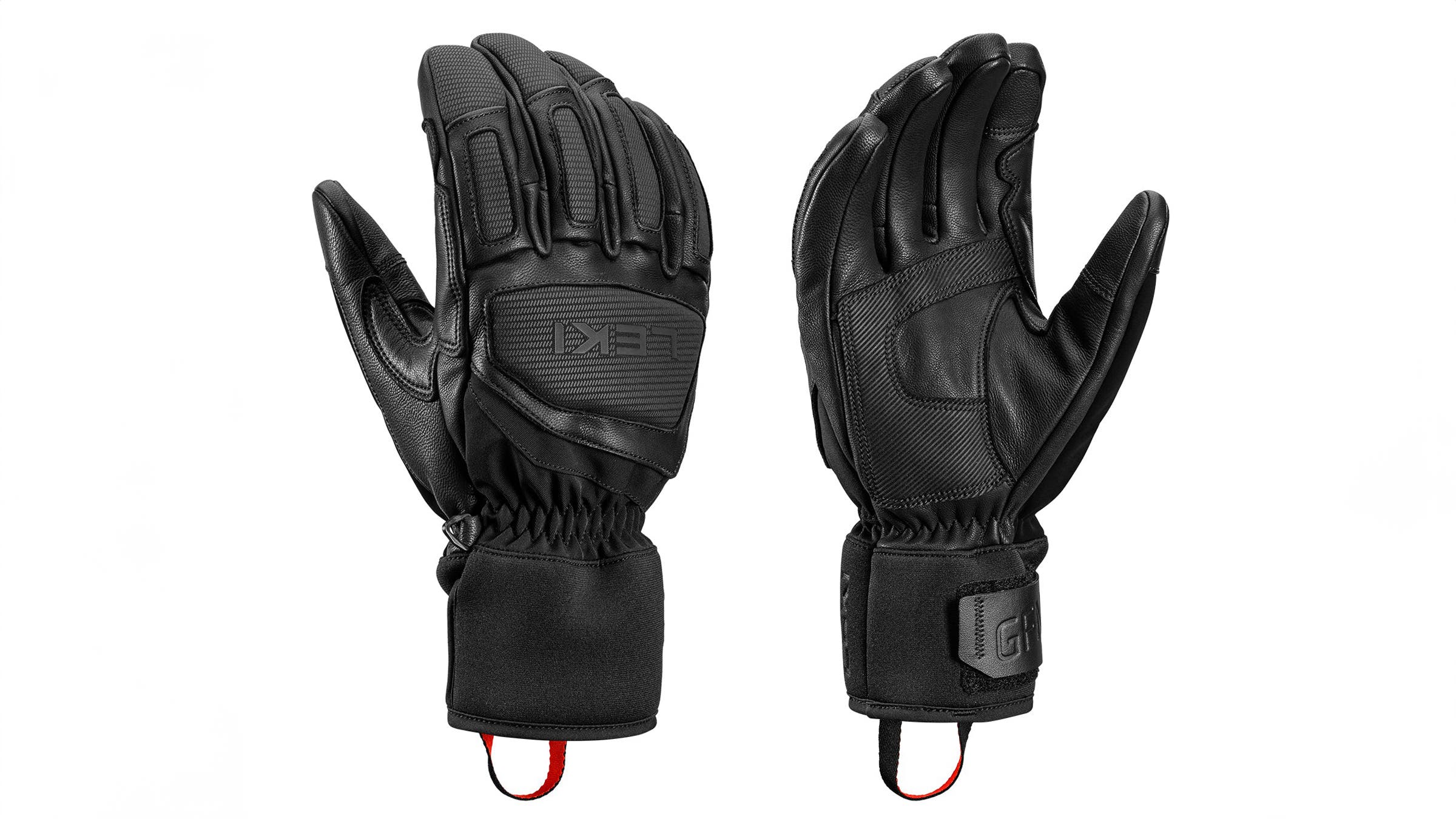
Warmest Glove: LEKI Griffin Pro Zero
For skiers who struggle with circulation or operate in extreme latitudes, the LEKI Griffin Pro Zero ($160) set a new benchmark for heat retention in a five-finger format. By utilizing a full leather shell and high-density Primaloft Gold insulation, LEKI has created a glove that mimics the warmth of a mitten without sacrificing the ability to adjust boot buckles or manipulate zippers. A key innovation in the Griffin Pro Zero is the silicone-treated palm and padded backing, which provides protection during aggressive carving.
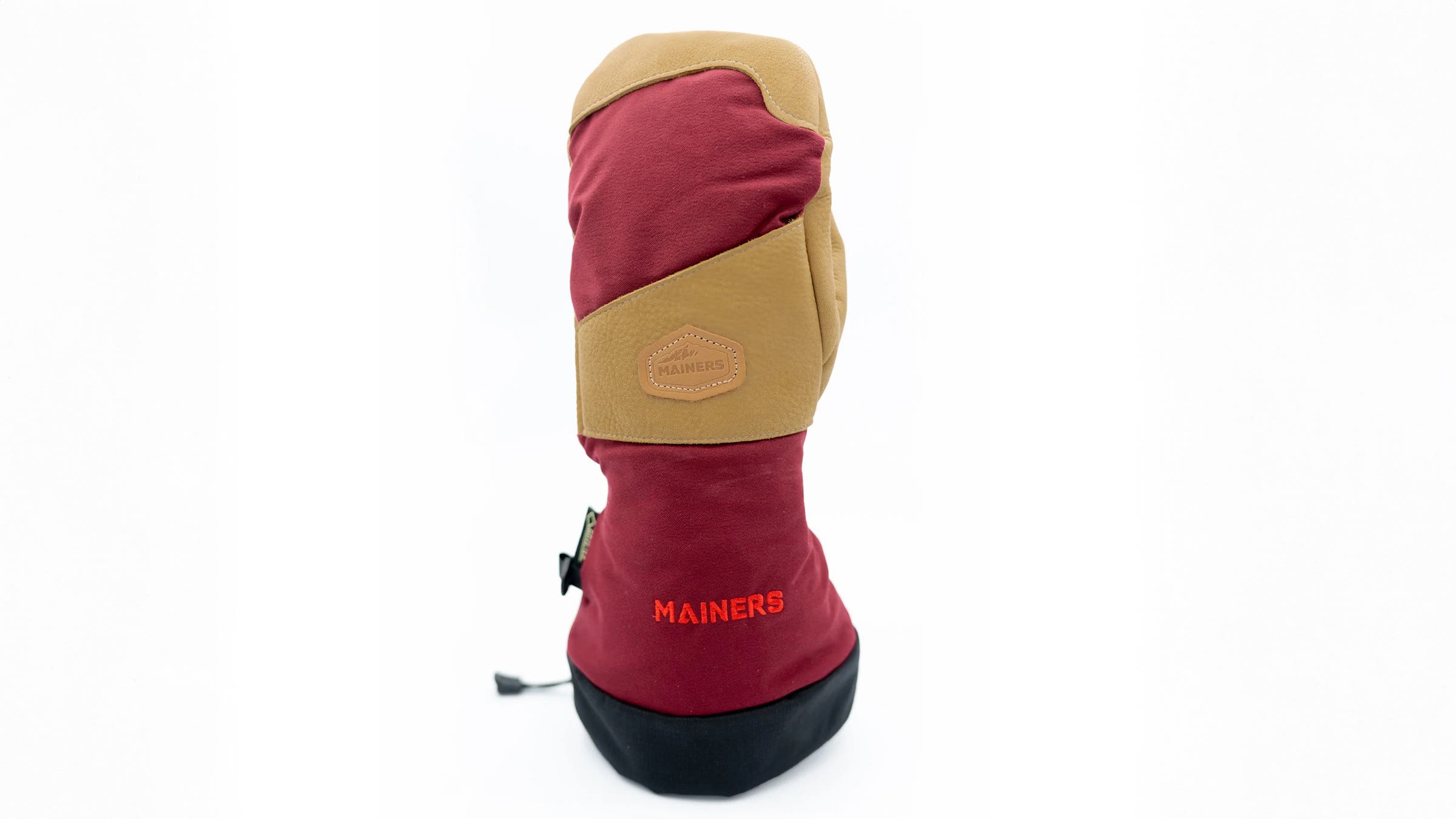
Warmest Mitten: Mainers Mitts
The Mainers Mitts ($195) represent a unique entry into the 2026 guide, bringing cryogenic-grade technology to the ski slopes. Produced by Tempshield, a company specialized in personal protective equipment for laboratory environments reaching -200 degrees Fahrenheit, these mitts utilize recycled featherless 3M Thinsulate and Polartec Power Grid fleece. The result is a piece of equipment that provides extreme warmth without the traditional bulk associated with down-filled mittens.
Comparative Data: Technical Specifications at a Glance
The following data summarizes the key specifications for the primary selections of the 2026 season:
| Category | Product | Price | Shell Material | Primary Insulation |
|---|---|---|---|---|
| Best Overall | Rab Guide GTX Gauntlet | $170 | Gore-Tex Active | PrimaLoft Gold |
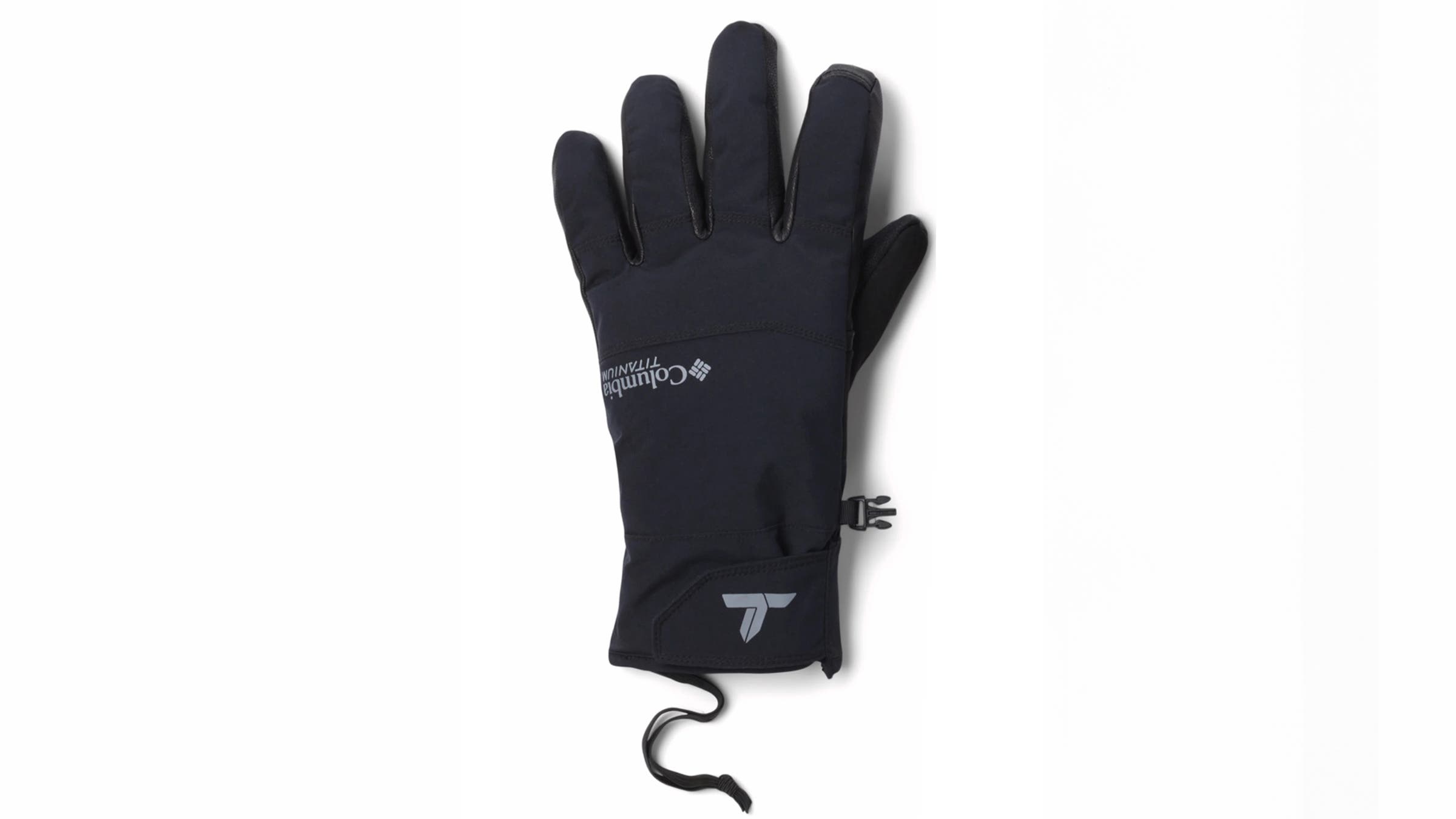
| Best Value | Columbia PowBound | $85 | Polyester/Goat Leather | Recycled Polyester |
| Warmest Mitt | Mainers Mitts | $195 | Leather/Nylon | 3M Thinsulate |
| Warmest Glove | LEKI Griffin Pro Zero | $160 | Goat Leather | PrimaLoft Gold |
| Most Rugged | Hestra Fall Line | $190 | Cowhide | G-Loft/Foam |
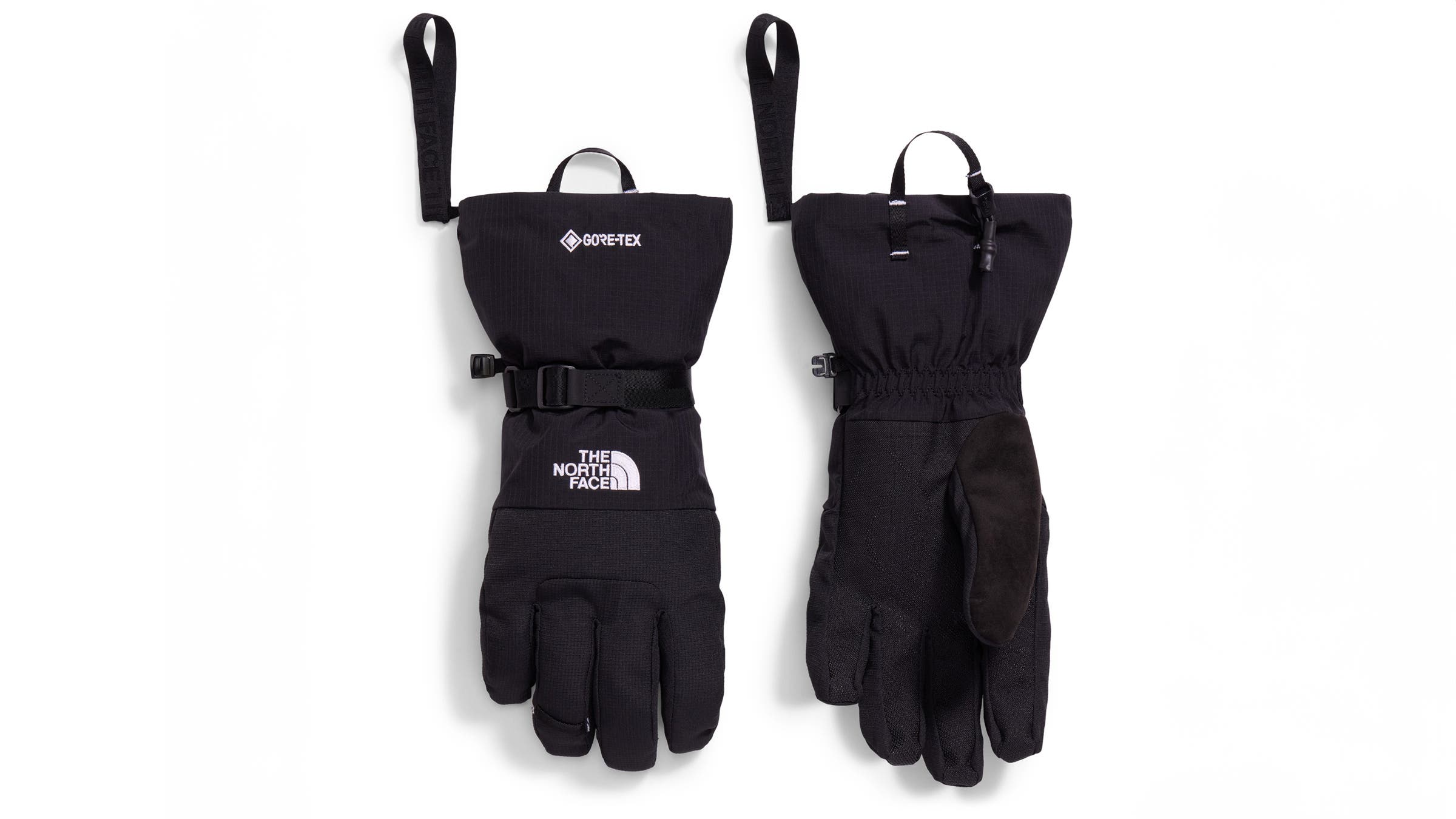
| Best 3-in-1 | TNF Montana GTX | $115 | Recycled Polyester | Post-consumer Recycled Poly |
| Best Lobster | Ortovox Full Leather | $180 | Goat Leather | 88% Virgin Wool |
Industry Trends: Sustainability and Material Science
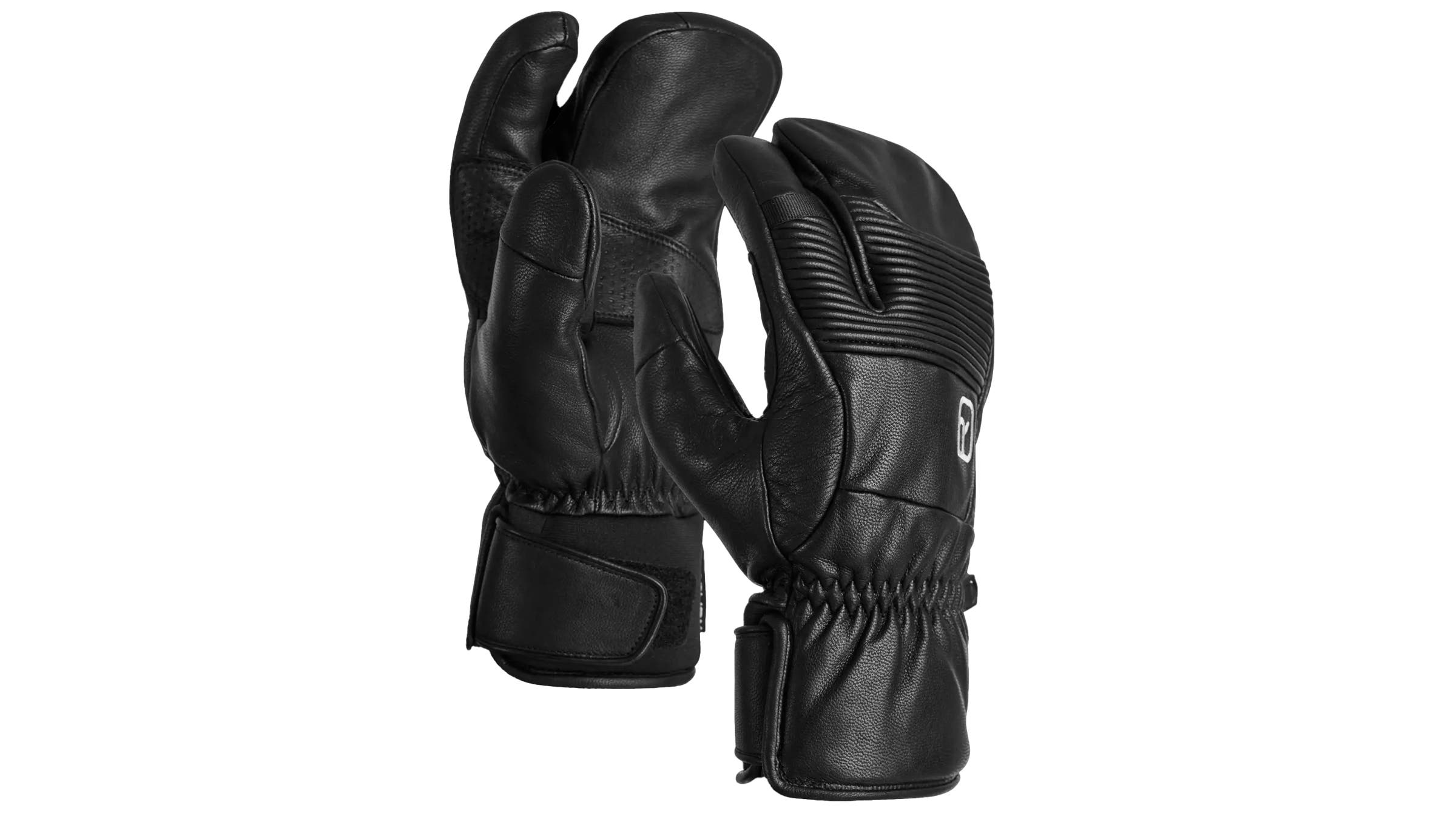
A significant takeaway from the 2026 testing cycle is the industry’s pivot toward "circular" materials. The North Face Montana 3-In-1 GTX and the Columbia PowBound both feature high percentages of post-consumer recycled polyester, signaling a shift away from virgin plastics in synthetic insulation. Furthermore, the use of natural fibers is seeing a resurgence. The Ortovox Full Leather 3 Finger Glove and the Minus 33 Heavyweight utilize wool-based insulation (lavalan and virgin merino blends), which testers found superior for odor resistance and temperature regulation during high-exertion climbs.
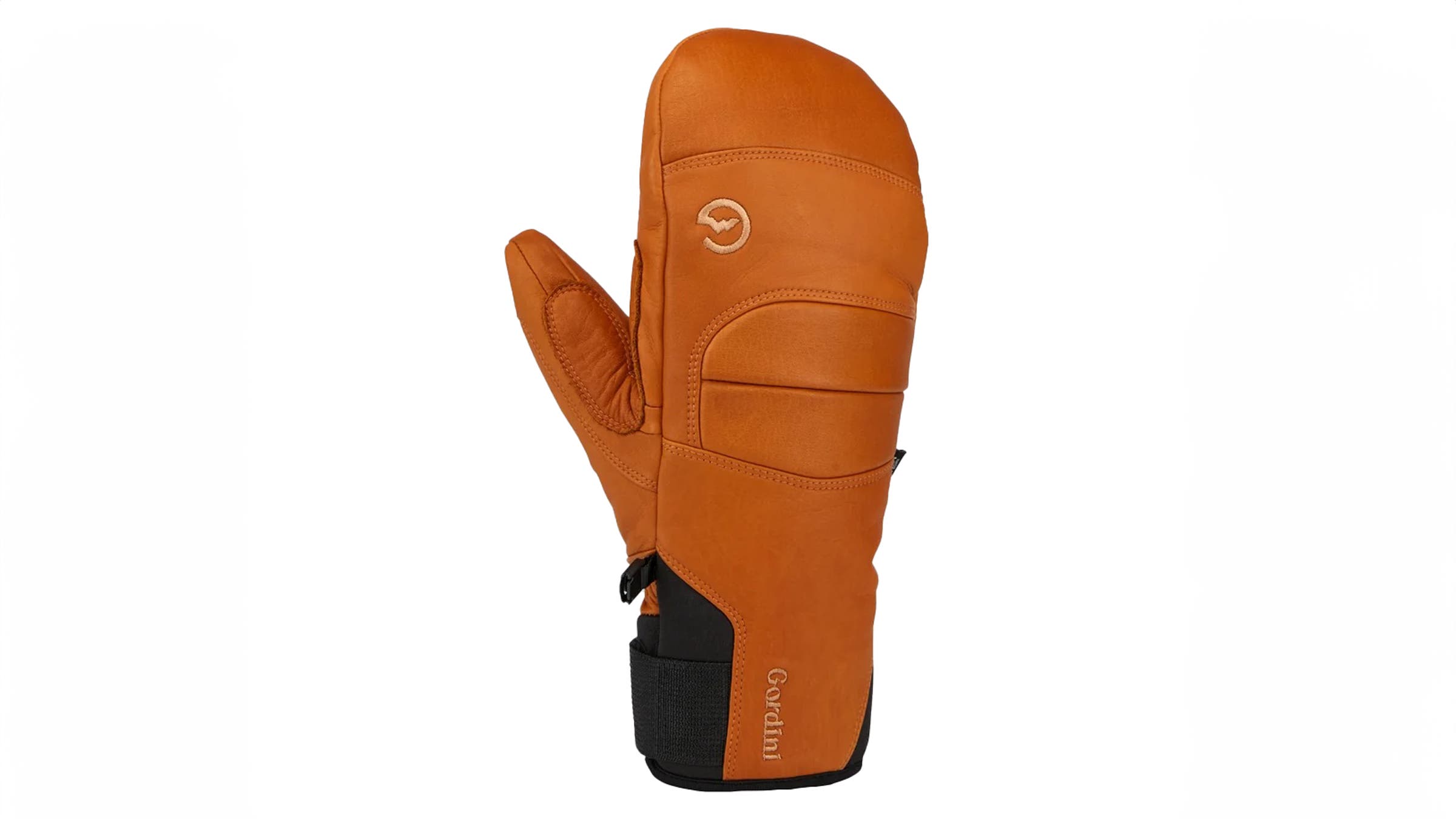
Industry analysts suggest that this "return to nature" combined with advanced synthetics is a response to consumer demand for gear that lasts longer and has a smaller environmental footprint. The Hestra Fall Line, for instance, remains a perennial favorite due to its removable liners and cowhide exterior, which can be maintained for a decade or more with proper waxing.
Expert Perspectives and Tester Reactions
The 2026 test team brought a wealth of experience to the evaluation. Lead tester Berne Broudy, an East Coast veteran, emphasized the importance of the "wet-cold" performance. "In Vermont, a glove that is just ‘warm’ isn’t enough," Broudy noted. "It has to be able to handle freezing rain and high humidity without becoming a heavy, frozen sponge. The Rab Guide GTX stood out because the Gore-Tex Active membrane actually breathed during the climb but sealed out the sleet on the descent."
Jax Lubkowitz, a PhD student and former racer based in Utah, focused on the intersection of data and performance. "We looked at how these gloves handled ‘the transition’—that moment you go from high-energy skinning to the cold, windy ridge line. The Minus 33 Heavyweight, with its wool-integrated insulation, provided the most consistent thermal curve we saw all season."
Lilli Thomas, a retired Nordic racer, highlighted the "Lobster" or three-finger design as a growing category. "For people who want the warmth of a mitt but need to use their index finger for camera work or gear adjustments, the Ortovox and Flylow Wolverine models are game-changers. They eliminate the ‘sausage hand’ feeling that used to plague high-insulation gear."
Broader Impact and Market Implications
The findings of the 2026 report suggest a bifurcated market. On one end, premium brands like Rab, Hestra, and Mainers are pushing the boundaries of price and performance, targeting the dedicated "100-day-a-year" skier. On the other, the success of the Columbia PowBound ($85) proves that high-quality, waterproof handwear is becoming more accessible to the casual resort visitor.
As climate volatility leads to more unpredictable winter conditions—characterized by "atmospheric river" events followed by deep freezes—the demand for versatile, 3-in-1 systems and highly breathable membranes is expected to grow. The 2026 guide serves as a roadmap for consumers navigating this increasingly complex landscape, ensuring that whether they are carving ice in the East or floating through powder in the West, their hands remain protected against the elements.
Final Recommendations for the 2026 Season
For those seeking a single pair of gloves to handle an entire season, the Rab Guide GTX Gauntlet remains the professional’s choice. However, the 2026 testing cycle confirms that the "best" glove is ultimately dependent on individual physiology and environment. Skiers who run hot should look toward wool-lined options like Minus 33, while those in the coldest climates will find the investment in Mainers Mitts or the LEKI Griffin Pro Zero to be a season-saving decision. As the industry continues to innovate, the 2026 lineup represents the most technologically advanced and environmentally conscious collection of ski handwear ever assembled.
