

Are skiers ever not talking about snow? It begins with the analysis of long-range winter forecasts and ends with tallying still-spinning lifts and where you can keep skiing into summer. The fact that winters are getting shorter and snowfall less reliable only gives us more material for the canon. A recent report from Climate Central, an independent climate research organization, found that the winter season has shortened by an average of nine days in 80 percent of U.S. cities since 1970. It also reported that 64 percent of U.S. weather stations are recording less snowfall than they did in the early 1970s.
In an era of shrinking winters, it’s easy to assume snowmaking has become indispensable. The technology has long allowed ski areas to open earlier and survive a bum year. Major operators have doubled down on the investment: Vail Resorts alone has spent more than $100 million expanding snowmaking across its portfolio since 2015, demonstrating a significant industry-wide commitment to artificial snow production as a buffer against natural variability.
Yet not every U.S. ski area has—or even wants—snowmaking. Natural snow is still the gold standard, and building a snowmaking system is expensive, often requiring substantial upfront capital investment for infrastructure, water rights, and energy consumption. Plus, with snowmaking come water rights legalities and potential environmental impacts, including water usage and energy demands. Forgoing snowmaking, however, means accepting that opening and closing dates are dictated almost entirely by Mother Nature, a choice that requires a different operational philosophy and a deep reliance on the natural environment.
So, how are U.S. ski areas without snowmaking making it work? Is it simply a matter of being blessed with abundant snowfall and a high elevation? Are they employing creative ways to trap and store snow? Or have these ski areas just learned to embrace the uncertainty inherent in a snow-dependent industry? While many small, community ski hills operate without snowmaking, this examination focuses on larger, well-known ski areas that continue to thrive by leveraging natural snow.
The Climate Context: A Shrinking Winter Season
The findings from Climate Central underscore a significant trend impacting winter sports across the United States. The organization’s research, which analyzed historical weather data, revealed a stark reality: the average winter season in 80% of U.S. cities has contracted by nine days since 1970. This temporal shrinkage is accompanied by a quantitative decrease in snowfall. The report indicated that 64% of U.S. weather stations are now recording less snow than they did in the early 1970s.
This data provides critical context for understanding the challenges and strategic decisions faced by ski resorts. The decline in winter duration and snowfall directly affects operational timelines, the quality of snow conditions, and the overall viability of ski seasons. For resorts that have historically relied on consistent natural snow, these climatic shifts necessitate adaptation, whether through technological investment like snowmaking or by optimizing operations around natural snow patterns. The decision to forgo snowmaking, therefore, is not merely a matter of preference but often a deliberate choice rooted in a resort’s unique geography, operational ethos, and a commitment to a specific type of skiing experience.
Monarch Mountain, Colorado: Embracing the All-Natural Product
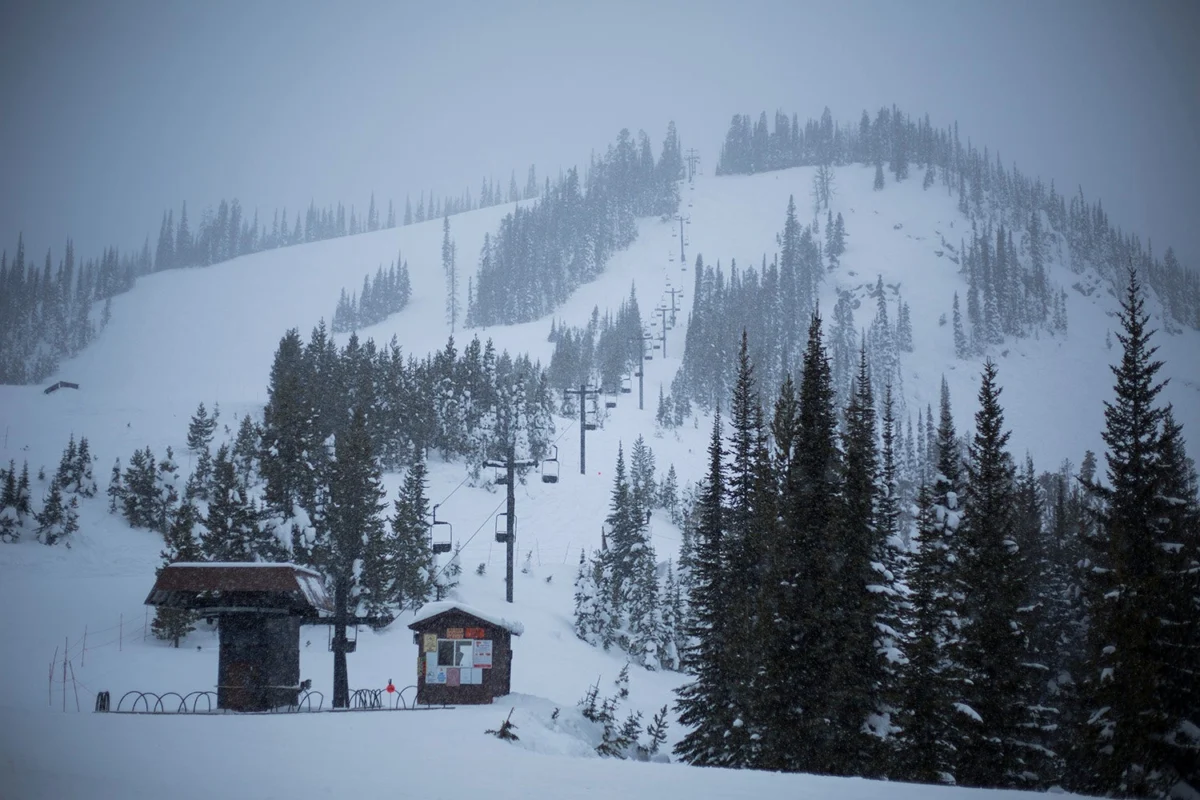
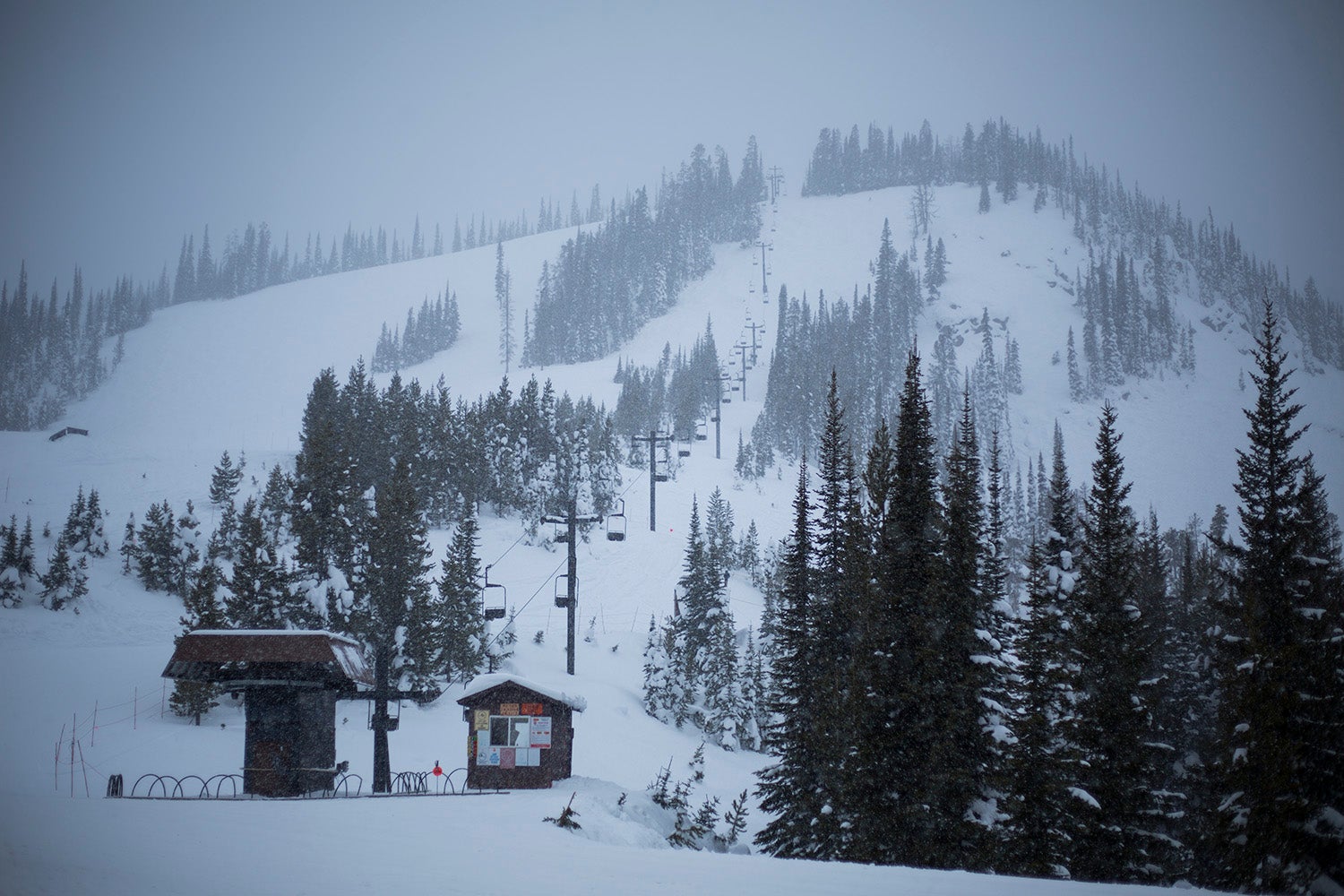
Monarch Mountain, nestled in the San Isabel National Forest of Colorado, stands as a proud proponent of the all-natural skiing experience. It is one of the few remaining Colorado ski areas that eschews artificial snow. This commitment is deeply ingrained in the resort’s identity. "We take great pride in offering an all-natural product and strongly believe that nothing is better than making turns down a trail covered in real snow," stated Scott Pressly, the former director of mountain operations, in a 2024 blog post. This sentiment reflects a dedication to preserving the authentic appeal of powder skiing, a draw for many enthusiasts.
Monarch’s success without snowmaking is significantly attributed to its advantageous location along the Continental Divide. This geographical feature is renowned for attracting substantial winter storms that frequently deposit heavy natural powder. Furthermore, the resort boasts a high elevation, with its base at 10,727 feet and its summit reaching 11,900 feet above sea level. This altitude is crucial, as it generally ensures colder temperatures conducive to snow preservation and formation. Additionally, many of Monarch’s ski runs face northeast, a strategic orientation that helps protect the snowpack from the harsh effects of the afternoon sun, thereby extending its longevity.
To further enhance its snow management, Monarch Mountain employs innovative, low-impact techniques. Snow fencing is strategically installed to capture windblown snow, effectively trapping it in designated areas. This accumulated snow is then redistributed across the mountain, optimizing coverage. The resort also engages in practical snow management of its parking lots, collecting snow to ensure high-traffic areas around the base lodge and lower lifts are well-covered, providing a smoother transition for arriving skiers.
While Monarch has successfully operated on natural snow for decades, its forward-looking approach acknowledges the evolving climate. The resort’s recently unveiled master development plan includes snowmaking as a potential future option. This consideration is accompanied by preliminary designs for a snowmaking storage pond and pumphouse, indicating a flexible strategy that balances its commitment to natural snow with a pragmatic awareness of potential future challenges. This approach suggests that even resorts dedicated to natural snow may explore hybrid solutions if conditions necessitate.
Mt. Baker Ski Area, Washington: A Pacific Northwest Powder Mecca
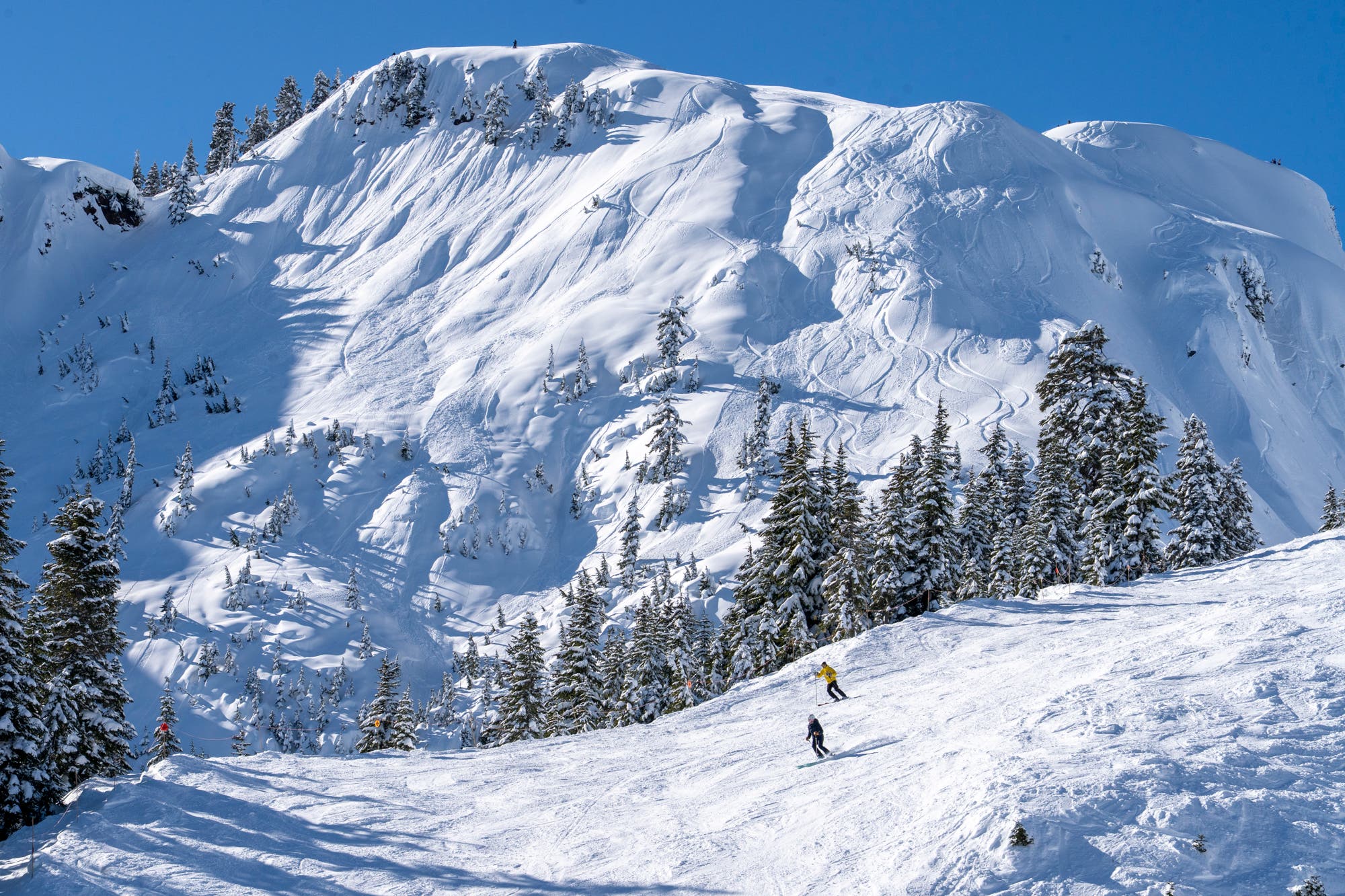
The Mt. Baker Ski Area, located in the North Cascades of Washington, is an independent, family-owned resort celebrated for its challenging natural terrain, including steep chutes, dense tree runs, and exciting pillow lines. Its operational philosophy is built entirely on natural snow, a choice that aligns with its renowned reputation for receiving exceptional snowfall.
Mt. Baker’s ability to thrive without snowmaking is directly linked to its status as a recipient of the most natural snowfall in North America. The resort benefits immensely from its proximity to the Pacific Ocean. Moisture-laden storms, drawn inland from the Pacific, encounter ideal atmospheric conditions over Mt. Baker. With no major mountain ranges to significantly obstruct the weather systems originating from the southwest, these storms consistently deliver prodigious amounts of snow. The resort’s annual average snowfall is an impressive 688 inches. However, its legendary status was cemented during the 1998/99 ski season when it recorded an astonishing 1,140 inches of snow, a testament to its potential for extreme snowfall events.
Given this overwhelming abundance of natural snow, Mt. Baker has historically not needed to resort to supplementary snow management techniques like wind loading or snow farming. The sheer volume of snowfall typically ensures ample coverage. However, the resort is not entirely immune to the impacts of climate change. In 2026, a notable event highlighted this vulnerability: the cancellation of its highly anticipated Legendary Banked Slalom race. The reason for the cancellation was a significant base of snow that had been washed away by heavy rain, which had eroded the natural halfpipe that serves as the venue for the competition. This incident serves as a stark reminder that even resorts blessed with extreme natural snowfall are not impervious to changing weather patterns, including shifts towards warmer temperatures and increased rainfall during winter months.
Mount Bohemia, Michigan: Lake-Effect Snow and Uncompromised Natural Terrain
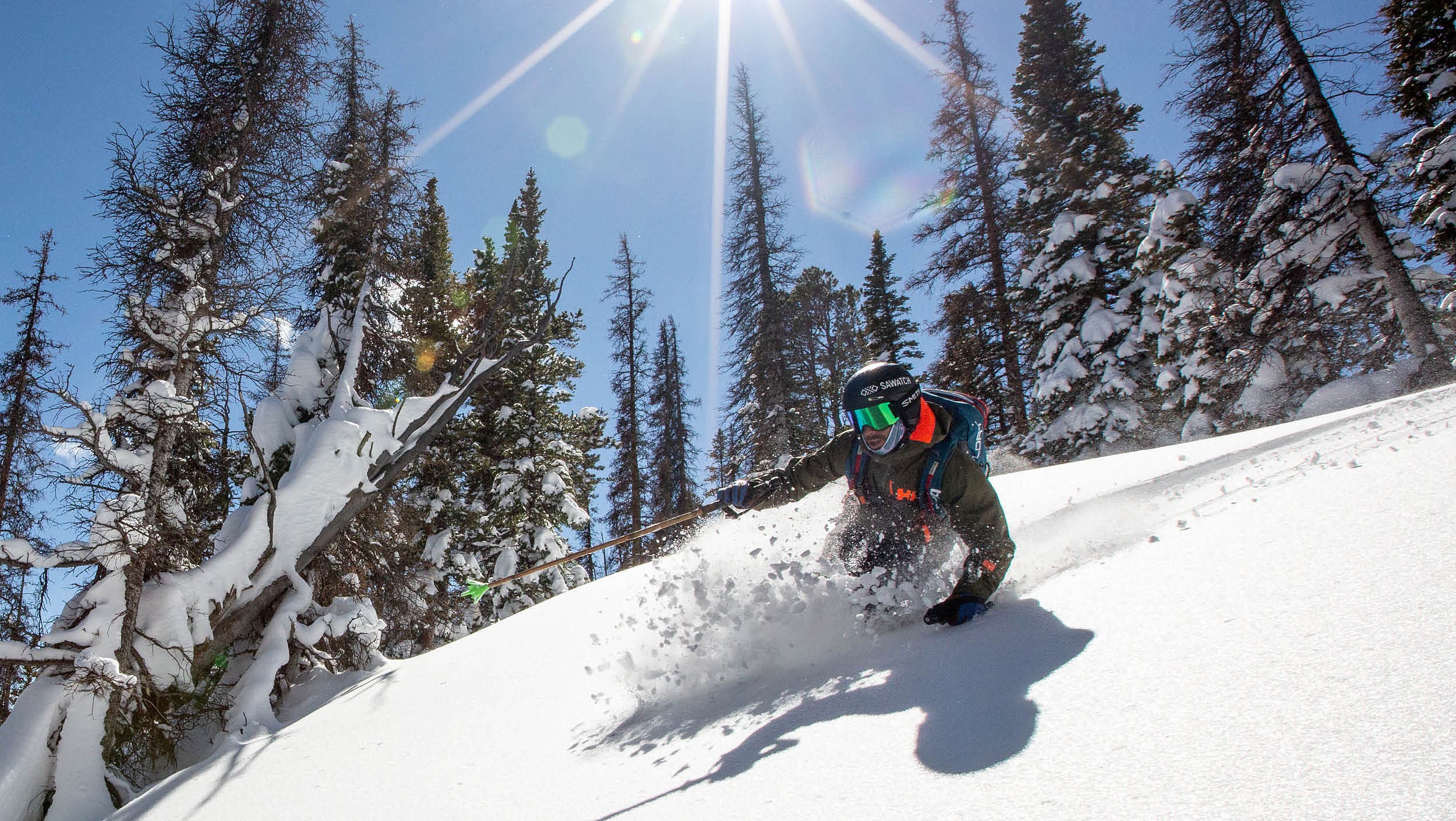
Mount Bohemia, situated in the Upper Peninsula of Michigan, is a smaller ski area that has carved out a niche for itself by offering what it claims is the "deepest powder in the Midwest." This resort proudly rejects not only snowmaking but also grooming, positioning itself as a destination for expert skiers seeking a raw, untamed mountain experience.
Mount Bohemia’s operational model is entirely reliant on natural, lake-effect snow. While the snow totals may not rival those of the Western resorts, the mountain reports an average of 273 inches per year, a significant amount for the region. This consistent snowfall, primarily driven by the cold air masses passing over the warmer waters of Lake Superior, allows Bohemia to offer a genuine powder experience. However, this reliance on natural snow also presents operational challenges. In years with poor early-season snowfall, it is not uncommon for Mount Bohemia to delay its opening, sometimes until January or even February, drastically impacting its operational timeline and revenue potential.
Despite the challenges, the resort has maintained its commitment to natural snow. Snowmaking has been considered as a potential addition, with a snowmaking plan released in January 2021 showcasing conceptual designs. However, the resort ultimately decided to continue its operations with 100% natural snow, prioritizing its unique, ungroomed, and natural character. This decision reinforces the idea that for some resorts, maintaining a specific operational ethos and natural experience is paramount, even in the face of potential weather uncertainties.
Powder Mountain, Utah: Size, Strategy, and Evolving Considerations
Powder Mountain, often referred to as "PowMow," is an expansive resort in Utah boasting 5,000 skiable acres, encompassing both lift-served and hike-to terrain. Despite its considerable size and its marketing slogan, "The Greatest Snow on Earth," the resort relies entirely on natural snowfall.
Powder Mountain’s ability to operate successfully without snowmaking is attributed to a combination of factors. The resort receives a substantial amount of natural snow, averaging around 360 inches annually. This considerable snowpack provides a solid foundation for the ski season. Crucially, Powder Mountain implements a strategy of limiting daily ticket sales. This deliberate control over skier numbers helps to preserve existing snow for longer periods, reducing the impact of high traffic on the snow surface. By managing demand, the resort ensures that the natural snow lasts longer, enhancing the skiing experience for all visitors. These tactics have enabled PowMow to operate without the need for forced snow farming or extensive wind loading techniques.
However, the resort’s long-term strategy may be adapting to changing environmental conditions. In 2026, Kevin Mitchell, Powder Mountain’s General Manager and Chief Operating Officer, indicated that the resort is "looking at expediting some of our projects, particularly a (snowmaking) system that would help us get open earlier." This statement suggests a growing recognition of the benefits that snowmaking could provide in terms of operational consistency and the ability to commence the ski season on schedule, even if natural snowfall is delayed. This potential shift reflects a pragmatic approach to ensuring business continuity in an era of increasing climate uncertainty, even for resorts that have historically prided themselves on natural snow.
Lost Trail Powder Mountain, Montana: Continental Divide Advantage and Limited Access
Lost Trail Powder Mountain, situated in Montana, shares a geographical advantage with Monarch Mountain: its location along the Continental Divide. This position is a significant factor in its consistent snowfall, with winter storms routinely delivering 300 to 350 inches of light, dry snow each year. This dependable snowfall has allowed the family-owned ski area to operate for decades without the need for any snow guns.
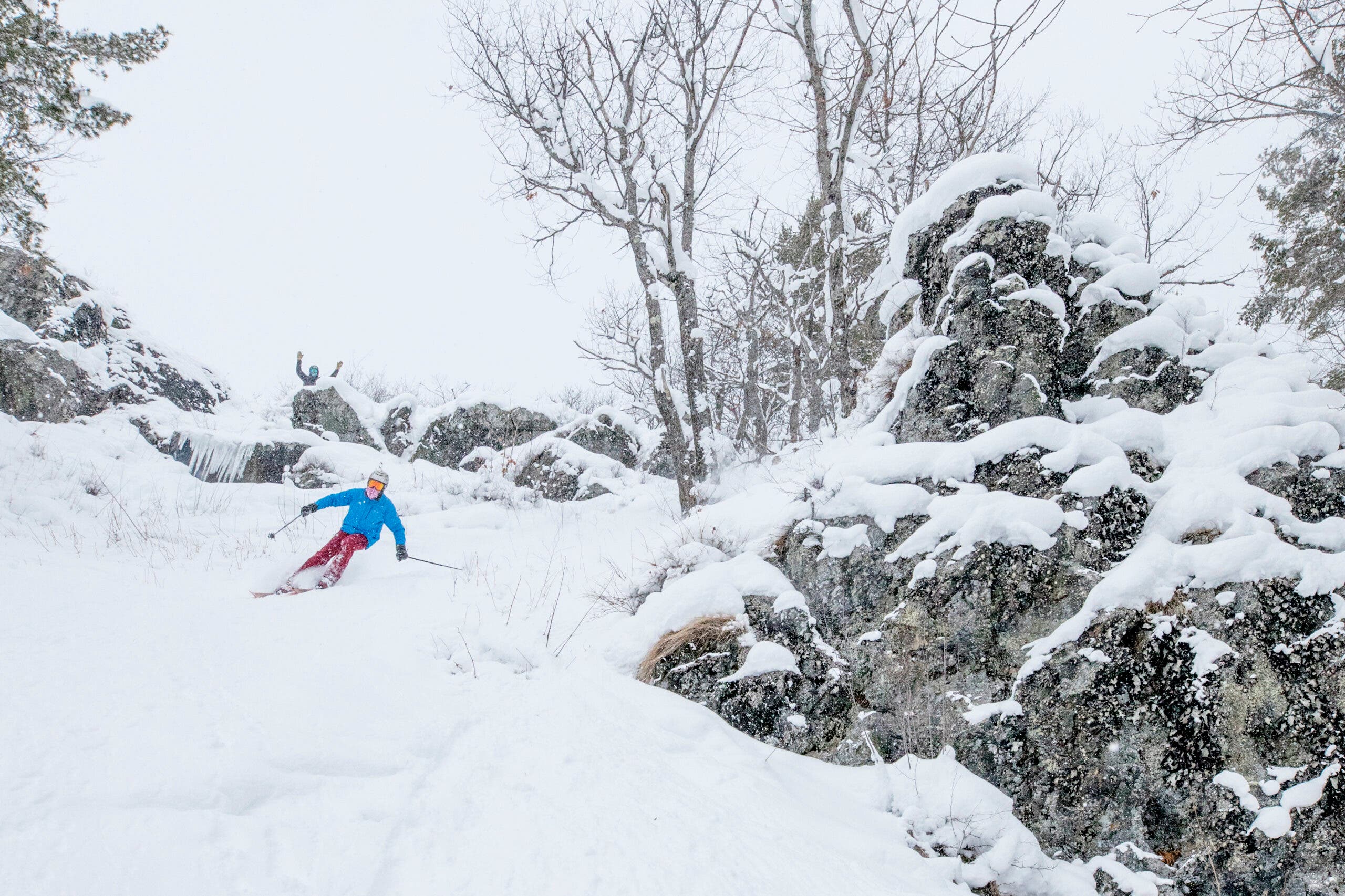
The resort’s operational success without snowmaking is further bolstered by its unique approach to managing skier traffic. Lost Trail is typically open from Thursday through Sunday. This limited operating schedule provides fresh snow several days to accumulate and settle between operating days. This strategy is directly responsible for the resort’s signature "Powder Thursdays." On these days, skiers often arrive after a three-day closure to find untouched powder conditions, a highly sought-after experience for many enthusiasts. This model effectively maximizes the value of natural snowfall by ensuring that opportunities for fresh tracks are regularly available to its patrons.
Broader Implications for the Ski Industry
The success of these resorts in navigating a changing climate without the crutch of artificial snow offers valuable insights for the broader ski industry. It highlights that a reliance on natural snow is not an inherently unsustainable model, but rather one that requires specific geographical advantages, strategic operational planning, and a deep understanding of natural snow dynamics.
The trend toward shorter winters and less reliable snowfall, as documented by Climate Central, presents a significant challenge. Resorts that are heavily dependent on snowmaking face increasing operational costs due to energy and water demands, as well as potential water rights conflicts. In contrast, resorts like Monarch, Mt. Baker, Mount Bohemia, Powder Mountain, and Lost Trail demonstrate that a commitment to natural snow can be a viable and even desirable business model, particularly for those seeking an authentic skiing experience.
However, even these natural-snow-dependent resorts are not entirely immune to climate impacts. The cancellation of the Mt. Baker banked slalom race due to rain underscores the need for adaptability. The considerations of Powder Mountain and Monarch Mountain to potentially integrate snowmaking in the future suggest a pragmatic evolution within the industry. This indicates a potential future where a hybrid approach—combining the allure of natural snow with the operational security of artificial snowmaking—might become increasingly prevalent.
Ultimately, the strategies employed by these resorts offer a glimpse into a more resilient and diversified future for the ski industry, one that acknowledges environmental realities while striving to preserve the core appeal of snow sports. The ongoing conversation about snowmaking versus natural snow will continue to shape the landscape of winter recreation as the climate continues to evolve.
