

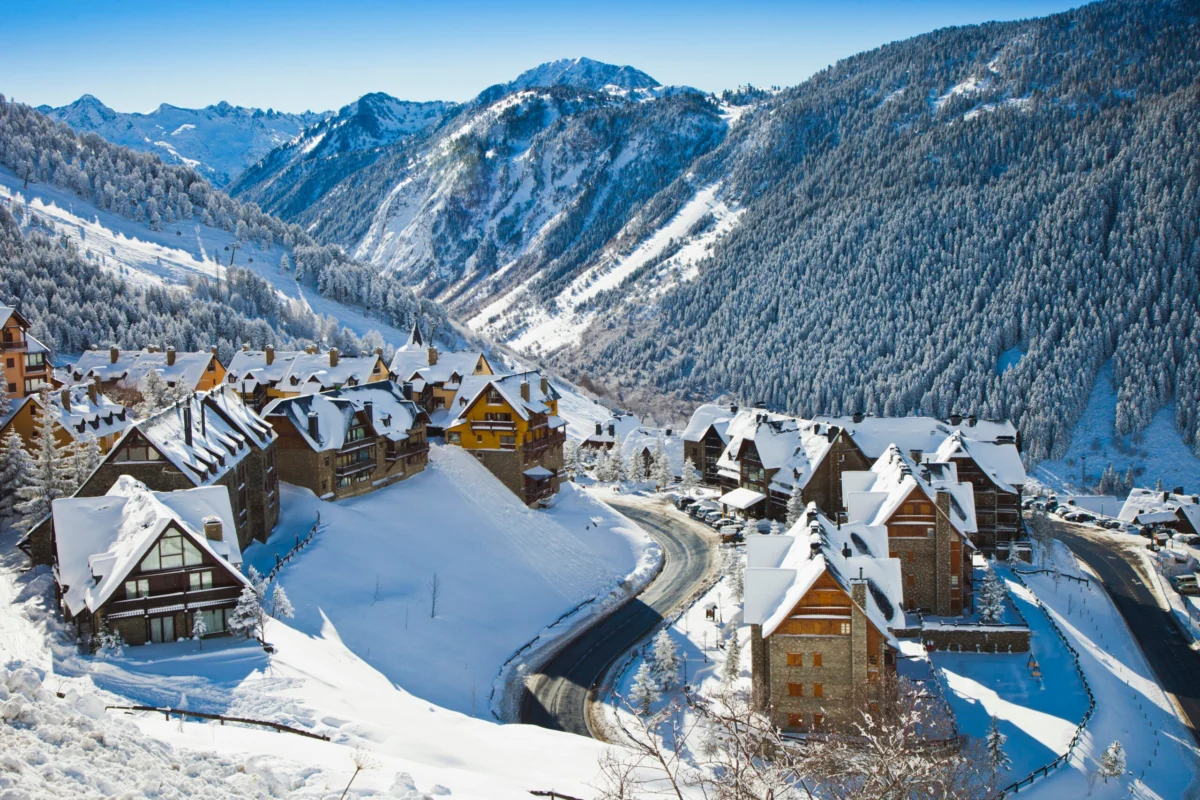
Europe’s ski landscape is often dominated by the iconic peaks and renowned resorts of the Alps. Destinations like Chamonix, St. Anton, Verbier, and Zermatt consistently draw international crowds, celebrated for their dramatic scenery, extensive infrastructure, and vibrant après-ski culture. However, a vast and often overlooked mountain range runs along the border of France and Spain: the Pyrenees. This majestic chain, stretching approximately 300 miles, presents a distinctly different, yet equally rewarding, skiing and snowboarding experience, characterized by more accessible pricing, a more adventurous spirit, and a refreshing lack of overcrowding. For skiers seeking an escape from the well-trodden paths, the Pyrenees are emerging as Europe’s best-kept winter secret.
A Contrasting Introduction to the Pyrenean Peaks
The allure of the Pyrenees often begins with a stark contrast to the familiar Alpine narrative. While the Alps may offer polished perfection, the Pyrenees provide an untamed beauty and a palpable sense of discovery. The journey into the heart of the Pyrenean ski areas can feel decidedly un-Alpine. Driving north from a vibrant city like Barcelona, one might traverse through flat, agricultural landscapes, passing by onion fields and meandering rivers. This unassuming approach, however, belies the dramatic transformation that awaits. A short passage through a mountain tunnel can instantly transport skiers to a winter wonderland, where fresh snowfall has reshaped the terrain into something reminiscent of world-class North American destinations like Tahoe. This element of surprise and the raw, natural beauty that unfolds are central to the Pyrenean appeal.
The ski resorts themselves often possess a more authentic and less commercialized character than their Alpine counterparts. Lift lines are frequently minimal, if not entirely absent, and the cost of a day ticket can be remarkably lower, often falling under $50. This affordability extends to the overall travel experience, making a Pyrenean ski trip a more accessible option for a wider range of enthusiasts. The opportunity to combine a morning of powder skiing with a tapas lunch and, depending on the season and location, even an afternoon of surfing the Atlantic waves, highlights the unique geographical advantages and the adventurous possibilities offered by this region. For those who appreciate solitude, character, and the unexpected, the Pyrenees offer an unparalleled skiing experience.
H2: The Unspoiled Charm of Imperfect and Uncrowded Slopes
One of the most striking aspects of skiing in the Pyrenees is its unvarnished, uncrowded nature. Unlike the highly manicured and heavily developed ski areas of the Alps, Pyrenean resorts often retain a more rustic and authentic charm. This is not to say they lack quality; rather, they embrace a character that prioritizes natural beauty and a more laid-back atmosphere over constant modernization. Visitors might encounter traditional lift systems, such as T-bars and single chairs, alongside more contemporary facilities, contributing to a nostalgic and genuine ski experience.
The operational rhythms of some smaller resorts can also reflect a more relaxed pace of life. Signs indicating "cerrado" (closed) during the day, or the practice of extended post-lunch siestas, are not uncommon. Resort websites might exhibit a charmingly retro aesthetic, reflecting a Boomer-era sensibility rather than slick, corporate branding. This emphasis on local culture and a slower pace of life contributes to the unique ambiance of the Pyrenees.
The absence of throngs of skiers means that the slopes themselves offer a sense of tranquility. Instead of the constant buzz of crowded après-ski bars, one can find moments of genuine peace on the mountain, accompanied only by the sounds of nature and perhaps the distant calls of local wildlife. This profound sense of "tranquilo" is a significant draw for those seeking to escape the commercial pressures and intense energy often associated with more popular ski destinations. Skiers and snowboarders in the Pyrenees are more likely to share the mountain with its natural inhabitants than with vast crowds, fostering a deeper connection with the environment.
H2: Unique Geography: A Bridge Between Oceans and Mountains

The geographical positioning of the Pyrenees offers a remarkable confluence of landscapes and activities. Straddling the border between France and Spain, the mountain range acts as a natural divide, extending from the western edges of the French Riviera to the Atlantic coast of the Basque Country. This unique location unlocks a diverse range of recreational opportunities that extend far beyond skiing.
Travelers can seamlessly integrate ski trips with other European adventures. For instance, the vibrant coastal cities of Biarritz and San Sebastian, renowned for their world-class surfing and culinary scenes, are within easy reach of the western Pyrenean ski areas. Similarly, the historic pilgrimage route of the Camino de Santiago passes through the region, offering cultural and historical exploration alongside mountain pursuits. Destinations like Lourdes, a significant religious site, and the cosmopolitan hub of Barcelona, are also accessible, providing a rich tapestry of experiences for visitors.
The climatic conditions in the Pyrenees also contribute to their unique appeal. In the spring, as the southern slopes experience the blooming of flowers and the chirping of birds, the higher elevations and north-facing aspects retain excellent snow conditions. This allows for a prolonged ski season, with opportunities to carve up corn snow in sunny couloirs while enjoying the burgeoning spring on lower slopes. This seasonal duality makes the Pyrenees an attractive destination for those looking to extend their winter sports calendar or combine different seasonal activities.
Furthermore, the accessibility of the Pyrenees has improved significantly, with direct flights from North America landing in major hubs like Barcelona. From these arrival points, skiers can typically reach the mountain resorts within a three to four-hour drive, minimizing travel time and maximizing time spent on the slopes. This ease of access, coupled with the diverse geographical offerings, positions the Pyrenees as a compelling and multifaceted destination.
H2: Prices from the ’90s: An Economical Winter Escape
In an era where many Alpine resorts have seen significant price increases, the Pyrenees offer a refreshing return to more affordable skiing. While the more upscale resorts, such as Baqueira-Beret in the Val d’Aran, can command higher prices, many of the smaller, family-run establishments along the French and Spanish borders have maintained remarkably competitive pricing.
For instance, a day lift ticket at a resort like Piau Engaly or in the Cauterets area, located across the border from the Monte Perdido massif, can cost as little as $50. In some treeline resorts, especially during shoulder seasons, dynamic pricing models can even reduce this figure to as low as $30. This stark contrast to the often higher price points in the Alps makes the Pyrenees an attractive option for budget-conscious skiers and snowboarders.
The affordability extends beyond lift tickets to include accommodation, food, and other associated travel expenses. This economic advantage allows skiers to enjoy extended stays, explore multiple resorts, or simply reduce their overall expenditure on a winter vacation. The perception of value in the Pyrenees is exceptionally high, offering a high-quality skiing experience without the premium price tag often associated with European mountain destinations. This economic accessibility broadens the appeal of the Pyrenees, making them a viable option for a wider demographic of winter sports enthusiasts.
H2: A Culinary Journey: Mediterranean Flavors Meet Mountain Fare
The culinary landscape of the Pyrenees offers a delightful departure from the hearty, traditional mountain cuisine often found in other European ranges. While the region certainly offers its share of delicious cured meats and cheeses, such as the renowned Bigorre black pig ham and the Basque Ossau-Iraty sheep’s milk cheese, it is also situated at the heart of some of Europe’s most vibrant Mediterranean culinary traditions.

Catalan cuisine, for example, offers a wealth of fresh and flavorful dishes. Specialties like "pan tumaca" (bread rubbed with tomato and olive oil), roasted artichokes, and "calcots" (a type of green onion traditionally grilled and served with romesco sauce) provide a lighter and more diverse dining experience. These dishes are a welcome change for those who have spent extended periods consuming heavier Alpine fare.
The influence of French Basque and Spanish regional cooking further enriches the gastronomic offerings. From the hearty bean casseroles of Toulouse to the diverse tapas culture found throughout Spain, there is an abundance of options to satisfy every palate, including vegetarian and vegan preferences. The journey to the mountains themselves can be a culinary preview, passing through landscapes dotted with wild cacti and kiwi farms, hinting at the fresh produce to come.
Furthermore, the proximity to culinary hotspots like San Sebastian, which boasts the highest density of Michelin-starred restaurants in the world, places the western Pyrenees at the epicenter of gastronomic innovation. This allows skiers to indulge in world-class dining experiences, further enhancing the overall appeal of the region as a destination that caters to both outdoor adventure and refined culinary exploration.
H2: Thriving Ski Touring Culture: Embracing the Backcountry
For backcountry enthusiasts, the Pyrenees represent a paradise of varied terrain and breathtaking scenery, offering an experience that is both challenging and rewarding. The appeal of ski touring in this region is multifaceted, stemming from the diverse landscapes, from the misty foothills of the Atlantic to arid canyons carved by rushing rivers and lined with wild olive and cork oak trees.
The Spanish side of the Pyrenees, particularly the Huesca province, is home to impressive massifs like the Maladeta, reaching an elevation of 11,155 feet, and Monte Perdido. These areas feature some of Spain’s last remaining glaciers, providing opportunities for ambitious ski mountaineering and touring. Val d’Aran, on the French side, offers dense forests that, on a good snow day, rival the tree skiing found in the Alps.
Even at lower altitudes, the Pyrenees present significant backcountry challenges. The Sierra del Cadi, a range of steep, 50-degree chutes located within accessible distance of Barcelona, demands a high level of avalanche awareness and technical proficiency, attracting experienced ski tourers seeking adrenaline-fueled descents.
The culture of ski touring in the Pyrenees is deeply ingrained. Local guides are readily available to lead expeditions into the vast off-piste terrain, such as the Peulla zone outside of Baqueira-Beret. These guides provide invaluable knowledge of snow conditions, avalanche safety, and the best routes for accessing untouched powder.
The Pyrenean backcountry caters to a wide spectrum of skill levels and preferences. Those who favor deep powder and cooler conditions might find north-facing slopes in France more to their liking. Conversely, skiers who prefer sun-drenched descents and spring corn snow will find ample opportunities on the southern slopes. Ultimately, a trip to the Pyrenees promises to unveil a side of European skiing that is both wild and deeply rewarding, offering an authentic and unforgettable adventure for those willing to explore beyond the conventional.
