

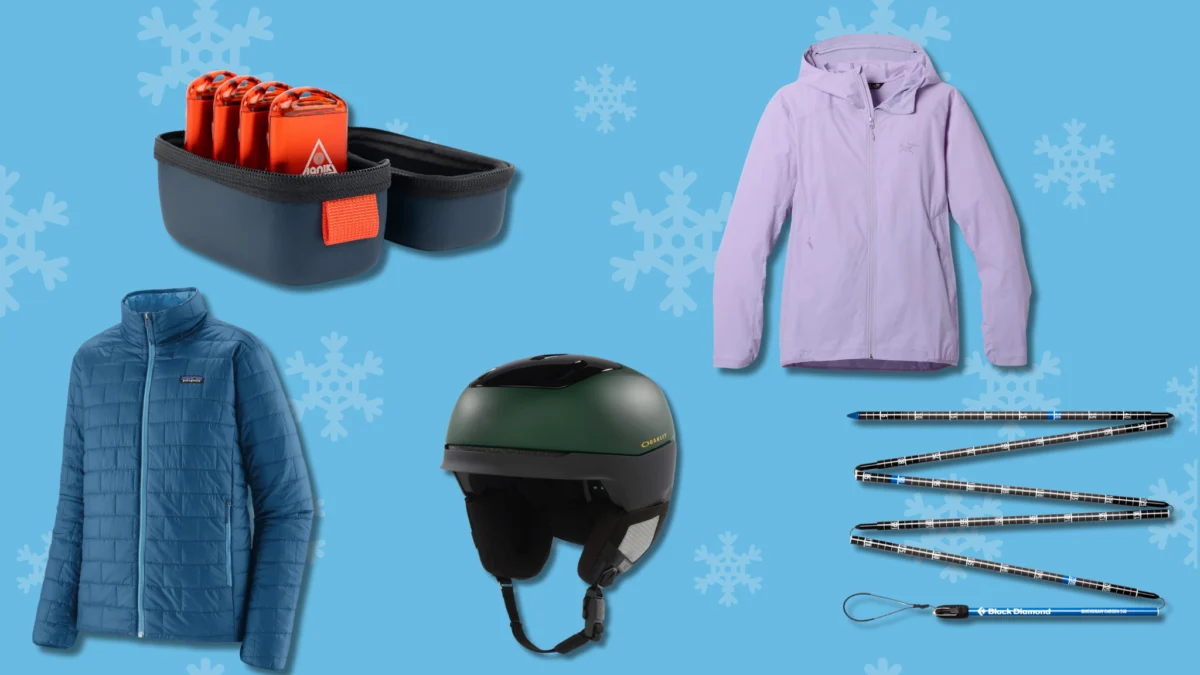
The traditional transition from the warmth of summer to the preparation for winter has arrived with significant momentum as major outdoor retailers launch aggressive Labor Day sales to clear out remaining previous-season inventory. With early snowfall already recorded on several high-altitude peaks across the Rocky Mountains and the Pacific Northwest, the seasonal shift for the skiing community has begun earlier than usual, prompting a surge in consumer interest for technical apparel and safety equipment. Industry analysts note that this period represents the most advantageous window for enthusiasts to acquire premium gear at a fraction of mid-season prices, with discounts often exceeding 50 percent on top-tier brands including Patagonia, Arc’teryx, and Oakley.
The Strategic Cycle of Seasonal Retail Inventory
The timing of these discounts is not incidental but part of a calculated logistical cycle within the outdoor retail sector. As the fiscal third quarter begins, retailers such as Evo and REI must navigate the "inventory carryover" challenge. Storing bulky winter equipment—such as insulated jackets, helmets, and backcountry safety gear—through the summer months incurs significant warehousing costs. By slashing prices during the Labor Day window, retailers can liquidate existing stock to make physical and financial room for the 2026-2027 product lines expected to arrive in late September and October.
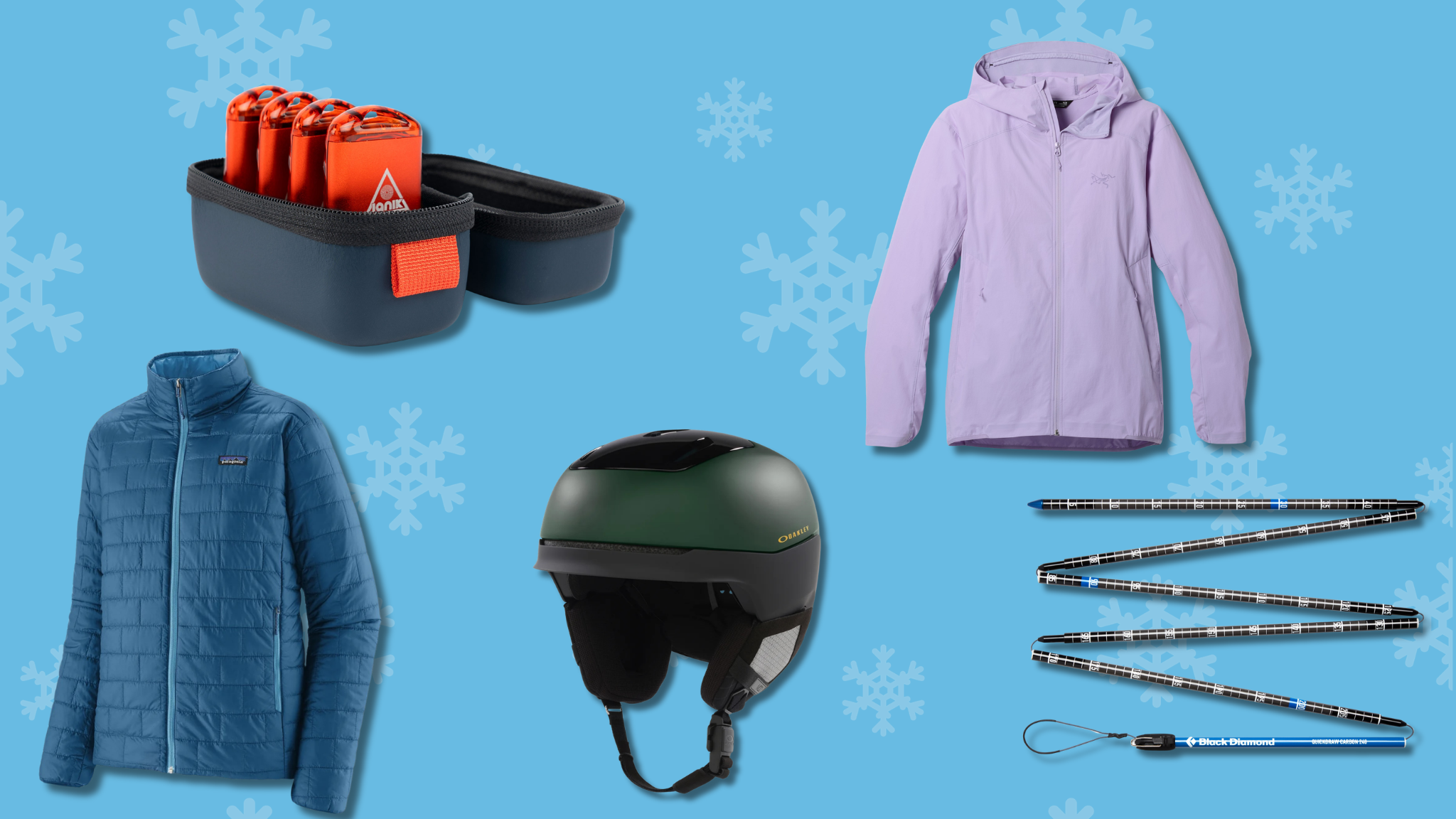
This year, the urgency to clear shelves is compounded by a stabilizing supply chain. Following the disruptions of previous years, inventory levels have reached a point of saturation, leading to deeper-than-average discounts on highly sought-after technical pieces. For the consumer, this creates a rare opportunity to purchase professional-grade equipment that features nearly identical technology to the upcoming season’s releases, often only differing in colorways or minor aesthetic updates.
Advancements in Protective Headwear: The Oakley Mod 5
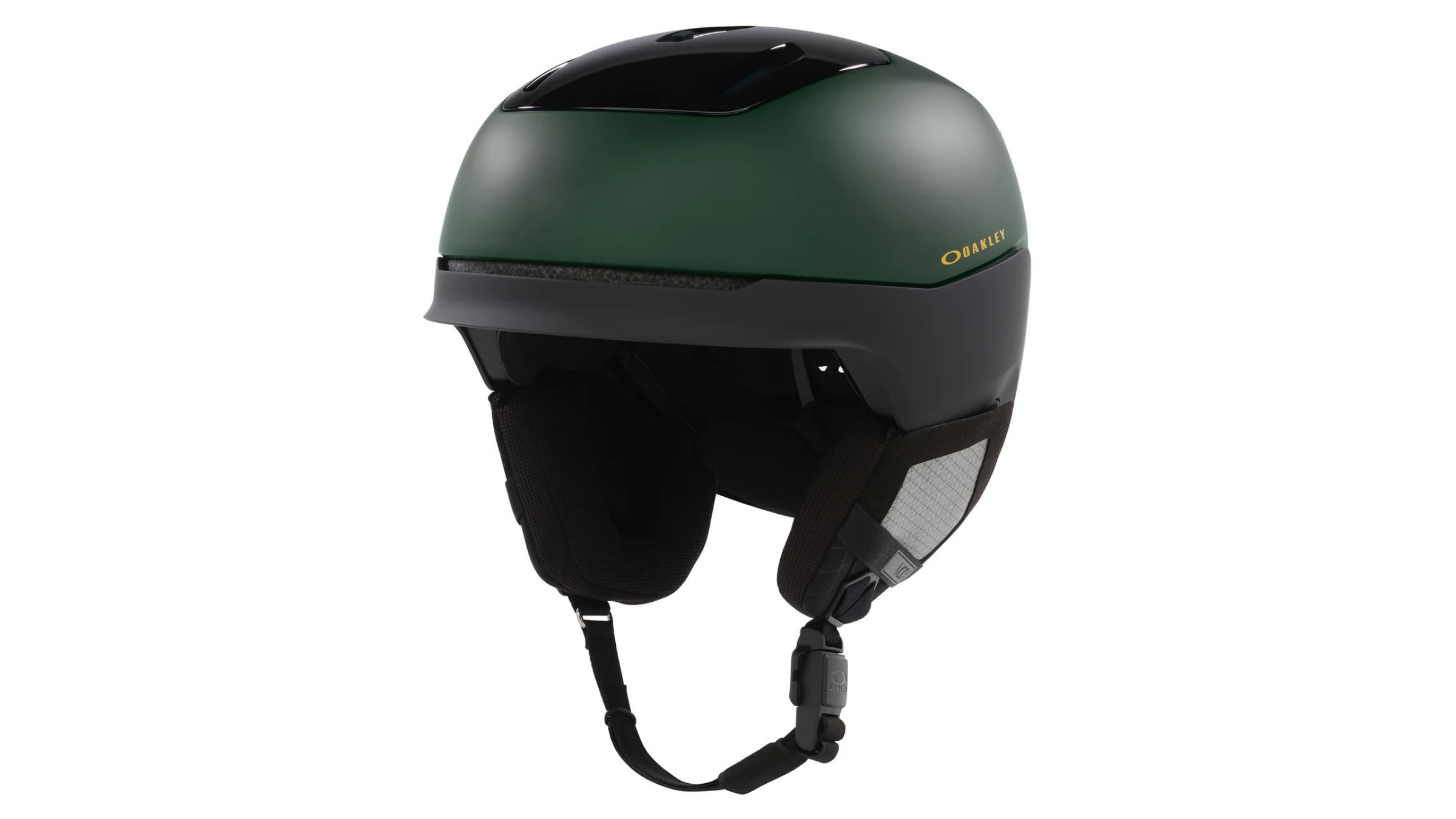
One of the primary highlights of the current clearance cycle is the Oakley Mod 5 helmet, which has seen price reductions starting at $135 at major outlets like Evo. The Mod 5 represents a significant benchmark in snow sports safety, integrating MIPS (Multi-directional Impact Protection System) technology, which is designed to reduce rotational forces during certain angled impacts.
Beyond safety, the Mod 5 is frequently cited by industry experts for its hybrid shell construction, which offers a balance between the durability of a hard shell and the weight savings of an in-mold design. The inclusion of the BOA 360 fit system allows for precise adjustments, ensuring the helmet remains secure across various head shapes—a critical factor in both comfort and safety. The current sale includes various colorways, with specific models reaching 50 percent off, reflecting a broader trend where high-end safety equipment is becoming more accessible to the recreational skier.
The Evolution of Midlayers and Synthetic Insulation
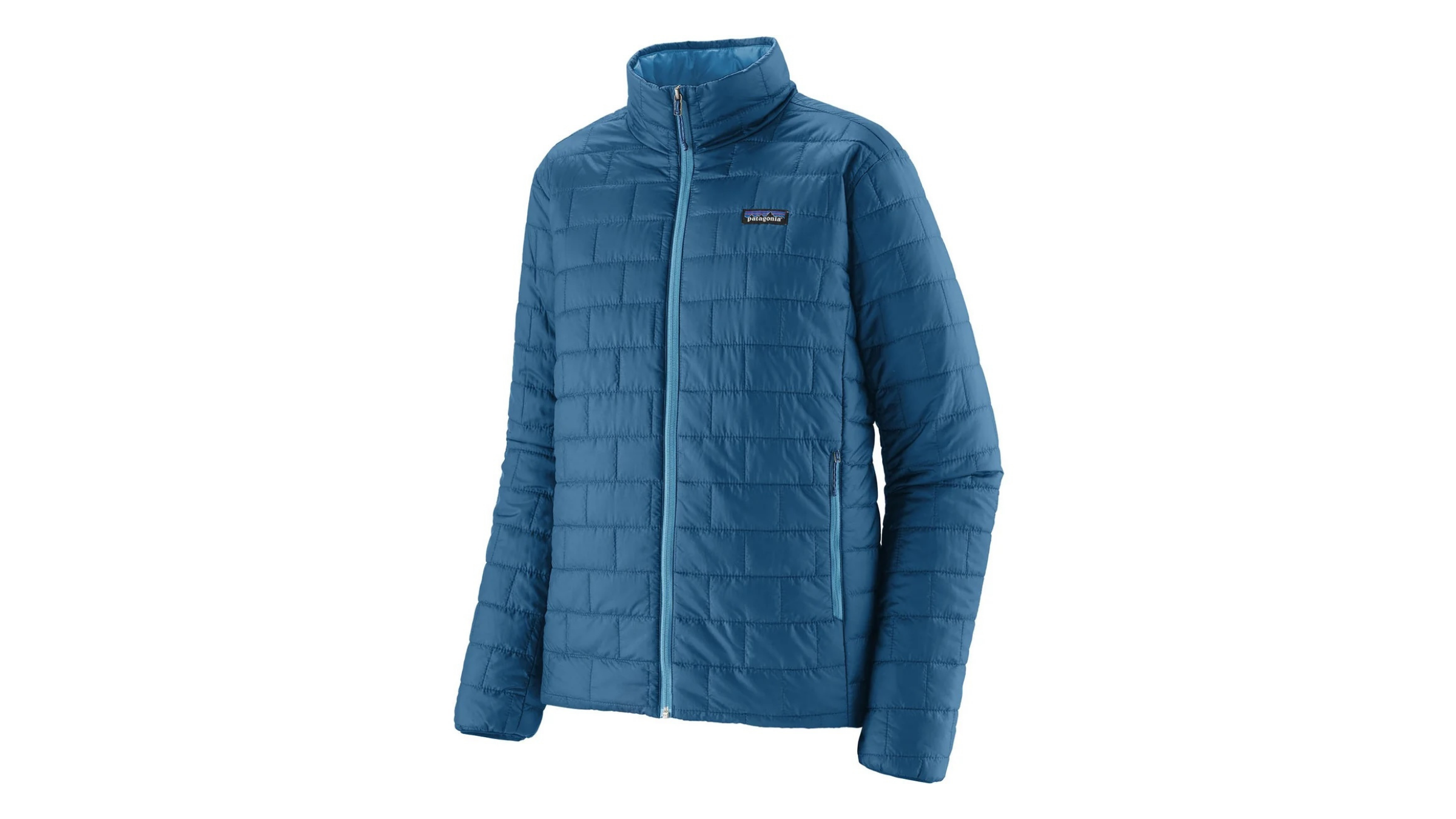
The Labor Day sales also feature staples of the "layering system," most notably the Patagonia Nano Puff Jacket. Retailing for approximately $160 during this period, the Nano Puff serves as a case study in the outdoor industry’s shift toward sustainable performance. The jacket utilizes 60-gram PrimaLoft Gold Insulation Eco, which is composed of 100 percent postconsumer recycled polyester.
Synthetic insulation has seen a resurgence in popularity over traditional down due to its performance in damp conditions. Unlike down, which loses its loft and insulating properties when wet, synthetic fibers like those found in the Nano Puff maintain thermal efficiency even when exposed to moisture from snow or perspiration. This technical advantage, combined with the jacket’s ability to compress into its own internal chest pocket, has solidified its status as a foundational piece for both resort and backcountry skiing.
Similarly, the North Face Retro Denali Jacket, currently priced at $100 for select colors, highlights the enduring demand for high-loft fleece. While the Denali has become a lifestyle icon, its technical roots remain in its recycled polyester fleece construction and reinforced overlays, designed to withstand the abrasion of backpack straps and harsh mountain environments.
Specialized Outerwear and the Growing Women’s Market
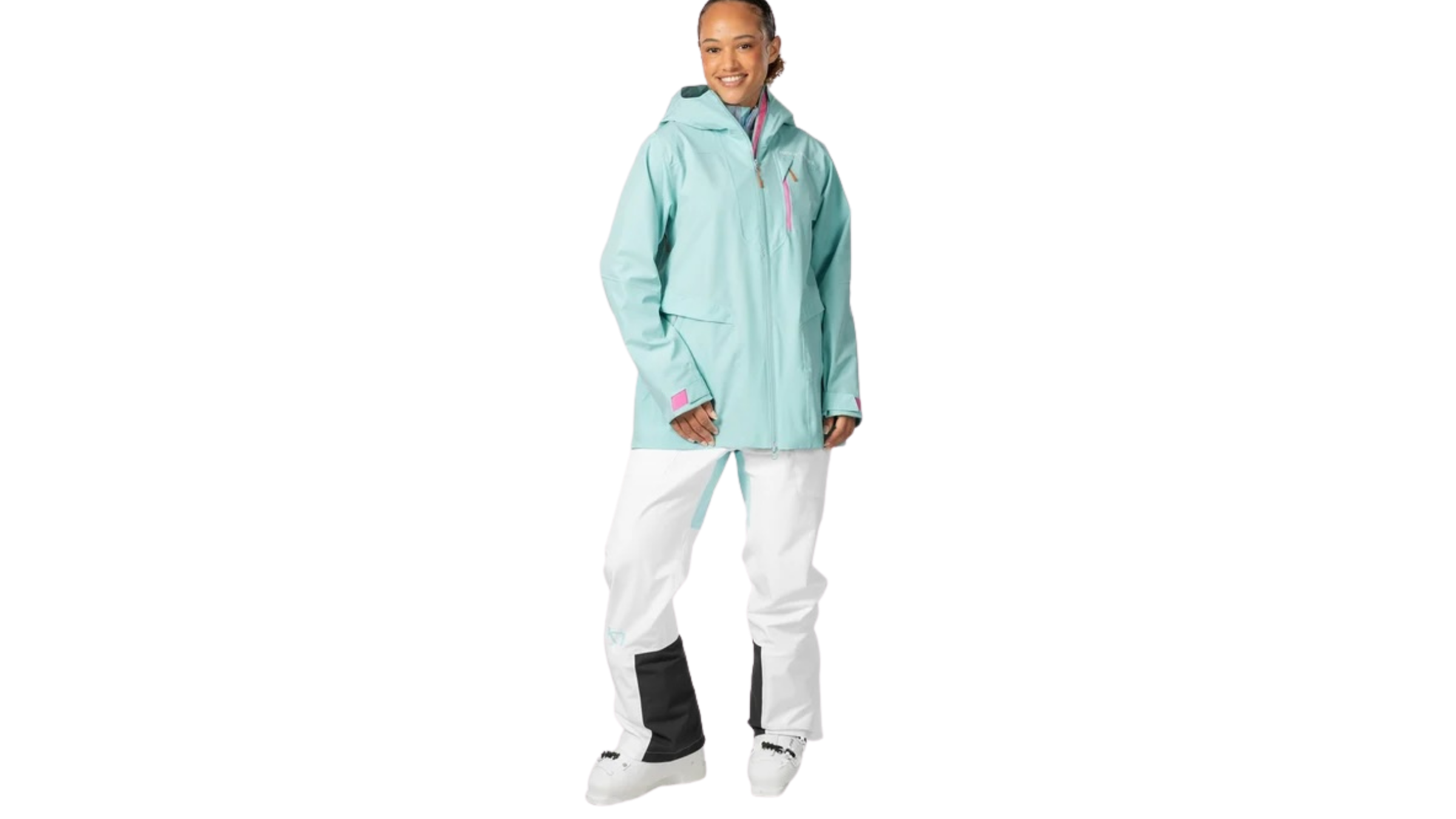
The outdoor industry has faced criticism in the past for "shrink it and pink it" mentalities—offering women’s gear that was merely a smaller, less technical version of men’s products. However, the current market reflects a sophisticated shift toward gender-specific engineering. The Kari Traa Johanne Jacket, now discounted to $209, exemplifies this evolution. Kari Traa, a Norwegian brand founded by the Olympic medalist of the same name, focuses exclusively on the female anatomy and specific thermoregulation needs.
The Johanne Jacket features a waterproof-breathable two-layer shell paired with PrimaLoft insulation, specifically tailored for women who tend to run colder on the slopes. Technical features such as the removable powder skirt and helmet-compatible hood are standard, but the ergonomic fit is designed to provide a full range of motion without the bulk associated with unisex designs. The accompanying Johanne bibs are also seeing significant price drops, allowing consumers to assemble a complete technical kit for under $400—a price point rarely seen during the peak winter months.
Technical Versatility: The Arc’teryx Gamma Series
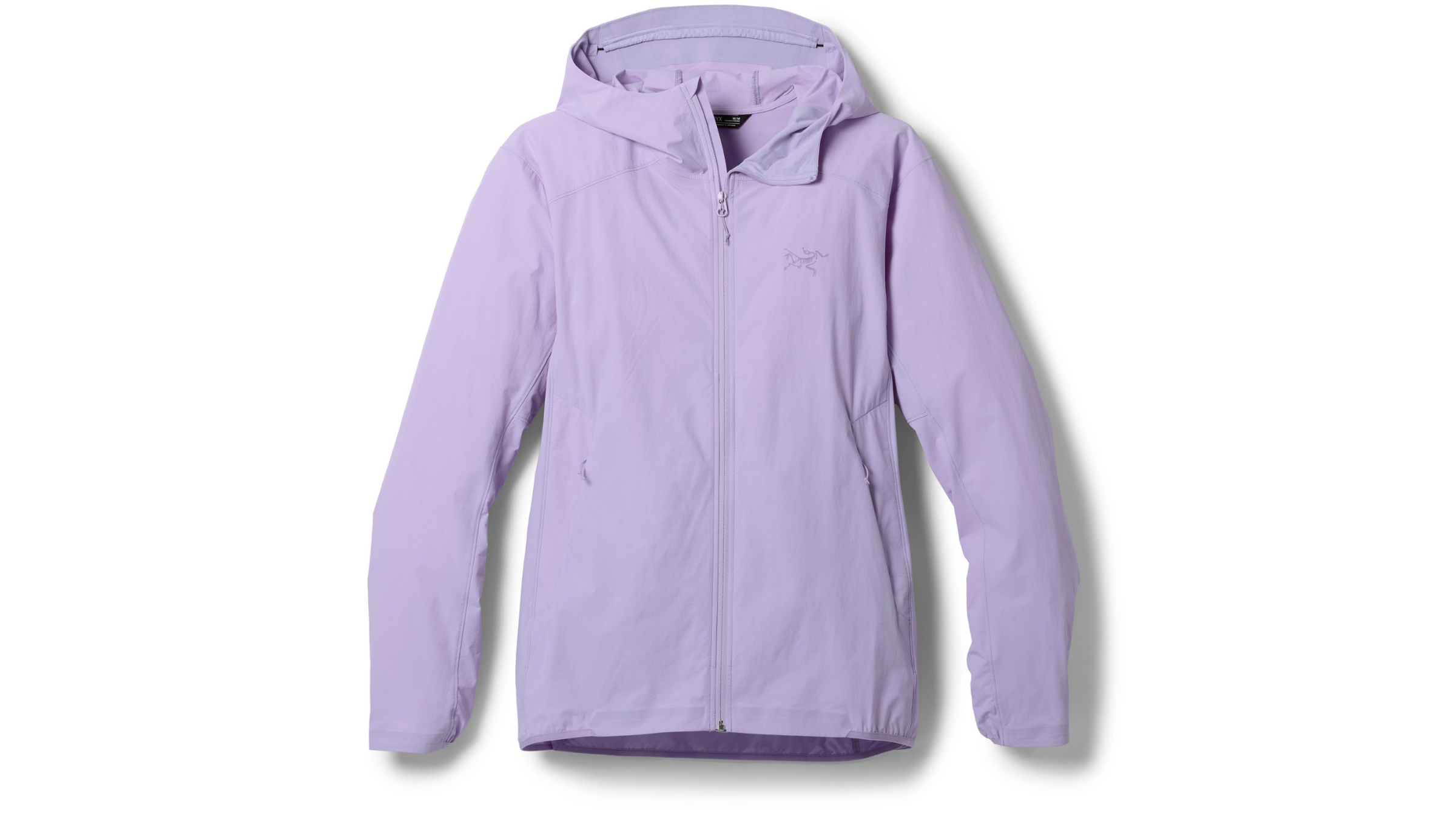
Arc’teryx continues to maintain a dominant position in the "softshell" category with its Gamma Lightweight Hoody. While Arc’teryx rarely sees the same level of discounting as other brands due to high demand and strict MAP (Minimum Advertised Price) policies, the current Labor Day sales at REI have seen the women’s Gamma Hoody drop to $183.
The Gamma series is defined by its versatility. Utilizing Fortius DW 1.0 fabric, the jacket offers a high degree of wind resistance and breathability, making it ideal for high-output activities like ski touring or spring skiing. The inclusion of a UPF 50+ rating and a DWR (Durable Water Repellent) finish ensures that the garment functions across multiple seasons, providing a higher return on investment for the consumer.
Safety and Technology in the Backcountry
As interest in backcountry skiing and "uphill" resort skinning continues to grow, the demand for avalanche safety gear has reached new heights. The Black Diamond Quickdraw Carbon Probe 240, currently available for $75, represents the high end of safety tech. Weighing only 12.5 ounces, the carbon fiber construction reduces the "weight penalty" for backcountry travelers while maintaining the rigidity necessary to penetrate dense avalanche debris.
The 25 percent discount on such critical safety equipment is particularly notable. Industry safety advocates emphasize that while gear is no substitute for avalanche education, having lightweight, reliable tools like the Quickdraw probe can significantly reduce response times during emergency scenarios. The probe’s "cord pull" deployment system allows for near-instant assembly, a feature that has become the industry standard for professional rescuers and guides.
Enhancing Comfort Through Rechargeable Solutions
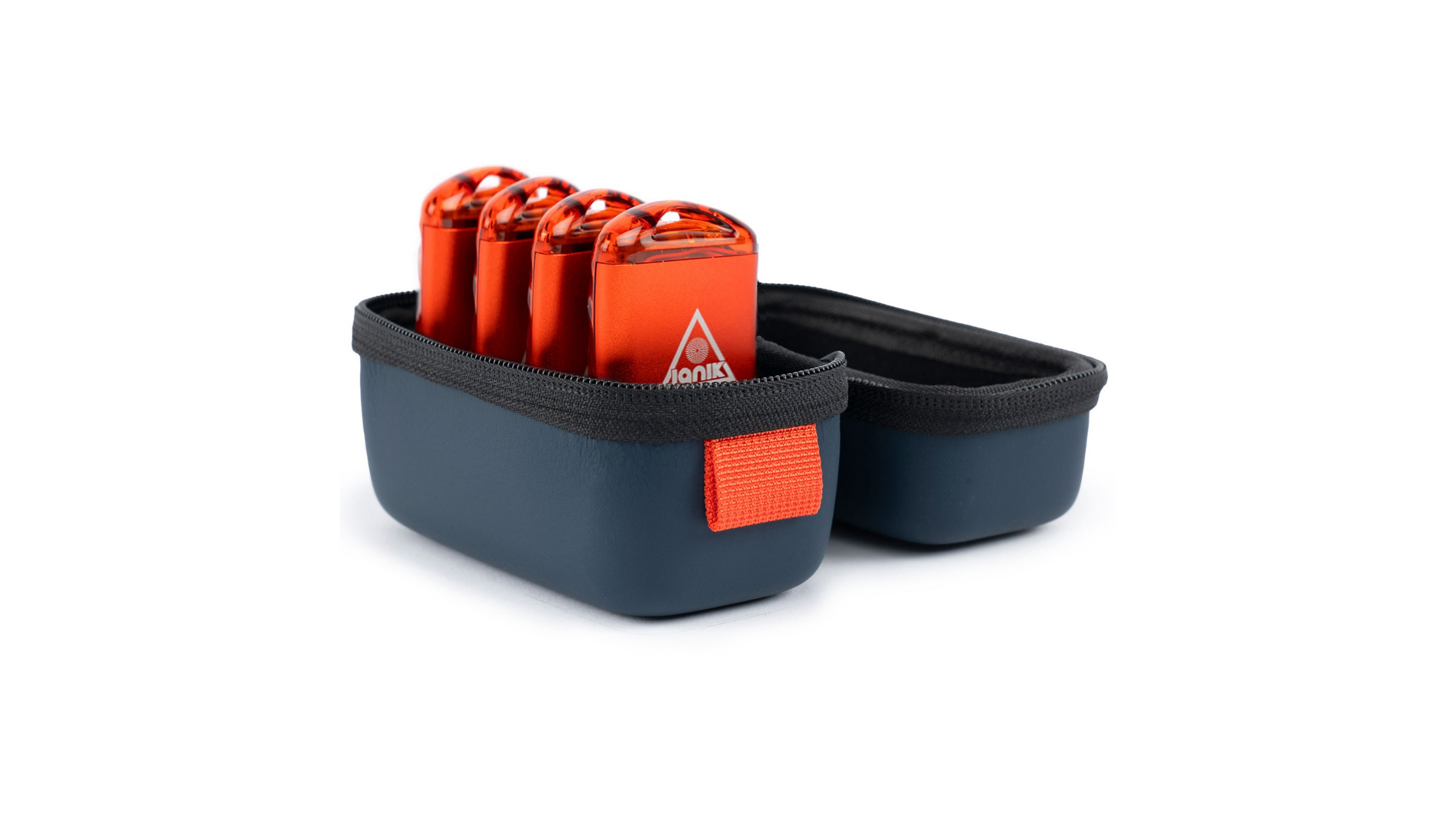
A final trend observed in the 2026 sales cycle is the move away from single-use products toward sustainable technology. The Ignik Ripple Rechargeable Hand Warmers, priced at $97 for a four-pack, reflect a growing consumer fatigue with disposable chemical heat packs. These units provide up to 12 hours of heat and can reach temperatures of 122°F. By offering a USB-C rechargeable solution, brands like Ignik are addressing both environmental concerns and the long-term cost-effectiveness of staying warm in sub-zero temperatures.
Market Implications and Economic Outlook
The aggressive nature of these Labor Day sales suggests a complex economic landscape for the 2026-2027 season. While the outdoor industry saw a massive boom in participation following 2020, recent data from the Outdoor Industry Association (OIA) suggests that while participation remains high, consumer spending is becoming more calculated.
"We are seeing a more ‘value-conscious’ outdoor consumer," says Mark Sullivan, a retail analyst specializing in the sporting goods sector. "Skiers are still willing to pay for quality, but they are increasingly waiting for these strategic sale windows to upgrade their kits. For retailers, the challenge is managing margins while ensuring they aren’t left with ‘dead stock’ as the new season’s innovations arrive."
Furthermore, the focus on sustainable materials—recycled synthetics, PFC-free DWR coatings, and rechargeable electronics—is no longer a niche marketing point but a baseline requirement for major brands. The discounts seen this Labor Day allow consumers to transition to these more environmentally friendly options at a lower barrier to entry.
Conclusion: Preparing for the First Chair
As the Labor Day weekend concludes, the focus of the ski industry will shift from liquidation to activation. Resorts across North America are beginning to announce projected opening dates, with some high-altitude destinations aiming for late October. For the prepared skier, the current sales offer a final opportunity to address gear deficiencies before the premium pricing of the winter season takes effect.
The combination of deep discounts on safety technology, sustainable insulation, and gender-specific technical wear indicates that the 2026 season will be one of high accessibility. While the end of summer is often viewed with nostalgia, the arrival of these deals serves as a functional reminder that the first chair of the season is only weeks away. Consumers are encouraged to finalize their gear assessments immediately, as the most popular sizes and high-performance colorways in the Patagonia, Arc’teryx, and Oakley lines are expected to sell out before the first major storm cycle of autumn.
