

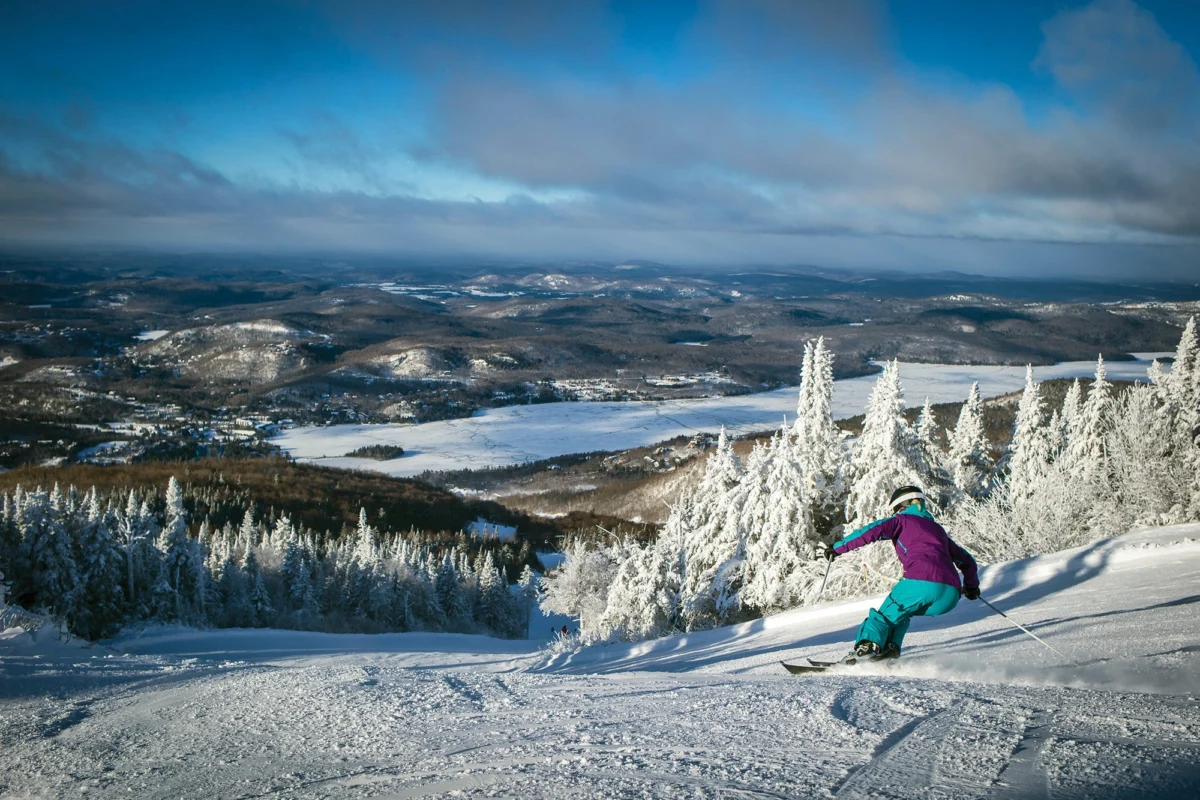
The landscape of North American ski resorts is undergoing a significant transformation, driven by substantial capital investments from major operators like Alterra Mountain Company. For the upcoming 2026-27 winter season, Alterra, parent company of the Ikon Pass, is injecting more than $350 million into its portfolio of North American ski destinations. While new lifts and expanded terrain often capture immediate attention, a considerable portion of this investment is strategically directed towards less visible yet profoundly impactful areas such as advanced snowmaking capabilities, foundational infrastructure upgrades, and dedicated beginner zones. These behind-the-scenes enhancements are crucial for ensuring operational reliability, extending the ski season, improving sustainability, and ultimately enriching the overall visitor experience amidst evolving environmental conditions and growing demand.
A Strategic Investment in the Future of Skiing
The substantial outlay by Alterra Mountain Company reflects a broader industry trend where resort operators are proactively addressing challenges such as climate variability, increasing skier expectations, and the necessity of attracting new participants to the sport. These investments are not merely about adding more capacity but about building resilience, enhancing operational efficiency, and curating diverse experiences that cater to a wide spectrum of skiers and snowboarders, from first-timers to seasoned veterans. Industry analysts note that such capital deployment is critical for maintaining market competitiveness, particularly in a landscape dominated by multi-resort pass products like the Ikon Pass and its rival, the Epic Pass. The focus on foundational elements underscores a long-term vision for sustainable growth and a commitment to delivering consistent, high-quality mountain experiences regardless of natural snowfall patterns.
Tremblant’s Ambitious Expansion and Foundational Growth
Mont Tremblant, a cornerstone of Quebec’s ski industry and a key Ikon Pass destination, is embarking on its most ambitious terrain expansion in approximately two decades. This multi-phase project represents a significant step in a long-term master plan for the resort, which will eventually introduce 62 acres of new skiable terrain, eight additional trails, and a new high-speed chairlift. This expansion is strategically aimed at enhancing Tremblant’s appeal and capacity, solidifying its position as a premier ski destination in Eastern North America, drawing significant international and cross-border traffic.
While the full unveiling of the new Timber Summit area is slated for the 2027-28 season, skiers can anticipate a substantial increase in hourly lift capacity, projected to rise by an additional 10 percent upon completion. This will mark Tremblant’s most significant terrain addition since the opening of Versant Soleil in the early 2000s. The total investment for this phase of the expansion is approximately $42.5 million CAD, encompassing not only the new lifts and trails but also extensive groundwork, environmental impact assessments, and supporting infrastructure. Resort management emphasizes that this expansion is designed to integrate seamlessly with the existing mountain layout, enhancing flow and reducing potential congestion at key access points.
For the immediate 2026-27 season, Tremblant is introducing a dedicated learning area at the base of Versant Soleil, adjacent to the Casino Express Gondola. This innovative zone is specifically designed for beginner skiers and snowboarders, offering gentle slopes and specialized infrastructure tailored for learning and progression. The creation of a separate, less intimidating environment for first-timers addresses a critical industry challenge: retaining new participants. By providing a comfortable and dedicated space, Tremblant aims to foster confidence and enjoyment in new skiers, encouraging them to return. This strategic focus on entry-level experiences is particularly vital for a resort like Tremblant, which attracts a substantial number of new skiers and families, many of whom are destination visitors from the U.S. and other parts of Canada. Industry data suggests that a positive initial experience significantly increases the likelihood of long-term engagement with snow sports, making this investment a crucial component of future market growth.
Deer Valley’s Continuous Evolution: Expanded Excellence Continues
Deer Valley Resort in Utah continues its rapid evolution, driven by the "Expanded Excellence" project, a multi-year initiative that has already added thousands of acres of terrain and established the new East Village base area. For the 2026-27 season, Alterra is further enhancing Deer Valley’s offerings with an additional 200 skiable acres and seven new runs. These latest additions will bring Deer Valley’s total skiable terrain to an impressive 4,500 acres, serviced by 32 chairlifts. This represents a remarkable transformation for a resort renowned for its meticulously groomed slopes and upscale guest experience.
The centerpiece of this season’s expansion is the new Hail Peak Express, a state-of-the-art lift designed to access a family-friendly pod of terrain. This area will feature various snow elements such as rollers, berms, and gentle ski-cross-style elements, specifically crafted to provide a fun and confidence-building environment for younger and beginner skiers. The design philosophy behind Hail Peak Express aligns with Deer Valley’s commitment to delivering a premium, tailored experience for all skill levels, ensuring that even the newest skiers can enjoy diverse and engaging terrain.
This ongoing expansion at Deer Valley is part of a broader vision to significantly increase the resort’s capacity and diversify its offerings while maintaining its distinct luxury brand identity. The "Expanded Excellence" project, which commenced several years prior, has been meticulously planned to integrate new terrain and facilities in a manner that preserves the resort’s famed uncrowded slopes and exceptional guest services. Local officials and tourism bodies have lauded the project for its economic stimulus, including job creation and increased visitor spending within the Park City region. Deer Valley’s continued growth is also strategically positioned to accommodate the increasing demand from Ikon Pass holders, making an already popular destination even more appealing and accessible.
Critical Investments in Snowmaking Infrastructure
While terrain expansions often grab headlines, some of Alterra’s most significant and forward-thinking investments for the 2026-27 season are focused on enhancing snowmaking capabilities. These crucial upgrades, often occurring beneath the surface within pump houses and along trails, are fundamental to extending the ski season, ensuring early-season openings, and providing reliable snow coverage in an era of unpredictable natural snowfall. The ability to make snow efficiently and effectively is increasingly recognized as a cornerstone of modern resort operations, influencing everything from guest satisfaction to financial viability.

At Solitude Mountain Resort in Utah, Alterra is continuing a multi-year initiative to modernize and expand its snowmaking infrastructure. This season’s improvements include the addition of both fixed and mobile snow guns, along with comprehensive system-wide enhancements designed to increase both coverage area and overall snow production capacity. This builds upon over $5 million previously invested in snowmaking upgrades at Solitude last season, demonstrating a sustained commitment to ensuring consistent conditions. These upgrades involve more efficient pump systems, upgraded pipelines, and advanced automation, allowing for more precise and opportunistic snow production during optimal weather windows.
Deer Valley is also benefiting from a major snowmaking enhancement with the construction of a new 10-million-gallon reservoir. This substantial water storage facility will work in conjunction with the existing Summit Pump House to significantly expand snowmaking coverage across the resort. A key environmental consideration in this project is the resort’s commitment to water conservation: Deer Valley estimates that 80 to 90 percent of the water used for snowmaking will be returned to its source, either the Jordanelle Reservoir or the Provo River, by spring. This closed-loop system highlights an increasing industry focus on sustainable resource management and minimizing environmental impact.
Winter Park Resort in Colorado is similarly engaged in a multi-year effort to rebuild its snowmaking system from the ground up. The 2026-27 season will see the deployment of new automated fan guns and mobile guns, specifically targeted at increasing early-season snowmaking capacity. Notably, this will double capacity on Lower Hughes, a critical early-season trail, while simultaneously improving water-use efficiency across the system. These technological advancements not only allow resorts to open more terrain earlier but also reduce energy consumption and operational costs in the long run. Resort operations teams emphasize that these improvements provide greater flexibility in responding to fluctuating weather patterns, ensuring a more consistent and enjoyable experience for skiers.
These investments in snowmaking, though less glamorous than new lifts, are increasingly pivotal. As climate models predict shorter and more variable natural snow seasons, reliable and efficient snowmaking becomes a non-negotiable component of a viable ski resort business model. They provide a critical buffer against erratic weather, guaranteeing a certain level of operational consistency that skiers have come to expect and demand, especially those traveling from afar.
Enhanced Guest Services and Operational Refinements
Beyond major terrain and snowmaking projects, Alterra’s $350 million investment also includes a range of upgrades aimed at directly enhancing the guest experience across its portfolio. These improvements reflect a holistic approach to resort management, recognizing that the overall visitor journey encompasses more than just skiing or snowboarding.
While specific details for each resort vary, these enhancements typically include:
- New and Upgraded Dining Facilities: Investments are being made to expand capacity, introduce new culinary concepts, and modernize existing restaurants and cafeterias. This could range from new on-mountain eateries to expanded base-area dining options, designed to improve efficiency, reduce wait times, and offer diverse menu choices catering to various tastes and dietary needs.
- Heli Lodge Facelifts: Certain resorts featuring heli-skiing or specialized backcountry operations are receiving upgrades to their lodges. These "facelifts" often involve modernizing interiors, improving lounge areas, enhancing check-in processes, and upgrading equipment storage, all aimed at elevating the comfort and functionality for guests embarking on specialized adventures.
- Terrain Park Upgrades: To cater to the growing demographic of freestyle skiers and snowboarders, several resorts are seeing significant investments in their terrain parks. These upgrades can include new feature designs, improved jump lines, enhanced grooming equipment for park maintenance, and expanded areas for progression, ensuring a fresh and exciting experience for park enthusiasts.
- Operational Technology and Digital Infrastructure: Many investments also flow into behind-the-scenes technological improvements, such as upgraded Wi-Fi across base areas, enhanced mobile apps for real-time resort information, and more efficient ticketing and rental systems. These digital advancements streamline processes, improve communication, and enhance the overall convenience for guests.
- Transportation Improvements: To ease congestion and improve access, some resorts are investing in upgraded shuttle services, expanded parking facilities, or improvements to existing base area layouts to facilitate smoother movement of guests.
These diverse enhancements collectively aim to elevate every touchpoint of the guest experience, from arrival to departure. Alterra’s strategy here underscores a commitment to providing a comprehensive, high-quality vacation experience, recognizing that small details often contribute significantly to overall satisfaction and repeat visitation.
The Broader Implications: A Long-Term Vision for the Ski Industry
Alterra Mountain Company’s $350 million capital investment for the 2026-27 season is not merely a collection of individual projects but a cohesive strategy reflecting a profound understanding of the evolving ski industry. The most telling aspect of this spending spree is the significant allocation of funds to less glamorous but critically important infrastructure, particularly snowmaking and beginner facilities. This demonstrates a strategic pivot towards operational resilience and sustainable growth, rather than solely focusing on immediate gratification through flashy new terrain or luxury amenities.
In an era where climate change presents an undeniable challenge to winter sports, reliable snowmaking has transitioned from a supplementary luxury to an essential operational necessity. By investing heavily in state-of-the-art, water-efficient snowmaking systems, Alterra is actively mitigating the risks associated with unpredictable natural snowfall, ensuring consistent conditions and extended seasons. This commitment not only safeguards existing operations but also enhances the perceived value and reliability of the Ikon Pass, a crucial element in attracting and retaining a loyal customer base.
Furthermore, the emphasis on dedicated beginner areas, as seen at Tremblant and Deer Valley, addresses a fundamental industry concern: the pipeline of new skiers. Attracting and retaining newcomers is vital for the long-term health and growth of snow sports. By creating welcoming, unintimidating, and effective learning environments, Alterra is investing in the future generation of skiers and snowboarders, ensuring the sport remains vibrant and accessible.
This comprehensive investment strategy also positions Alterra Mountain Company robustly against competitors. By continuously upgrading infrastructure, expanding terrain thoughtfully, and enhancing the guest experience across its diverse portfolio, Alterra aims to solidify its market leadership. Industry experts view such substantial capital deployment as a robust vote of confidence in the future of destination skiing, signaling a proactive approach to evolving market demands and environmental realities. The economic ripple effect of these investments extends beyond the resorts themselves, supporting local communities through job creation, increased tourism revenue, and regional development. As the ski industry navigates a complex future, Alterra’s holistic and strategic investments underscore a commitment to both immediate operational excellence and long-term resilience, setting a benchmark for sustainable mountain resort development.
