

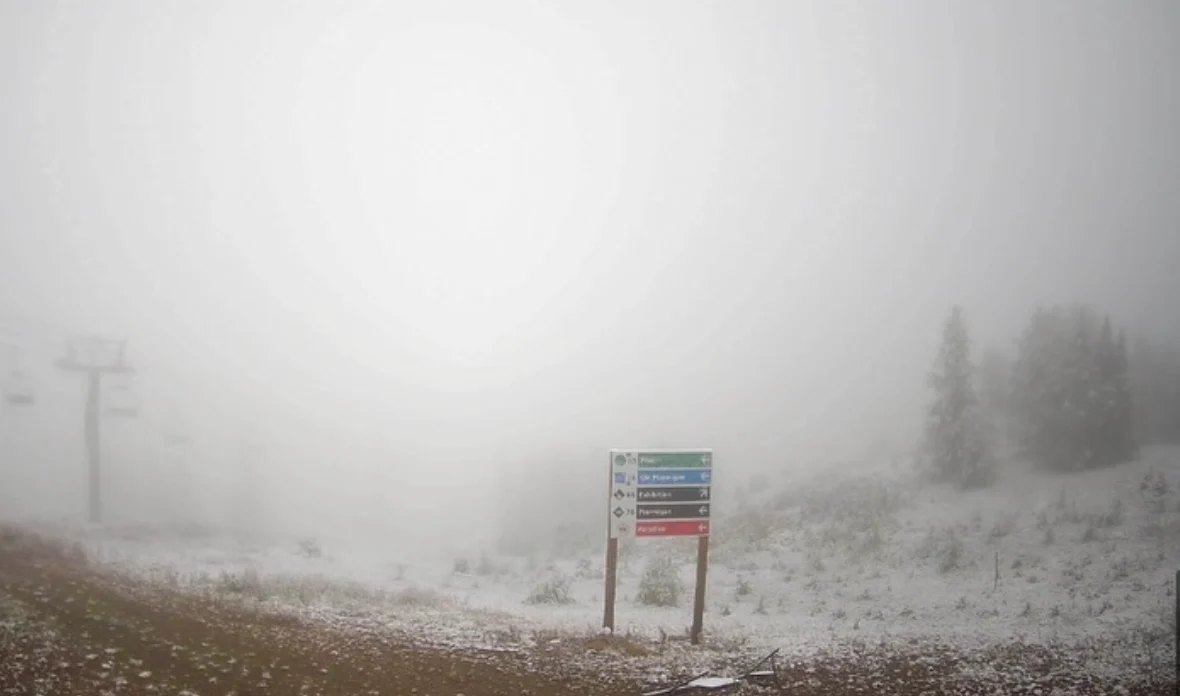
While this initial snowfall is largely ephemeral, expected to recede as late-summer temperatures climb above freezing, its symbolic value is immense. For resorts and skiers alike, it marks the unofficial commencement of the countdown to chairlifts spinning and slopes being carved. The sight of snow-capped peaks in August, even if temporary, acts as a powerful psychological trigger, signaling the end of the off-season and redirecting focus towards the snow-covered landscapes that define winter recreation.
Early Season Snowfall Across Key Destinations
Several resorts across Western North America reported measurable snow, with some showcasing truly picturesque winter scenes captured via webcams and social media channels. These isolated events, while not indicative of a full winter pattern, provide valuable insights into regional weather dynamics and fuel the collective excitement for the upcoming ski season.
Banff Sunshine Village, Alberta: An Alpine Awakening
Banff Sunshine Village, nestled high within Alberta’s iconic Banff National Park, experienced its first substantial winter preview on Sunday, August 30, 2026. Snowfall graced the resort’s upper elevations, transforming its rugged terrain into a pristine white landscape. Reaching nearly 9,000 feet at its summit, Sunshine Village is renowned for its high altitude and correspondingly long ski season, often extending well into May. While summer snow is not an entirely unprecedented phenomenon at such elevations in the Canadian Rockies, the timing and visual impact of this particular dusting garnered significant attention. Social media feeds from the resort quickly filled with stunning images, showcasing snow-dusted ridges and bowls, a stark contrast to the verdant valleys below. This early blanketing, though temporary, serves as a powerful reminder of the resort’s commitment to an extended season, typically opening in early November and often boasting some of the earliest and latest lift operations in North America. The resort’s unique position within a national park also means its microclimate is particularly sensitive to atmospheric shifts, often receiving colder temperatures and more precipitation than surrounding areas.
Crystal Mountain, Washington: First U.S. Resort to See Flakes
Setting an early precedent for the 2026-27 season, Crystal Mountain in Washington state reportedly received its first snow ahead of many of its Canadian counterparts. The high alpine regions of the resort, including terrain around Northway, Mountain Top, Chair 6, and its 7,012-foot Silver King Peak, were dusted over the weekend. The accumulation was sufficient to produce compelling photographs that undeniably evoked a mid-winter ambiance. This early snowfall grants Crystal Mountain the distinction of being the first U.S. destination to report snow for the upcoming season, a bragging right that resonates within the competitive ski industry. While Crystal Mountain’s official opening typically targets December, this early sign of winter generates considerable buzz among the Pacific Northwest’s avid skiing and snowboarding community. The maritime climate of the Cascade Range often brings significant precipitation, and while a late-August dusting is rare, it highlights the region’s potential for robust winter conditions.
Lake Louise Ski Resort, Alberta: A Rocky Mountain Glimmer
Lake Louise, another jewel of the Canadian Rockies and a neighbor to Banff Sunshine, also participated in the early-season snow events on Sunday. Its upper mountain areas received a visible dusting, creating a striking contrast against the deep blues of Lake Louise itself and the surrounding mountain ranges. Similar to Sunshine Village, Lake Louise’s high elevation ensures that it is no stranger to receiving snowfall even while summer holds sway in lower altitudes. The timing of this early snow is particularly poignant for skiers eager for turns, as Lake Louise typically aims for an early-November opening. This initial white blanket serves as a potent reminder that the ski season is, indeed, drawing nearer, even as the landscape below the tree line still enjoys the warmth of late summer. Lake Louise is renowned globally for its picturesque scenery and challenging terrain, and any early indication of winter conditions only amplifies its allure.
Kicking Horse Mountain Resort, British Columbia: Purcell Powder Tease
Not to be outdone by its Albertan neighbors, Kicking Horse Mountain Resort in Golden, British Columbia, woke up to snow in its high alpine on Sunday. Several centimeters of accumulation were reported around the iconic Eagle’s Eye restaurant, situated at approximately 7,700 feet. The resort playfully announced on its social media channels, "First snow has entered the chat," a clear nod to the excitement building among its fan base, though quickly followed by a reminder that there were still plenty of bike laps to be enjoyed before winter truly settles in. While much of this early snow melted as temperatures subsequently warmed, the visual transformation of Kicking Horse’s upper mountain into a winter wonderland in August was sufficient to ignite the fervor of powder hounds who cherish its steep, challenging lines within the Purcell Mountains. The resort’s reputation for deep snow and big-mountain terrain makes any early glimpse of winter especially significant for its dedicated followers.
Panorama Mountain Resort, British Columbia: A Solid August Dusting
Panorama Mountain Resort, also located in British Columbia, potentially received one of the more substantial early-season snowfalls of the weekend. The resort reported a solid dusting on Sunday, enough to imbue its upper mountain with a legitimate mid-winter aesthetic, despite the calendar still firmly indicating August. Spanning nearly 3,000 acres and boasting over 4,600 feet of vertical descent, Panorama is a significant player in the Canadian ski landscape. Its first measurable snowfall of the season makes it a noteworthy addition to this early-season roundup. As with the other resorts, the expectation is that these initial flakes will not persist due to rising temperatures, but the photographic evidence alone provided a considerable morale boost for those longing for winter. Panorama’s diverse terrain and family-friendly atmosphere mean that early indicators of a promising snow year are particularly welcome, setting a positive tone for pre-season bookings and visitor planning.
Meteorological Context and Historical Patterns
While exciting, a late-August snow event at high elevations is not entirely unprecedented, particularly in the mountain ranges of Western North America. These occurrences are typically driven by the confluence of a strong upper-level trough bringing colder air masses southward and sufficient moisture in the atmosphere. As temperatures drop below freezing at higher altitudes, precipitation falls as snow rather than rain.
Historically, isolated early-season dustings have occurred in previous years, though their frequency and intensity can vary. For instance, data from Environment and Climate Change Canada and the National Oceanic and Atmospheric Administration (NOAA) suggest that while average first snowfall dates for lower elevations are typically in late September or October, high alpine regions can experience snow as early as August. For example, some high-altitude stations in the Canadian Rockies have recorded snowfall in August in roughly 10-15% of years over the past few decades, though often in trace amounts.
It is crucial to emphasize that these early snow events are rarely reliable indicators of the overall winter season’s severity or total snowfall. Meteorological experts often caution against drawing long-term conclusions from isolated early-season phenomena. Forecasts for the full 2026-27 winter season, such as those provided by the Farmers’ Almanac or NOAA’s Climate Prediction Center, rely on much broader climate patterns like El Niño or La Niña, ocean temperatures, and atmospheric oscillations, rather than a single early dusting. For instance, the original article alluded to the Farmers’ Almanac forecast for Winter 2026-27, which would typically provide a more comprehensive, albeit speculative, outlook on temperature and precipitation trends for the entire season. These comprehensive forecasts are generally released in late summer or early fall, offering a macro perspective that stands apart from localized, transient weather events.
Industry Reactions and Skier Sentiment
The immediate reaction from ski resorts and the broader winter sports community has been overwhelmingly positive. Resort marketing teams were quick to capitalize on the visual spectacle, deploying stunning images and videos across social media platforms. These posts invariably generate high levels of engagement, fueling excitement and fostering a sense of community among skiers and snowboarders. For an industry heavily reliant on anticipation and aspirational imagery, an early snowfall provides invaluable content that resonates deeply with its target audience.
From the perspective of skiers and snowboarders, these early flakes are a psychological boon. After months of warmer weather and the absence of their beloved winter activities, the sight of snow re-energizes their passion. It shifts their focus from summer pursuits to gearing up for the upcoming season, prompting thoughts of waxing skis, checking gear, and planning trips. This collective enthusiasm can translate into tangible benefits for resorts, potentially stimulating early season pass sales, accommodation bookings, and interest in ski lessons or equipment purchases.
Industry professionals, while celebrating the visual appeal, maintain a pragmatic outlook. Resort operations teams are already deeply engaged in pre-season preparations, regardless of natural snowfall. This includes critical infrastructure maintenance, lift inspections, snowmaking system checks, and staffing recruitment and training. An early dusting might offer a morale boost and a sense of optimism, but it does not alter the rigorous timeline and extensive efforts required to prepare a mountain for opening day.
Broader Implications and Economic Outlook
The implications of an early snowfall, even a minor one, extend beyond mere aesthetics. While it may not guarantee a banner season, it can have subtle yet significant economic effects. The surge in online engagement and social media buzz can translate into increased web traffic for resort websites, potentially boosting early-bird sales for season passes, which are a critical revenue stream for many resorts. Early bookings for accommodations, particularly for peak holiday periods, might also see a slight uptick as enthusiasm builds.
Local economies in towns surrounding these resorts also benefit from this renewed sense of optimism. Businesses ranging from ski shops and restaurants to hotels and shuttle services rely heavily on a robust ski season. An early snow event, even if temporary, can inject a positive outlook into these communities, influencing inventory decisions and hiring plans. It reinforces the importance of winter tourism to these regions and underscores the deep connection between natural phenomena and economic vitality.
In the context of climate change and increasing variability in winter weather patterns, any early sign of snow is particularly welcomed. Resorts are continually investing in sophisticated snowmaking technologies and diversifying their summer offerings to mitigate the risks associated with unpredictable snowfall. While a late-August dusting does not negate the broader challenges posed by a warming climate, it provides a timely reminder of the enduring allure of winter sports and the persistent hope for abundant natural snow.
Conclusion: A Promising Prelude
As August 2026 drew to a close, the early dusting of snow across high-elevation North American ski resorts served as a potent and picturesque prelude to the upcoming 2026-27 winter season. From the U.S. Pacific Northwest to the Canadian Rockies, destinations like Crystal Mountain, Banff Sunshine Village, Lake Louise, Kicking Horse, and Panorama Mountain Resort experienced a fleeting taste of winter. While these initial flakes are largely symbolic and expected to melt, their impact on skier morale and industry anticipation is undeniable. They ignite the collective imagination, prompting thoughts of powder days and alpine adventures. As resorts continue their meticulous preparations, this early snowfall reinforces the timeless appeal of winter sports and sets a hopeful tone for what promises to be another exciting season on the slopes. The countdown to official opening days has officially begun.
