

The landscape of snowsports instruction is continuously evolving, driven by dedicated professionals seeking more effective and personalized teaching methodologies. In a significant contribution set to feature in the Fall 2025 Issue of 32 Degrees, veteran instructors J. Scott McGee and Jacob Crawford introduce a dynamic reinterpretation of the Static, Simple, Complex, Applied (SSCA) framework, originally outlined in the widely respected Teaching Snowsports Manual. This innovative approach promises to refine how instructors diagnose student movement patterns and structure progressive learning experiences, moving beyond a linear application to a more adaptive and insightful system. Their work addresses a common challenge faced by snowsports educators: discerning which specific drills and activities will yield the greatest impact on a student’s skiing or snowboarding performance, particularly when confronted with a seemingly overwhelming array of options or multiple areas for improvement.
The Foundation: PSIA-AASI and the Teaching Snowsports Manual
To fully appreciate the significance of McGee and Crawford’s proposal, it is essential to understand the bedrock of snowsports instruction in North America. The Professional Ski Instructors of America and American Association of Snowboard Instructors (PSIA-AASI) serves as the leading educational organization for snowsports instructors, setting professional standards, developing teaching methodologies, and certifying instructors across the United States. Established in 1961, PSIA-AASI has been instrumental in standardizing instruction, promoting safety, and advancing the art and science of teaching skiing and snowboarding.
Central to PSIA-AASI’s educational mission is the Teaching Snowsports Manual. This comprehensive guide, periodically updated to reflect the latest research in biomechanics, learning theory, and pedagogical practices, acts as the foundational text for instructors. It provides a structured approach to understanding student learning, movement analysis, and lesson planning. The manual’s influence extends from entry-level instructor certification to advanced coaching, ensuring a consistent and high-quality educational experience for snowsports enthusiasts nationwide. The SSCA framework, a staple within the manual, has long served as a valuable linear progression for introducing new movements to students, guiding instructors through a methodical sequence designed to build proficiency incrementally.
Understanding the Traditional SSCA Framework
The traditional SSCA model, as described on page 51 of the Teaching Snowsports Manual, delineates a four-phase process for introducing novel movement patterns. Each phase serves a distinct pedagogical purpose, systematically building upon the previous one to facilitate comprehensive learning and skill acquisition.
-
Static Phase: This initial phase introduces a new movement without any sliding on snow. The primary objective is to allow students to concentrate solely on the sensation and mechanics of the movement, free from the complexities of balancing forces inherent in motion. By isolating the movement in a stationary setting, instructors can help students develop kinesthetic awareness and begin to build muscle memory for the desired action. For example, practicing the tipping of knees to engage ski edges while standing still.
-
Simple Phase: Once the movement is understood statically, the simple phase integrates it into a controlled, low-complexity sliding environment. This typically involves a traverse, a straight run, or a single turn. The goal here is for students to gain comfort and initial proficiency with the new movement while experiencing the sensation of gliding on snow, without the added challenge of linking multiple turns or navigating varied terrain. This acts as a crucial bridge, connecting static understanding to dynamic application.
-
Complex Phase: In this phase, the newly learned movement is integrated into linked turns. This is where students begin to practice and gain ownership of the movement within a more dynamic and realistic skiing or snowboarding context. Instructors often employ specific drills designed to emphasize the fundamental principles of the movement pattern within a turning sequence, allowing students to refine their execution and adapt the movement to varying conditions.
-
Applied Phase: The final phase brings the learning experience full circle, applying the acquired skills to the student’s "normal" skiing or snowboarding in terrain that reinforces the lessons from the previous phases. This is about transferring learned skills to authentic performance situations, helping students internalize the movement and integrate it seamlessly into their overall technique, ultimately achieving their personal goals.
A Dynamic Reinterpretation: The McGee and Crawford Innovation
While the linear progression of SSCA is undeniably a potent educational tool, McGee and Crawford propose a more dynamic, non-linear application of these four phases. Their innovation lies in viewing SSCA not merely as a fixed sequence for teaching, but as versatile "lenses" through which instructors can structure both movement analysis (MA) and tailor teaching progressions specifically to the individual student’s needs. This adaptive methodology represents a significant advancement, offering instructors a sophisticated framework for diagnostic assessment and customized intervention.
Applied Phase as a Diagnostic Lens: The Initial Assessment
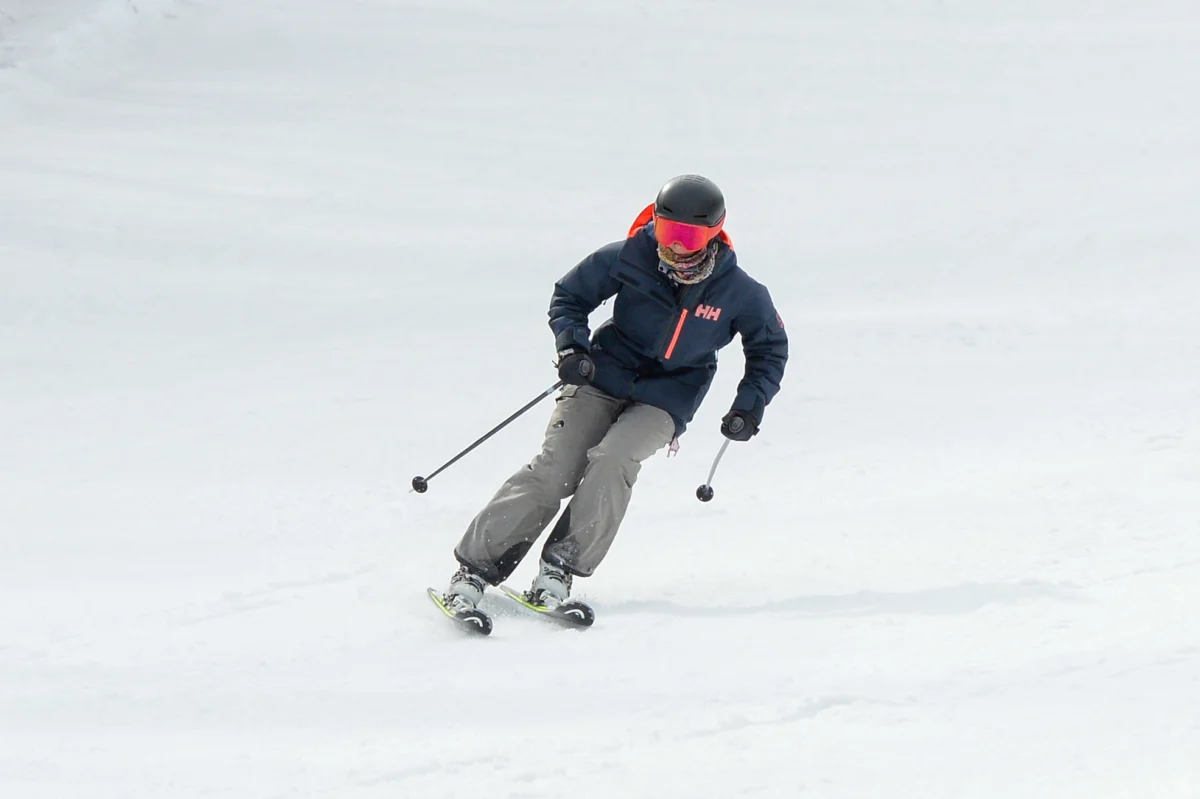
McGee and Crawford advocate for initiating movement analysis through the lens of the applied phase. This means observing students performing the turns they want to improve, in the terrain they want to ski better. Whether it’s basic parallel turns, carving, or navigating moguls, this initial observation in a natural context is paramount. It allows instructors to immediately orient their attention to movements that, if made more effective or efficient, will have the most direct and significant impact on the student’s stated goals. This approach ensures that the subsequent lesson content is directly relevant and motivating to the student, fostering a stronger connection between instruction and desired outcomes. As an added benefit, revisiting this "applied phase" activity at the end of a lesson can powerfully highlight the progress achieved, reinforcing student motivation and demonstrating the efficacy of the instruction.
The challenge, however, is that even a focused observation through the applied lens often reveals a multitude of potential areas for improvement. A student struggling with parallel turns might exhibit issues with rotary movements, edge engagement, fore-aft balance, and pressure control simultaneously. Addressing all these at once is impractical and often counterproductive. This necessitates a higher-resolution diagnostic tool to pinpoint the most critical, foundational issues.
Static Phase as a High-Resolution Diagnostic Tool: Isolating Cause and Effect
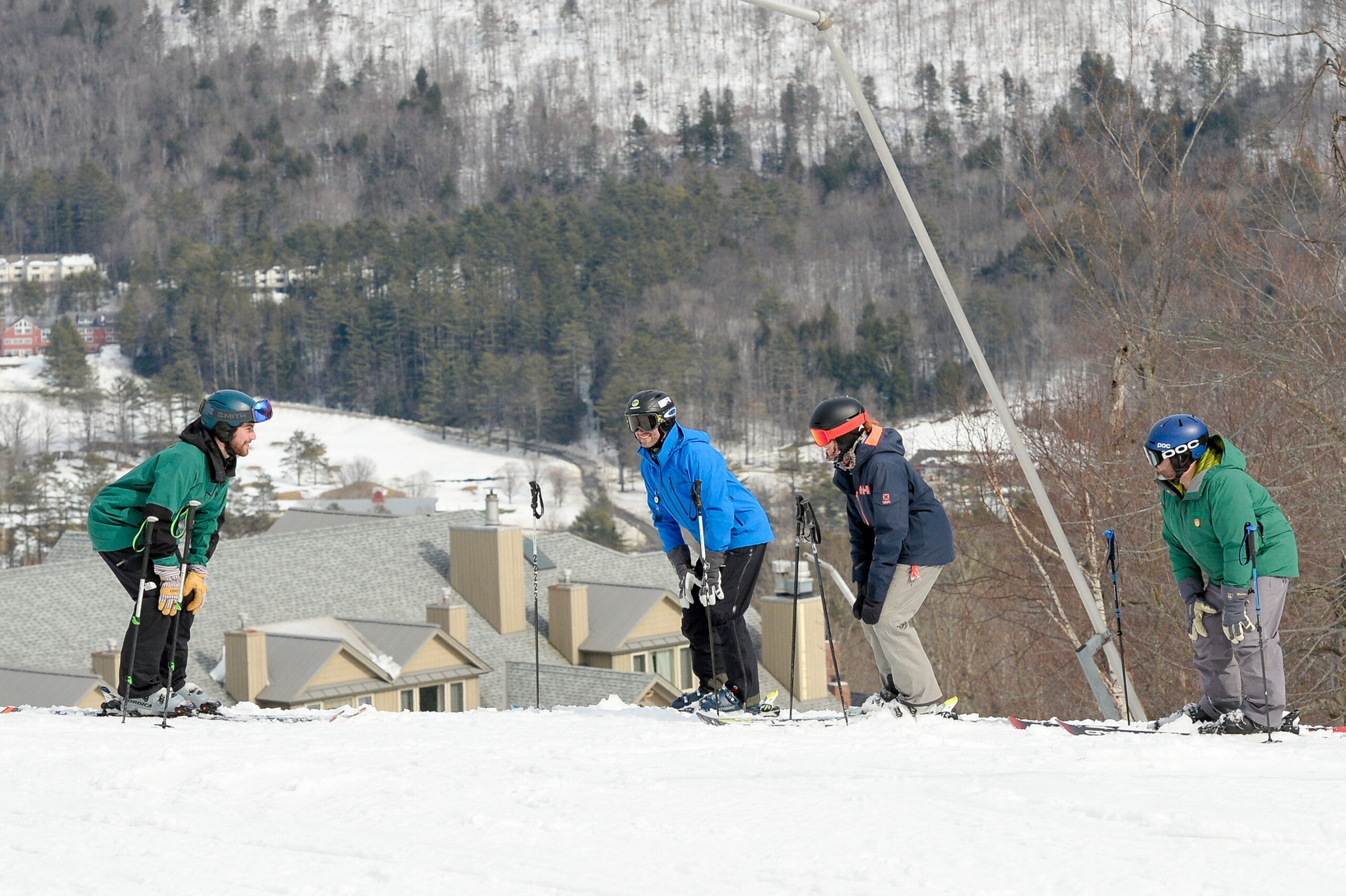
This is where McGee and Crawford’s dynamic application of the static phase truly shines. They propose using the static phase as a high-resolution lens to isolate specific cause-and-effect relationships between individual body movements and ski performance outcomes. The critical question an instructor should ask is: "Can I replicate this movement while standing still?" If a complex movement cannot be reduced to a single, isolatable action in a static environment, it likely hasn’t been broken down sufficiently to identify its root cause.
Consider the example provided: a student exhibiting different edge angles on their inside and outside skis, with their legs not tipped equally. The core cause-and-effect relationship—that tipping the legs influences the edge angles of the skis—can be replicated statically. An instructor can demonstrate this by standing still and using their hands to tip their knees, visibly showing how this action directly affects the ski’s edge. While certain dynamic positions are untenable statically, the core principle is to reduce the movement’s magnitude or use props/support to isolate the specific action. This precise identification allows instructors to address the most fundamental elements of a movement, providing clear, actionable feedback to students. This level of granular analysis is crucial for overcoming plateaus and building robust foundational skills.
Bridging Diagnosis to Intervention: The Role of Complex and Simple Phases
Once the critical movement to change has been identified through the applied and static lenses, the complex and simple phases become the strategic tools for intervention. McGee and Crawford emphasize that these phases are not merely a rigid sequence but adaptable building blocks.
-
Complex Phase for Skill Integration: The complex phase becomes the arena for introducing targeted drills from an instructor’s "bag of tricks." These drills are chosen specifically because they emphasize the identified fundamental movement pattern within a turning context. For instance, if the static analysis revealed an issue with initiating edge engagement through leg tipping, a complex-phase drill like "railroad track arcs" could be employed. This drill encourages consistent edge angles and parallel ski tracking, directly addressing the identified deficiency in a dynamic, turning environment. The instructor selects the drill that most effectively promotes the desired change, integrating it into linked turns.
-
Simple Phase as the Connection Bridge: The simple phase then acts as the crucial bridge, reducing the complex activity to its most basic elements—a single turn, a traverse, or a straight run. This reduction serves to clearly connect the complex drill back to the new, isolated movement identified in the static phase. It allows students to internalize the specific feeling and mechanics of the new movement in a less demanding context before re-integrating it into more complex linked turns. This iterative process of breaking down, practicing simply, and then re-integrating into complexity is key to solidifying new movement patterns.
Implications and Broader Impact on Snowsports Instruction
The dynamic SSCA framework proposed by McGee and Crawford holds significant implications for the future of snowsports instruction, promising to enhance both instructor effectiveness and student learning outcomes.
-
Enhanced Instructor Effectiveness: By providing a structured yet flexible framework for movement analysis, instructors can become more precise in their diagnostics and more targeted in their interventions. This reduces the guesswork often associated with teaching, empowering instructors to select the most appropriate drills and progressions for each unique student. This precision is invaluable, especially in high-stakes situations like instructor certification exams, where the ability to accurately analyze and prescribe solutions is rigorously tested.
-
Improved Student Learning Experience: For students, this methodology translates into more efficient and personalized lessons. When instruction is precisely tailored to their specific needs, students are more likely to grasp new concepts, make tangible progress, and feel a greater sense of accomplishment. This personalized approach can demystify complex movements, accelerate skill acquisition, and foster a deeper understanding of their own body mechanics relative to their equipment and the snow. Such positive learning experiences are crucial for student retention and encouraging continued participation in snowsports.
-
Professional Development and Industry Standards: The widespread adoption of this dynamic SSCA approach could lead to its integration into PSIA-AASI’s continuing education programs and potentially influence future revisions of the Teaching Snowsports Manual. This would further elevate the standard of instruction across the industry, ensuring that certified instructors are equipped with the most advanced and effective teaching tools. A spokesperson for PSIA-AASI, while not commenting directly on pending publications, has previously emphasized the organization’s commitment to supporting member-driven innovation that enriches established pedagogical frameworks. This highlights the value placed on contributions that enhance the core curriculum.
-
Statements from the Field: Local ski school directors are keenly interested in methodologies that boost instructor efficacy and student satisfaction. Sarah Chen, a 15-year veteran instructor and Ski School Director at a prominent Rocky Mountain resort, commented, "The challenge for many instructors is moving beyond a ‘one-size-fits-all’ approach. A dynamic framework like SSCA offers a sophisticated roadmap for truly individualized instruction. Being able to pinpoint the exact cause of a movement inefficiency and then strategically select a progression, rather than just throwing drills at a problem, is a game-changer for both our instructors and our guests." Experienced instructors like David Miller, a Level III PSIA instructor, also echoed the sentiment, noting, "We often have a vast toolkit of drills. The genius here is in providing a more refined process for selecting and sequencing those tools, making our lessons more impactful and less trial-and-error."
-
Future of Snowsports Instruction: This work by McGee and Crawford contributes to a broader trend in snowsports instruction towards more analytical, adaptive, and student-centered teaching. It reinforces the idea that effective instruction is not just about demonstrating skills, but about deeply understanding movement mechanics, learning psychology, and the art of communication. By offering a refined framework for integrating movement analysis with progressive instruction, this article sets a precedent for how instructors can continuously evolve their craft.
The full details of McGee and Crawford’s insightful work are available in the Fall 2025 Issue of 32 Degrees. Further exploration into these innovative teaching strategies is also available through the First Chair Podcast episode, "Build Better Lessons: A Smarter Way to Create Progressions," where McGee and Crawford delve deeper into the dynamic application of the SSCA process, offering practical advice and real-world examples for snowsports educators aiming to elevate their teaching prowess. Their contribution marks a significant step forward in optimizing how instructors analyze movement and cultivate new skills in their students, ultimately enriching the snowsports experience for all.
