

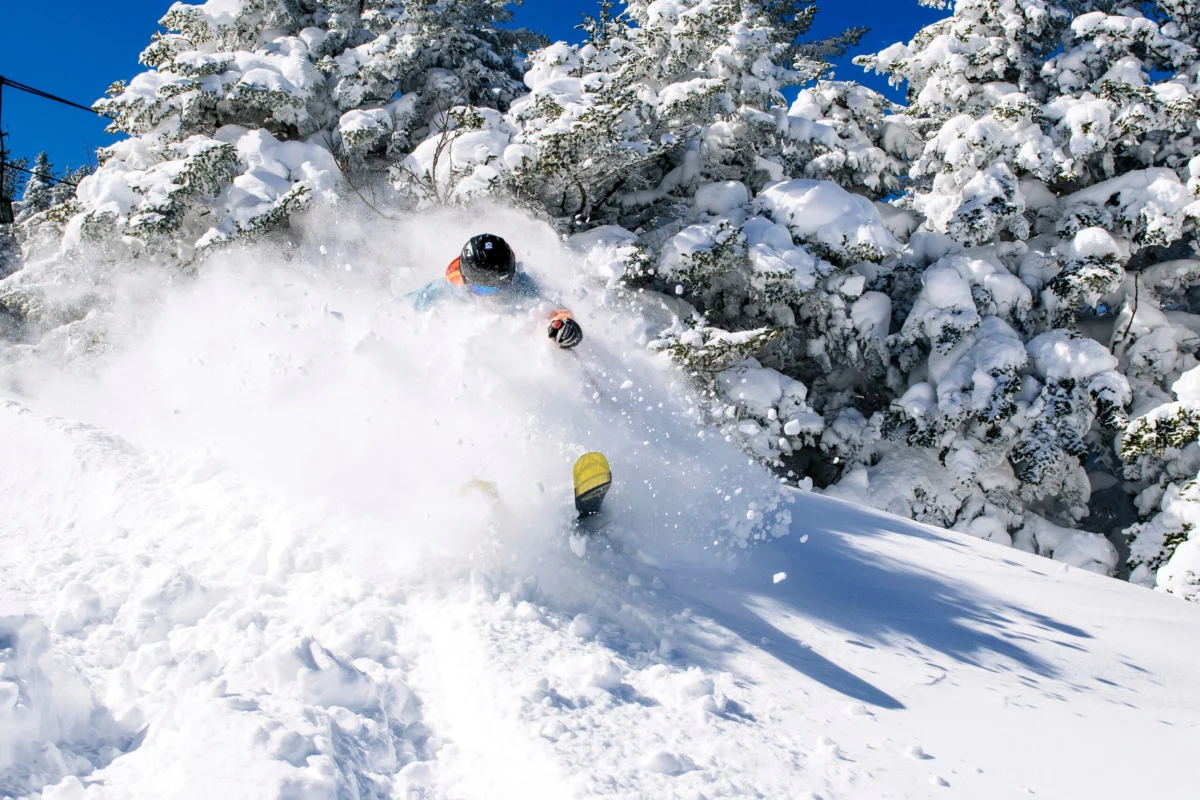
Smugglers’ Notch Resort, a cornerstone of independent skiing in the Northeastern United States, has officially announced a strategic partnership with the Indy Pass for the 2026–2027 winter season. The agreement, unveiled on September 8, 2026, marks a significant shift for the Jeffersonville, Vermont, destination, which has historically resisted joining major multi-resort pass networks in favor of maintaining its autonomous identity. Under the terms of the new partnership, Indy Pass holders will receive two days of access to the resort’s expansive terrain, with an additional third day available at a 25 percent discount. Notably, the pass will feature no blackout dates, though the resort will implement a mandatory advanced reservation system to manage capacity and preserve the guest experience.
The inclusion of Smugglers’ Notch—frequently referred to by locals as "Smuggs"—represents a major acquisition for the Indy Pass, which has positioned itself as the primary alternative to the "mega-passes" offered by industry giants Vail Resorts and Alterra Mountain Company. For decades, Smugglers’ Notch has cultivated a reputation for its rugged, authentic Vermont character, characterized by its challenging glades, slow-moving double chairlifts, and a steadfast commitment to a family-oriented atmosphere. By joining the Indy Pass, the resort enters a coalition of more than 200 independent alpine and Nordic resorts across three continents, further solidifying the pass’s footprint in the competitive New England market.
Strategic Context and Resort Philosophy
The decision to join a multi-resort pass comes at a time of increasing consolidation within the North American ski industry. While many neighboring Vermont mountains have been absorbed into the Epic or Ikon pass ecosystems, Smugglers’ Notch has remained under the private ownership of Bill Stritzler since 1996. The resort’s operational philosophy is centered on the concept of "Comfortable Carrying Capacity" (CCC), a metric used to ensure that the number of guests on the mountain does not exceed the infrastructure’s ability to provide a high-quality experience.
By requiring advanced reservations for Indy Pass holders, Smugglers’ Notch aims to integrate new visitors without compromising this core tenet. This move reflects a broader industry trend where independent resorts seek the marketing reach of a national pass while utilizing technology to prevent the overcrowding issues that have plagued larger destination resorts. General Manager Brandon Swartz emphasized that the partnership is less about a change in direction and more about finding like-minded partners.
"Indy Pass gives us an opportunity to invite a new group of skiers and riders to come experience Smuggs for themselves," Swartz stated. "Smuggs, Bear Den, and Indy share a commitment to independent mountains, families, affordability, and protecting the character of the skiing and riding experience."
Detailed Access and Pricing Structure
For the 2026–2027 season, the Indy Pass offers a tiered pricing model designed to cater to different levels of frequency and budget. The Indy Base Pass, which will include the Smugglers’ Notch access, is priced starting at $419. For those seeking a premium experience without any restrictions, the Indy+ Pass starts at $469.
A key feature for local Vermont residents and loyal Smuggs pass holders is the "Indy Add-On" pass. Starting at $369, this option allows individuals who already hold a season pass at a partner resort to purchase Indy Pass access at a reduced rate. This structure is intended to encourage "ski road trips" and regional exploration, allowing a Smugglers’ Notch season pass holder to visit other independent gems in the region at a fraction of the cost of individual lift tickets.
The "no blackout dates" policy at Smugglers’ Notch is a significant selling point for Indy Pass holders, as many other resorts on similar passes restrict access during peak holiday periods such as Christmas week, Martin Luther King Jr. Day, and Presidents’ Day. However, the caveat of mandatory reservations remains the primary logistical hurdle, requiring skiers to plan their visits in advance through the Indy Pass online portal.
The Northern Vermont "Indy Hub"
The addition of Smugglers’ Notch creates a powerful geographic cluster for independent skiing in Northern Vermont. The resort is located in close proximity to several other Indy Pass partners, making the region a primary destination for pass holders. Within a two-hour radius of Jeffersonville, skiers can access:
- Jay Peak Resort: Known for the highest average snowfall in the Eastern U.S.
- Bolton Valley Resort: A high-altitude local favorite offering night skiing and extensive backcountry access.
- Mad River Glen: A legendary skier-only mountain known for its "Ski It If You Can" motto.
- Magic Mountain: Located further south but often paired with Northern Vermont itineraries for its steep, technical terrain.
This density of partner resorts allows Smugglers’ Notch to serve as a central "hub" for a multi-day Vermont ski tour. The resort’s extensive lodging inventory and village amenities make it a logical base of operations for families and groups looking to explore the diversity of Vermont’s independent ski scene.
Terrain and Infrastructure Analysis
Smugglers’ Notch is comprised of three interconnected mountains—Morse, Sterling, and Madonna—offering a total of 78 trails and over 1,000 acres of terrain. The resort is perhaps most famous for its "Triple Diamond" trail, The Black Hole, which is widely considered one of the steepest and most challenging gladed runs in the East.
- Madonna Mountain: The highest peak at the resort, featuring a 2,150-foot vertical drop. It is home to some of the most technical terrain in New England, including the famed Madonna Lift, a slow double chair that provides access to the summit.
- Sterling Mountain: Offers a mix of intermediate and advanced terrain and provides the connection point to neighboring Stowe Mountain Resort via the "Snuffy’s" trail (though a separate lift ticket is required for Stowe).
- Morse Mountain: Dedicated primarily to beginner and lower-intermediate skiers, Morse is the heart of the resort’s award-winning ski school and family programs.
The resort’s refusal to upgrade its main lifts to high-speed detachables is a deliberate choice intended to regulate the flow of skiers onto the trails. By keeping the uphill capacity in sync with the downhill trail capacity, Smugglers’ Notch maintains its reputation for uncrowded slopes, even on busy weekends.
Industry Reaction and Market Implications
The industry reaction to the announcement has been largely positive, particularly from advocates of the independent ski movement. Erik Mogensen, the Director of Indy Pass and a Vermont native who grew up skiing at Smugglers’ Notch, viewed the partnership as a homecoming of sorts.
"Smuggs is a world-class ski destination that has always belonged in the Indy Pass family," Mogensen said. His leadership at Indy Pass, which is owned by Entabeni Systems, has focused on utilizing data and technology to help small-to-mid-sized resorts compete with the marketing budgets of multinational corporations.
Market analysts suggest that Smugglers’ Notch’s entry into the Indy Pass ecosystem may put pressure on other remaining independent resorts in the Northeast to consider similar alliances. As the cost of individual daily lift tickets at major Vermont resorts continues to climb—often exceeding $200 at peak times—the value proposition of a $419 pass that includes two days at a premier destination like Smuggs becomes increasingly difficult for consumers to ignore.
Environmental and Operational Challenges
While the partnership promises increased visibility and foot traffic, Smugglers’ Notch continues to navigate the broader challenges facing the New England ski industry. Variable weather patterns and the need for extensive snowmaking infrastructure remain top priorities. The resort has invested millions in high-efficiency snowmaking technology in recent years to ensure a consistent product from December through April.
Furthermore, the resort’s commitment to independence means it must fund all capital improvements through its own revenue streams rather than corporate parentage. The influx of Indy Pass revenue, combined with the reservation system’s ability to predict daily skier volume, is expected to provide a more stable financial forecasting model for the resort’s management.
Conclusion and Future Outlook
The partnership between Smugglers’ Notch and Indy Pass for the 2026–2027 season represents a milestone in the evolution of Vermont skiing. It demonstrates a middle ground where a resort can benefit from modern distribution networks while fiercely guarding the operational quirks and philosophical values that define its brand. For the skiing public, the deal offers a more affordable gateway to some of the most storied terrain in the East, provided they are willing to navigate the new reality of advanced reservations. As the winter season approaches, all eyes will be on Jeffersonville to see how this balance between increased accessibility and preserved character performs on the slopes.
