

In a fashion industry often characterized by its relentless cycle of seasons, fleeting trends, and a constant demand for newness, Chris Peters’ nascent brand, CDLM, emerges as a quiet but potent counter-narrative. Having previously navigated the established currents of the fashion world alongside his partner Shane Gabier at Creatures of the Wind, Peters has charted a new course with CDLM, one that feels intentionally unburdened by convention, offering a vision of clothing designed for longevity and personal interpretation rather than ephemeral consumption. This latest collection, eschewing traditional seasonal labels for a numbered system, exemplifies Peters’ commitment to a more fluid and considered approach to design and dissemination.
The very ethos of CDLM is rooted in a profound reevaluation of how garments are conceived, produced, and presented. Unlike the industry’s ingrained practice of demarcating collections by spring, fall, resort, and pre-fall, CDLM’s numbered installments signify a departure from this temporal constraint. This allows Peters the creative freedom to release new designs as they reach their conceptual and material readiness, mirroring a similar flexibility in their delivery to stockists. This unhurried cadence is not merely an aesthetic choice; it is a philosophical stance against the manufactured urgency that often pervades the fashion landscape. Furthermore, the brand’s material sourcing further underscores this commitment to a more sustainable and thoughtful practice. CDLM strategically incorporates a blend of deadstock fabrics – remnants from previous productions that might otherwise be discarded – alongside meticulously sourced found materials and select new textiles. This multifaceted approach to material procurement not only minimizes waste but also imbues each piece with a unique history and a tactile richness that speaks to a deeper appreciation for the origins of fabric.
During a recent visit to a photo shoot for this newest collection, Peters articulated the foundational principles guiding CDLM’s creative direction. At the forefront is a deep-seated admiration for the enduring appeal of uniforms. This translates into garments that possess an inherent functionality and a timeless quality, designed to be integrated seamlessly into a wearer’s existing wardrobe rather than demanding to be the sole focal point. Complementing this is the brand’s emphasis on versatility, with an invitation for wearers to discover multiple ways to style each piece. This extends to what Peters terms "sartorial gestures" – the act of recontextualizing familiar garments and imbuing them with new meaning. A prime example of this philosophy in practice is the reimagining of shrunken woolen tights. Traditionally conceived as a foundational layer, these tights are presented with the potential to be worn as standalone pants, demonstrating Peters’ interest in expanding the functional and stylistic possibilities of even the most commonplace apparel.
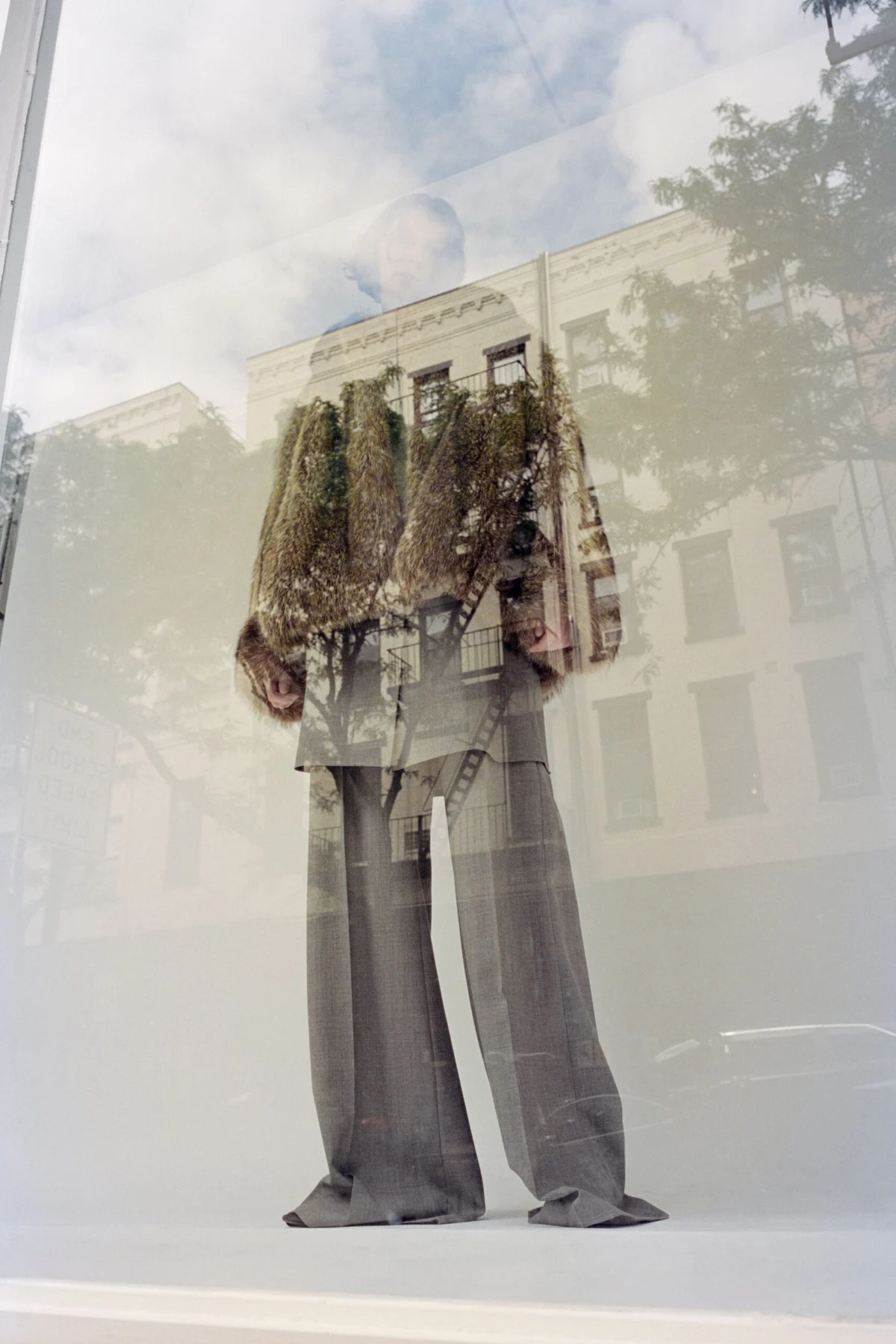
The collection itself is a testament to these guiding principles. Military-inspired coats, often a symbol of utilitarian resilience, are rendered with a refined sensibility. Elongated shirts offer a sense of understated drama, while roomily cut trousers provide both comfort and a contemporary silhouette. T-shirt dresses, a perennial wardrobe staple, are presented with gently askew silhouettes, suggesting a subtle deviation from the expected. Perhaps most striking are the coats constructed from upcycled and pieced-together deadstock fur scraps. This innovative use of reclaimed materials not only speaks to a commitment to environmental consciousness but also results in garments with a unique, artisanal character, each one a testament to the beauty that can be found in discarded elements. The overall aesthetic is characterized by a deliberate "offness," a subtle departure from the conventional that imbues the pieces with an understated yet captivating allure. This is further amplified by a palpable sense of nostalgia, a gentle echo of the cerebral anti-glamour that defined designers like Martin Margiela, who championed deconstruction and conceptual depth over overt ostentation.
A Non-Conventional Presentation: The "Non-Show Show"
In tandem with its unconventional design philosophy, CDLM’s presentation of this latest collection diverges significantly from the industry’s established norms. Instead of a traditional runway show, Peters opted for what he terms a "non-show show." This innovative approach involved photographing models within the confines of glass-encased store windows, effectively creating a staged environment for the garments without a live audience. The glass panes served as both a canvas and a barrier, reflecting the ambient light, the sharp flashes of camera strobes, and the distinct outlines of the photographers capturing the images. This deliberate staging stands in stark contrast to the hyper-polished, perfectly curated imagery typically found in traditional lookbooks, where the primary objective is to present the garments in their sharpest, most idealized form.
When interpreted within the broader context of the contemporary fashion ecosystem, this "non-show show" can be seen as a pointed commentary. The fragmented reflections in the glass, the absence of an audience, and the inherent limitations of the display can be read as a mischievous, yet insightful, critique of the relentless deluge of fashion shows, the ubiquitous presence of social media imagery, and the increasingly fractured retail landscape. In an era where visual saturation is the norm, CDLM’s presentation offers a moment of deliberate stillness and introspection. The resulting photographs, much like the collection itself, possess an oddly alluring quality, drawing the viewer in with their unconventional framing and their subtle defiance of established visual codes. They invite a more nuanced engagement, prompting contemplation rather than passive consumption.
Industry Context and Market Implications
The fashion industry in 2023-2024 is indeed in a state of significant upheaval. The lingering effects of the global pandemic, coupled with growing consumer awareness regarding sustainability and ethical production, have compelled many brands to re-examine their operational models. Data from industry reports indicate a growing consumer preference for durable, timeless pieces over fast fashion, with a significant segment of the market actively seeking out brands that prioritize environmental responsibility and transparent supply chains. For instance, a 2023 report by McKinsey & Company highlighted that 66% of consumers consider sustainability when making purchasing decisions. This shift in consumer sentiment creates a fertile ground for brands like CDLM that are built on principles of longevity and mindful consumption.
Chris Peters’ prior experience at Creatures of the Wind, a brand celebrated for its artistic vision and meticulous craftsmanship, provides a strong foundation for CDLM. Creatures of the Wind, which operated from 2009 until its cessation in 2017, was known for its avant-garde designs and its ability to push creative boundaries within the luxury market. Peters’ return to design with CDLM, albeit with a radically different modus operandi, signals a personal evolution and a strategic response to the perceived excesses of the contemporary fashion system. The timeline of his career, from the established structure of Creatures of the Wind to the deconstructed freedom of CDLM, reflects a broader industry trend towards decentralization and individualistic brand building.
Expert and Industry Reactions (Inferred)
While direct statements from industry insiders regarding CDLM’s latest collection may not yet be widely publicized due to the brand’s emerging status, the underlying principles it champions are resonating with a growing segment of the fashion community. Fashion critics and stylists who champion sustainable practices and artisanal craftsmanship are likely to view CDLM’s approach with interest. The brand’s emphasis on deadstock and found fabrics aligns with the increasing demand for circular fashion initiatives. Furthermore, the "non-show show" format could be interpreted as a bold move that challenges the economic and environmental viability of traditional fashion weeks, a topic of ongoing debate within the industry. The potential for brands to leverage digital platforms and unconventional presentation methods to reach their audience more directly and authentically is a growing area of exploration.
Broader Impact and Future Implications
CDLM’s approach has the potential to influence the broader fashion landscape by demonstrating that commercial success and critical acclaim are not solely dependent on adhering to rigid seasonal calendars or participating in the frenetic pace of fashion weeks. The brand’s success could encourage other designers to explore similar models, fostering a more diverse and resilient fashion ecosystem. The emphasis on creating durable, versatile garments that encourage personal styling and longevity directly counters the culture of disposability that has long plagued the industry. This can lead to a more conscious consumer base, one that invests in pieces with enduring value rather than succumbing to fleeting trends.
The success of CDLM will likely be measured not only by its sales figures but also by its ability to cultivate a loyal community of wearers who appreciate its considered approach. The brand’s commitment to transparency in its sourcing and production processes, while not explicitly detailed in this initial overview, will be crucial for building trust and fostering genuine connection with its audience. As the fashion industry continues to grapple with its environmental and social impact, brands like CDLM, with their innovative spirit and their commitment to a more thoughtful way of creating and consuming fashion, offer a compelling vision for the future. Their numbered collections and their unconventional presentations are not simply stylistic choices; they are deliberate acts of resistance against an industry in need of profound transformation, suggesting that true innovation lies not in accelerating the cycle, but in deepening the connection to the garments we choose to wear.
