

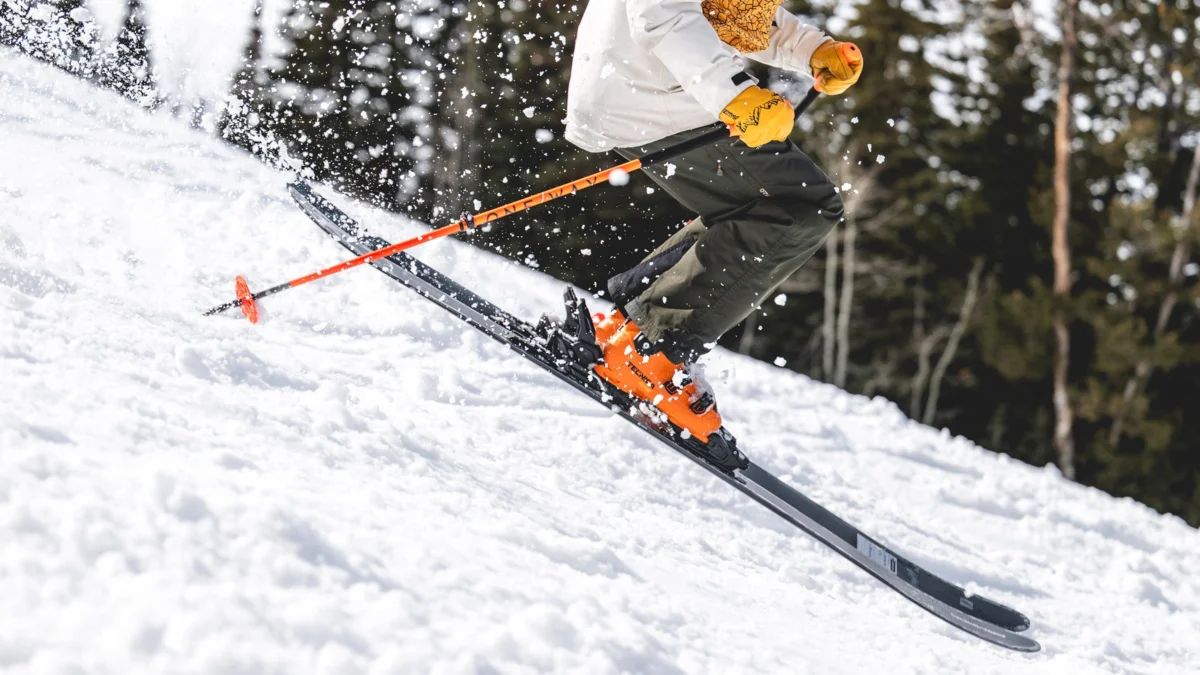
Published September 18, 2026, the comprehensive annual evaluation by SKI Magazine, in collaboration with Masterfit and America’s Best Bootfitters, has unveiled the top alpine ski boots for the 2027 season, following an intensive two-week testing period at Oregon’s Timberline Resort. This year’s assessment, which saw 50 alpine ski boots rigorously tested by a panel of ten expert skiers, underscores a pivotal moment in ski boot design, where advanced technology and a renewed focus on personalized fit are delivering unprecedented levels of comfort and on-snow performance across all skill levels and foot shapes.
The Apex of Alpine Performance: A Deep Dive into the 2027 Lineup
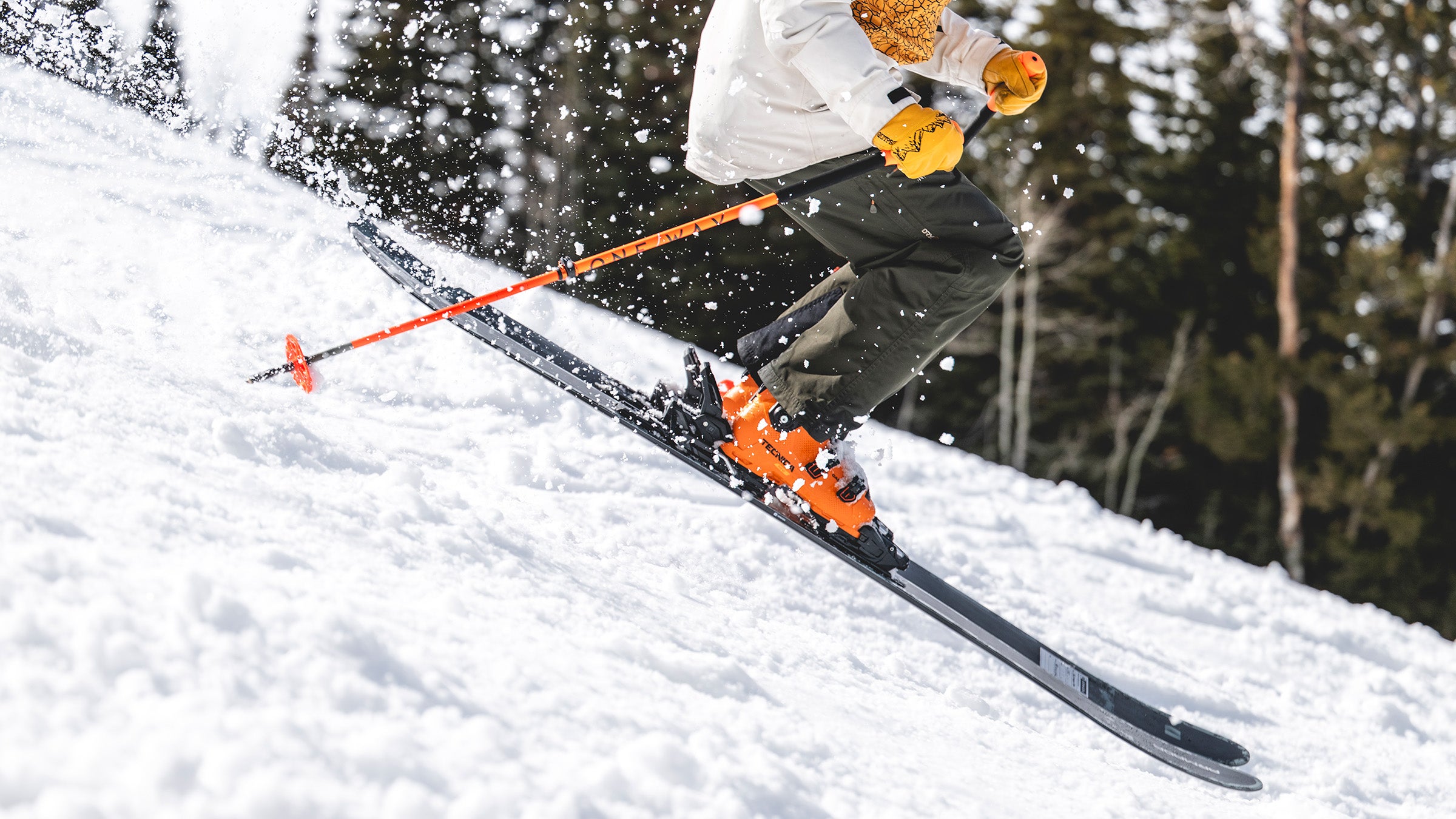
The landscape of ski boot technology is continuously evolving, with each season bringing refinements that enhance the skiing experience. For 2027, the trend is clear: manufacturers are successfully marrying high-performance energy transmission with tailored comfort, a feat previously considered a trade-off. This year’s test, conducted under a variety of demanding conditions at Timberline—from icy spring groomers to thick crud and fresh dust-on-crust—confirmed that the latest innovations are not just incremental but transformative. The emergence of technologies like BOA closures, refined liner constructions, and advanced shell materials signifies a market driven by consumer demand for boots that perform flawlessly without compromising fit or ease of use.
Unprecedented Rigor: The Testing Methodology at Timberline
The annual SKI boot test stands as one of the most thorough and respected evaluations in the industry. Its credibility stems from a unique partnership with Masterfit and America’s Best Bootfitters, organizations renowned for their expertise in ski boot mechanics and custom fitting. Professional bootfitters and seasoned skiers, trained to objectively assess performance irrespective of personal fit preferences, form the core of the testing panel. This year, ten such experts, comprising both men and women, meticulously evaluated 50 alpine ski boots designed for the 2027 season.
The testing protocol is exhaustive. Each boot underwent an initial evaluation for fit, flex, aesthetics, and ease of entry right out of the box. Following this, testers took to the slopes, completing an average of three runs per boot. This side-by-side, dynamic assessment allowed for real-time feedback on critical performance parameters. Boots were categorized and evaluated within specific width groups—narrow (LV), medium (MV), and wide (HV)—and across multiple flex options to ensure fair and relevant comparisons. A proprietary smartphone app, developed in partnership with Masterfit, facilitated immediate data capture, allowing testers to rate each boot on 15 detailed fit and stance parameters. Scores were then assigned across six key performance categories: initial fit, on-snow fit, stance, edge power, quickness, and overall feature set. This multi-layered approach ensures that the recommendations are not merely anecdotal but grounded in verifiable, expert-driven data.
Mark Elling, a veteran of the ski industry with over 35 years of experience as a professional bootfitter and coordinator of Masterfit’s annual boot test, emphasized the importance of this rigorous process. "The goal is to identify boots that truly serve the skier they are built for," Elling stated, implicitly highlighting the test’s commitment to delivering practical, actionable advice to consumers. "With the wider ranges of width and flex, and innovative closures like BOA, dialing in a great fit is easier than ever, but knowing which innovations deliver real-world benefits is where our testing comes in."
Key Findings: A Stronger Lineup for 2027
The overarching sentiment from the testing panel was one of pleasant surprise at the overall strength and diversity of the 2027 lineup. Innovations in shell construction, liner materials, and closure systems have collectively led to boots that offer enhanced responsiveness, improved comfort, and greater ease of use. The proliferation of BOA systems, in particular, was noted as a significant game-changer, simplifying the fine-tuning of fit and reducing the need for excessive buckle tightening, which often distorts a boot’s intended shape and compromises performance.
Here’s a snapshot of the top-performing men’s and unisex alpine ski boots for 2027:
| Ski Boot | Price | Target Skier | Pros | Cons |
|---|---|---|---|---|
| Lange Shadow MV | $900-$1,050 | All-mountain skiers seeking maximum precision, power, and high-performance energy transmission without sacrificing comfort. | Excellent shin fit and flex feel; Liner’s hexagonal etching avoids hotspots; Updated liner offers firmer hold on foot and less pack-out. | Fits slightly short. |
| Tecnica Mach 1 TD2 MV | $800-$900 | All-mountain skiers of all levels looking for an approachable, powerful, and fast-reacting boot. | Easier on and off than past versions; Lighter and quicker edge control; Snappier flex return-to-center. | Ankle pockets may need heat molding for some. |
| Rossignol Hi-Speed Elite LV | from $750 | Advanced and expert skiers demanding a tight, firm, narrow fit with maximum edge quickness and power. | Precise fit and feel matches on-snow experience; More snug fit throughout than previous version; Updated liner offers less pack-out. | Only available in two flex models. |
| Dalbello Veloce Space Dual | $830 | Skilled, budget-conscious skiers with average feet looking for exceptional, all-condition performance and a medium volume fit. | Flawless medium fit for average feet and legs; Particularly good shin and toebox fit; Skied as strongly and accurately as 130-flex models. | A bit difficult to get on. |
| Salomon S/Pro Alpha C BOA | $750-$900 | High-performance skiers wanting a modern, narrow-fit boot with direct edge sensitivity for aggressive, high-speed carving. | Much easier entry than previous narrow model; Very snug but well-contoured low-volume fit; Highly tactile edging feel and responsiveness. | Long-travel flex feel may take getting used to. |
| Nordica Promachine 3 | $750-$900 | Advanced and expert skiers with slender legs and low-volume feet chasing a gap-free, ultra-responsive performance fit. | New 3Force shell is lighter and stiffer for better responsiveness; New lace-up liner improves fit for slender legs; Still one of the tightest fits but avoids hotspots. | Lace-up liner makes entry more difficult. |
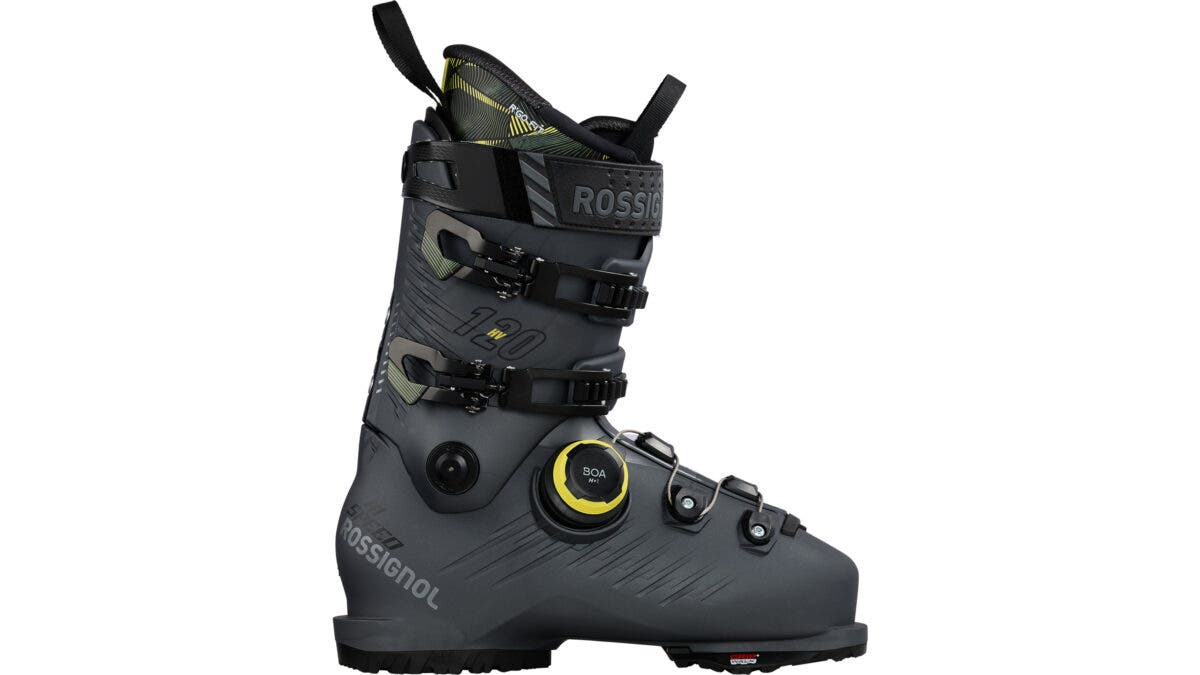
| Rossignol Hi-Speed HV BOA | $550-$650 | Wide-footed skiers looking for high-end power, strong precision across all snow types, and easy, micro-adjustable entry. | Convenient entry and BOA lower closure; Performance on par with stiffer boots; 100-flex version offers big value. | Fit out-of-box was more snug than expected. |
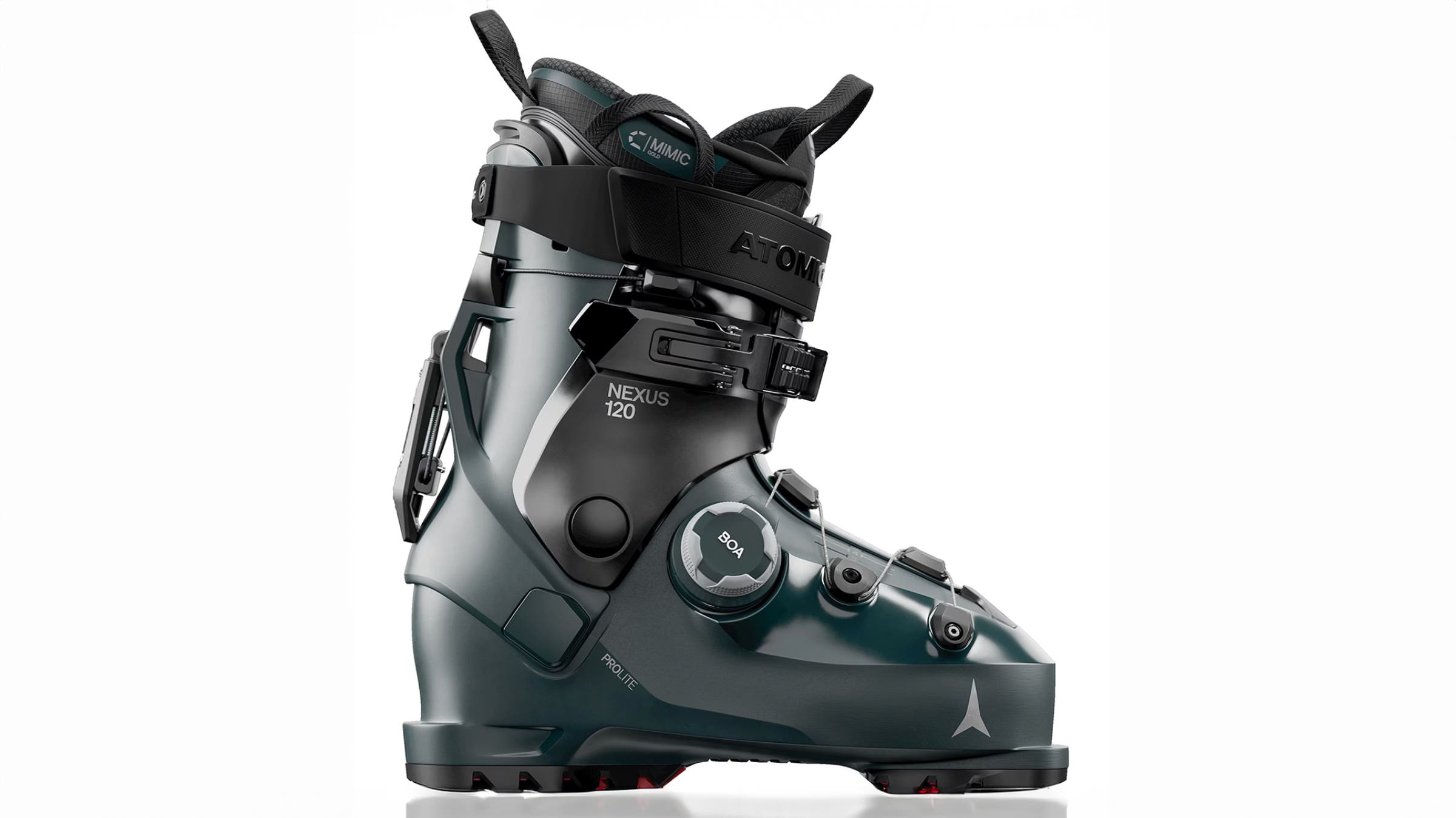
| Atomic Nexus BOA | $800 | Medium-to-wide footed skiers—especially those with high insteps or thick calves—prioritizing hassle-free entry, exit, and stable cruising. | Easy on, easy off; Extra room over top of foot and through instep; Skis predictably with good stability. | Might be too high-volume for skiers with low insteps. |
Spotlight on Innovation: Detailed Boot Reviews
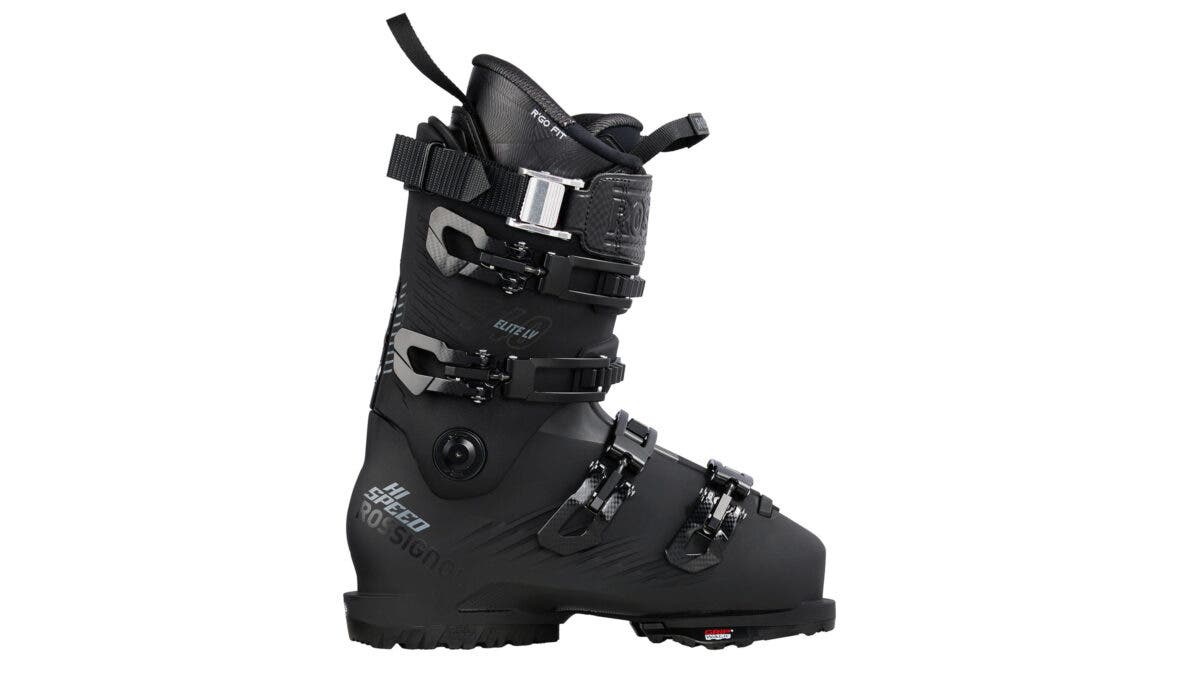
Lange Shadow MV: The Editor’s Choice for Precision
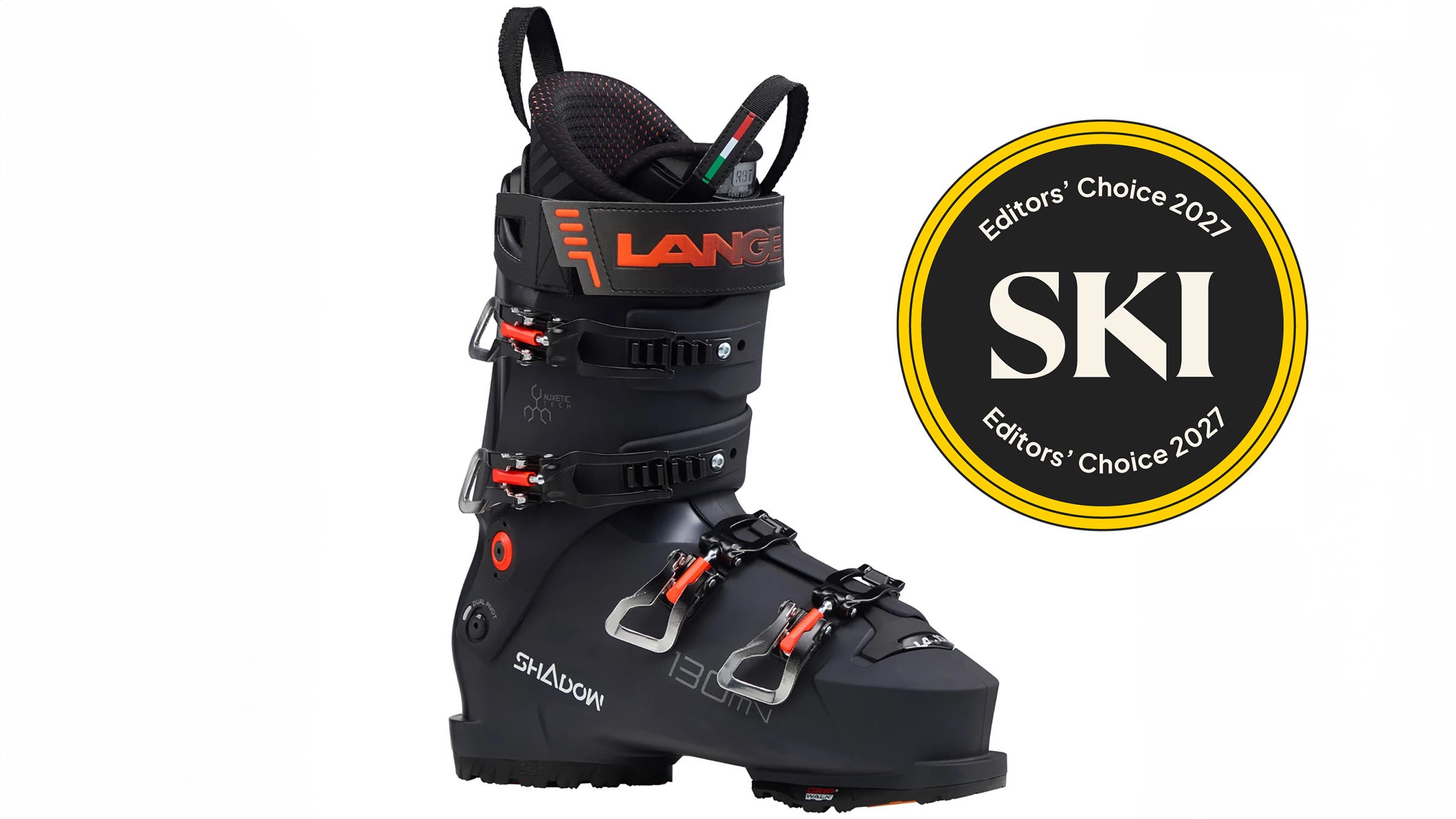
The Lange Shadow MV, priced between $900-$1,050, reclaims its Editors’ Choice title, cementing its status as a benchmark boot for all-mountain skiers. Available in sizes 24.5-31.5 with a 100 mm last and tested at a 130 flex (also available in 120, 110), its strength lies in the seamless integration of shell shape and liner construction. Testers consistently lauded its exceptional shin fit and responsive flex. The key update for 2027 is the enhanced Auxetic liner, featuring a hexagonal etched exterior that allows precise flexion around the foot and ankle, eliminating hotspots while providing a "snug wetsuit bootie" feel. This revised liner offers firmer heel and ankle padding, promising a 15 percent reduction in pack-out—a significant improvement for long-term fit retention. The Shadow’s four-point cuff-to-shell connection and rear tongue-and-groove design are critical to its superior energy transmission, enabling skiers to execute more precise and powerful turns with less effort.
Tecnica Mach 1 TD2 MV: Best for the Broadest Audience
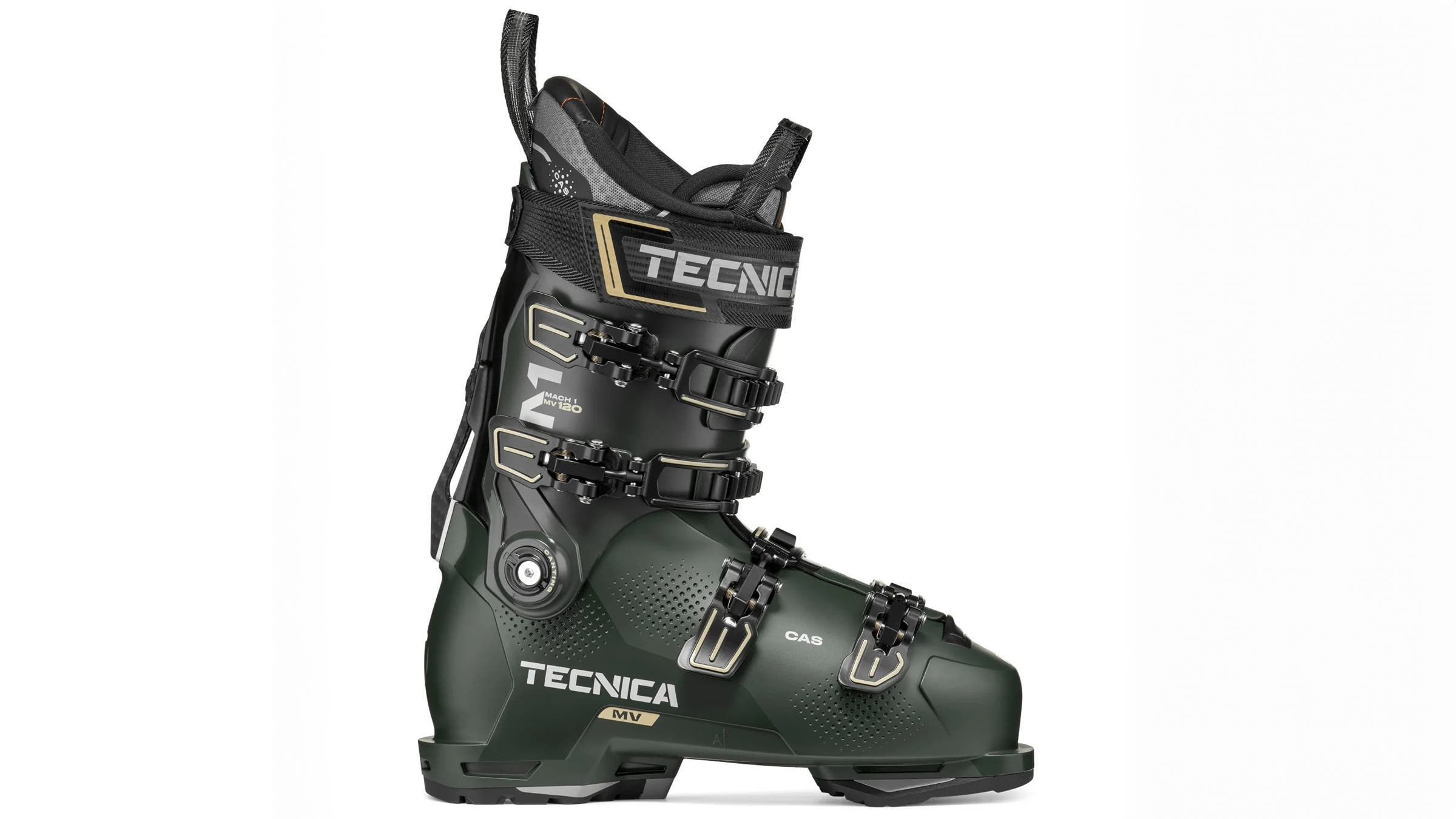
The Tecnica Mach 1 TD2 MV, retailing for $800-$900, continues its legacy as a podium regular, earning "Best for Most" due to its approachable yet powerful design. With sizes 24.5-30.5, a 100 mm last, and tested at a 130 flex (also 120, 110), this iteration is the easiest to don and doff. The "TD2" refers to T-Drive 2.0, a stiff, lightweight connector that functions as a spring-loaded hinge between the cuff and lower shell. This, combined with a lighter Grilamid cuff, delivers a sharper, more reactive flex and snappier return-to-center, transforming the Mach 1 MV into a boot with agile, fast-twitch reactions for challenging terrain. The new liner, retaining moldable Custom Adaptive Shape (CAS) zones, features softened material above the heel for easier entry without compromising the crucial heel hold. While some testers required minor heat molding for the ankle pockets, the overall consensus highlighted a boot that is more responsive and intuitive than ever.
Rossignol Hi-Speed Elite LV: Expert Performance Redefined
For advanced and expert skiers seeking uncompromised precision, the Rossignol Hi-Speed Elite LV, starting from $750, is the clear winner. Available in sizes 24.5-31.5 with a 98 mm last and tested at a 140 flex (also 120), this boot impressed testers with its honest, direct on-snow feel. Significant updates to the R-Go Fit liner, including a blend of foams for sculpted grip and a 15 percent reduction in pack-out, have breathed new life into this model. A thin, rubberized polyurethane film on the liner’s exterior enhances its bond with the shell, creating an incredibly tight, gap-free connection between skier, boot, and ski. Testers described the fit as "firm, snug, and consistent," unlocking a new level of power and quickness that previously hinted at but wasn’t fully realized. The precision and responsiveness offered by these liner enhancements were deemed more impactful than many full shell redesigns.
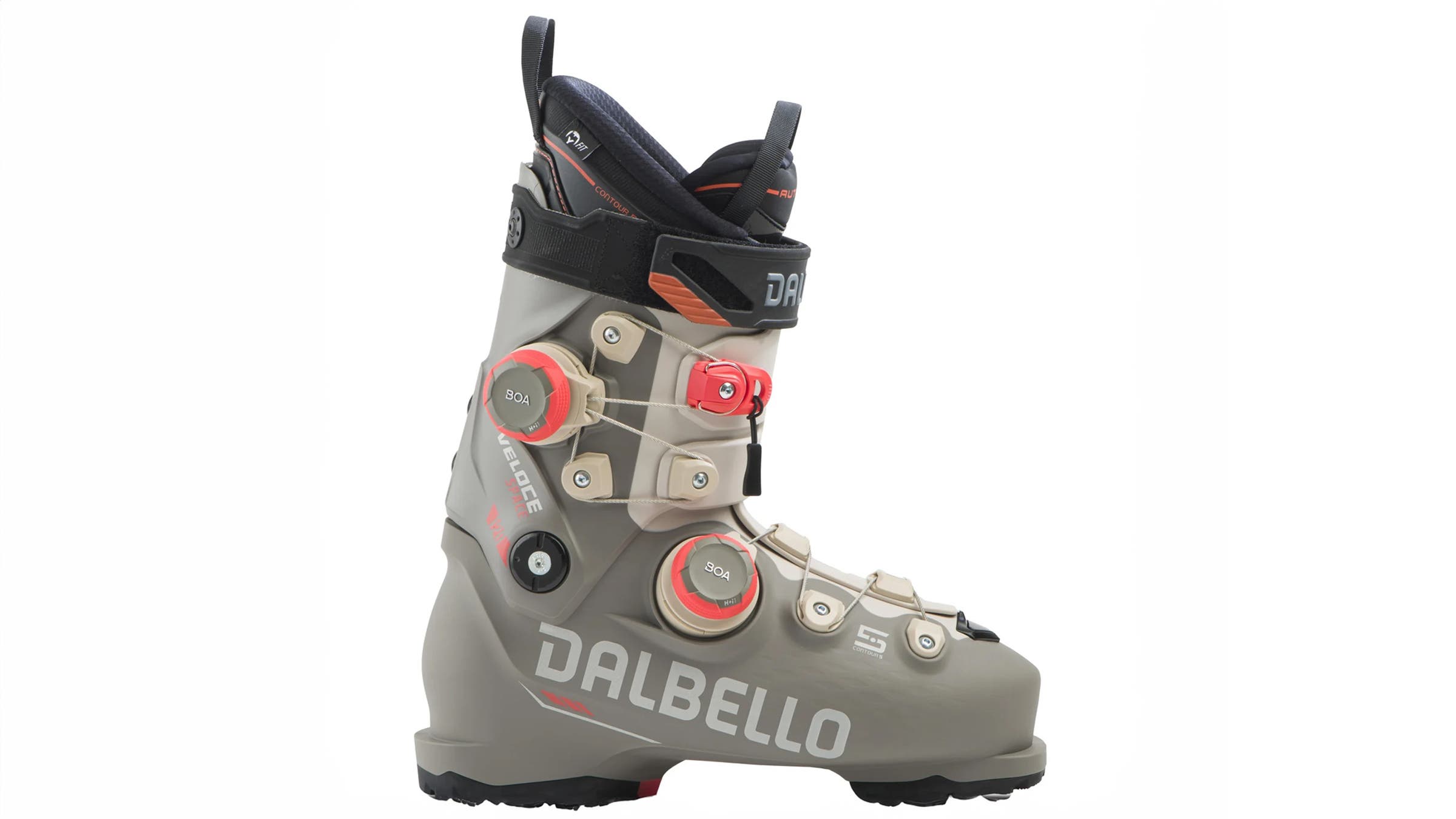
Dalbello Veloce Space Dual: Value Without Compromise
The Dalbello Veloce Space Dual, priced at $830, proves that exceptional performance doesn’t always come at a premium, earning it the "Best Value" distinction. This carry-over model, available in sizes 25.5-30.5 with a 101 mm last and tested at a 120 flex (also 130, 110), scored highest among all medium-width boots. Despite a slightly tricky entry due to its dual BOA system, testers found the internal fit and on-snow feel to be superior. The boot excelled across a spectrum of snow conditions, demonstrating confidence-inspiring predictability and power typically associated with stiffer, 130-flex models. Its 100-millimeter-lasted fit was lauded as "flawless" for average feet and legs, with unanimous perfect scores for shin and toebox comfort. The availability of a 110-flex version for about $100 less further enhances its appeal to skilled, budget-conscious skiers.
Salomon S/Pro Alpha C BOA: High-Performance Innovation
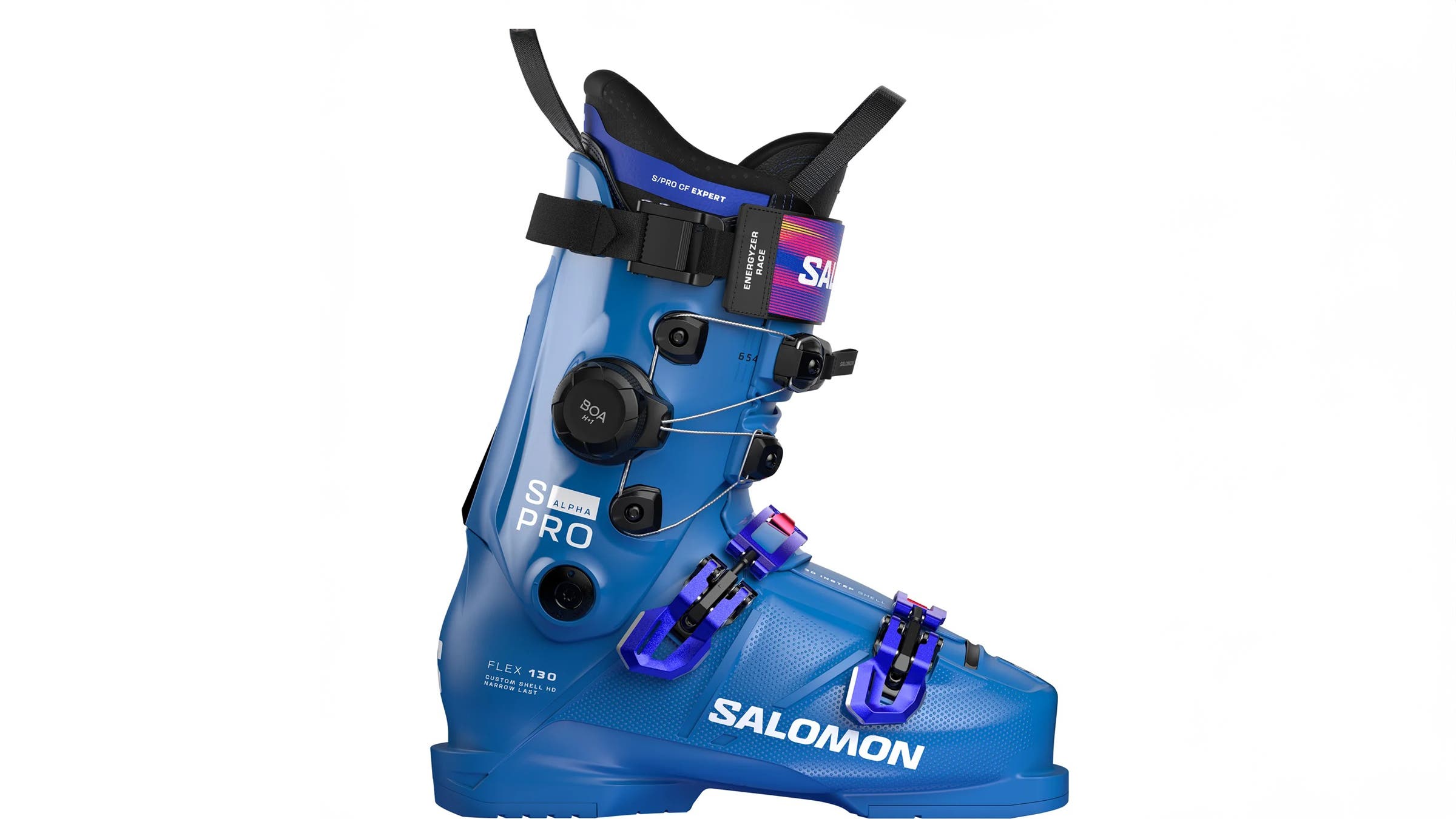
The Salomon S/Pro Alpha C BOA, ranging from $750-$900, represents a significant departure from traditional boot design, earning it "Best High-Performance Boot." Available in sizes 24.5-30.5 with a 98 mm last and tested at a 130 flex (also 120, 110, 100), its most striking feature is the absence of a traditional cuff attachment on the inner ankle. The cuff flows smoothly into the lower shell, anchoring low near the sole with two screws and a Powerlink metal plate. This innovative construction facilitates an unusually easy entry for a narrow-fitting boot and delivers a highly tactile edging feel. Testers praised the snug, well-contoured low-volume fit and the precision offered by the cuff-only BOA closure. The low Powerlink connection creates a direct leg-to-ski edge line, with a unique "long-travel flex" that, once adapted to, provides exceptional sensitivity and allows for aggressive, "photo-shoot-worthy" edge angles at high speeds.
Nordica Promachine 3: The Ultimate Narrow Fit
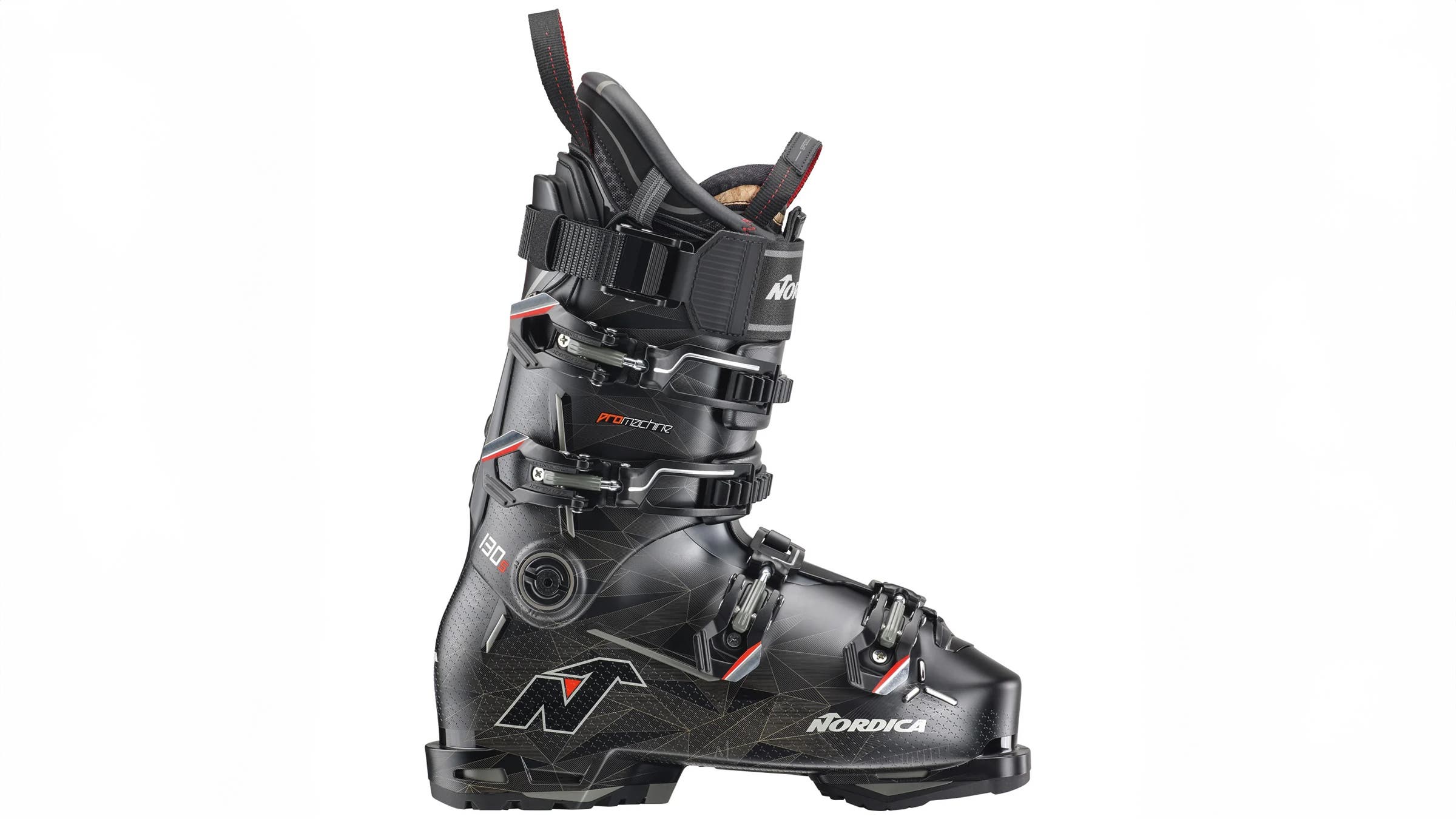
Nordica’s Promachine 3, priced at $750-$900, arrives for low-volume, advanced, and expert skiers, delivering significant performance gains worthy of its "Best for Narrow Feet" title. Available in sizes 22.5-30.5 with a 98 mm last and tested at a 130 flex (also 120, 110, 90), the "3" denotes a new 3Force Frame chassis—a light, stiff internal skeleton co-molded into the lower shell. This enhances energy transfer and responsiveness while reducing weight, all without compromising the Promachine’s renowned anatomical fit. The boot maintains its reputation as one of the tightest, yet remarkably hotspot-free, all-mountain narrow fits. The 130-flex model introduces a new lace-up cork-lined liner, which, while making entry slightly more challenging, significantly improves containment through the lower leg and instep. Testers deemed this trade-off worthwhile for the resulting gap-free, ultra-responsive fit, particularly beneficial for slender-legged skiers.
Rossignol Hi-Speed HV BOA: Power for Wide Feet
The all-new Rossignol Hi-Speed HV BOA, available for $550-$650, is a revelation for wide-footed skiers, earning "Best for Wide Feet." Offered in sizes 24.5-29.5 with a 102 mm last and tested at a 120 flex (also 100), one tester boldly proclaimed it the "best 102-millimeter-lasted boot ever made." The integration of a BOA closure on the lower shell and a fully revised R-Go Fit liner contributes to its stellar performance. Testers lauded its balanced fit—secure in the rearfoot, roomy up front—and the micro-adjustable BOA system’s ability to fine-tune the forefoot and instep wrap. The new R-Go Fit liner combines easy entry with firm, non-slippery grip around the ankle and heel, further enhanced by an exterior rework that tightens the shell-liner connection. Despite some initial snugness, the boot relaxed quickly on snow, delivering powerful and precise performance across all snow types, rivaling stiffer models. Its 100-flex version is highlighted as a potential "bargain-hunter’s find" for the season.
Atomic Nexus BOA: Unmatched Ease and Stability
The Atomic Nexus BOA, priced at $800, sets a new standard for user-friendliness without sacrificing on-snow capability, securing "Easiest On/Off." Available in sizes 24-31.5 with a 101 mm last and tested at a 120 flex (also 130, 110), this boot ingeniously blends three closure technologies: a rear-entry cuff with an easy-grab lever, a redesigned buckle clasp that holds tension settings, and a single BOA dial for fine-tuning. This combination dramatically simplifies entry and exit while ensuring a snug fit. The 101-millimeter last provides ample room, particularly for skiers with high insteps or thick calves, though those with lower insteps might find heel retention less ideal. Despite its comfort and convenience focus, the Nexus 120 delivered predictable edge engagement and stable hold across varied turn shapes and speeds, performing surprisingly well across the mountain. Its skiing prowess was an unexpected bonus to its primary mission of comfort and accessibility.
Navigating the Market: A Comprehensive Ski Boot Buying Guide
Selecting the right ski boot is paramount to enjoying your time on the slopes. The plethora of options, while beneficial, can also be overwhelming. The boots highlighted above represent the pinnacle of this season’s offerings, meticulously vetted by experts. However, the "best" boot is ultimately subjective, tailored to individual foot anatomy and skiing style. Consulting a professional bootfitter remains the gold standard, but understanding some fundamental concepts can significantly aid your search.
Understanding Ski Boot Sizing (Mondopoint)
Ski boots use a system called Mondopoint, which corresponds to the length of your foot in centimeters. While a seated measurement at a ski shop provides a baseline, personal preference plays a significant role. Some skiers prefer a snug, performance-oriented fit, opting for a half-size smaller, while others prioritize comfort, aligning with their measured size. Crucially, sizing up or down is not a universal rule; sometimes, the solution lies in adjusting the last width or making minor modifications with a bootfitter to achieve the ideal length without compromising other fit zones.
Flex Index: Finding Your "Goldilocks" Stiffness
The flex index, a numerical rating, indicates a boot’s forward stiffness. Higher numbers (e.g., 140) denote stiffer boots, typically favored by heavier, taller, or more aggressive expert skiers, while lower numbers (e.g., 70-90) suit lighter, shorter, or less aggressive recreational skiers. The goal is to find a "Goldilocks" flex—not too soft, not too stiff—that allows for effective energy transfer without being overly restrictive or unresponsive. A key consideration: boots feel softer at room temperature than on the cold mountain, so if a boot feels too stiff indoors, it will likely be unmanageable on snow.
Volume and Last: The Internal Blueprint of Fit
A boot’s "last" (measured in millimeters on a size 26/26.5 shell) indicates its internal width at the forefoot. This number is intrinsically linked to the boot’s overall "volume," which includes instep height and cuff room around the lower leg. Generally, narrow (LV: <98mm) boots have lower insteps and tighter cuffs, medium (MV: 98-100mm) boots offer a balanced fit, and wide (HV: >100mm) boots provide higher insteps and roomier cuffs. Individual tolerance for snugness varies greatly; a skier with a wider foot might find comfort in a medium-volume boot, while someone with a narrower foot might feel cramped in a low-volume fit. Trying on various widths is essential to determine the best match for your unique foot and leg shape.
Gender-Specific Design: More Than Just Aesthetics
While often subtle, design differences between men’s and women’s ski boots are functionally significant. Women’s lower legs are generally proportionately shorter than men’s for a given foot length, with calf muscles sitting lower. Women’s boots typically feature a slightly shorter cuff and a scalloped rear cuff to accommodate this anatomy, ensuring a better fit. Additionally, women’s heels tend to be narrower, leading to snugger heel pockets in women-specific liners. Beyond these anatomical considerations, women’s boots often incorporate more appealing aesthetics and softer, furrier liners for enhanced comfort.
The Outlook for the 2027 Season
The 2027 alpine ski boot lineup represents a significant leap forward in design and engineering, driven by a clear understanding of skier needs. The focus on customizable fit, exemplified by the widespread adoption of BOA closures and advanced liner materials, ensures that more skiers than ever can achieve that elusive perfect connection between foot, boot, and ski. The rigorous testing conducted by SKI Magazine, Masterfit, and America’s Best Bootfitters provides an invaluable resource for navigating these choices, guaranteeing that skiers can confidently select a boot that enhances both their performance and enjoyment on the mountain. As the snow begins to fall, the industry stands ready with a robust selection, promising a season of unparalleled comfort, control, and exhilaration.
