

Updated September 21, 2026 09:16AM
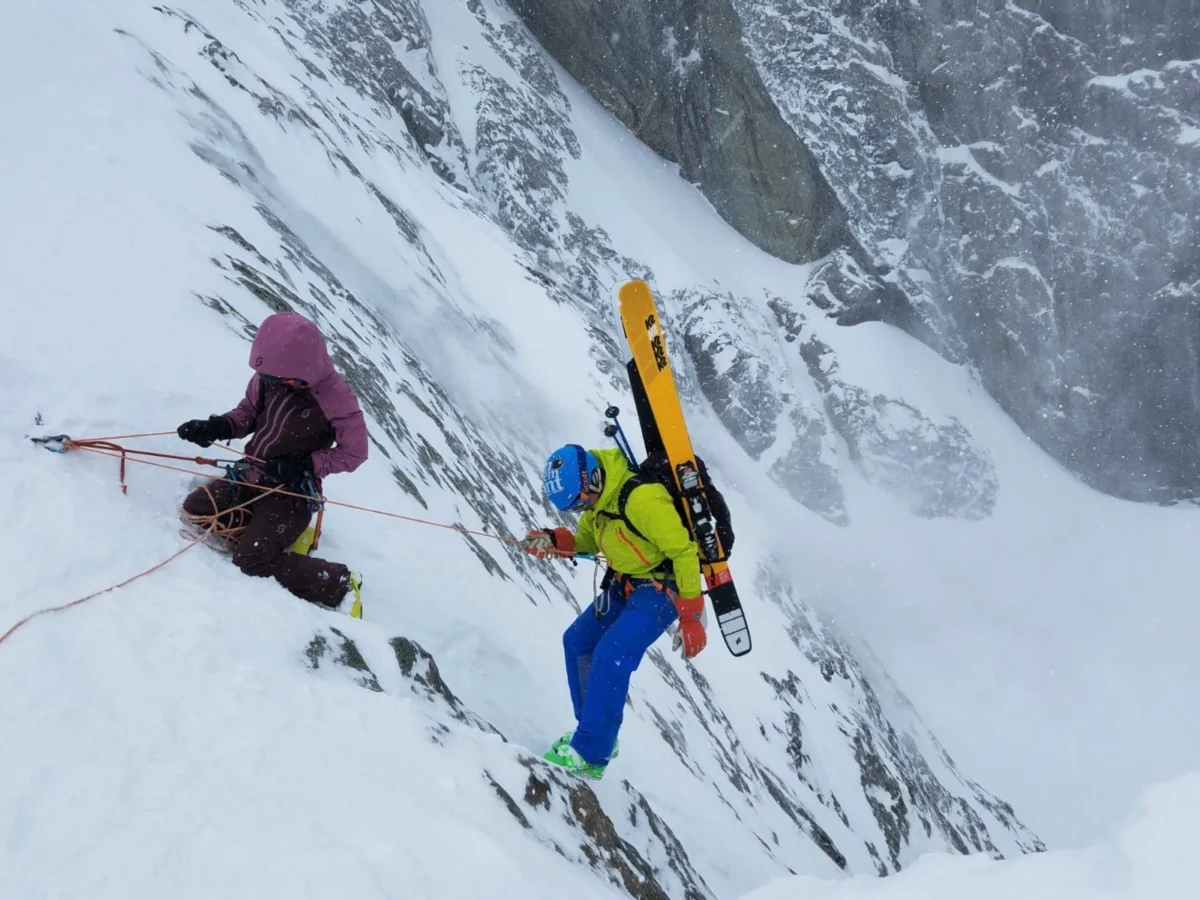
The world of professional mountain guiding, often romanticized in adventure media, harbors a stark reality of profound risk and relentless dedication. This underlying truth was chillingly encapsulated by veteran guide Pete Mason, one of the first Americans to achieve both the prestigious UIAGM and notorious French ENSA certifications, who once observed, "Almost a quarter of my graduating class is dead." This sobering statement serves as a powerful counterpoint to the idealized image of the "steezy macho guide" – the tanned, sharp-jawed figure effortlessly navigating perilous terrain, an image often fostered by high-octane video footage from outlets like Teton Gravity Research, depicting daredevil feats and triumphant high-fives with clients after narrow escapes. The journey to becoming a legitimate mountain professional, far from being a simple attire change for a ski bum, demands an unwavering commitment to safety, an intricate understanding of the mountain environment, and an acceptance of ever-present danger.
The Allure and the Illusion: A Glimpse into the Romanticized Narrative
For many aspiring adventurers, the vision of a mountain guide is one of boundless freedom and exhilarating exploits. It’s a life lived on the edge, characterized by rappelling into steep chutes with nonchalant ease, hucking off cliffs, and outrunning avalanches on 50-degree spines. This perception is heavily influenced by cinematic portrayals and curated social media feeds, which often highlight the adrenaline-fueled moments while glossing over the meticulous planning, extensive training, and critical decision-making that define the profession. The ease with which one could historically transition into a guiding role in the U.S., where land regulations and certification requirements were often less stringent than in Europe, further blurred the lines between passionate enthusiast and seasoned professional. After navigating a few insurance and permit hurdles, the perceived chasm between a recreational skier and a mountain expert seemed deceptively narrow. However, as Mason’s grim statistics reveal, this perceived ease belies a profession fraught with inherent dangers, demanding a level of expertise akin to performing complex surgery, not merely mimicking it from a television show. The true essence of mountain guiding extends far beyond impressive athletic feats; it lies in the nuanced art of managing risk, navigating complex human dynamics, and, ultimately, safeguarding lives.
The Rigorous Path to Professionalism: Certification and Global Standards
The disparity between public perception and professional reality underscores the critical importance of rigorous certification. The International Federation of Mountain Guide Associations (UIAGM), known globally as IFMGA, represents the pinnacle of mountain guiding qualification, recognized in over 20 countries. Achieving this certification, alongside the equally demanding École Nationale Nationale de Ski et d’Alpinisme (ENSA) in France, requires years of dedicated training, mastery across multiple disciplines—skiing, climbing, ice climbing, avalanche safety, rescue techniques—and a deep understanding of alpine meteorology, geology, and first aid. The process typically involves multiple arduous modules and examinations, spanning several years, with a high attrition rate. For instance, the UIAGM training involves thousands of hours of practical experience, mentorship, and theoretical study, often costing tens of thousands of dollars.
Historically, the U.S. National Park Service’s land regulations had more flexible certification requirements compared to European standards. This created a landscape where, in some areas, individuals with less formal training could obtain permits. However, there has been a significant push in recent decades to align U.S. standards more closely with the global IFMGA benchmark, recognizing the critical need for universally recognized competencies in high-stakes environments. This shift reflects a growing understanding that comprehensive, internationally recognized training is paramount for ensuring client safety and professional credibility. Individuals like Pete Mason, who paved the way by achieving these elite certifications, exemplify the dedication required to elevate the profession to its highest standards.
Beyond the Stereotype: The True Motivations of a Guide
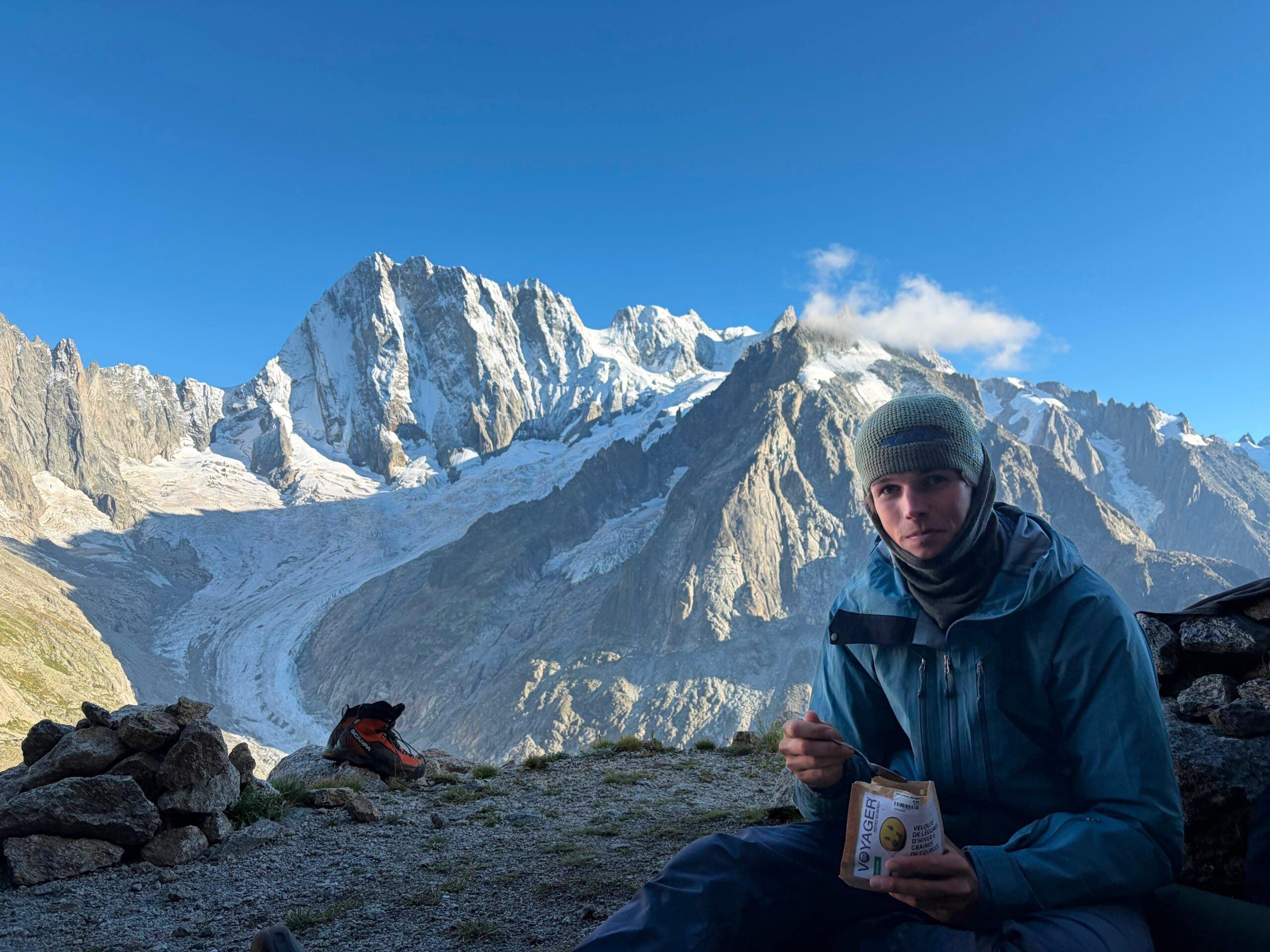
While the allure of remote locations and endless time in nature are undeniable perks, the core motivations for pursuing a guiding career often transcend personal adventure. Filip Rentschler, a 27-year-old freelance carpenter from Sweden—a country more renowned for its tranquil lakes than its formidable couloirs—found his calling in the mountains during his first winter in Verbier. His journey reflects a common narrative among guides: a history of diverse, often physically demanding, "jack of all trades" jobs undertaken to fund their passion for the mountains. This often involves significant personal sacrifice, including living out of vans, enduring solitary meals, and prolonged periods of separation from family and friends. The path is not merely about accumulating personal ski days; it involves early mornings battling freezing sleet, tackling challenging 6B-rated climbs, and navigating the uncertainties of exam scheduling and financial instability.
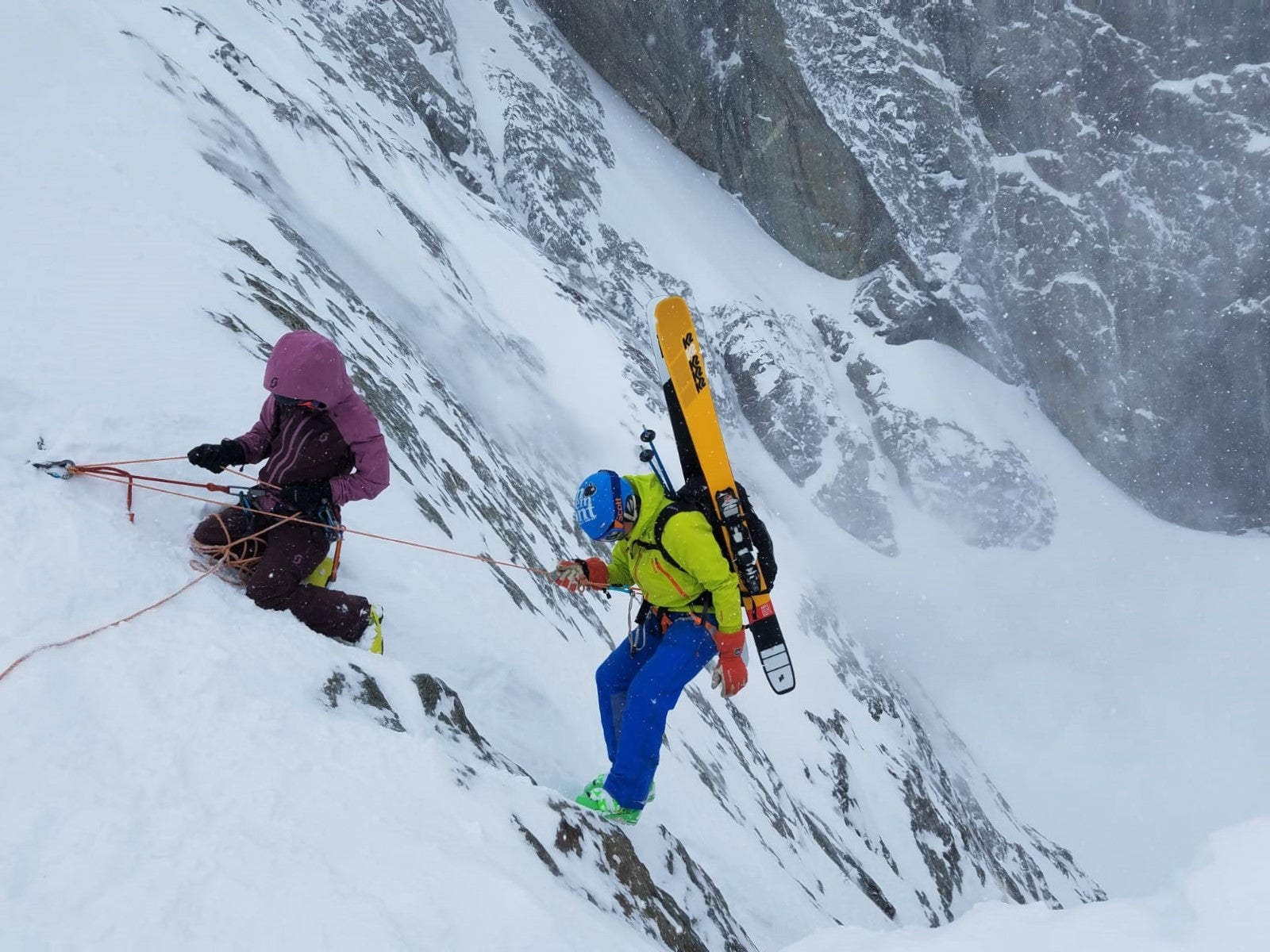
Rentschler articulates a profound shift in perspective that defines true guiding: "I want to become a guide to bring people along in the mountains and give them a good experience. I find more joy in that compared to solely pursuing personal goals." This ethos highlights that the greatest reward for many guides is the gratification of sharing their passion, fostering connection with nature, and enabling clients to experience the mountains safely and meaningfully, rather than solely chasing personal glory.
The Economics and Sacrifices of a Guiding Life
The life of a mountain guide, while intrinsically rewarding, presents significant economic challenges and personal sacrifices. Unlike many conventional professions, income can be highly seasonal and unpredictable, subject to weather conditions, client bookings, and global travel trends. Guides must constantly invest in expensive, high-quality gear, maintain certifications, and pay for professional liability insurance, which can be substantial given the inherent risks. The "van life" often romanticized by adventurers is, for many guides, a practical necessity to minimize living expenses and remain mobile near prime mountain locations.
The physical toll is immense. Years of carrying heavy packs, enduring extreme weather, and performing strenuous activities can lead to chronic injuries. Beyond the physical, the mental and emotional demands are equally taxing. Guides bear the ultimate responsibility for their clients’ safety, making life-or-death decisions under pressure. This constant vigilance, coupled with the frequent separation from loved ones, can lead to significant stress and isolation, challenging the resilience of even the most dedicated individuals.
Mastering the Mountains: The Art of Risk Management
Despite their immense training and sacrifice, guides are sometimes perceived by clients as little more than "powder concierges"—individuals paid to access novel terrain and untracked snow, or simply as a "safety add-on" in seemingly unapproachable environments. This misperception underestimates the guide’s fundamental role as a highly skilled risk manager. A truly experienced guide possesses the wisdom and professional integrity to cancel a trip, even on a highly anticipated powder day, if conditions dictate. As a touring service in Chamonix once bluntly stated, "We are not kamikaze." Ultimately, a guide’s most critical skill is the ability to say "no."
Erin Smart, a Seattle-born UIAGM guide who now navigates the demanding terrain of La Grave, France—a renowned freeride mecca—is well-versed in tempering client overexcitement. "If someone is pretty aggressive and comes with a checklist, ‘Oh, I want to ski and do this and this,’ I tell them I’m busy," she asserts. This firm stance is not born of arrogance but from a deep understanding that client expectations must align with prevailing conditions and safety protocols. In an era of advanced Mammut airbags and cutting-edge beacons, the technological advancements can sometimes create a false sense of security, leading clients to view guides as mere validators of snow stability or knot tightness, rather than as holistic decision-makers. The unspoken side of mountain work involves confronting the harsh realities of accidents—stories of wheelchairs, friends’ funerals, and incidents that never make it into an Instagram reel.
The Unavoidable Calculus of Risk: A Game of Numbers
Industry veteran Pete Mason understands that even with the most stringent scrutiny and meticulous planning, operating in the mountains ultimately involves a "game of numbers." Unlike feedback from an office boss, the mountains deliver their consequences with extreme delay, often after a long period of seemingly safe operations. "When people tell me they accept the risk, I don’t know if they have any idea what they are talking about," Mason cautions, highlighting a common disconnect between theoretical understanding and lived experience of risk.
Manuel Genswein, a leading Swiss avalanche safety expert, provides a chilling mathematical perspective. He notes that ski touring within the "green range" of risk management strategies carries an approximate case fatality rate of 1 in 100,000. However, for a guide active for 20 seasons, averaging 50 days a year, this cumulative risk escalates significantly to 1 in 100. "From a pure mathematical perspective, there’s gonna be a dark side… and that could be tomorrow," Mason concludes. This statistical reality underscores the constant, underlying tension that guides live with, where every decision could potentially contribute to a tragic outcome.
When Theory Meets Reality: The Profound Human Cost
The theoretical calculus of risk manifests in deeply personal and often devastating ways. Last winter, Erin Smart faced the cruelty of these risks firsthand. She was involved in the rescue response following a deadly avalanche that claimed two lives near her skiing location. Months later, in March, tragedy struck even closer when her life partner and fellow mountain guide perished in a catastrophic accident involving a failed ski anchor.
"Sometimes life can be incredibly unfair," Smart reflects with poignant honesty. "No one knows why it failed; the rescuers later commented that the anchor looked textbook." This incident, where even perfectly executed procedures can tragically fail, exemplifies the irreducible element of unpredictability in the alpine environment. Smart’s profound grappling with her loss and the inherent risks of her profession resonates deeply: "You know, there’s just these things that happen that make you question everything that you do in life. But a life without any risk is not really a life worth living. And that’s one thing I’m grappling with currently." Her struggle highlights the immense psychological burden carried by guides, who must reconcile their passion for the mountains with the ever-present threat of loss. The guiding community often carries these unspoken stories of loss, a somber testament to the profession’s demanding nature.
Industry Response and Evolving Safety Protocols
The mountain guiding industry continually evolves its safety protocols in response to accidents and new research. Guiding associations worldwide, including the IFMGA, regularly update training curricula, best practices, and equipment standards. There is a strong emphasis on continuous professional development, including advanced courses in avalanche forecasting, crevasse rescue, and wilderness medicine. Furthermore, client education has become an integral part of a guide’s role. Guides are increasingly proactive in briefing clients not only on immediate hazards but also on the broader principles of risk management, encouraging them to be active participants in safety decisions rather than passive recipients of a service. This shift aims to foster a more informed and responsible mountain community.
Implications for the Future of Mountain Guiding
The insights gleaned from experienced guides like Pete Mason and Erin Smart, and aspiring professionals like Filip Rentschler, offer crucial implications for the future of mountain guiding. For aspiring guides, it underscores the necessity of pursuing the most rigorous training available and entering the profession with a clear-eyed understanding of its profound challenges and sacrifices. For clients, it necessitates a recalibration of expectations, recognizing that a guide’s primary role is safety management, not risk elimination or thrill-seeking. It emphasizes the importance of transparent communication, mutual respect, and an acceptance of a guide’s judgment, especially when that judgment involves turning back.
The enduring appeal of mountain guiding, despite its inherent dangers, lies in the unique opportunity to forge deep connections—with nature, with clients, and within oneself. As Smart affirms, "One of the things I enjoy most about guiding is the life-long relationships you build with recurring clients." These bonds, formed in the crucible of shared adventure and trust, represent a profound reward. The profession is not merely about navigating terrain; it is about navigating the delicate balance between challenge and safety, passion and responsibility. This deeper understanding transforms the perception of mountain guides from adventure heroes to dedicated professionals, whose expertise and sacrifices command immense respect.
