

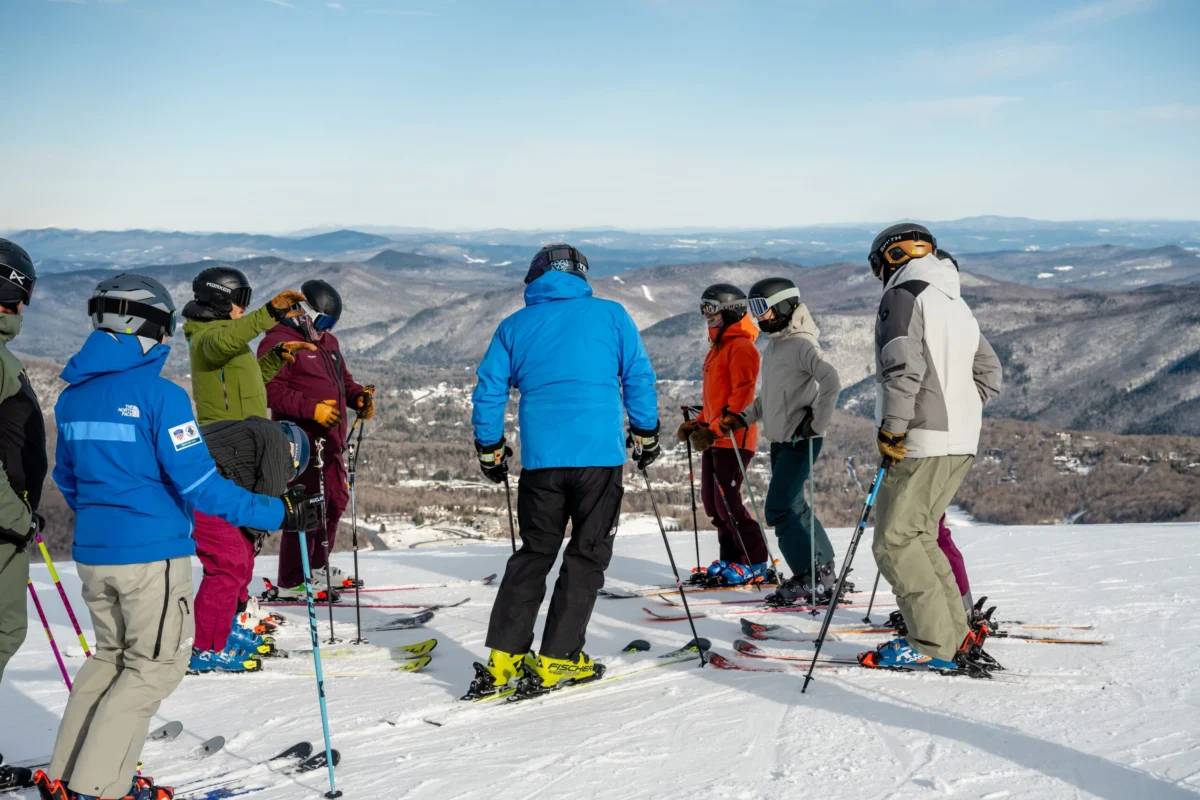
The Professional Ski Instructors of America and the American Association of Snowboard Instructors (PSIA-AASI) has completed a significant multi-year initiative to strategically align its education, professional development, and credentialing systems, aiming to elevate the standard of snowsports instruction across the United States. This transformative effort, spearheaded by leaders like Dave Schuiling, PSIA-AASI Director of Education & Credentialing, moves beyond traditional assessment models to foster a holistic, continuous growth pathway for its more than 32,000 members. The core philosophy underpinning this evolution is that certification should not merely be a gatekeeping mechanism but a validation of the authentic, impactful skills instructors demonstrate daily.
For decades, PSIA-AASI has been the leading authority for snowsports instruction in the U.S., setting benchmarks for teaching excellence. However, with a diverse membership spanning nine regional divisions, achieving consistent standards and a unified experience for instructors across varying geographies and resort cultures presented a complex challenge. The national strategic alignment project sought to address these disparities by introducing common standards, unified assessment tools, nationally aligned resources, and shared professional development opportunities. This strategic pivot acknowledges that while the fundamental skills of great instruction remain timeless, the approach to cultivating and recognizing those skills must evolve to meet contemporary demands and foster a more cohesive professional identity.
The Imperative for National Consistency
The snowsports industry, a vibrant sector contributing billions to the U.S. economy annually, relies heavily on qualified instructors to introduce new participants to the sport and help experienced enthusiasts refine their abilities. Instructor quality directly impacts guest satisfaction, retention rates, and the overall perception of snowsports schools. Historically, PSIA-AASI’s decentralized structure, while fostering regional autonomy and innovation, sometimes led to variations in educational delivery and assessment criteria between divisions. This could create challenges for instructors seeking to teach in different regions or for snowsports schools aiming to maintain a uniform standard of instruction across multiple locations.
Initiated several years ago, the drive for national alignment gained momentum as PSIA-AASI leadership recognized the need for a more integrated system. The objective was not to stifle regional distinctiveness but to establish a robust national framework that ensures a baseline of excellence and a consistent professional experience. This involved extensive collaboration among divisional education staffs, technical teams, and member representatives to forge consensus on best practices, pedagogical approaches, and evaluation methodologies. The result is a system designed to be more transparent, equitable, and ultimately, more valuable for every stakeholder involved – from the novice instructor to the seasoned educator, from the small local hill to the large destination resort.
The Learning Connection: A Foundational Framework
Central to PSIA-AASI’s renewed approach is the Learning Connection framework, which continues to define the essential competencies of effective snowsports instruction through three interconnected domains: People Skills, Teaching Skills, and Technical Skills. This framework, refined and adopted across the organization, transcends simple categorization, serving as the bedrock for all educational content, professional development initiatives, and credentialing assessments.
- People Skills: This domain emphasizes the critical importance of interpersonal dynamics in the learning process. It encompasses abilities such as building rapport, fostering trust, engaging in meaningful two-way communication, understanding and managing one’s own emotions and actions, and recognizing the motivations and emotions of others. The ultimate goal of developing strong People Skills is to cultivate trust, which is identified as the cornerstone of effective learning. When learners trust their instructor, they become more open to experimentation, feedback, and embracing challenges, creating an optimal environment for growth.
- Teaching Skills: Once trust is established, Teaching Skills enable instructors to create an environment where learning can thrive. This involves collaborating with learners to establish meaningful goals, adapting instruction to changing needs and individual learning styles, effectively managing information and experiences, encouraging exploration and discovery, and facilitating reflection. PSIA-AASI emphasizes that learning is not a passive delivery of information but an active, co-created experience between instructor and student. These skills empower instructors to guide students through progressions that are both effective and engaging.
- Technical Skills: Completing the trifecta, Technical Skills provide instructors with the foundational understanding and performance capabilities necessary to accurately assess student needs, communicate complex concepts clearly, and guide skill development with precision. This domain includes expertise in movement analysis, understanding snowsports mechanics, and demonstrating proficient skiing or riding abilities. Technical mastery gives instructors the confidence and tools to support learning purposefully and accurately, ensuring students develop safe and efficient movements on the snow.
Together, these three skill sets are designed to create a profound impact on the learner. As Dave Schuiling articulated, "These are not simply categories on an assessment form. They are the professional competencies that create meaningful learning experiences for guests and colleagues alike. They define what great instruction looks like and provide the foundation for education, professional development, and credentialing throughout PSIA-AASI." The integration of these skills ensures that instructors are not just technically proficient, but also empathetic educators capable of inspiring lasting change.
A New Perspective on Certification and Professional Growth
A significant shift in PSIA-AASI’s philosophy is the redefinition of certification assessments. The organization now views assessments less as a performative stage and more as an authentic opportunity to demonstrate teaching, coaching, and technical application in real-world scenarios. The focus has moved away from memorizing specific progressions or rehearsing particular approaches, towards evaluating an instructor’s ability to build relationships, facilitate learning, and apply technical understanding effectively to meet diverse student needs. This aligns the assessment process with the day-to-day realities of snowsports instruction.
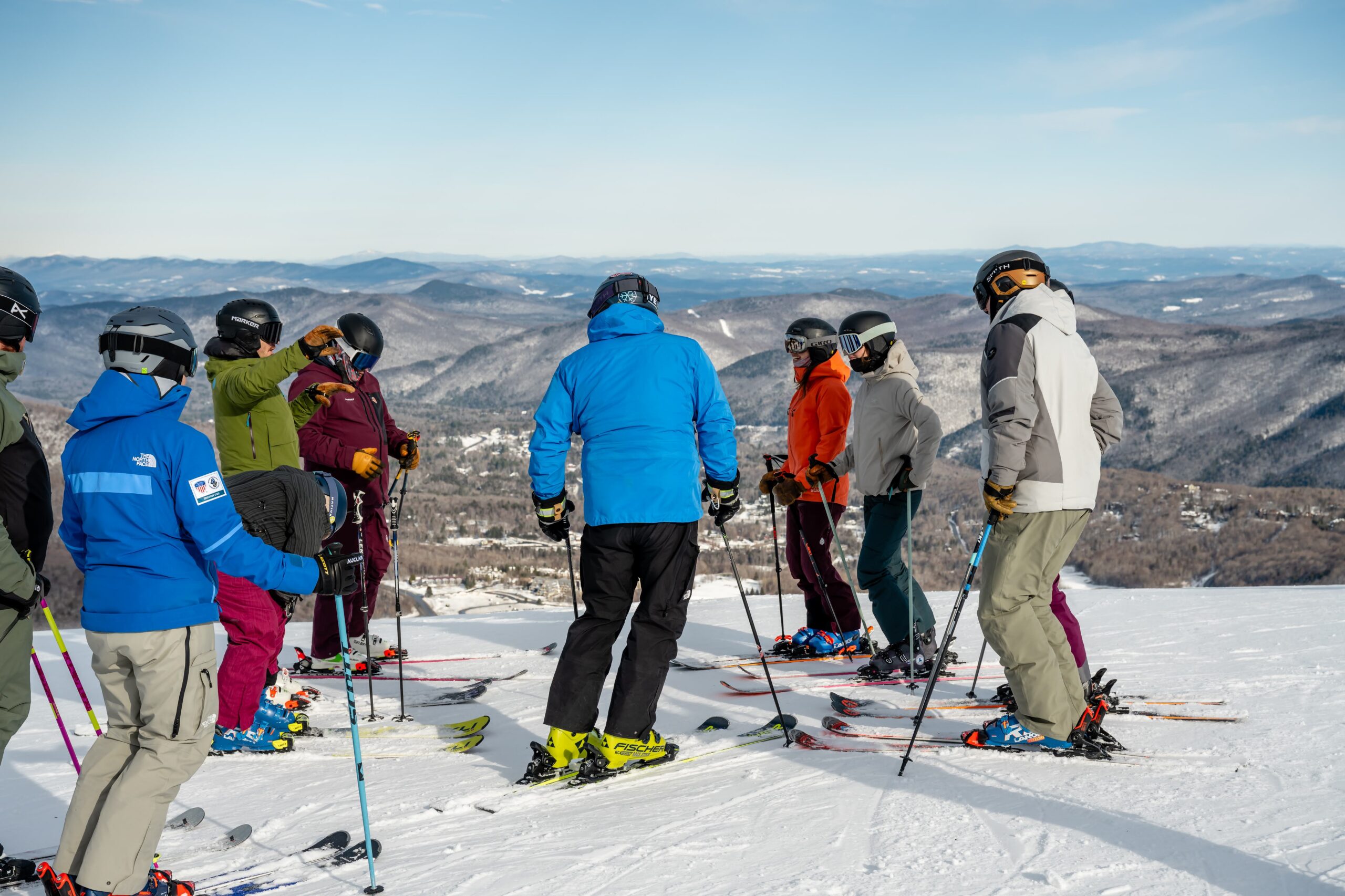
The pathway to becoming a highly effective instructor, as outlined by PSIA-AASI, is a continuous cycle of learning, curiosity, passion, and professional development. It typically begins with a spark of learning—perhaps a clinic, an e-learning course, a training session, or mentorship. This learning ignites curiosity, prompting instructors to ask questions, seek deeper understanding, and explore new possibilities. As understanding grows, curiosity often evolves into a genuine passion for teaching and the sport itself.
Passion, in turn, fuels development. Instructors actively seek opportunities to refine their skiing, riding, teaching, movement analysis, communication, and leadership skills. They become intentional about their growth, seeking feedback, reflecting on experiences, and challenging themselves to become more effective. This deliberate pursuit of growth transforms development into professional development—a commitment to becoming more capable, adaptable, and impactful in creating meaningful experiences for guests. It underscores the belief that expertise is not a fixed destination but an ongoing journey.
Within this journey, credentialing plays a vital, albeit distinct, role. A certification assessment captures a moment in time, validating the knowledge, skills, and behaviors an instructor has cultivated through experience, education, and growth. A credential, therefore, acknowledges an instructor’s consistent ability to demonstrate the standards associated with a particular level of professional practice. However, as the organization emphatically states, "The credential is not the goal. The goal is becoming the kind of instructor who earns it." This perspective reframes the entire certification process, encouraging instructors to focus on authentic growth rather than merely "passing a test." The most effective preparation for certification is, in essence, the daily work of creating exceptional learning experiences, building relationships, solving problems, and continually refining professional skills.
Broader Impact and Industry Implications
The strategic alignment and philosophical shift within PSIA-AASI carry significant implications for the broader snowsports industry.
- For Instructors: The unified standards and clear growth pathway offer a more predictable and supportive career trajectory. Instructors can pursue professional development with confidence, knowing that their efforts are aligned with national benchmarks. This can lead to increased job satisfaction, better retention rates within snowsports schools, and greater recognition of their professional expertise. The emphasis on People Skills, in particular, empowers instructors to build deeper connections with students, enhancing the intrinsic rewards of their profession.
- For Snowsports Schools: National consistency in instructor qualifications simplifies hiring and training processes. Schools can be more confident in the baseline skills of PSIA-AASI certified instructors, regardless of their divisional origin. This leads to higher quality instruction, improved guest experiences, and potentially higher repeat business. Moreover, the focus on continuous professional development supports schools in cultivating a highly skilled and motivated teaching staff, addressing the perennial challenge of instructor retention in a seasonal industry.
- For Guests: Ultimately, the greatest beneficiaries are the guests. They can expect a more consistent, high-quality, and impactful learning experience across PSIA-AASI affiliated schools nationwide. The emphasis on trust, personalized learning, and effective technical guidance translates into faster skill acquisition, increased confidence, and a deeper enjoyment of snowsports. This enhanced experience is crucial for attracting new participants to the sport and fostering lifelong engagement.
- For the Snowsports Industry: By raising the bar for professional instruction, PSIA-AASI contributes to the overall health and growth of the snowsports industry. High-quality instruction is a key factor in converting first-timers into lifelong enthusiasts. The professionalization of the instructor role also helps attract diverse talent to the industry, ensuring a vibrant and dynamic workforce for years to come.
According to industry analysts, this strategic move by PSIA-AASI positions the organization as a proactive leader in professional education, adapting to the evolving landscape of learning and development. "In an era where personalized experiences and authentic connections are paramount, PSIA-AASI’s focus on the Learning Connection and continuous growth is not just timely, but essential for the future of snowsports instruction," remarked one anonymous industry observer.
The Future of Snowsports Education
The progression described by PSIA-AASI is both simple and powerful: Learning sparks curiosity, curiosity develops into passion, passion drives purposeful growth, growth becomes professional development, and professional development prepares instructors to earn credentials that recognize their ability to create trust, inspire learning, and make a lasting impact. This holistic view ensures that every component of the PSIA-AASI system serves a distinct purpose, yet together they create a cohesive pathway supporting lifelong growth for snowsports professionals.
The strategic alignment initiative was never about creating identical assessments or standardizing paperwork; it was about fostering a shared understanding of what truly great instruction entails. The standards define that vision, education develops it, professional development strengthens it, and assessments validate it.
In conclusion, the culmination of PSIA-AASI’s national alignment efforts marks a pivotal moment for snowsports instruction. It reinforces the understanding that certification is not merely about passing an assessment, but about cultivating the comprehensive knowledge, sophisticated skills, and empathetic behaviors that empower instructors to help people learn, grow, and return to the mountain for more. This renewed focus on authentic impact and continuous professional development promises to elevate the quality of snowsports experiences for generations to come, solidifying PSIA-AASI’s role as a driving force in the industry.
