

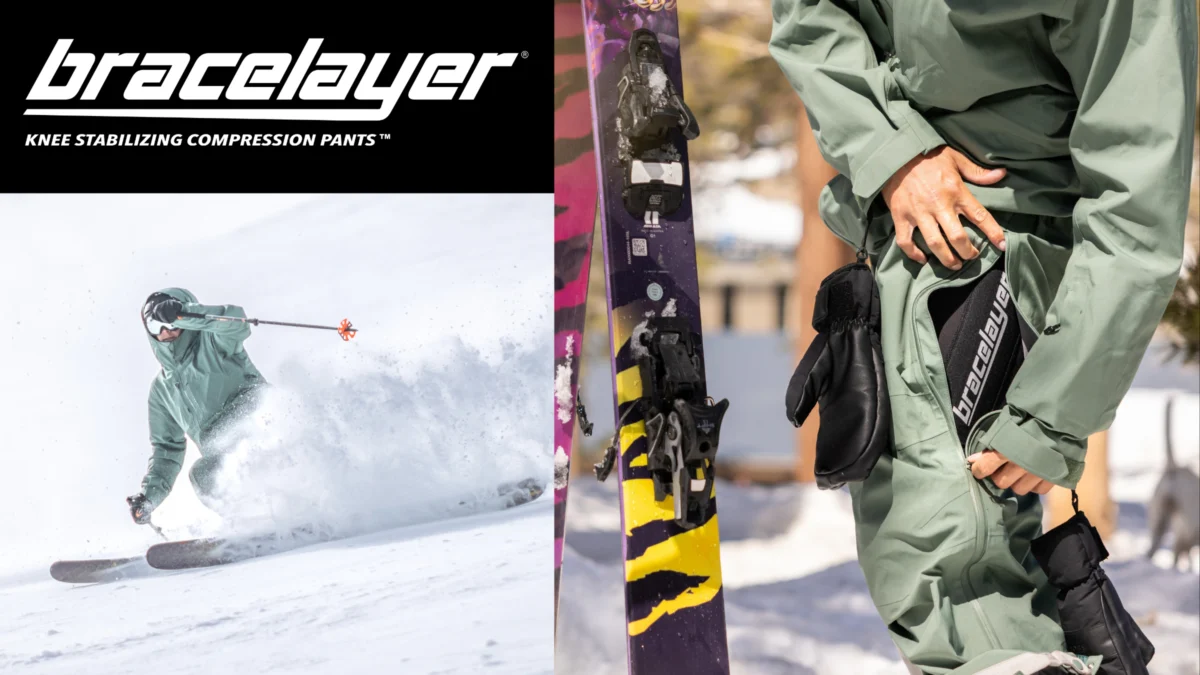
For countless winter sports enthusiasts, the exhilarating rush of carving down a pristine mountain slope is a cherished experience, often synonymous with freedom and rejuvenation. However, for many, the joy of skiing can be significantly curtailed by the persistent presence of knee pain, the lingering effects of past injuries, or the necessity of wearing bulky knee braces. These challenges have historically relegated many to the sidelines or confined them to the gentlest of learning areas. Yet, a significant technological advancement in athletic apparel is poised to redefine the possibilities for these skiers. Bracelayer, a company dedicated to innovative athletic support, has introduced a line of compression pants specifically engineered to provide unparalleled knee support and comfort, potentially allowing skiers to reclaim their passion for the sport without compromise.
Published September 23, 2026, 08:50 AM, this development arrives at a time when winter sports participation continues to be a significant recreational pursuit, with data from the National Ski Areas Association indicating millions of active skiers annually. The inherent biomechanics of skiing, involving repetitive flexion, extension, and rotational forces on the knee joint, coupled with the impact from varied terrain such as moguls and steep inclines, places considerable stress on these critical joints. This physical demand makes knee issues a prevalent concern within the skiing community. Bracelayer’s offering aims to address this directly, moving beyond traditional base layers to integrate functional support directly into the garment.
The Science Behind Bracelayer’s Innovation
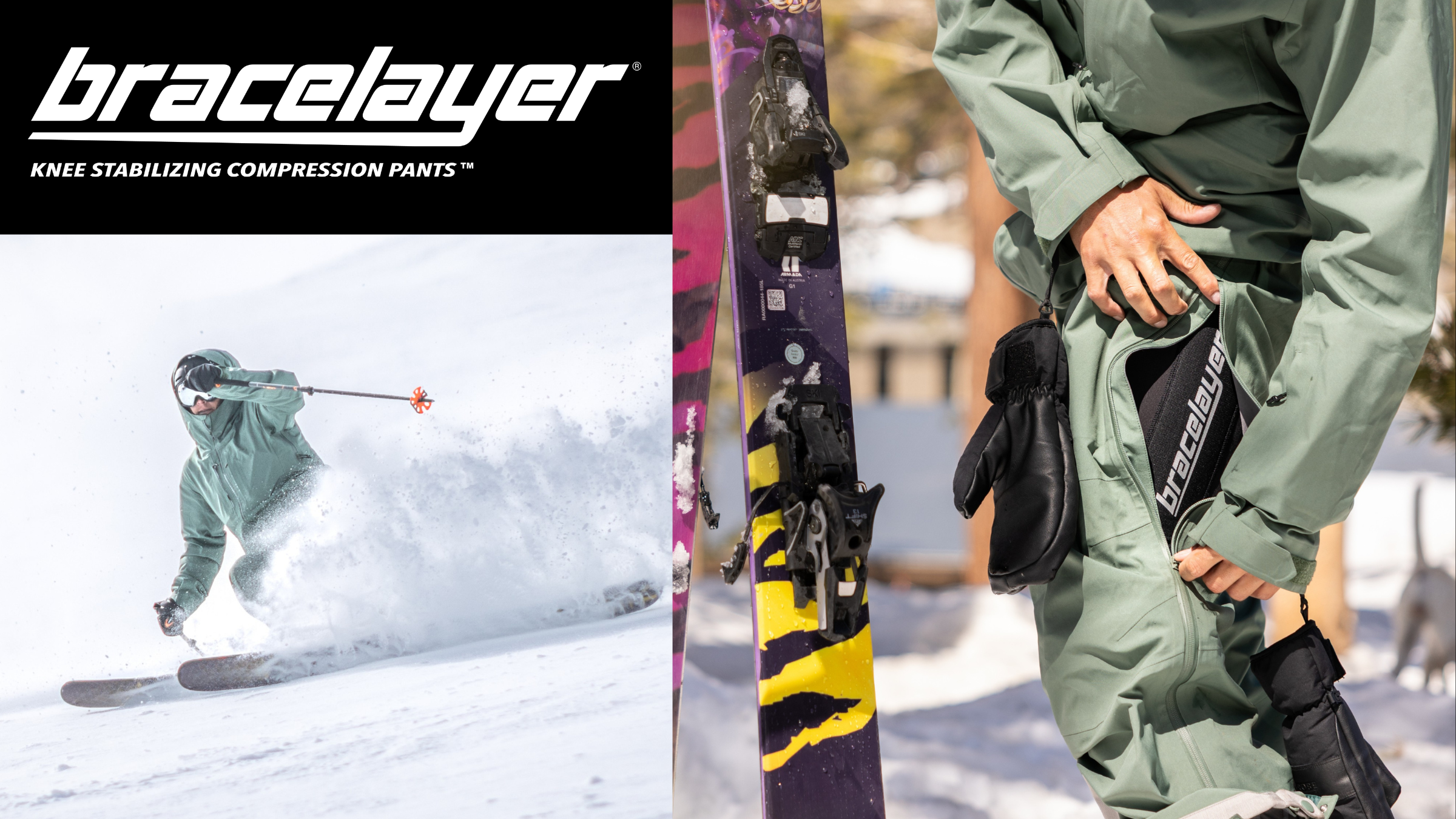
The core of Bracelayer’s design lies in its proprietary Tri-Tech Support Layer, a meticulously engineered system designed to enhance knee and hip stability. This innovative feature is integrated within a foundation of advanced compression fabric, available in two formulations: StabiLuxe® and the more robust StabiLuxe+®. These fabrics are not only moisture-wicking and antibacterial, crucial for comfort during extended periods of physical activity, but also provide a graduated compression that aids circulation and muscle support.
The Tri-Tech Support Layer itself comprises a thin, perforated, medical-grade neoprene sleeve. This sleeve is strategically positioned and held in place by the inner and outer compression layers of the pants. This layered approach ensures that the support is targeted and remains stable, even during the most dynamic movements and on challenging terrain. Crucially, the design is discreet and low-profile, meaning it can be worn comfortably beneath standard ski outerwear without adding bulk. Furthermore, for skiers who rely on custom knee braces, Bracelayer’s compression pants offer an added benefit: they can be worn underneath existing braces, helping to secure them in place and significantly reducing the potential for brace-on-skin friction, a common source of discomfort.
Empirical Evidence of Effectiveness
The efficacy of Bracelayer’s design is not merely anecdotal. The company has supported independent research aimed at quantifying the performance benefits for athletes experiencing knee pain or recovering from knee injuries. These studies involved a series of rigorous tests, including single-leg balance assessments and stability evaluations. Researchers also conducted performance metrics before and after periods of fatigue to simulate the demands of prolonged athletic activity. The findings, as reported by the company and supported by initial research data, indicate that Bracelayer’s compression pants demonstrably improved performance outcomes without imposing any discernible restrictions on movement. This suggests that the integrated support system enhances proprioception and joint stability, allowing athletes to perform with greater confidence and efficiency.
These research findings are particularly significant in the context of sports medicine and athletic performance. By improving balance and stability, Bracelayer’s technology could potentially reduce the risk of further injury by providing a more controlled and supported joint environment. The ability to maintain performance even when fatigued is another critical indicator of a well-designed support system, suggesting that the compression and targeted support contribute to muscular endurance and reduced joint strain over time.
A Timeline of Development and Introduction
While specific dates for Bracelayer’s foundational research and development are not publicly detailed in the provided material, the recent publication of this article in September 2026 signifies a formal introduction or expanded availability of their specialized ski-focused line. The company’s claim of having helped skiers for “more than a decade” suggests a gradual evolution of their technology, from initial concepts to the refined products now being highlighted. This prolonged period of development implies a commitment to iterative improvement, incorporating feedback from athletes and potentially refining the Tri-Tech support system and StabiLuxe fabrics through multiple design cycles. The introduction of four distinct Alpine models indicates a strategic approach to market segmentation, catering to different skier preferences and needs within the winter sports domain.
A Range of Options for Every Skier
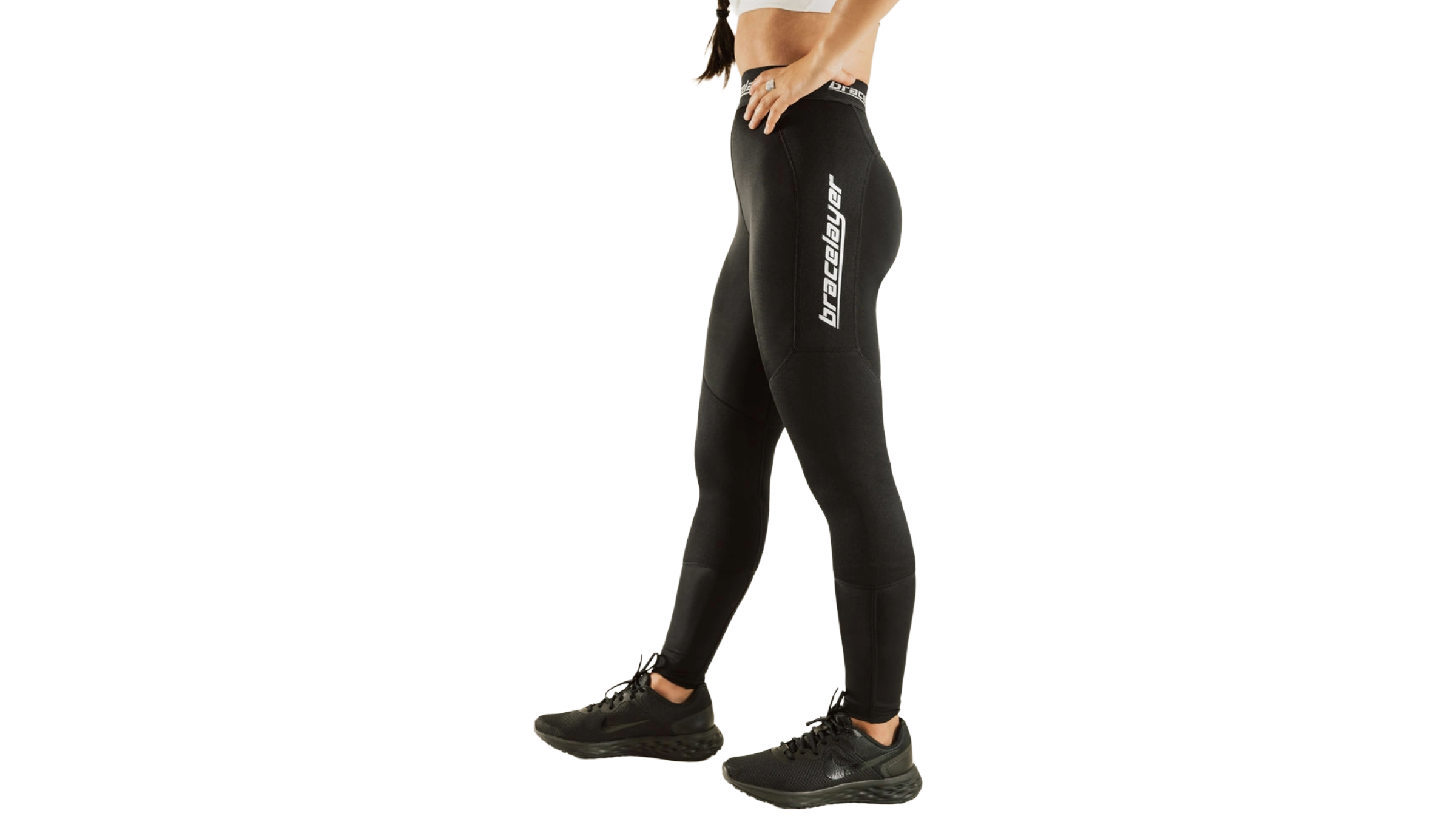
Bracelayer offers a quartet of specialized Alpine designs, each engineered to provide warmth, comfort, and the signature knee support for cold-weather pursuits: the KX2 Alpine, KXV Alpine, KS1 Alpine, and KS1 Alpine Boot Cut. All four models feature the integrated Tri-Tech knee support and are constructed with either StabiLuxe or StabiLuxe+ thermal fabric, incorporating a fleece lining for enhanced warmth. Despite the added thermal properties, the designs maintain a sleek, low-profile aesthetic, ensuring seamless integration into a skier’s existing layering system.
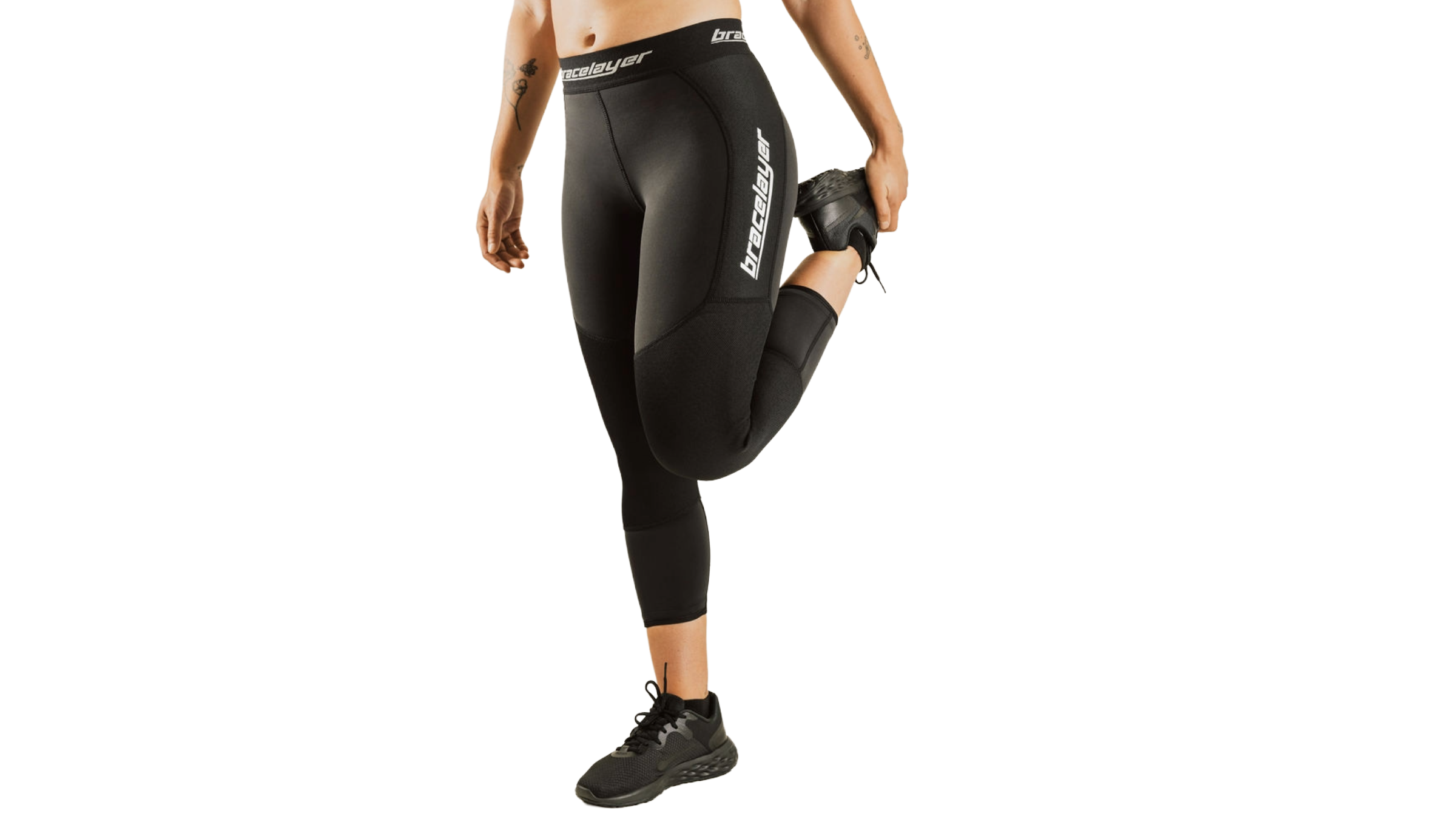
- KXV Alpine: This model is designed with a 1.5mm Tri-Tech Layer and features a boot-cut, 7/8 length, making it compatible with ski boots. It includes an elastic waistband with a non-slip silicone grip and is made from StabiLuxe Thermal compression fabric.
- KX2 Alpine: Featuring a slightly thicker 2mm Tri-Tech Layer, the KX2 Alpine is a full-length option. It also boasts an elastic waistband with a non-slip silicone grip and is constructed with StabiLuxe Thermal compression fabric. This model offers enhanced warmth and a more substantial feel.
- KS1 Alpine Boot Cut: This variant also incorporates a 1.5mm Tri-Tech Layer and a boot-cut, 7/8 length. It utilizes the more compressive StabiLuxe+ Thermal compression fabric for potentially greater muscle support. A key feature of this model is its drawstring waistband and the inclusion of convenient phone pockets.
- KS1 Alpine: The full-length version of the KS1 line, this model also features a 1.5mm Tri-Tech Layer and StabiLuxe+ Thermal compression fabric. It is equipped with a drawstring waistband and phone pockets, offering a balance of support, warmth, and practical utility for all-mountain skiing.
The distinctions between these models primarily lie in the thickness of the Tri-Tech layer, the length of the pant, the type of waistband, and the inclusion of additional features like phone pockets. This variety allows skiers to select a model that best suits their specific needs regarding warmth, fit with ski boots, and desired level of compression and support.
Broader Implications for Winter Sports Participation
The advent of products like Bracelayer’s compression pants has significant implications for the accessibility and longevity of participation in winter sports. By offering a tangible solution for managing knee pain and supporting recovery, these garments can empower a wider demographic of individuals to engage in skiing and snowboarding. This not only benefits the individuals by enhancing their quality of life and recreational opportunities but also contributes to the overall health of the winter sports industry. Increased accessibility can lead to sustained engagement, potentially reversing trends of participation decline due to age-related physical limitations or past injuries.
Furthermore, the integration of medical-grade support technology into athletic wear represents a growing trend in sports science. As understanding of biomechanics and injury prevention deepens, apparel manufacturers are increasingly focusing on creating functional garments that offer more than just basic comfort and insulation. Bracelayer’s approach positions them at the forefront of this movement, demonstrating that advanced support mechanisms can be seamlessly integrated into everyday athletic wear, thereby reducing the barriers to entry and sustained participation in physically demanding activities. The long-term impact could be a generation of skiers who can enjoy the sport for longer periods of their lives, unhindered by common joint ailments.
The company’s ongoing commitment, as evidenced by over a decade of innovation, suggests a future where advanced athletic apparel plays an even more critical role in enabling individuals to pursue their athletic passions, regardless of past physical challenges. Bracelayer’s latest offerings are a testament to this evolving landscape, providing a beacon of hope for skiers looking to reclaim their time on the slopes.
