

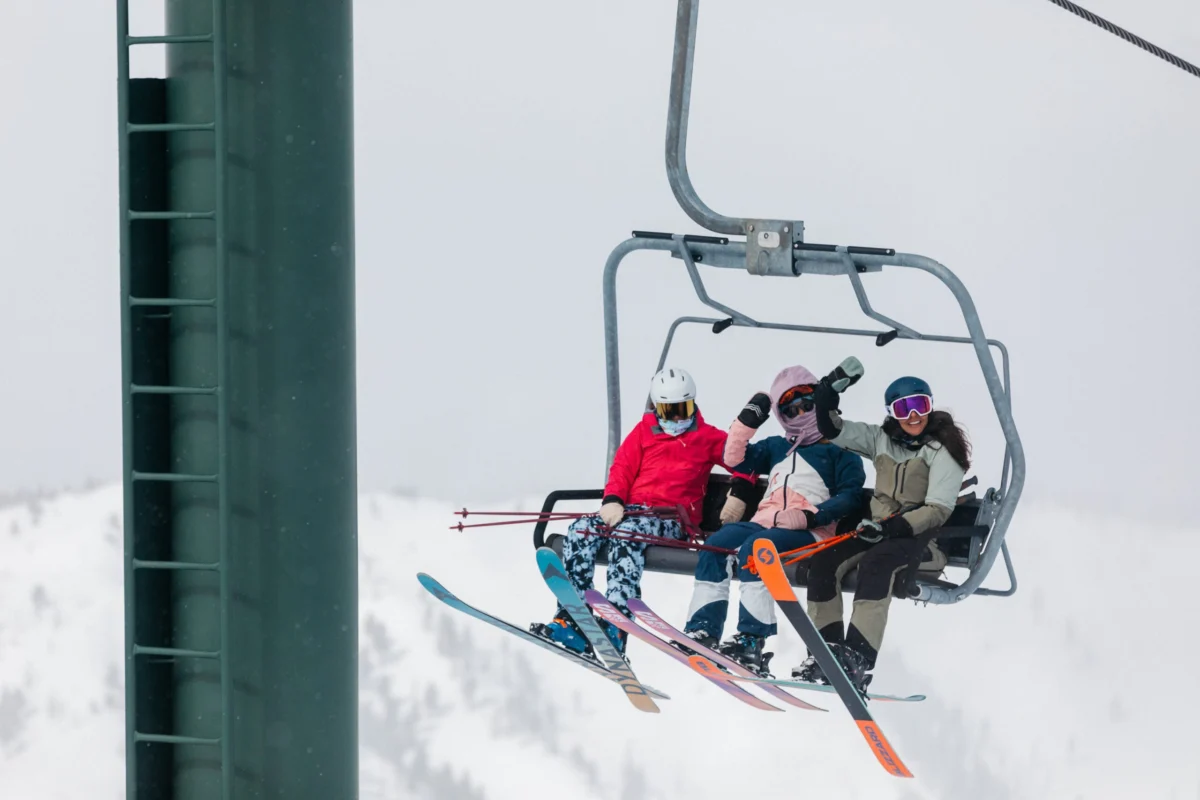
The familiar silhouette of a snowsports enthusiast, often obscured by layers of technical outerwear, helmets, and goggles, can create an air of anonymity on the slopes. This very anonymity, a cherished aspect of the sport allowing for uninhibited enjoyment, has historically made it challenging to pinpoint the exact demographic makeup of the typical participant. However, recent data released by the National Ski Areas Association (NSAA) offers a revealing glimpse behind the gear, painting a detailed picture of who is hitting the slopes and, more importantly, who might be joining them in the future.
The latest findings from the NSAA’s 2025-2026 Kottke End of Season and Guest Experience Study indicate that the quintessential U.S. snowsports participant remains a 34-year-old white male who prefers skis over a snowboard. This profile, while established, is showing subtle yet significant shifts, particularly at the entry level, suggesting a potential evolution in the snowsports landscape.
Deconstructing the Traditional Snowsports Demographic
According to the comprehensive NSAA report, which analyzes data from the recently concluded 2025-2026 ski season, the gender distribution among snowsports participants leans male, with 64 percent identifying as such, compared to 36 percent female. In terms of race and ethnicity, a significant majority, 89 percent, identified as white. The median age for participants across all disciplines was 34 years old. Furthermore, the data reinforces the enduring popularity of skiing, with 72 percent of all skier visits attributed to individuals on skis, while snowboarders accounted for the remaining 28 percent.
This demographic snapshot aligns with historical trends, though subtle variations are emerging. For instance, in the preceding 2024-2025 season, the median age was 38, and in the 2023-2024 season, it was 37. The notable drop to a median age of 34 in the 2025-2026 season is a significant indicator, suggesting a potential influx of younger participants into the sport. This four-year decline in median age is a departure from the generally stable age demographic observed in previous years and warrants closer examination.
Nuances in Racial and Ethnic Identity
While the NSAA data reports 89 percent of participants identifying as white, it’s crucial to understand the methodology and the evolving nature of self-identification. The NSAA specifies that guests are invited to self-identify their race and/or ethnicity, with the option to select multiple categories. This inclusive approach allows for a more accurate reflection of diverse backgrounds.
An important contextual note from the NSAA highlights a trend: the percentage of individuals identifying as "white alone" (and not also identifying with other racial or ethnic groups, including Hispanic or Latino) has decreased by 13 percentage points since 2010. This decline suggests a growing segment of participants who embrace a mixed racial or ethnic identity, contributing to a more nuanced understanding of diversity within the snowsports community. This subtle shift, while not drastically altering the overall "white" majority figure, points towards a more complex and potentially more inclusive demographic composition than a simple percentage might suggest.
Geographic Preferences and Seasonal Trends
The study also shed light on preferred skiing destinations. During the 2025-2026 season, the Rocky Mountain region emerged as the most popular destination for snowsports enthusiasts, attracting over 38 percent of participants. The Northeast followed closely, with 25 percent of participants choosing to ski in this region. These preferences are largely consistent with established patterns, indicating a continued draw to these iconic mountain ranges for their diverse terrain and snow conditions.
The Shifting Tide: Emerging Trends at the Entry Level
The most compelling aspect of the 2025-2026 NSAA data lies not in the confirmation of the traditional participant profile, but in the indicators of change at the foundational level of the sport. Mike Reitzell, President and CEO of the NSAA, emphasized the industry’s ongoing commitment to expanding its reach, particularly to younger demographics and underrepresented groups.
"Introducing more people to skiing and snowboarding, especially among younger generations, will always be a central focus for the U.S. ski industry," Reitzell stated in an interview with SKI. "That means reaching people we have not reached before and making sure that when they try us out, their experience meets or exceeds their expectations, so they want to return."
Reitzell further elaborated on the demographic shifts observed, noting, "The clearest movement we see in demographic trends is at the entry point, where more beginner visits are made by women and younger participants who are roughly twice as diverse as participants over 55." This observation is critical. It suggests that while the overall median age and racial composition might still reflect established patterns, the pipeline for future participants is showing a more diverse and youthful face.
Implications for the Future of Snowsports
This trend of increased diversity and youthfulness among beginners holds significant implications for the long-term health and evolution of the snowsports industry. Attracting new and diverse participants is not merely about broadening appeal; it’s about ensuring the sustained growth and vitality of a sector that has faced fluctuating visitation numbers.
Preliminary data for the 2025-2026 season indicates an estimated 52.6 million snowsports visits to U.S. ski areas. This figure represents a 9.1 percent decrease from the 10-year average. This dip follows a stronger 2024-2025 season with 61.6 million visits and falls short of the record-breaking 2022-2023 season, which saw 65.38 million skier visits. The decline in overall visits underscores the importance of cultivating new enthusiasts.
The growing diversity and youthfulness among beginners offer a promising avenue for reversing this trend. If these new participants have positive initial experiences, the likelihood of them returning and becoming lifelong skiers or snowboarders increases. This, in turn, can lead to a more robust and sustainable industry, less susceptible to the fluctuations that can impact established participant bases.
The NSAA’s findings, therefore, offer a dual perspective: a snapshot of the current, largely traditional, snowsports participant, and a forward-looking indicator of a more diverse and youthful future. The challenge for the industry, as highlighted by Reitzell, lies in effectively engaging these emerging demographics, ensuring their initial forays into snowsports are welcoming, accessible, and enjoyable, thereby fostering a new generation of enthusiasts who will shape the future of the mountains. The data suggests that while the image of the 34-year-old white male skier may still dominate the slopes today, the person joining him on the chairlift tomorrow might increasingly represent a different story.
