

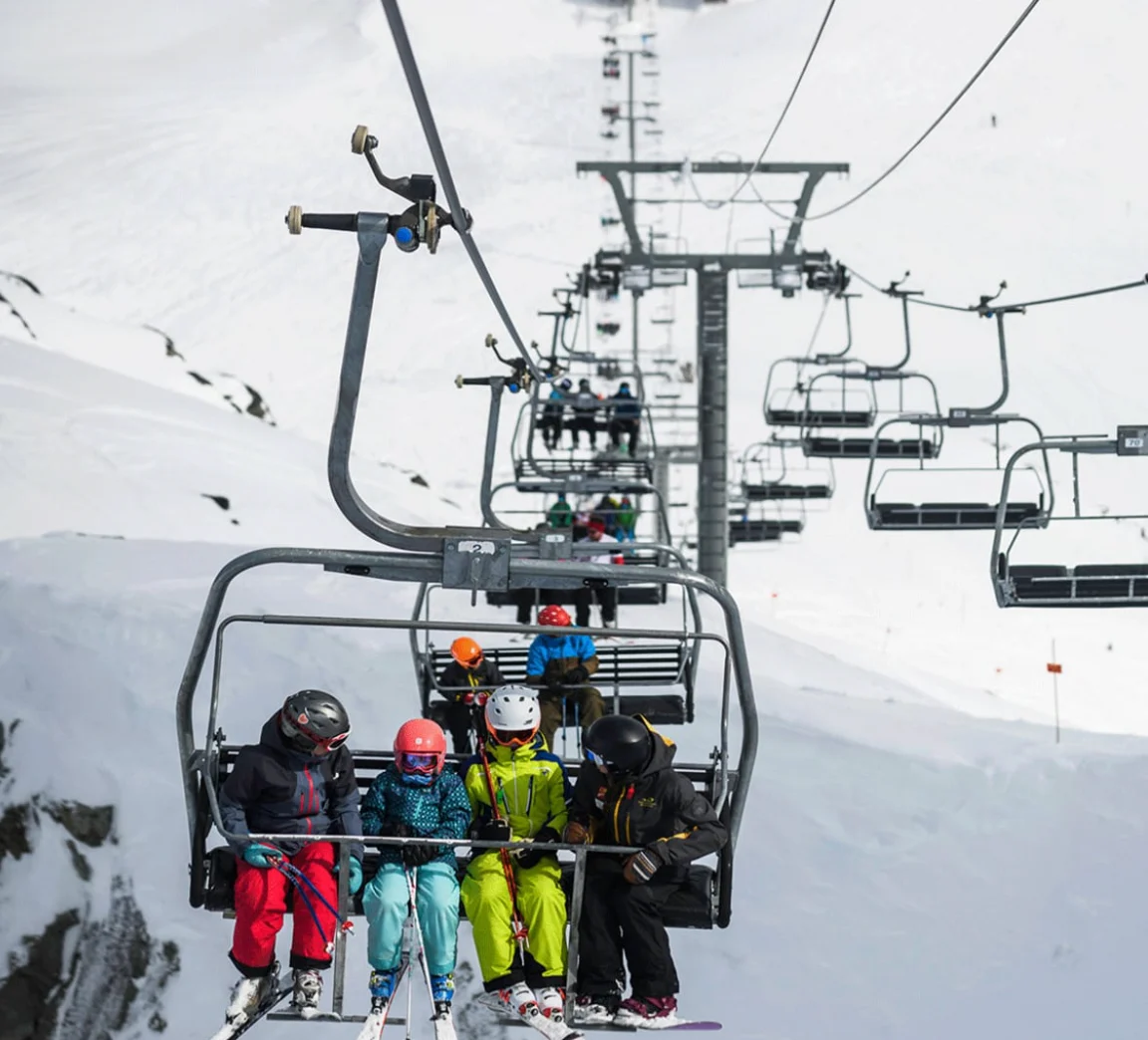
January 2011 marked a stark realization for many aspiring ski vacationers, a lesson etched in the snow-covered slopes of Steamboat. What began as an eager booking for a "swanky ski-in/ski-out condo" for a family ski weekend quickly unraveled into a logistical nightmare. The online allure of a "newly built, roomy, luxury amenity" property dissolved when the reality of its location emerged: the sole route to the base village was an intermediate ski run. This oversight, while seemingly minor, highlighted a critical truth: a seamless ski trip commences not with the first downhill glide, but with meticulous pre-trip planning. The experience of this family, with three young boys – two slated for ski lessons and one for resort daycare – and an infant, underscored the complex interplay of factors that can elevate a ski getaway from idyllic to exasperating.
The intrinsic nature of ski destinations presents unique logistical challenges absent in more conventional vacation settings. Remote mountain locales are susceptible to unpredictable winter weather, leading to potential road closures, flight cancellations, and altered travel times. A seemingly convenient "15 minutes from the resort" as indicated by mapping services can transform into an arduous journey during an early morning snowstorm, especially when navigating with young children and essential gear. While individual missteps may not inherently ruin a vacation, a confluence of several common planning errors can consume valuable vacation time and financial resources, addressing avoidable predicaments. This analysis delves into the most prevalent planning oversights, offering insights gleaned from years of ski travel experience and industry observation.
The Hidden Costs of Budget Lodging
A prevalent pitfall is the allure of the cheapest lodging option, often situated a significant distance from the ski resort. While a savings of $100 per night may appear substantial, a closer examination of the true cost reveals a different picture. The advertised 45-minute drive can easily double or triple on a powder day due to traffic congestion, treacherous icy roads, and the necessity of parking and utilizing resort shuttles. This does not account for the time required to outfit an entire family in ski attire, a process that can consume a considerable portion of the morning before even reaching the ski lifts.
Furthermore, the end-of-day fatigue amplifies the inconvenience of a lengthy commute. After a full day on the slopes, the prospect of navigating a snowy mountain highway for an extended period back to a distant hotel is often met with reluctance. While staying further afield can be a strategic choice for budget-conscious travelers, the decision should not be based solely on the nightly rate. A comprehensive cost-benefit analysis must include drive time, parking fees, resort transportation availability, included amenities such as breakfast, and the cumulative time invested in daily transit to and from the mountain. The ostensibly cheapest accommodation may, in reality, represent a more expensive and inconvenient option when all factors are considered.
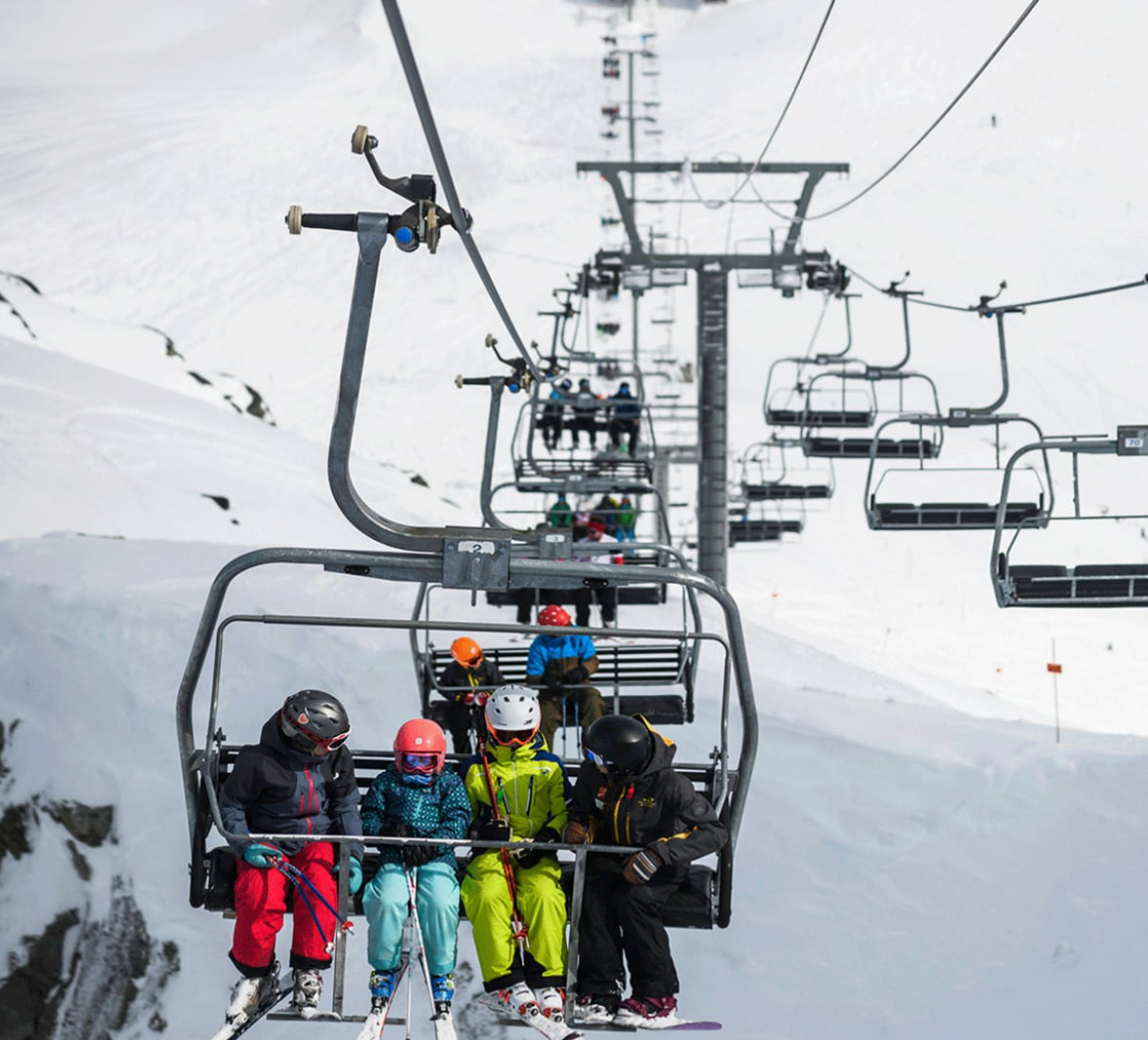
Strategic Airport Selection: Beyond Proximity
The closest airport to a ski destination is not invariably the optimal choice. Many mountain resorts are served by regional airports that are highly vulnerable to winter weather disruptions. These airports often feature limited flight schedules and challenging topography, making them prone to closures during adverse conditions. In contrast, slightly more distant airports may offer a greater number of nonstop flights, greater storm stability, and more robust contingency plans for weather-related disruptions.
A thorough pre-flight assessment should extend beyond the mere mileage between the airport and the resort. Travelers should investigate the frequency of flights operated by their chosen airline, the availability of nonstop options from their home airport, historical data on winter flight delays and cancellations, and the projected driving conditions between the airport and the mountain. Crucially, building a buffer into travel plans is paramount. A two-hour drive that is manageable in clear weather can become an insurmountable obstacle during a significant snowstorm. The objective is to identify the most reliable travel route, not merely the shortest.
The Rental Car Conundrum: Convenience vs. Complexity
Many travelers, accustomed to the autonomy offered by rental cars, assume this convenience extends to ski vacations. However, ski towns often boast comprehensive public transportation networks, including airport shuttles, resort buses, local transit systems, and hotel shuttles. In many cases, walkable village areas further diminish the necessity of a personal vehicle. The added expenses of rental fees, parking, and fuel, coupled with the potential challenge of navigating unfamiliar, snowy roads, can render a rental car more of a liability than an asset.
Conversely, a rental car can be indispensable for specific travel scenarios. This includes staying outside the primary resort village, planning to visit multiple ski areas, or intending to explore regions beyond the immediate destination. A detailed itinerary assessment is crucial before committing to a rental. This should encompass the entire journey: airport-to-lodging transportation, daily transit to the ski lifts, parking arrangements, and plans for non-skiing days. A realistic cost-benefit analysis will determine if the perceived freedom of a rental car justifies its associated expenses and logistical complexities.
Deconstructing "Ski-In/Ski-Out": Verifying True Accessibility
The term "ski-in/ski-out" is frequently employed in ski lodging marketing, often with a degree of hyperbole. A property may technically qualify for this designation while still requiring a strenuous hike in ski boots, a challenging traverse to a lift, or a difficult run back to the accommodation. This can be particularly problematic for beginners and families with young children.

Furthermore, the accessibility of ski-in/ski-out properties can fluctuate significantly with snow conditions. A property that offers seamless slope access during periods of ample snow coverage may become less convenient early or late in the season, necessitating a walk to a bus stop or even a drive to the base area. Prospective renters should meticulously examine property locations on detailed trail maps, not solely relying on marketing descriptions. Verifying the exact entry points to the ski area, the specific lifts accessible, and the difficulty of the return route is essential, especially when traveling with less experienced skiers. For those prioritizing direct slope access, a thorough confirmation of what the "ski-in/ski-out" designation truly entails is a worthwhile investment.
The Perils of Last-Minute Lesson Bookings
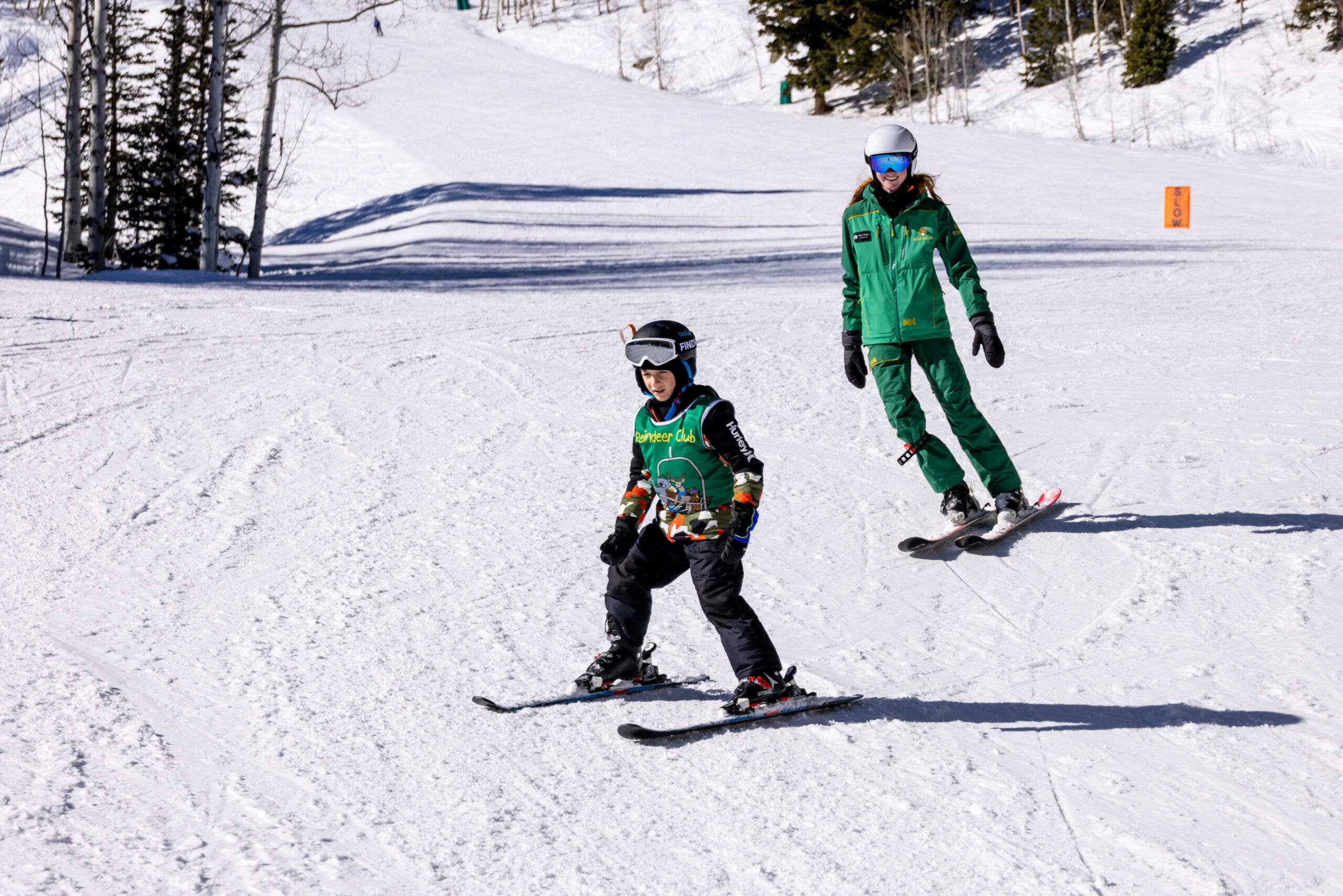
A common oversight is the assumption that ski lessons can be booked upon arrival at the resort. This strategy often proves untenable, as popular group and private lessons, particularly for children, frequently sell out weeks in advance, especially during peak holiday periods. The competition for lesson slots can be intense, sometimes influencing travel dates. For instance, a Tuesday lesson might be available when weekend slots are fully booked.
The same urgency applies to securing spots in infant and children’s daycare facilities, particularly during holiday weeks. Failure to book these services in advance can lead to a scenario where parents must forgo skiing to provide childcare, significantly detracting from the intended vacation experience. Proactive booking of lessons and childcare is crucial to ensure that all members of the party can participate in planned activities.
Navigating Lift Ticket and Pass Restrictions
Purchasing lift tickets or multi-resort passes without a thorough understanding of their terms and conditions can lead to unexpected limitations and expenses. Many passes are subject to blackout dates, require advance reservations, or impose restrictions on the number of days at specific resorts. Some resorts may mandate reservations during peak periods, even for day ticket holders. The pricing of day tickets can also vary significantly based on the purchase date.
It is imperative to scrutinize the specific restrictions applicable to the planned skiing dates, rather than relying solely on a list of included resorts. This is particularly relevant for holders of multi-resort passes such as Epic, Ikon, Mountain Collective, or Indy Pass. The presence of a resort logo on a pass does not guarantee unlimited access on any given day. A few minutes spent reviewing the fine print before purchasing can prevent costly surprises at the ticket window.
Weathering the Storm: Realistic Expectations for Ski Days
While the anticipation of a powder day is a cornerstone of ski vacation excitement, basing an entire trip’s itinerary around this hope can lead to disappointment. The reality of winter travel is that weather patterns are rarely predictable enough to align perfectly with a vacation schedule. A storm may arrive before departure or depart just as the vacation begins. Wind conditions can lead to lift closures, and prolonged warm spells can impact snow quality.
Maintaining flexibility is key. If planning to ski at multiple resorts, avoid rigidly scheduling ambitious itineraries months in advance. For week-long stays, consider leaving at least one day unallocated to capitalize on optimal conditions as they arise. Beyond snowfall, other weather-related factors can impact a ski trip, including flight delays, road closures, avalanche mitigation efforts, high winds, and lift disruptions. A well-planned ski vacation allows for the inherent variability of mountain weather, acknowledging that even an "angry day" on the mountain can present opportunities for different experiences.
The Underestimated Journey: Airport to Mountain and Back
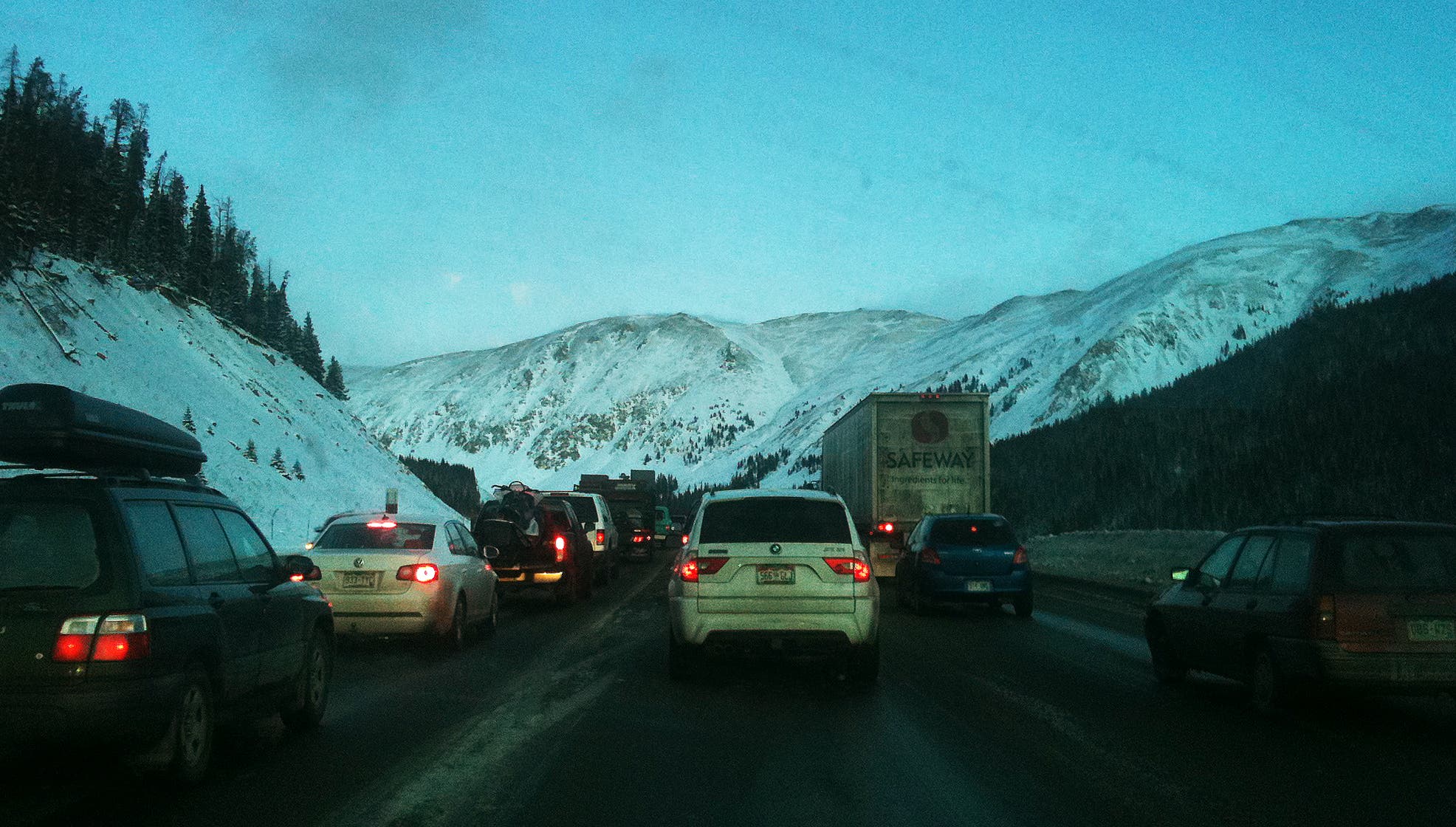
The perceived accessibility of mountain destinations, often projected by mapping services on clear, sunny days, can be deceptive. A 90-mile drive that appears to take an hour and a half in ideal conditions can be significantly extended by winter weather, traffic congestion, road construction, or mandatory tire chain regulations.
First-day logistics also require realistic consideration. A midday flight arrival necessitates time for baggage claim, rental car pickup or shuttle transfer, the drive to the resort, check-in procedures, grocery shopping, equipment rental, and settling into accommodations. The expectation of skiing on the afternoon of arrival is often unrealistic. Similarly, booking an early morning departure flight without accounting for potential winter travel challenges can result in missed flights. Numerous anecdotes exist of travelers missing flights due to an inability to reach the airport on time amidst storms or weekend traffic.
Streamlining Ski Rental and Gear Logistics
The process of renting skis, boots, helmets, and other equipment should not be left to chance upon arrival. Rental shops, particularly during holiday periods and popular powder weekends, can experience significant demand. Boot fitting alone can be a time-consuming process. For children, equipment may need to be swapped as they grow, adding another layer of complexity. Renting high-performance demo equipment can further limit availability during peak times.
To avoid being turned away or facing lengthy queues, advance reservations are strongly recommended. Identifying a rental shop conveniently located near one’s lodging or one that offers delivery services can significantly streamline the process. The same due diligence applies to personal gear. Discovering a scratched goggle, a missing glove, or a lost ski jacket the night before the first ski day can lead to costly purchases at resort gear shops, where prices often rival walk-up lift ticket rates.
The Differentiated Nature of Ski Vacations
Perhaps the most overarching mistake is treating a ski vacation as analogous to any other type of holiday. Ski trips possess a greater number of interdependent variables than, for instance, a beach vacation. The success of a ski trip hinges on the availability of lifts, snow conditions, road accessibility, daylight hours, pre-booked lessons, equipment rentals, transportation schedules, and the prevailing weather. Unlike a city break where spontaneous decisions are more feasible, a ski trip often requires advance planning and adherence to a structured schedule.
This is not to advocate for an overly rigid itinerary. Rather, the critical decisions regarding transportation, lodging verification, lesson bookings, pass restrictions, and daily lift access should be made well in advance. This foundational planning allows for a more relaxed experience once at the destination. By addressing the logistical groundwork, vacationers can dedicate their time and energy to the aspects that truly define a ski trip: identifying optimal snow conditions, selecting the best ski routes, and discovering the most inviting après-ski establishments once the lifts cease to operate. The ultimate goal is to transform potential logistical hurdles into seamless transitions, allowing the true joy of the mountain experience to take center stage.
