

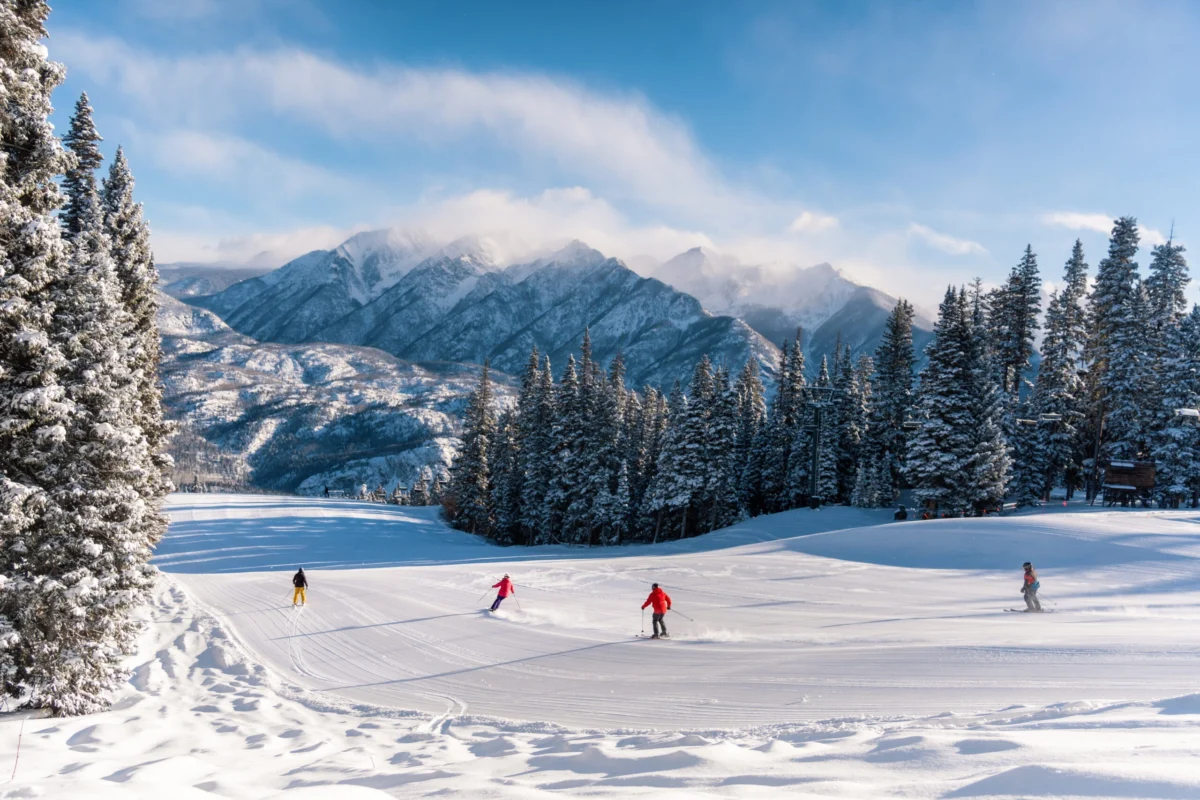
As the crisp air of autumn signals the approaching winter, skiers and snowboarders nationwide begin their annual pilgrimage to secure the most advantageous ski pass. While the titans of the industry, Epic and Ikon, dominate headlines with their vast networks of world-renowned resorts, a compelling alternative is steadily gaining traction: the Power Pass. For value-conscious winter enthusiasts, particularly those with a strong affinity for the Southwest’s unique ski offerings, the Power Pass presents a distinct proposition that warrants careful consideration for the 2026-2027 season.
The Power Pass: A Southwest-Centric Strategy
The Power Pass, operated by Mountain Capital Partners, distinguishes itself through a strategic focus on a curated collection of resorts primarily located in the American Southwest, with extensions into other key Western states and even international locales. This multi-mountain pass grants access to a portfolio that includes Purgatory and Pajarito Mountain in Colorado, Arizona Snowbowl in Arizona, Brian Head and Nordic Valley in Utah, Sipapu and Sandia Peak in New Mexico, and Lee Canyon in Nevada. The geographical concentration of these resorts fosters a unique road-tripping potential for skiers residing within or traveling through this region.
Beyond its core Southwest footprint, the Power Pass extends its reach significantly. Passholders gain access to Willamette Pass in Oregon, broadening its appeal to the Pacific Northwest. Furthermore, the pass offers a compelling international dimension with unlimited skiing at Valle Nevado and La Parva in the Chilean Andes, effectively enabling enthusiasts to extend their winter season into the Northern Hemisphere’s summer months. Complementing its winter offerings, the Power Pass includes a year-round perk with mountain biking access at Spider Mountain Bike Park in Texas, adding a layer of multi-season value.
Differentiating Factors in a Crowded Market
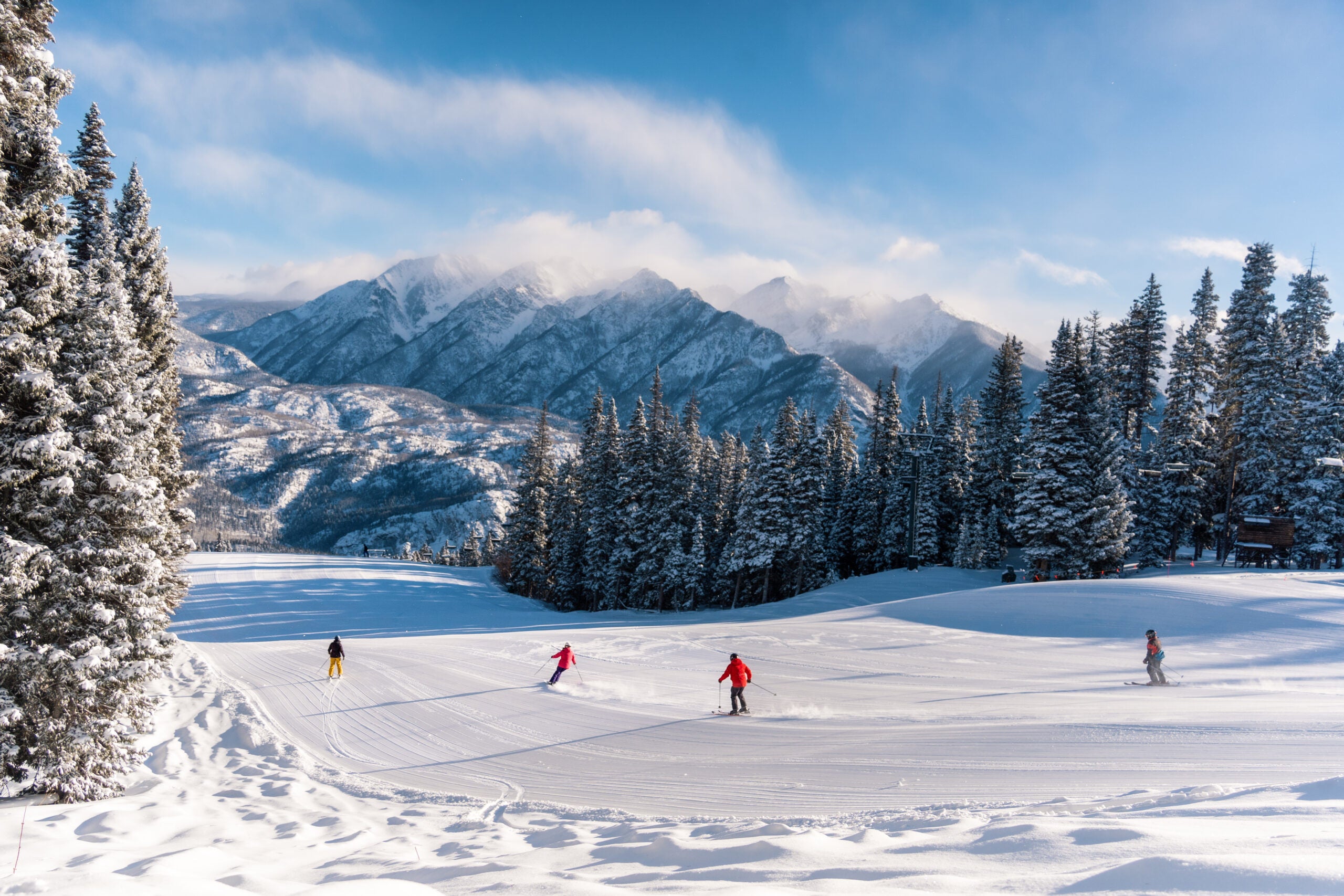
The landscape of ski passes has become increasingly consolidated, with Epic and Ikon Passes offering access to dozens of premier, large-scale resorts. These mega-passes often appeal to those seeking extensive terrain, a wide array of amenities, and convenient air travel access to destination ski towns. The Power Pass, however, is designed with a different skier in mind. Many of its participating mountains are smaller, regional ski areas that prioritize a more intimate and accessible ski experience.
This distinction is not a limitation but rather a strategic advantage for a specific segment of the skiing population. For individuals living within driving distance of multiple Power Pass resorts, or those who enjoy the adventure of exploring a series of smaller mountains on a road trip, the pass offers unparalleled convenience and value. The absence of blackout dates on the full Power Pass at participating mountains further enhances its appeal, providing unrestricted access throughout the season.
Analyzing the 2026-2027 Winter Outlook for the Southwest
The forthcoming 2026-2027 winter season holds particular interest for Power Pass holders and prospective buyers, especially in light of meteorological forecasts for the Western United States. According to Sam Collentine, a meteorologist at OpenSnow, the anticipated El Niño pattern for the upcoming winter suggests a "mixed bag for much of the Western United States, with the strongest signal being average to above-average snowfall for the Southwest."
This projection is significant for the Power Pass network. An active southern storm track, often associated with El Niño events, could deliver favorable snow conditions to resorts like Purgatory, Arizona Snowbowl, and Sipapu, areas that are central to the Power Pass’s regional appeal. Historically, El Niño patterns have often brought improved snowfall to states like Colorado, New Mexico, and Arizona, potentially translating into more powder days for skiers in these regions.

However, it is crucial to temper expectations with a nuanced understanding of seasonal forecasts. Collentine himself cautions that "the historical El Niño pattern doesn’t hold 100 percent of the time." Broad weather patterns do not guarantee specific snowfall amounts at individual resorts, and microclimates can lead to significant variations in snow depth from one mountain to another. Nonetheless, the potential for enhanced snowfall in the Southwest during the 2026-2027 season certainly adds an attractive dimension to the Power Pass’s regional offering.
The Enduring Appeal of Smaller Mountains
The Power Pass inherently prompts a larger discussion within the skiing community about the perceived value of mega-resort experiences versus the charm of smaller, more localized ski areas. While major destinations boast sprawling villages, extensive dining options, and luxury accommodations, many Power Pass mountains offer a simpler, more focused approach to the ski day.
Resorts such as Sipapu, Pajarito, and Sandia Peak may not be the primary destinations for week-long ski vacations for skiers from distant regions. However, for those based in or traveling through the Southwest, the Power Pass facilitates the creation of multi-mountain ski itineraries, allowing for a diverse and engaging ski experience that is not tethered to a single, dominant resort.
The trade-offs associated with smaller mountains are acknowledged. Skiers may encounter less extensive terrain, a more limited selection of dining and lodging, and fewer on-mountain amenities compared to their larger counterparts. Yet, these very characteristics contribute to their unique appeal. Smaller mountains often foster a more relaxed atmosphere, are easier to navigate, and typically feature shorter lift lines. They retain a distinct local character that can sometimes be diluted at massive destination resorts.
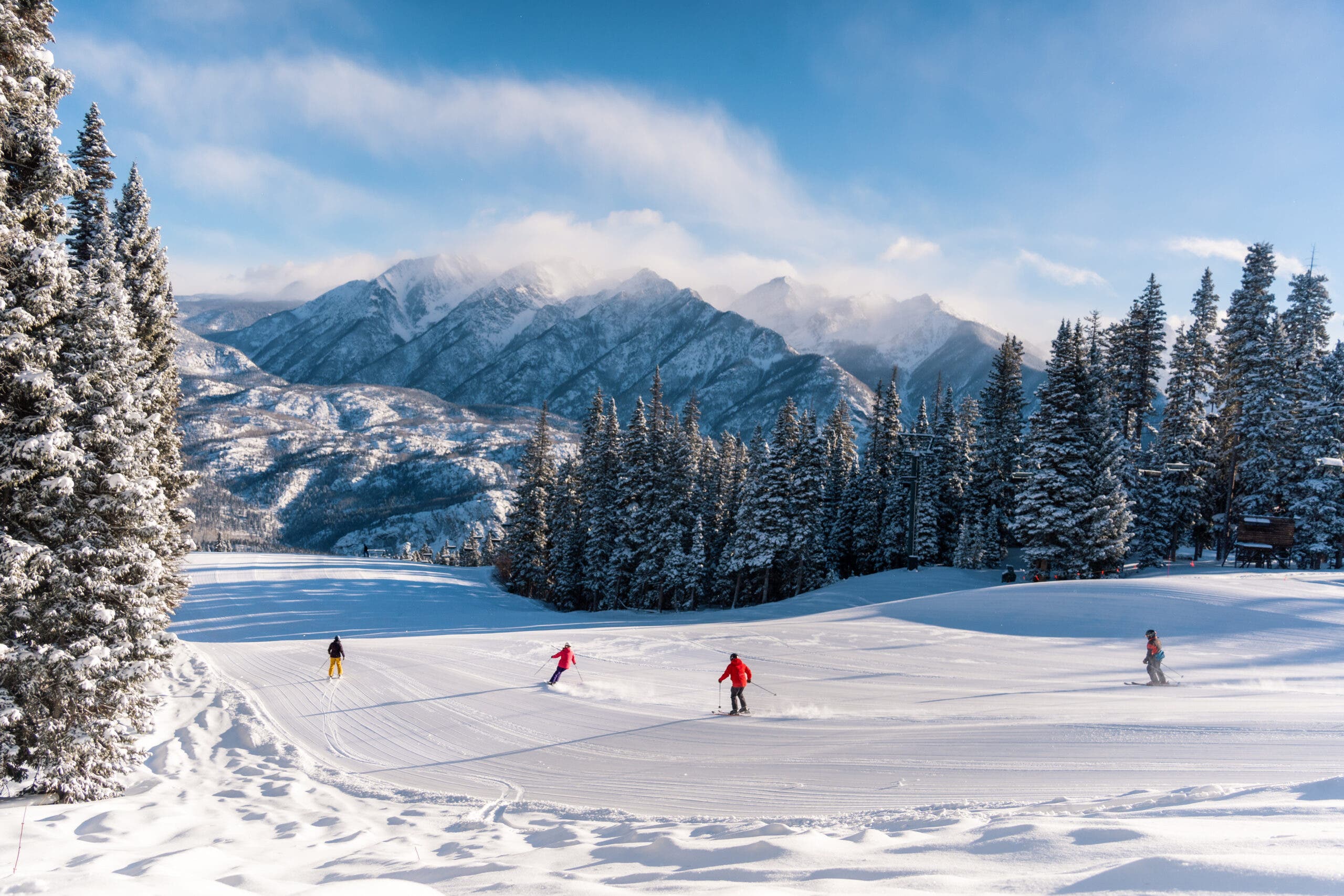
For families and beginner skiers, the compact nature of these mountains can be a significant advantage, simplifying meetups, group tracking, and overall exploration without the logistical complexities of traversing vast resorts. Advanced skiers, while potentially finding fewer long, continuous runs, can benefit from the reduced crowds, allowing fresh powder to remain skiable for extended periods. Moreover, the convenience of being able to strap on skis and walk a short distance to the lift, without the need for extensive base village infrastructure or shuttle services, is a significant draw for many.
Examining the Added Benefits of the Power Pass
Beyond direct lift access, the Power Pass incorporates a range of supplementary benefits designed to enhance its overall value proposition for the 2026-2027 season. A notable feature is the provision for children aged 12 and under to ski free with the purchase of a full Power Pass. This family-friendly benefit, coupled with age-based tiers for younger adults and seniors, can significantly reduce the cost of a family ski trip.
Partner resort benefits also offer considerable value, particularly for passholders whose existing travel plans align with these collaborations. Full Power Pass holders receive three days each at Monarch Mountain, Sundance, and Loveland, providing opportunities to explore additional resorts without the need for separate lift tickets. The inclusion of up to 10 days split between Valle Nevado and La Parva in Chile offers an exceptional opportunity for those with the means and desire to experience Southern Hemisphere skiing, effectively extending the ski season into the summer months.
Additional perks, such as discounted friend tickets, savings on select dining, retail purchases, lessons, and rentals, contribute to reducing the overall expenditure associated with a ski season. While these are valuable additions, their impact is secondary to the fundamental question of how frequently a passholder intends to utilize the core offering: skiing the included mountains.

Identifying the Ideal Power Pass User
Ultimately, the determination of whether the Power Pass represents a sound investment hinges on a realistic assessment of an individual’s skiing habits and geographical location. For skiers residing in the Southwest, the pass’s concentrated network of accessible mountains makes it a particularly practical and cost-effective choice. Families may find the generous children’s pricing to be a significant draw, while the variety of resorts within the pass network appeals to road-trippers seeking diverse skiing experiences.
The calculus shifts considerably for individuals who primarily rely on air travel to access ski destinations. An East Coast skier planning a single, major ski vacation might find greater utility in passes like Epic or Ikon, which offer access to a wider array of internationally recognized destination resorts and potentially more convenient flight connections. When factoring in the costs of airfare, ground transportation, and accommodation in popular ski towns, the concentrated regional benefit of the Power Pass may be less compelling for such travelers.
In conclusion, the Power Pass should not be viewed as a direct substitute for the dominant mega-passes in the market. Instead, it represents a distinct and valuable product tailored to a specific demographic. For skiers whose geographical proximity, preferred resort style, and budget align with its offerings, the Power Pass stands as a compelling and often overlooked option for maximizing winter recreation value during the 2026-2027 ski season.
