

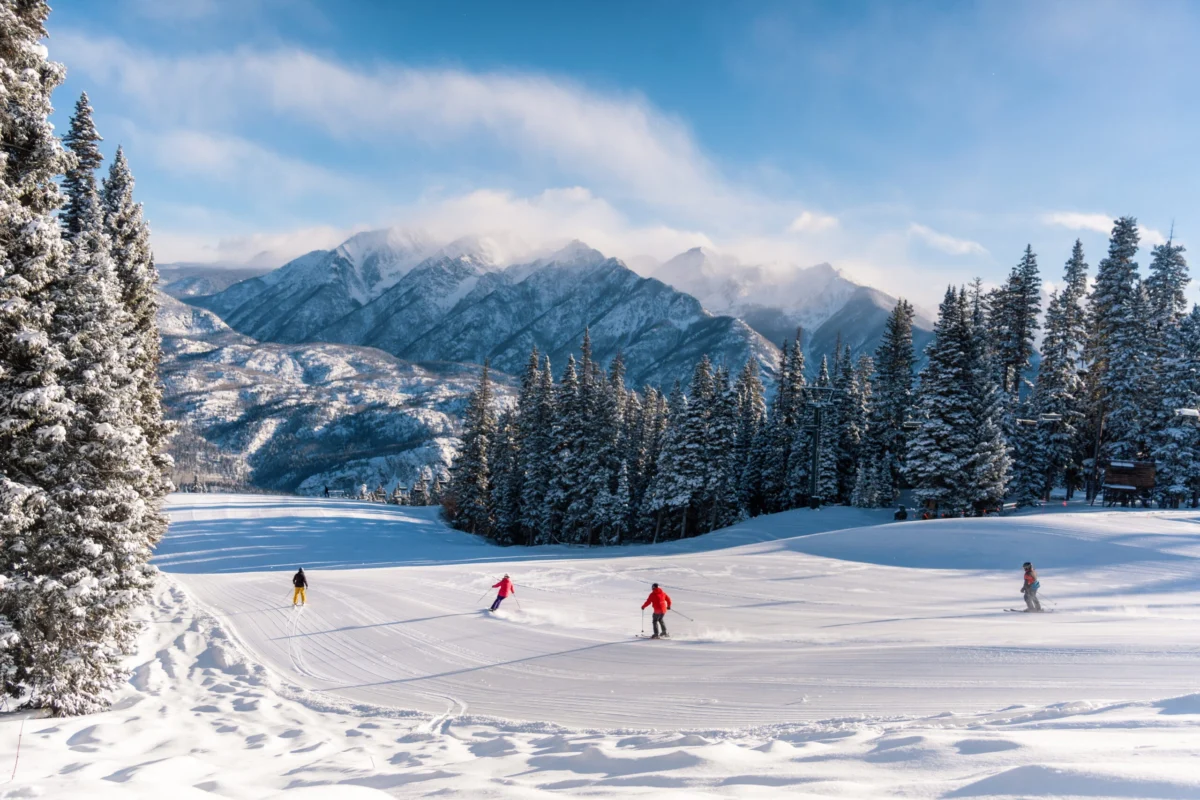
As the ski industry continues to evolve, offering a diverse range of multi-resort passes, an alternative to the dominant players like Epic and Ikon is carving out its niche. The Power Pass, with its strategic focus on the American Southwest and beyond, presents a compelling value proposition for a specific segment of skiers. This pass, less frequently discussed in mainstream ski media, caters to those who prioritize regional access, a less crowded mountain experience, and potentially a more budget-friendly approach to season-long skiing. Its appeal lies not in mimicking the vastness of mega-pass networks, but in offering a curated selection of resorts that resonate with local skiers and adventurous road-trippers alike.
Understanding the Power Pass Ecosystem
The Power Pass is a multi-mountain ski pass designed to provide access to a curated collection of resorts, primarily situated in the Southwestern United States. This strategic footprint encompasses key skiing states including Colorado, Arizona, Utah, New Mexico, Nevada, and extending into Oregon. The core of the Power Pass network features resorts such as Purgatory in Colorado, Arizona Snowbowl in Arizona, Brian Head in Utah, Sipapu and Pajarito in New Mexico, Lee Canyon in Nevada, Nordic Valley in Utah, Willamette Pass in Oregon, and Sandia Peak in New Mexico. The premium tier of the pass typically offers unlimited skiing at these participating locations without any blackout dates, a significant draw for dedicated skiers.
Beyond its continental reach, the Power Pass extends its offerings internationally, granting passholders access to Valle Nevado and La Parva in the Chilean Andes. This inclusion opens up the unique opportunity for year-round skiing, allowing individuals to experience the Northern Hemisphere’s summer months on the slopes of South America. Furthermore, the pass addresses the off-season with a warm-weather perk: access to mountain biking at Spider Mountain Bike Park in Texas, adding value for the active outdoor enthusiast.
A Contrasting Approach to the Mega-Pass Model
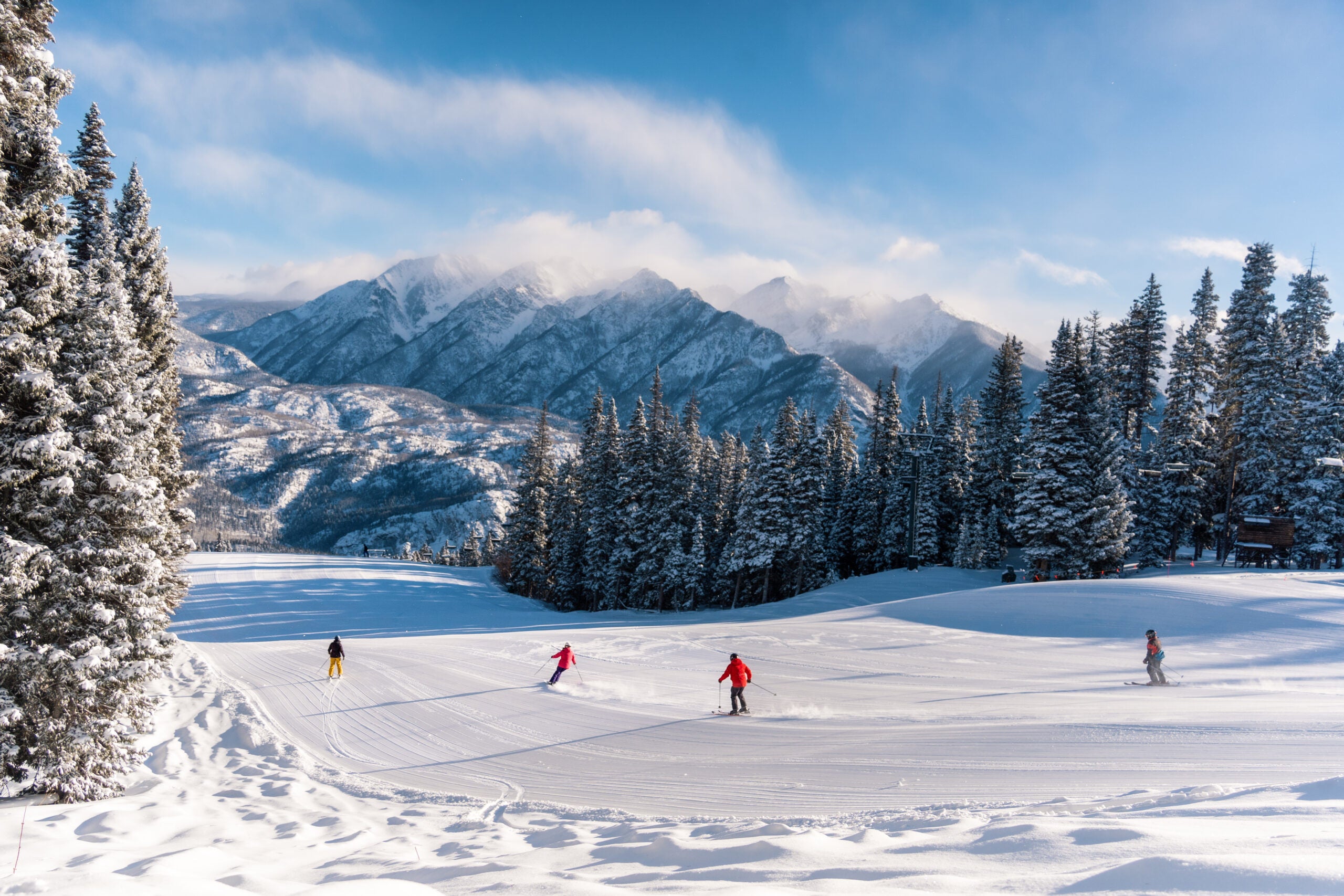
The fundamental difference between the Power Pass and its larger competitors, such as Vail Resorts’ Epic Pass and Alterra Mountain Company’s Ikon Pass, lies in their operational philosophies and target demographics. While the major passes are built around destination resorts, often featuring extensive terrain, luxurious village amenities, and convenient air travel access for a national and international clientele, the Power Pass champions a more localized and intimate ski experience.
Many of the resorts included in the Power Pass network are smaller, regional ski areas. This characteristic, while potentially limiting for those seeking vast, interconnected skiable acreage or the full-service resort experience, is precisely what makes the pass attractive to others. For skiers living within driving distance of multiple Power Pass mountains, or those who enjoy crafting road trips that string together several smaller, distinct ski areas, the pass offers a unique and cost-effective solution. It facilitates a different kind of ski vacation – one that emphasizes exploration, local charm, and a more personal connection with the mountain environment, rather than a singular, large-scale destination.
The Influence of Winter Weather Patterns on the Southwest
The upcoming winter season’s meteorological outlook adds another layer of interest to the Power Pass’s geographical concentration. Meteorologists are closely monitoring the potential impacts of El Niño on Western United States weather patterns. According to Sam Collentine, a meteorologist with OpenSnow, "The effects of El Niño appear to show a mixed bag for much of the Western United States, with the strongest signal being average to above-average snowfall for the Southwest." This projection suggests that regions heavily featured in the Power Pass network, including southern Colorado, New Mexico, and Arizona, could experience a more active southern storm track. Such a pattern typically translates to favorable snow conditions for resorts in these areas.
However, it is crucial to approach seasonal forecasts with a degree of caution. Broad weather patterns, like El Niño, indicate general trends rather than guaranteeing specific snowfall amounts at individual resorts. Conditions can fluctuate significantly from one mountain to another, and historical patterns are not always indicative of future outcomes. Collentine himself emphasizes that "the historical El Niño pattern doesn’t hold 100 percent of the time." Nevertheless, for skiers strategically located in or planning to visit the Southwest, the possibility of enhanced snowfall during an El Niño winter makes the Power Pass an even more enticing option.

The Enduring Appeal of Smaller, More Intimate Mountains
The existence and growing popularity of passes like the Power Pass prompt a broader question for skiers: How much value do they truly place on the mega-resort experience? Many of the mountains on the Power Pass network deliberately trade expansive, purpose-built villages and a plethora of amenities for a simpler, more focused skiing experience. Resorts such as Sipapu, Pajarito, and Sandia Peak, while perhaps not primary week-long vacation destinations for skiers accustomed to the East Coast’s larger resorts, excel in their regional accessibility and local character.
For skiers based in or traveling through the Southwest, the Power Pass empowers them to curate a trip built around exploring multiple, distinct ski areas. This approach contrasts with the common practice of dedicating an entire vacation to a single, large resort. The trade-offs for choosing smaller mountains are evident: generally less skiable terrain, fewer dining and lodging options, and a more limited range of amenities compared to major destination resorts.
Yet, this smaller scale is precisely where much of the appeal lies for a growing number of skiers. These mountains are often easier to navigate, fostering a more relaxed and less overwhelming atmosphere. Lift lines tend to be shorter, and the overall ambiance reflects a more authentic, local ski-area character that can sometimes be diluted at massive, internationally recognized resorts. For families and novice skiers, the compact nature of these mountains simplifies logistics, making it easier to reconvene, keep track of group members, and explore the mountain without the logistical challenges of traversing vast expanses.
Advanced skiers might find fewer long, continuous runs, but they often benefit from powder that lingers for hours rather than minutes due to reduced crowd density. Moreover, skiers who are content to forgo extensive base village infrastructure and shuttle services in favor of a straightforward day where they can transition from their vehicle to the slopes with minimal fuss will find that the Power Pass network offers a rewarding experience without significant compromise.
Deconstructing the Added Benefits of the Power Pass
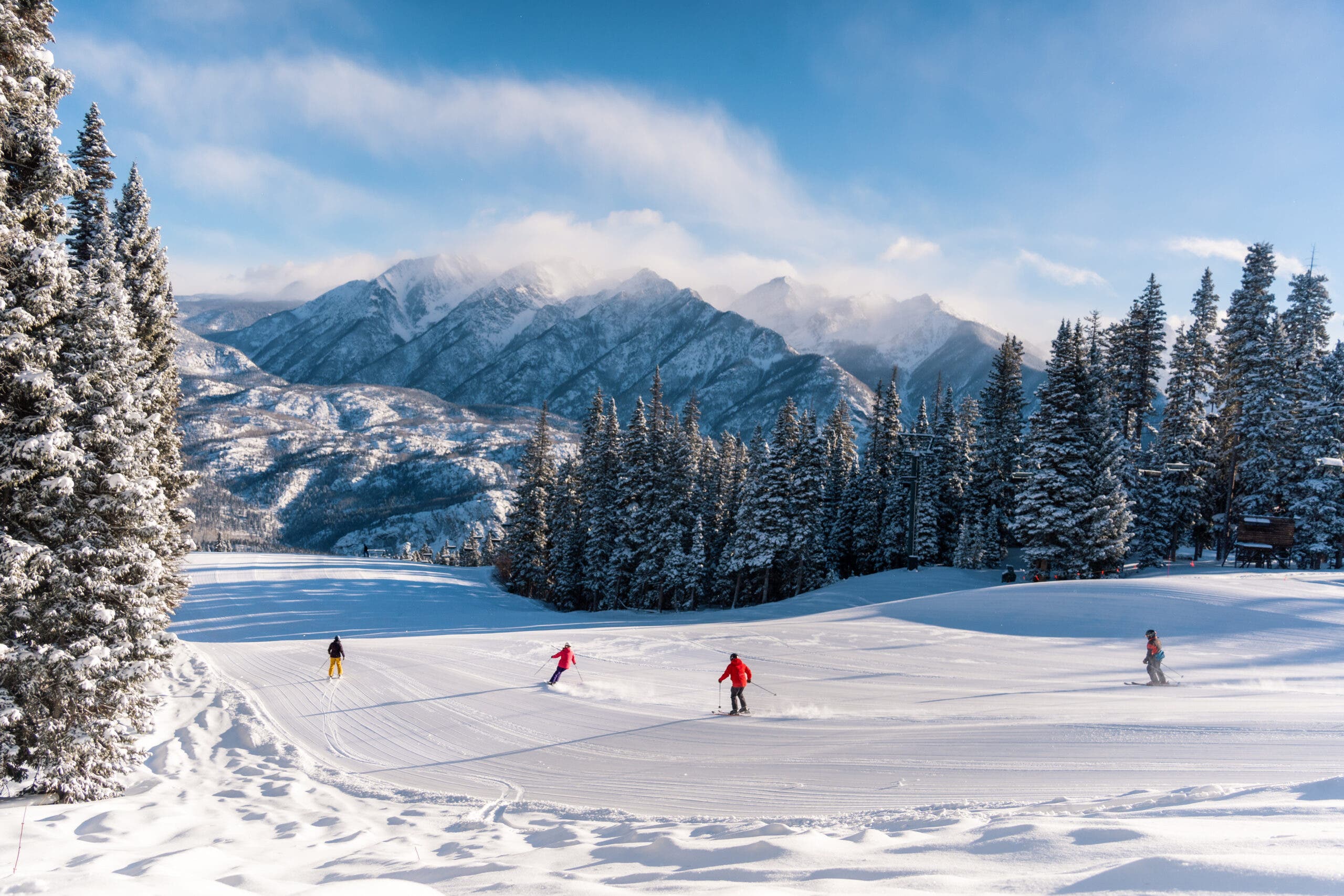
The Power Pass, like most season passes, includes a suite of discounts and perks designed to enhance the overall value for its holders. Certain benefits, however, stand out depending on a skier’s individual plans and preferences.
A notable feature is the provision for young skiers: children aged 12 and under ski free with the full Power Pass. Additionally, age-based tiers can significantly reduce the cost for younger adults and seniors, making it a more accessible option for multi-generational families or older skiing enthusiasts.
Partner benefits can become particularly valuable if they align with pre-existing travel plans. Full Power Pass holders typically receive a set number of complimentary days at partner resorts, such as Monarch Mountain, Sundance, and Loveland. The inclusion of up to 10 days split between Valle Nevado and La Parva in Chile offers a unique opportunity to extend one’s ski season into the Northern Hemisphere’s summer, but this benefit is most impactful for those who can realistically plan a trip to South America.
Other concessions, including discounted friend tickets and savings on select dining, retail, lessons, and rentals, can contribute to reducing the overall cost of a season of skiing. While these are valuable additions, their ultimate impact is secondary to the most critical factor: the number of days a passholder intends to ski at the included mountains. Without a genuine commitment to utilizing the network’s core offerings, even the most attractive discounts may not justify the pass’s initial investment.
Identifying the Ideal Power Pass User
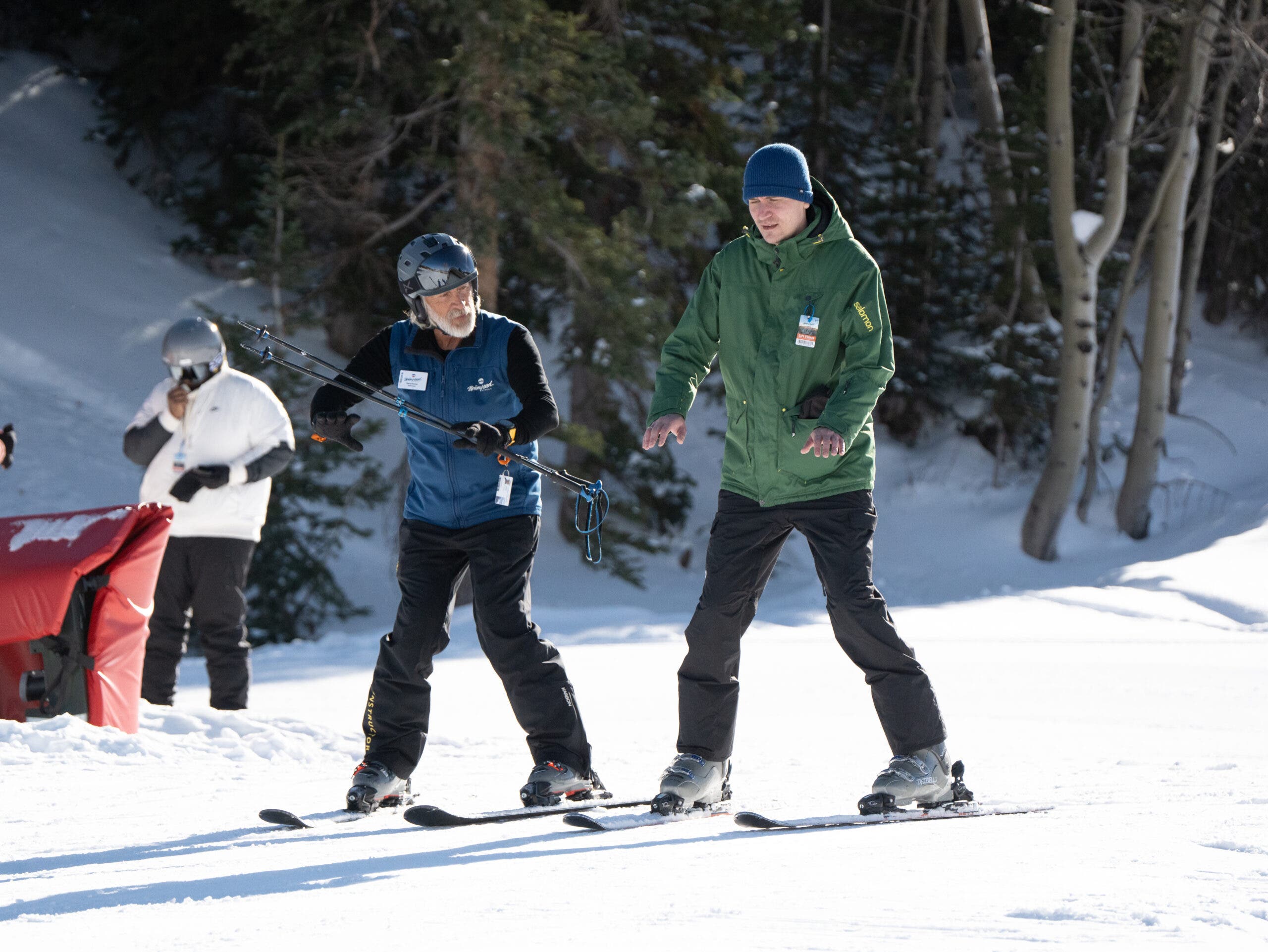
Ultimately, the decision of whether the Power Pass represents a sound investment or an underutilized expense hinges on a skier’s individual circumstances and priorities. Its geographical concentration makes it an exceptionally practical choice for skiers residing in or frequently visiting the Southwest, enabling easy access to multiple participating mountains. Families may find the complimentary skiing for children and the tiered pricing for seniors particularly appealing. Road-trippers, too, can leverage the network’s breadth to craft multi-mountain ski adventures across the region.
The calculus shifts considerably for individuals who primarily travel by air. An East Coast skier planning a single, major ski vacation might find greater utility in a pass that grants access to a wider array of iconic destination resorts, particularly when factoring in the costs associated with airfare and ground transportation. Passes like the Epic and Ikon often provide more options for such travelers, offering a broader selection of world-renowned ski areas.
In essence, the Power Pass should not be viewed as a direct, albeit overlooked, substitute for the Epic or Ikon passes. It is a distinct product with a clearly defined target audience. For skiers whose geographic location, preferred mountain style, and budget align with the Power Pass’s unique offering, it represents a compelling and valuable option that deserves serious consideration. Its strength lies not in its ubiquity, but in its focused appeal to a segment of the skiing community seeking a different kind of mountain experience.
