

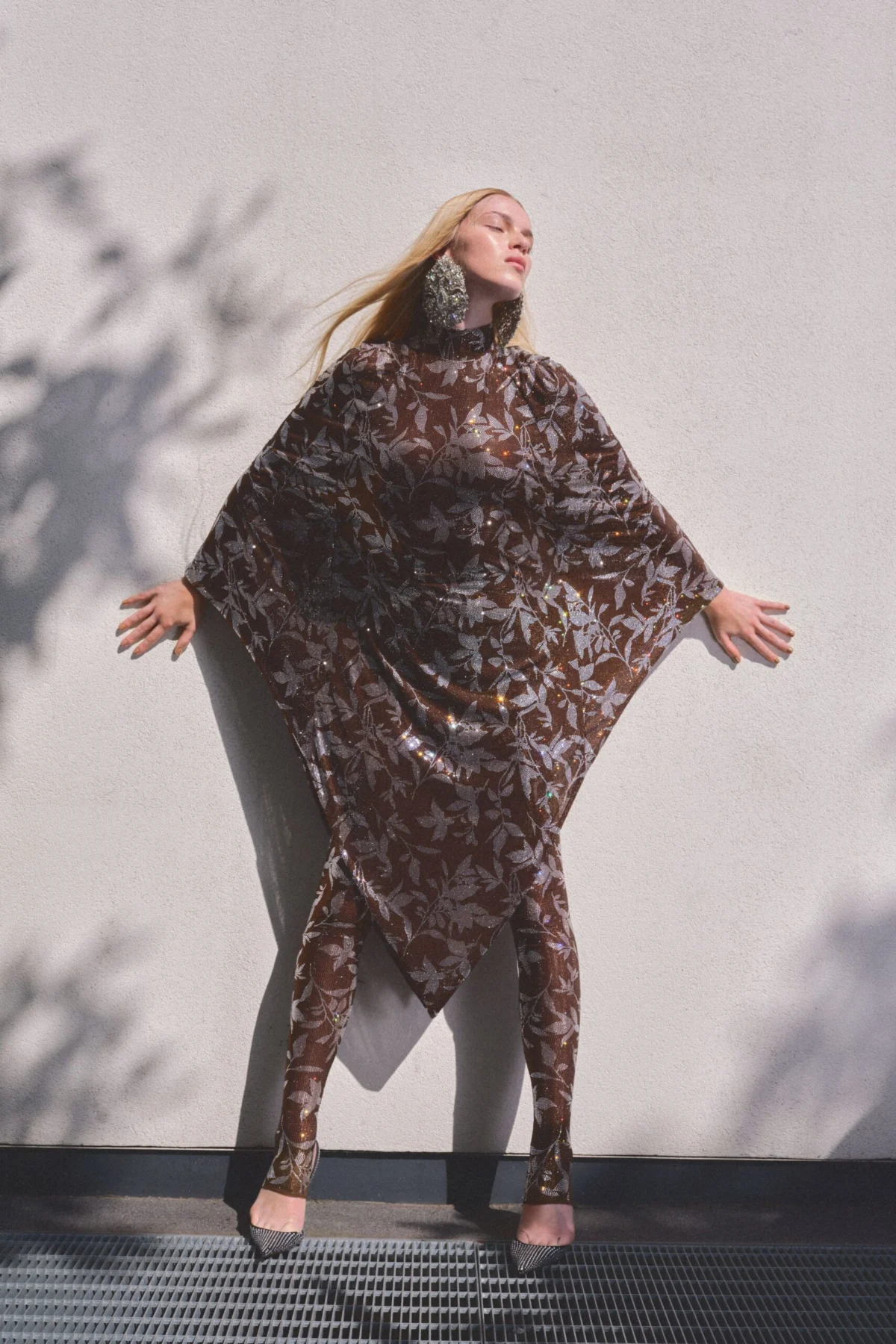
The global fashion landscape is currently awash with a resurgence of interest in Greek mythology, a timeless wellspring of narrative and symbolism. Within this burgeoning cultural phenomenon, Giuseppe Di Morabito has strategically pivoted his creative focus for the Spring/Summer 2027 collection, shifting the perspective from the epic voyages of heroes to the profound, internal odyssey of a legendary heroine. For this season, the designer has found his muse not in the tempestuous seas traversed by Odysseus, but in the steadfast resilience and introspective journey of his wife, Penelope. The collection, aptly named "Penelope," is a testament to the often-overlooked complexity of her prolonged waiting, reimagining it not as passive stillness, but as a period of profound inner metamorphosis.
Di Morabito articulated this thematic shift with a poignant observation: "We always think about Odysseus’s journey: he gets shipwrecked, travels for years, loses himself, then comes home transformed. But we never really think about Penelope. Her waiting wasn’t static; she had to go through an even more important, inner journey." This conceptual re-evaluation forms the bedrock of the collection, imbuing each garment with a narrative of endurance, self-discovery, and ultimate rebirth. The collection, unveiled during Milan Fashion Week, a pivotal event in the global fashion calendar that typically showcases over 100 designer collections and attracts thousands of industry professionals, buyers, and media representatives, further solidifies Di Morabito’s position as a designer capable of blending contemporary relevance with enduring mythos. The S/S 2027 season, running from late September 2026 through early October 2026, will see a curated selection of these designs presented in high-profile showrooms and subsequent retail spaces worldwide, anticipating consumer trends for the coming year.
The Alchemy of Materials: Transformation Manifested
The tangible embodiment of this thematic exploration of transformation is most strikingly evident in Di Morabito’s innovative use of materials. Traditionally associated with femininity and delicacy, lace has been elevated and recontextualized. In this collection, it undergoes a alchemical process, being coated in shimmering gold foil. This treatment imbues the ethereal fabric with a new gravitas, a metallic sheen that speaks of resilience and enduring value, akin to ancient treasures unearthed. This elevates the material beyond its conventional romantic connotations, lending it a contemporary edge that resonates with the collection’s overarching theme of transformation.
Furthermore, animalier prints, a recurring motif in fashion, have been rendered with an unprecedented level of sophistication and tactility. Python, a notoriously challenging material to work with, has been meticulously covered in transparent crystals. This intricate process not only preserves the distinctive pattern of the python skin but also creates a dazzling, almost liquid surface. The crystals catch and refract light, giving the garments an arresting, wet-look appearance that is both alluring and powerfully evocative. Di Morabito emphasized the novelty of this technique: "I had worked with animal prints before, but never python in this way. It’s also the first time we’ve covered it with transparent crystals." This technical mastery and daring experimentation underscore the collection’s commitment to pushing the boundaries of material manipulation, mirroring Penelope’s own adaptive strength in the face of adversity.
Beyond these striking examples, the collection features bucolic motifs rendered with an unexpected opulence. Instead of mere embellishments, these pastoral scenes are directly depicted using precious and semi-precious stones such as topaz, silver, and aquamarine. This integration of gem-like elements directly into the fabric design creates a rich tapestry of texture and color, further enhancing the sense of elevated artistry. In another innovative construction, bands of lace in varying widths are meticulously assembled over organza. This technique effectively builds a new, composite fabric from scratch, a layered surface that appears both delicate and structurally robust. "They’re almost fabrics that don’t exist," Di Morabito remarked, highlighting the pioneering nature of these textile constructions. These innovative material applications are not merely decorative; they are integral to the narrative, symbolizing the multifaceted nature of Penelope’s inner world and her ability to forge something new from disparate elements.
Silhouettes of Strength and Evolution
The silhouette language of the Spring/Summer 2027 collection navigates a compelling dialogue between Di Morabito’s signature body-conscious aesthetic and explorations into new sartorial territories. The collection revisits and refines the designer’s established strengths, featuring form-fitting dresses and impeccably tailored trousers that celebrate the female form with confidence and sensuality. These familiar silhouettes are juxtaposed with newer propositions that introduce a broader range of volume and historical reference.
Flared and cigarette trousers, reimagined with an emphasis on sophisticated tailoring, are paired with daring bras and sleek, narrow dresses, creating a contemporary tension between restraint and liberation. This pairing speaks to a modern woman’s ability to command attention through both subtle allure and bold statement-making. The collection also delves into historical volumes, reinterpreting corsetry and crinolines not as restrictive relics of the past, but as foundational elements that provide structure and empower the wearer. These historical references are modernized through the use of contemporary fabrics and innovative construction techniques, ensuring they feel relevant and fresh.
A particularly striking addition to the collection is the introduction of a cape dress. This piece offers a departure from the more fitted designs, presenting a looser, almost caftan-like silhouette. This fluid shape evokes a sense of effortless grace and regal composure, suggesting a different facet of female power – one that embraces ease and expansive presence.
Significantly, linen makes its debut in Di Morabito’s collections this season. Stripped of any rustic or utilitarian associations, the linen is treated with the same opulent and glamorous finish as the rest of the wardrobe. This deliberate recontextualization of a humble material speaks volumes about the collection’s theme of transformation, demonstrating how even the most unassuming elements can be imbued with luxury and high fashion appeal.
The interplay of macramé, satin, delicate lace, extravagant feathers, and oversized crystals creates a rich textural landscape. These diverse elements move fluidly between the mythological and a distinctly ’90s aesthetic. This fusion of historical inspiration with a recent sartorial epoch suggests a cyclical nature of fashion and a contemporary interpretation of enduring style archetypes. The ’90s, known for its minimalism and grunge influences but also for its burgeoning power dressing and opulent clubwear, offers a rich seam for Di Morabito to mine, blending the timeless with the trend-driven.
Echoes of the Sea and the Divine Feminine
Water serves as a recurring and potent symbol throughout the collection, manifesting not only in the color palette but also in the very surface treatments of the garments. Shades of oceanic blues, pearlescent whites, and shimmering silvers evoke the vastness and mystery of the sea, a constant presence in Penelope’s story. The glistening, almost iridescent finishes on fabrics further enhance this aquatic theme, creating garments that seem to capture the play of light on water.
Beyond the elemental references, the collection draws inspiration from other significant female figures within Homer’s Odyssey. Characters such as Circe, Calypso, and the Sirens are not presented as mere temptations or obstacles in Odysseus’s journey, but as potent symbols of different facets of female identity. The press release elaborated on this nuanced portrayal, describing these mythical women as representing "different possibilities of female identity – desire, instinct, freedom, knowledge, solitude, power – rather than temptations encountered along a man’s journey." This reframing is central to Di Morabito’s vision, asserting the agency and complexity of female experience as a narrative in its own right, independent of the male gaze.
This philosophical underpinning of the collection is encapsulated in the designer’s own words: "The idea is to lose yourself in order to find yourself again, and to return transformed." This sentiment directly mirrors Penelope’s situation. While she physically remains on Ithaca, her internal world is one of constant negotiation, adaptation, and profound self-reckoning. She is not a passive victim of circumstance but an active agent in her own unfolding. The collection, therefore, becomes an ode to this potent, often overlooked, form of heroism – the quiet strength found in waiting, in resilience, and in the transformative power of introspection.
Broader Implications and Industry Context
The strategic decision by Giuseppe Di Morabito to focus on Penelope’s internal journey for his Spring/Summer 2027 collection arrives at a time when fashion is increasingly seeking to move beyond superficial trends and engage with deeper cultural narratives. The current resurgence of interest in Greek mythology across various media platforms, from film and television to literature and art, indicates a societal yearning for timeless stories that explore universal themes of human experience. Fashion, as a powerful form of cultural expression, is well-positioned to interpret and amplify these narratives.
Di Morabito’s collection offers a compelling example of how myth can be translated into contemporary design. By shifting the focus from the active hero to the enduring heroine, the collection taps into a growing conversation about female empowerment, resilience, and the multifaceted nature of strength. This resonates with the broader industry trend towards more inclusive and nuanced storytelling, moving away from traditional archetypes and embracing complexity.
The innovative use of materials, particularly the gold-foiled lace and crystal-embellished python, also highlights a key trend in luxury fashion: the pursuit of unique textures and artisanal craftsmanship. As consumers become more discerning, there is an increased demand for garments that are not only aesthetically pleasing but also possess a discernible level of skill and material innovation. Di Morabito’s technical prowess in this collection positions him as a designer who can deliver on both fronts, creating pieces that are both covetable and conversation-starting.
Furthermore, the collection’s embrace of linen, a historically humble fabric, and its elevation through high-fashion treatments, speaks to a broader movement within the industry to re-evaluate and re-imagine traditional materials. This approach not only demonstrates creative ingenuity but also aligns with a growing consumer interest in sustainable practices and the responsible use of resources. While not explicitly stated as a sustainable collection, the thoughtful reinterpretation of materials can contribute to a more conscious approach to fashion production.
The implications of this collection extend beyond the immediate season. By grounding his designs in a powerful narrative of inner transformation and resilience, Di Morabito offers a compelling vision for the future of luxury fashion. It suggests a move towards collections that are not merely about aesthetics but are also imbued with meaning and cultural relevance. As the fashion industry continues to evolve, designers who can successfully weave together compelling narratives with innovative craftsmanship and a nuanced understanding of contemporary culture will undoubtedly lead the way. The "Penelope" collection stands as a testament to this evolving landscape, proving that even in the realm of high fashion, the most profound transformations often begin within.
