

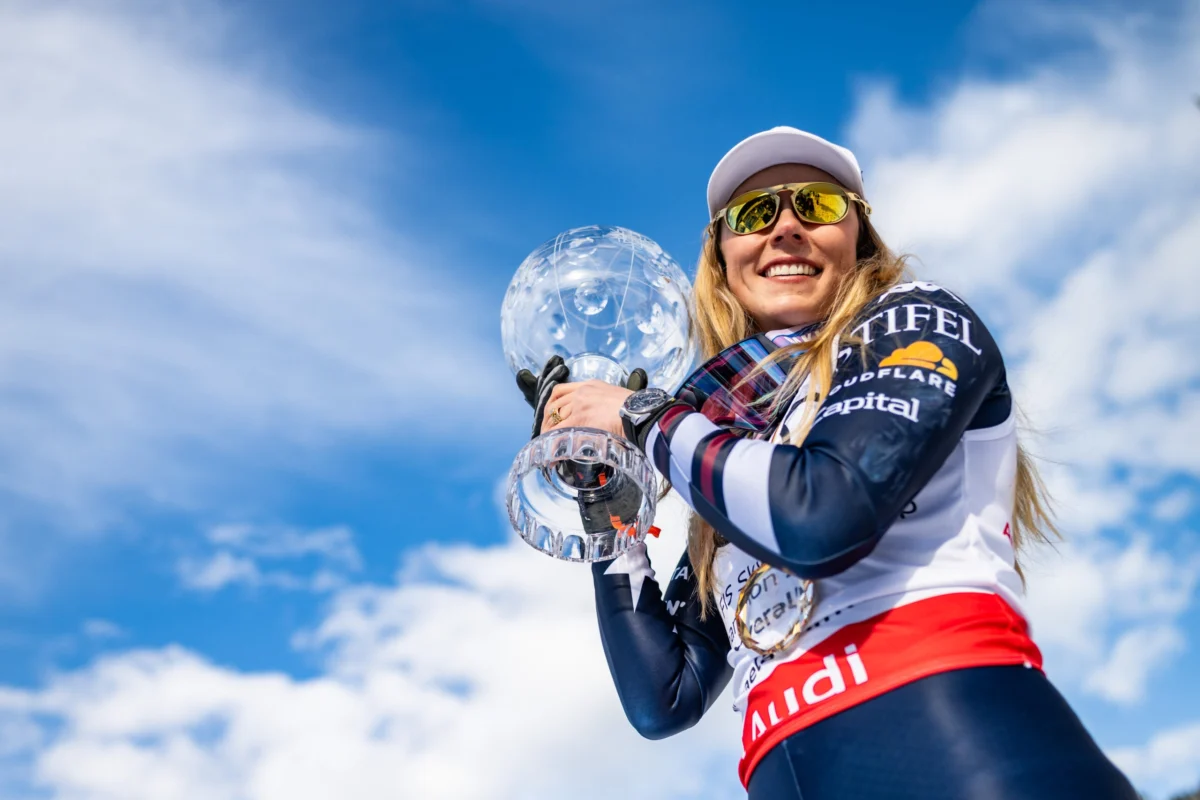
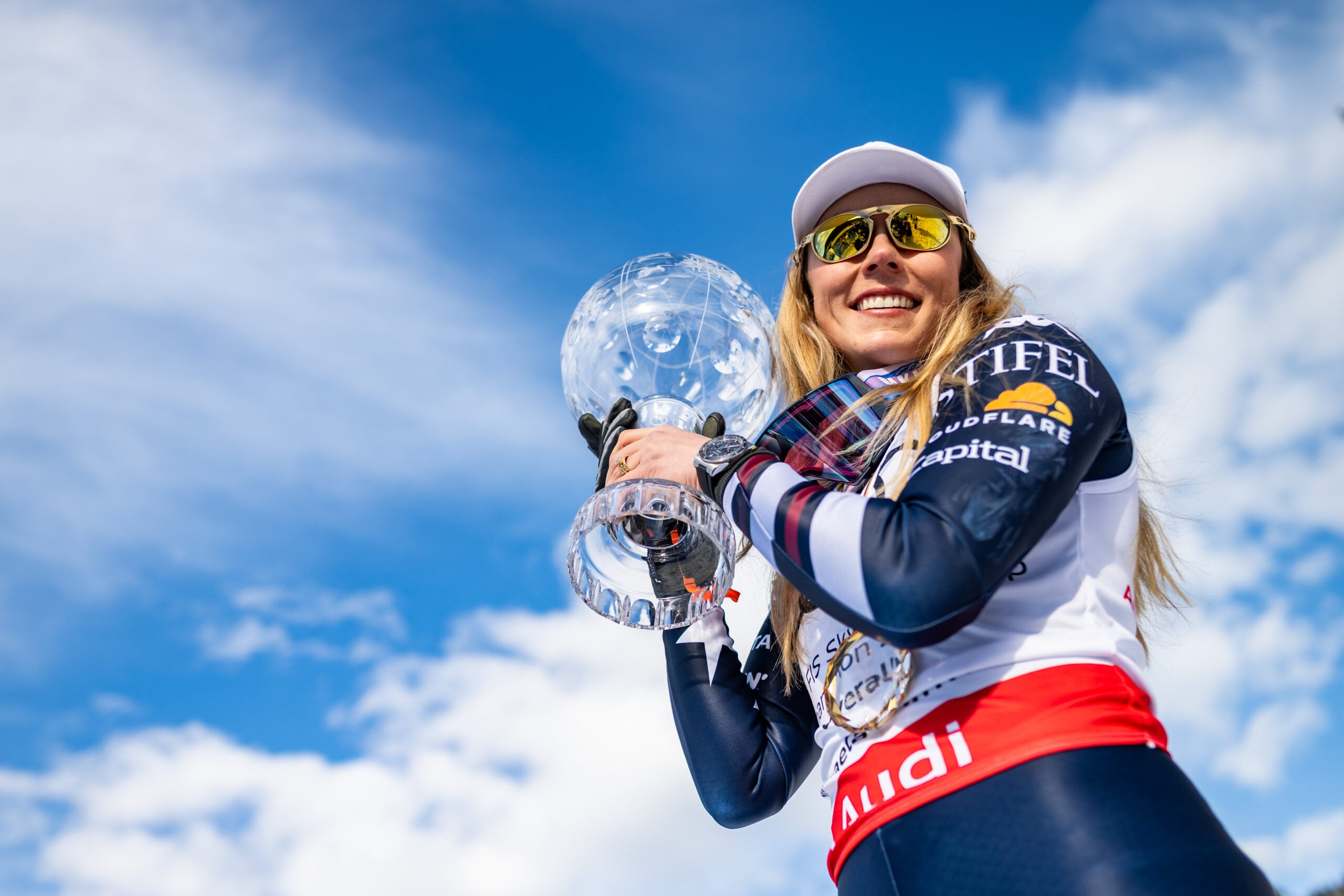
LILLEHAMMER, NORWAY – Mikaela Shiffrin, the undisputed queen of alpine slalom and the most decorated ski racer in history, is poised to redefine her storied career with a strategic pivot away from her signature discipline. The 31-year-old American superstar, whose career has spanned an astonishing 16 years on the World Cup circuit, has announced her intention to dedicate more energy to giant slalom (GS) and super-G (SG) in the upcoming winter season, a move she describes as a "season of exploration." This calculated shift is driven by a profound desire to maintain curiosity, extend her competitive lifespan, and remain deeply engaged with the sport that has brought her unparalleled success.
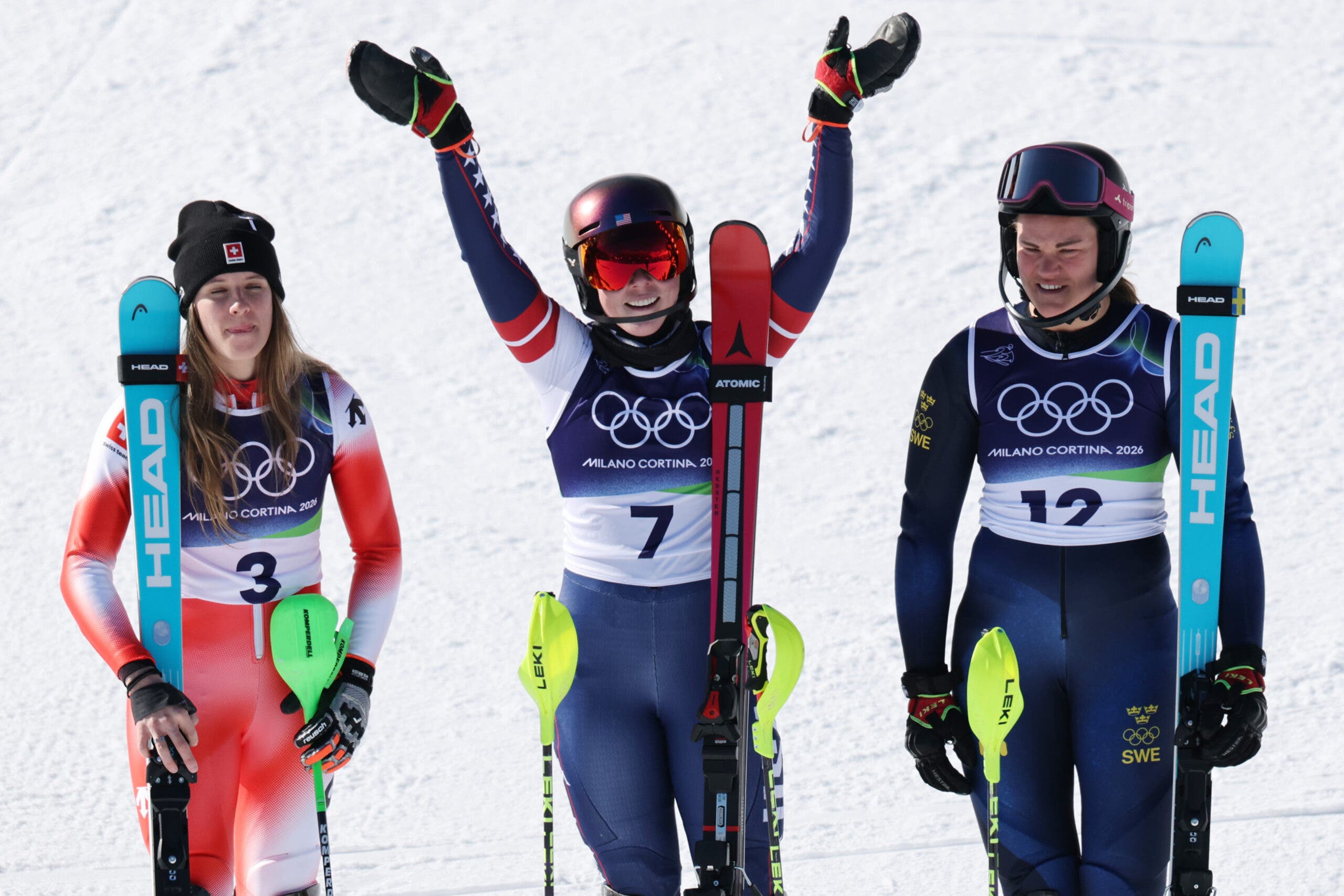
For nearly two decades, Shiffrin’s name has been synonymous with slalom supremacy. Her career has been a relentless pursuit of speed, encapsulated by her consistent question: "How much faster can I get?" In slalom, the answer was almost invariably "very, very fast." Of her monumental 110 World Cup victories to date – a record unmatched by any alpine skier, male or female – a staggering two-thirds, approximately 73 wins, have been clinched in the technical discipline. Her dominance extends to major championships, where she has secured two Olympic medals, including a gold at the recent 2026 Milano Cortina Winter Olympics, and four World Championship titles in slalom. Last season alone, her performance in slalom was nothing short of exceptional, winning nine out of ten World Cup slaloms, further cementing her legendary status. This consistent, almost clinical, mastery of slalom has not only filled her trophy cabinet but has also captivated fans worldwide, showcasing a level of precision and aggression few have ever achieved.
However, this winter marks a deliberate departure from the well-trodden path of slalom specialization. The shift in focus means a reduced presence in slalom races, notably starting with the traditionally significant Killington slalom over the Thanksgiving weekend. Shiffrin’s decision is far from a retreat or a diminishing of her competitive fire. Instead, it represents a conscious effort to rekindle and follow her innate curiosity, an attribute she views as essential for long-term engagement in a demanding sport. "I want to give myself a little bit more freedom to ask where I feel curious and to follow that itch a little bit," Shiffrin articulated on her YouTube channel. "What are the things that really inspire me to lock in? That’s the question I’m asking."
The Genesis of Exploration: Beyond Records and Medals
The seeds of this strategic re-evaluation were sown after her fourth Olympic cycle concluded with her triumphant gold medal in slalom last February. Post-Olympics, Shiffrin found herself contemplating questions that transcended the immediate gratification of medals, records, and results. She has often emphasized that for her, ski racing’s true reward has never solely been about accolades, but rather the intricate, often arduous, process of continuous improvement and the relentless pursuit of speed. "I adore the process of getting better," she stated. "I dream about days on the mountain where I feel like I’m trying to figure it out turn by turn. Something isn’t working, and we analyze it and we come up with solutions, and then little by little, I start to understand it." This profound appreciation for the analytical and iterative process of mastering the slopes is what continues to draw her to the start gate, a sensation she describes as "that moment when everything clicks."
For much of her career, the complexities and nuances of slalom provided this intellectual and athletic pull. She relished the "relentless repetition, the thousands of turns, the research needed to find mere hundredths of a second." Yet, even amidst her peak performance last season, she recognized a potential pitfall in sticking solely to her most successful discipline. She acknowledged that the "simpler decision" would have been to race only slaloms, a schedule that would offer optimal training and rest – crucial elements for her continued success. However, she candidly admitted that "doubling down on slalom would drain her curiosity." Such a path, she believes, would ultimately lead to an earlier exit from the sport. "I know myself, and I think that would be a recipe for me wanting to retire sooner," Shiffrin reflected. "What keeps me going isn’t being good or even winning at something. It’s the awe of experiencing that thing and wondering how much better I can get."
Charting New Terrain: Giant Slalom and Super-G Ambitions
The shift towards giant slalom and super-G offers Shiffrin "new turns and new terrain to explore." While she is predominantly known for slalom, her success is far from limited to it. Shiffrin has already achieved significant milestones in both GS and SG, including Olympic and World Championship victories in GS, and a World Championship title in super-G. These achievements underscore her versatility and capability across multiple disciplines.
However, her journey in these speedier events has not been without significant challenges. A severe crash during the Killington World Cup GS two years ago served as a major setback. The incident resulted in a serious puncture wound mere millimeters from her colon, an injury that not only demanded physical recovery but also left her grappling with Post-Traumatic Stress Disorder (PTSD). This trauma significantly impacted her comfort at high speeds, causing her to plummet to 30th place in the World Cup GS rankings. Yet, in a testament to her resilience and mental fortitude, Shiffrin meticulously worked through her fears, steadily rebuilding her confidence and technique. By the close of last season, she had remarkably climbed back to fourth in the GS rankings, showcasing an extraordinary comeback. This hard-won momentum is something she is now eager to capitalize on. "I really wonder where I can take GS," she mused. "I have a ton of questions about it in my own mind, and I want to find out." Her ambition in super-G is equally robust, seeking to refine her lines and timing in a discipline that demands a unique blend of power, precision, and fearlessness.
Restructuring the Season: A Blueprint for Longevity
The operational implications of this strategic shift will be most apparent in the early-season World Cup schedule. Traditionally, the grueling fall circuit for Shiffrin has involved a relentless series of races: from Sölden in Austria to Levi, Finland, then back to Austria for the Gurgl slalom, and finally across the Atlantic to Killington, Vermont. This demanding schedule offered little opportunity for rest or connection with family. By reducing her slalom commitments, Shiffrin anticipates creating crucial "small windows for recovery, strength work, and simply being off the snow."
A concrete example of this altered schedule is her plan for this fall. After competing in the Sölden World Cup GS on October 24, she will return home to Colorado for an entire month of dedicated training and recovery, a luxury previously unavailable. Following this period, she will travel to Killington in late November. This revised schedule is not merely about physical recovery; it also addresses her personal well-being. "I might actually be able to see a proper glimpse of home and family and my new niece," she shared, highlighting the importance of personal connections in sustaining a demanding professional life. These moments, she recognizes, are vital and form part of a "broader realization about longevity." To continue excelling in the sport she cherishes, Shiffrin has concluded that she "cannot do everything everywhere all at once." This realization prompted a fundamental question: "Where do I want my priorities to be?"
Beyond the Slopes: Inferred Reactions and Broader Impact
Shiffrin’s decision is likely to elicit a range of reactions across the alpine skiing community. From her coaching staff and team, the response would almost certainly be one of unwavering support, emphasizing athlete well-being and long-term career planning. They would commend her proactive approach to managing her physical and mental health, recognizing that a refreshed and motivated Shiffrin is a more effective competitor. Her long-time coach, Mike Day, might be quoted expressing pride in her maturity and commitment to personal growth, stating, "Mikaela has always been an incredibly analytical athlete. This decision reflects her deep understanding of what it takes to sustain excellence over two decades. We fully support her in exploring these new challenges, as it will undoubtedly unlock new dimensions of her skiing."
Among her competitors, particularly in the slalom discipline, there might be a mixture of acknowledgment for her courage and a subtle shift in the competitive landscape. While her reduced presence might offer other slalom specialists more opportunities, there would likely be a universal respect for her pursuit of personal growth. Lena Dürr or Petra Vlhová, her closest rivals, might offer statements like, "Mikaela is an incredible champion, and it’s inspiring to see her continue to challenge herself. The World Cup circuit will miss her in every slalom, but we understand her desire to explore other events. It certainly opens up the field a bit, but she’ll be a force wherever she races."
Ski analysts and journalists would likely interpret this as a mature and strategic move from an athlete who has achieved virtually everything in her primary discipline. They might frame it as a testament to her unique drive, suggesting that her legacy is not just about records, but about an unwavering commitment to the craft of skiing. Analysts could speculate on the potential impact on the overall World Cup crystal globe standings, noting that while fewer slalom points might make winning the overall globe more challenging, a stronger, more consistent performance in GS and SG could still yield significant results. This shift reinforces a narrative of an athlete continually evolving, even after reaching the pinnacle of her sport.
Historical Context: Echoes of Greats
Shiffrin’s move resonates with the strategic decisions made by other alpine legends in their pursuit of longevity and varied success. While specific circumstances differ, the principle of diversifying focus to extend a career is not new. Lindsey Vonn, for instance, expanded her repertoire to become a dominant force across all speed disciplines, a move that solidified her status as one of the greatest all-around skiers. Similarly, Ingemar Stenmark, a slalom and GS specialist of an earlier era, maintained his dominance by meticulously focusing on his strengths. Shiffrin’s decision, however, comes from a place of having already conquered slalom in an unprecedented manner, seeking new challenges rather than simply consolidating existing ones. It speaks to a modern understanding of athlete management, where mental and emotional well-being are as critical as physical conditioning for sustained peak performance.
The Mental Landscape: Embracing Uncertainty
Shiffrin openly admits that this embrace of uncertainty is inherently uncomfortable for her. By nature, she is a meticulous planner, accustomed to having "Plan A, Plan B, Plan C and on down the alphabet." This year, however, her plan deliberately contains an "empty space," a void of the unknown. "What if this is wrong? What if this doesn’t work?" she ponders, articulating the very real anxieties that accompany such a significant career shift. Yet, her own answer to these questions is revealing: "That… is the point."
This willingness to step into the unknown, to prioritize curiosity over guaranteed results, underscores her deep passion for the sport itself, beyond its competitive outcomes. "I feel ambitious. I still feel competitive. I feel like I have a desire to ski fast," she affirms. Her "season of exploration" is, at its heart, an act of "giving myself permission to be curious about where that takes me."
Broader Implications for Alpine Skiing
Shiffrin’s strategic pivot carries broader implications for the sport of alpine skiing. It could serve as a powerful example for younger athletes, illustrating that sustained excellence often requires adaptability and a willingness to redefine one’s approach. It highlights the importance of athlete autonomy and mental well-being in a high-pressure environment. Furthermore, it adds another layer of intrigue to the World Cup circuit. While her absence in some slaloms might be felt, her renewed focus and ambition in GS and SG promise exciting battles in those disciplines, potentially elevating the overall level of competition. This narrative of an athlete continuously evolving, even after achieving unparalleled success, offers a compelling story of human endeavor and the enduring quest for mastery.
In conclusion, Mikaela Shiffrin’s "season of exploration" is far more than a mere schedule adjustment; it is a profound statement about her enduring passion, her commitment to longevity, and her unyielding curiosity. It is not a retreat from the discipline that has defined her, but rather an expansion of her horizons, a strategic move to "create space to do this thing that I love a bit longer." Her declaration – "I’m not trying to do less because I care less. I’m trying to do something different. Because I still care so much" – encapsulates the essence of this pivotal moment. By embracing the discomfort of uncertainty and prioritizing personal growth, Shiffrin is not only charting a new course for her own remarkable career but also offering a powerful lesson in sustained excellence and the boundless pursuit of mastery in the world of alpine ski racing.
