

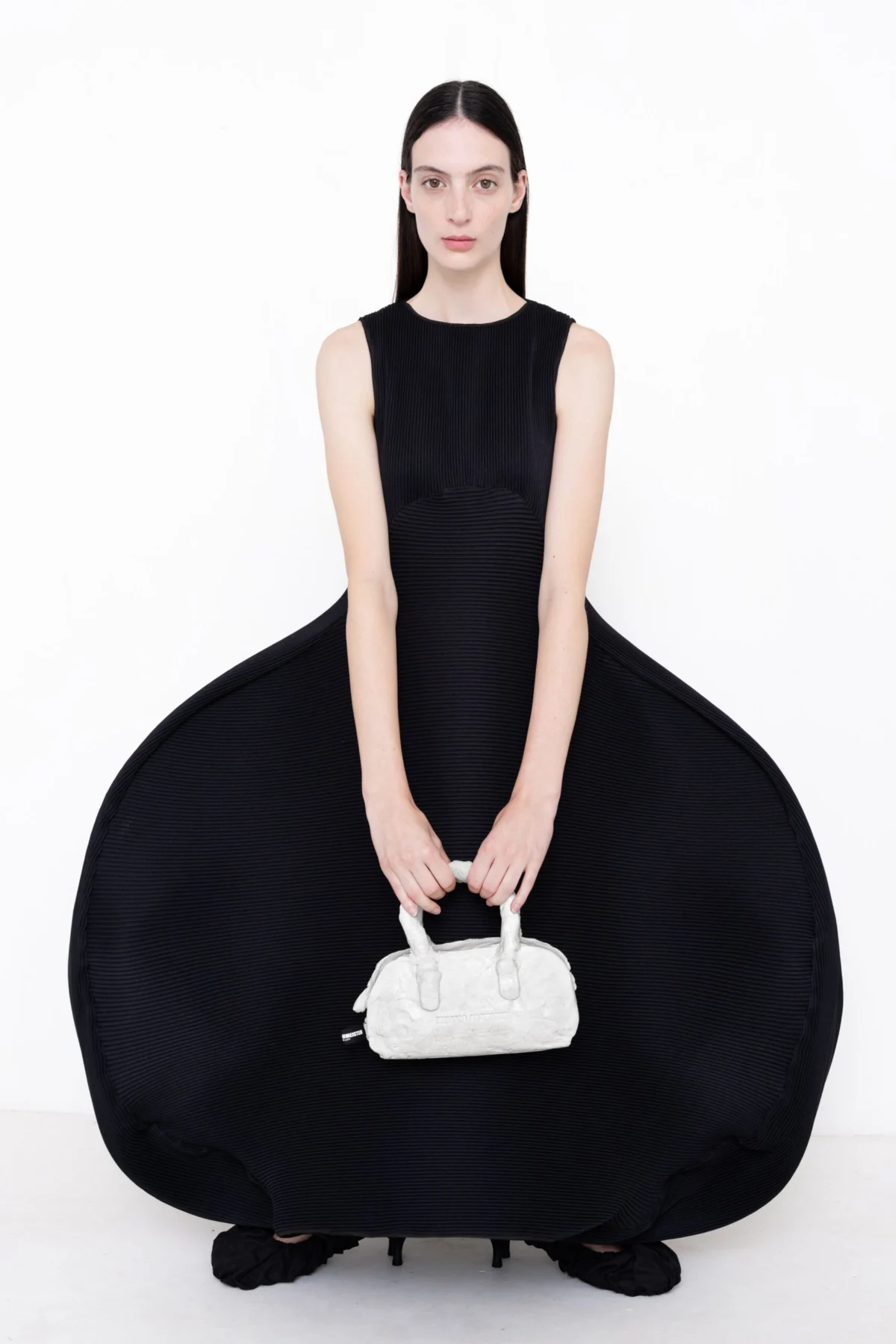
The international fashion calendar, a meticulously orchestrated ballet of creativity and commerce, once again converged in a flurry of anticipation and sartorial pronouncements. Among the esteemed designers presenting their visions for the Spring 2027 Ready-to-Wear season, Melitta Baumeister emerged with a collection that boldly redefines the boundaries between art, athleticism, and the enduring value of human touch. Baumeister, whose ongoing and highly successful collaboration with Nike continues to garner significant attention, presented a line conceived for the "artlete," a term she coined to encapsulate the dynamic interplay between creative expression and physical discipline. "I just felt so much how craftsmanship is also some sort of athleticism," Baumeister explained during a post-show Zoom interview, her voice resonating with conviction. "Because to be good at anything, you have to do it a lot and you have to repeat yourself a lot." This fundamental principle, born from her deep immersion in the iterative process of design and creation, served as the bedrock for a collection that eschewed the ephemeral trends of the season in favor of enduring substance and striking form.
A Season of Strong Silhouettes and Unexpected Materials
Baumeister’s commitment to powerful, architectural silhouettes was immediately apparent, cutting through the often-homogenized aesthetic of the season with a precision akin to a sharpened blade. The collection showcased a masterful manipulation of fabric and form, demonstrating a profound understanding of volume and structure. A particularly striking example was a dress rendered in a vibrant, sour apple green, where the brand’s signature ball shape was ingeniously achieved through the strategic placement of pleats at varying angles. This meticulous attention to detail not only created visual intrigue but also underscored Baumeister’s dedication to pushing the technical boundaries of garment construction.
Further enhancing the collection’s avant-garde appeal were wired hems and necklines that sculpted graphic, asymmetric shapes defying the very laws of gravity. These elements, seemingly floating and independent, lent an almost sculptural quality to the garments, transforming the human form into a canvas for artistic exploration. The incorporation of foam, a material often overlooked in high fashion, provided an unexpected yet effective source of structure for small cap-sleeved jackets. These pieces, adorned with Peter Pan collars, offered a charming juxtaposition of youthful innocence and avant-garde design, a hallmark of Baumeister’s distinctive aesthetic.
The Body as a Canvas: From Print to Personal Experience
The recurring motif of body prints throughout the collection served as a direct and potent commentary on the centrality of the human form in both sport and dress. While conceptually sound and logically tied to the collection’s overarching theme, these prints, at times, risked veering into the territory of gimmickry, momentarily distracting from the inherent boldness of the garment’s cuts and constructions. However, the collection’s true sartorial revelation lay in its above-the-knee hemlines. These were not merely a stylistic choice but were directly inspired by Baumeister’s personal experiences and her own active lifestyle.
"I was cycling so much in the summer and my big skirts are always too long and I kept tacking them up," she recounted, offering a relatable glimpse into the genesis of this design element. This practical observation led to a broader philosophical statement: "I felt like you don’t have to be so young to wear short skirts." This sentiment, delivered with a quiet confidence, challenged conventional notions of age appropriateness in fashion and celebrated the liberation and empowerment that can be found in embracing personal style, regardless of societal expectations.
The Evolution of Weight and the Renaissance of Craft
Baumeister revealed a conscious and continuous effort to lighten the weight of her typically sculptural designs. This strategic evolution aims to enhance the wearability and practicality of her creations, making them more amenable to integration into everyday life. The collection demonstrated a tangible shift towards garments that, while retaining their artistic integrity, are more easily incorporated into a modern, active wardrobe.
This engagement with reality and materiality was a recurring theme, deeply intertwined with Baumeister’s philosophical outlook. "In the times that we live in now, it becomes more and more important that you notice that things are made by hand," she asserted, her words resonating with a contemporary urgency. "I feel very connected to that and I think craft is getting more important." This conviction manifested in several groundbreaking applications of artisanal techniques.
The collection featured pieces adorned with a unique form of fringe, meticulously crafted from hand-shaped appliqués. These elements, bearing the distinct imprint of human touch, imbued the garments with a palpable sense of individuality and care. Furthermore, Baumeister introduced prop bags fashioned from clay, a bold statement about the foundational elements of creation. The climactic look of the show was a wearable jacket constructed from lighter air clay, a material that offered both structural integrity and an ethereal quality. This final ensemble served as a powerful testament to Baumeister’s vision, a hero piece designed to inspire and inform the entire collection, a wearable sculpture that invited further creative interpretation.
Contextualizing the Collection within the Fashion Ecosystem
The Spring 2027 Ready-to-Wear season, a critical juncture in the fashion calendar, typically unfolds over several weeks, with designers showcasing their collections in major fashion capitals like New York, London, Milan, and Paris. This particular season, following a period of significant industry introspection and adaptation post-pandemic, has been marked by a renewed emphasis on sustainability, craftsmanship, and the emotional resonance of clothing. Designers are increasingly exploring ways to imbue their work with deeper meaning, moving beyond purely aesthetic concerns to address broader societal and environmental dialogues.
Baumeister’s presentation, held in a venue that amplified the sculptural qualities of her designs, was met with a discerning audience of fashion editors, buyers, stylists, and influencers. The atmosphere was one of quiet contemplation and focused appreciation, a departure from the more boisterous presentations of previous years, reflecting a collective shift towards a more mindful engagement with fashion. The Nike collaboration, a high-profile partnership that bridges the worlds of sportswear and high fashion, undoubtedly elevated Baumeister’s profile and provided a unique platform for her innovative design philosophies to reach a wider audience. This synergy has allowed her to explore the intersection of performance and aesthetics in a way that few other designers can, fostering a dialogue about what it means to be both an athlete and an artist in the 21st century.
Industry Reactions and Future Implications
Early reactions from industry insiders have been overwhelmingly positive, with many critics highlighting Baumeister’s singular vision and her commitment to artisanal techniques. Sarah Burton, Creative Director of Alexander McQueen, known for her own dedication to craftsmanship and sculptural forms, was reportedly seen engaging in a lengthy discussion with Baumeister backstage, a testament to the shared respect for their distinct yet complementary approaches to design. While direct quotes from competing designers are rarely solicited or provided immediately after a show, the palpable buzz surrounding Baumeister’s collection suggests a significant impact on upcoming design directions.
The implications of Baumeister’s collection extend beyond the immediate fashion cycle. Her championing of craftsmanship as a form of athleticism resonates with a growing consumer desire for authenticity and provenance. As the fashion industry grapples with issues of mass production and environmental impact, Baumeister’s focus on hand-made elements and durable, thoughtfully constructed garments offers a compelling alternative. This approach not only elevates the perceived value of each piece but also fosters a deeper connection between the wearer and the garment, encouraging a more conscious and sustainable approach to consumption.
Furthermore, her assertion that "you don’t have to be so young to wear short skirts" is a subtle yet powerful challenge to ageism within the fashion industry. This inclusive message, delivered through her designs and her words, has the potential to influence broader conversations about representation and body positivity, encouraging a more diverse and accepting fashion landscape. The successful integration of materials like foam and air clay also signals a potential shift towards more innovative material exploration, pushing the boundaries of what is considered acceptable and desirable in haute couture.
Looking Ahead: The Enduring Power of Craft and Creativity
Melitta Baumeister’s Spring 2027 Ready-to-Wear collection stands as a powerful manifesto for the enduring value of human ingenuity and the profound connection between physical discipline and creative expression. In a world increasingly dominated by digital immediacy, her unwavering commitment to the tangible, the meticulously crafted, and the thoughtfully constructed offers a refreshing and much-needed counterpoint. As the fashion industry continues to evolve, Baumeister’s approach, grounded in a deep respect for process and a bold vision for the future, is poised to inspire a new generation of designers and consumers alike, proving that true artistry, much like athleticism, is forged through dedication, repetition, and an unwavering passion for the craft. The collection not only adorns the body but also elevates the spirit, reminding us of the inherent beauty and strength found in human hands and human creativity.
