

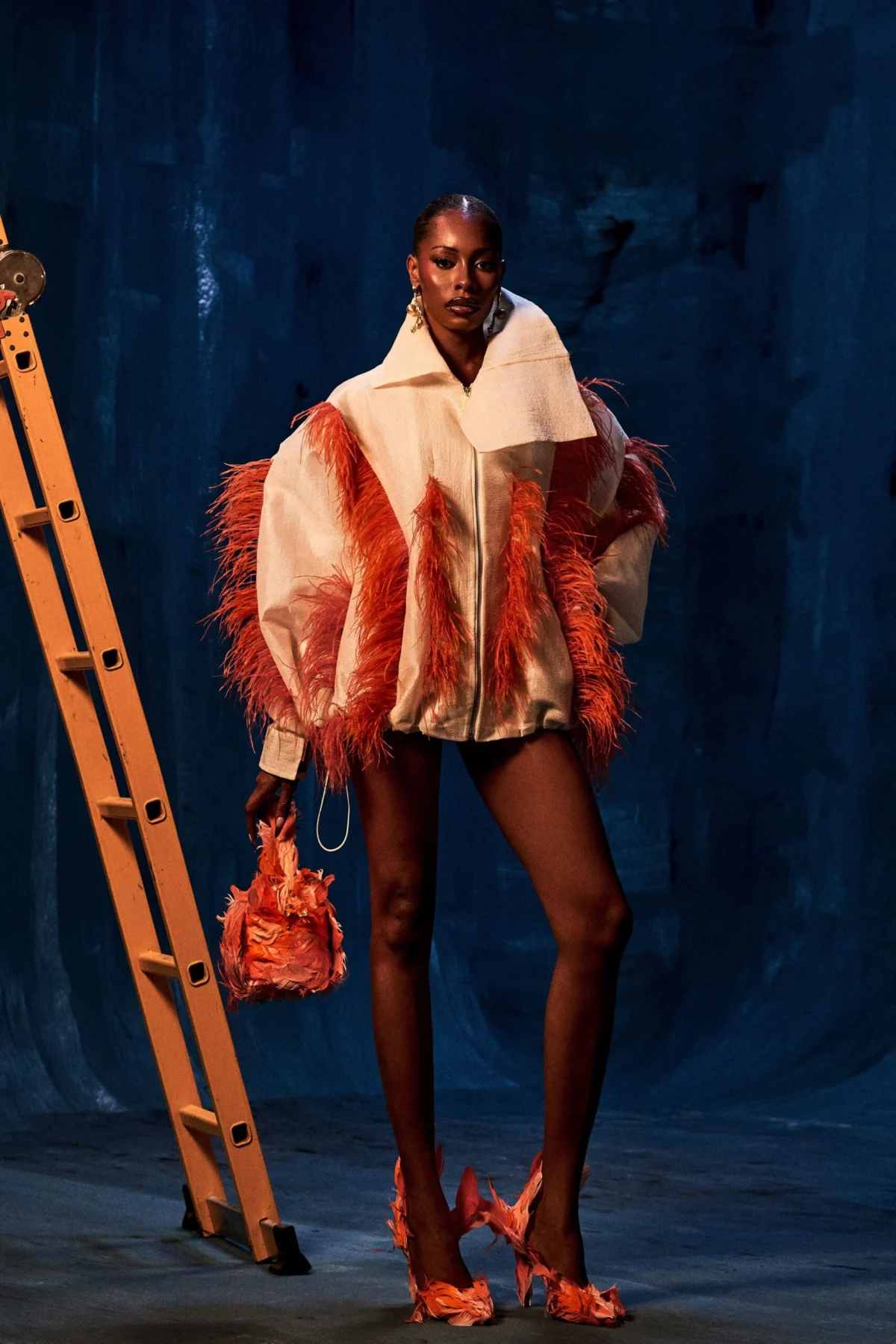
Tokyo James has always been a name synonymous with sharp tailoring and the luxurious embrace of leather. However, for his Spring 2027 collection, aptly titled "Identity," the Nigerian designer embarked on a daring and transformative journey, challenging the very material that has defined his brand’s aesthetic. In a deliberate departure, leather was significantly minimized, paving the way for an exploration of how a single, seemingly unassuming fabric could be pushed to its absolute limits. This season, James delved into the core of his label’s early ethos: the radical reinvention of materials through an intensive process of experimentation and manipulation.
The genesis of "Identity" can be traced back to the immediate aftermath of the February fashion presentations. With an abundance of deadstock materials readily available in the Lagos studio, James and his dedicated team initiated a months-long intensive research and development phase. This period was characterized by relentless testing of various techniques, a meticulous process of trial and error to uncover the full potential of their chosen medium. "We were still figuring out what worked and what didn’t, and what would look amazing," James stated, reflecting on the crucial developmental stage. This period of uncertainty and discovery was fundamental to the collection’s eventual groundbreaking outcome.
The linchpin of this ambitious undertaking was the humble yet versatile sheer silk organza. This single fabric became the foundational element for a vast majority of the collection. Through an array of sophisticated techniques – ruching, layering, fusing, crushing, and pleating – the organza was transformed, often to a degree that rendered its original form almost unrecognizable. "You would think that it’s different fabrics," James observed, highlighting the profound metamorphosis achieved, "but it’s one that has been manipulated to look like multiple different things." This mastery over material transformation underscores James’s innovative approach to design, where the concept of identity is not fixed but fluid and subject to reinterpretation.
The Denim Illusion: A Masterclass in Textile Deception
Among the most arresting and celebrated transformations within the "Identity" collection was a striking blue jacket and trouser ensemble. At first glance, the outfit appeared to be a meticulously crafted denim set, complete with authentic-looking topstitching and polished gold buttons. Yet, in a testament to James’s innovative prowess, this entire ensemble was, in fact, constructed from silk organza. The tactile experience of wearing this garment further emphasizes the illusion; as James described, "If you wear it, it feels like paper. It’s so light." This lightness, a stark contrast to the perceived weight and structure of denim, speaks volumes about the collection’s conceptual depth.
The journey to perfecting this denim illusion was not without its initial apprehensions. "We were apprehensive at first," James admitted, "but when we did it again and again and again, and we saw that we could perfect the technique, that’s how we decided to just make it into denim." This iterative process of refinement and unwavering commitment to achieving a specific aesthetic outcome demonstrates a designer confident in his vision and meticulous in his execution. The success of this particular piece serves as a powerful statement on how perception can be artfully manipulated through innovative textile engineering.
Echoes of Heritage: The Monogram of Memory
Beyond the radical material reinventions, the "Identity" collection also woven in threads of personal history and ancestral legacy. A recurring star-like motif, subtly integrated across several looks, held a deeply personal significance for James. This emblem was originally found on one of his grandmother’s old wrappers, a textile that was later passed down to his mother. "I asked her what this motif was about," James recalled, sharing a poignant anecdote. "She was just like, ‘Oh, it was a motif that they used during their time for their wedding.’"
James’s decision to lift this motif from a cherished family textile and reimagine it as a monogram for his collection introduces a profound layer of inheritance and continuity. This element of personal history stands in fascinating dialogue with the collection’s overarching theme of transformation. It suggests that while external identities can be fluid and reshaped, deeper, familial identities provide a grounding force, a source of inspiration that can be reinterpreted for contemporary relevance. The monogram, appearing across various garments, serves as a visual anchor, connecting the past to the present and embedding the collection with a narrative of enduring familial bonds.
Sensory Richness and Sustainable Sensibilities
The sensory richness of the "Identity" collection extended beyond its primary fabric manipulations. A black leather jacket, for instance, showcased a complex technique where thick laces were intricately braided and woven through its surface. James drew a direct parallel between this artisanal treatment and the cultural significance of cornrows, a hairstyle deeply rooted in African heritage. This deliberate connection highlights James’s ongoing commitment to drawing inspiration from and celebrating African cultural aesthetics within his contemporary fashion narrative.
The collection’s color palette was a dynamic interplay of sophisticated neutrals and vibrant accents. The foundational hues of ivory, black, gray, blue, and burgundy were artfully punctuated with unexpected streaks and tufts of vivid orange, electric cobalt, soft peach, and creamy off-white. This strategic use of color added a layer of visual excitement and unexpected dynamism to the garments, preventing the more subdued tones from becoming monotonous.
Furthermore, the integration of feathers, sourced locally in Lagos, added a tactile and visually arresting dimension. These feathers underwent a rigorous treatment and recoloring process within James’s studio before being meticulously attached to a range of items, including jackets, dresses, shoes, and bags. This meticulous crafting process ensures a unique and artisanal feel for each piece.
In a move that further reinforces the collection’s thematic exploration of transformation and reinvention, many of the accessories had a previous life. These items were consciously carried over and upcycled from previous seasons, effectively extending the collection’s conceptual interest in re-evaluating and re-contextualizing existing elements. This sustainable approach not only reduces waste but also adds a deeper layer of meaning to the garments, imbuing them with a history and a narrative of evolution. As James eloquently put it, encapsulating the core philosophy of "Identity," "How do you transform the normal into something new?" For his label, the answer, as powerfully demonstrated by this collection, lies not solely in the initial material or concept, but in the transformative journey and innovative processes that shape it into something entirely novel and compelling.
Context and Chronology of "Identity"
The conceptualization and development of Tokyo James’s Spring 2027 collection, "Identity," followed a deliberate and extended timeline, underscoring the designer’s commitment to meticulous craftsmanship and material exploration.
-
February Post-Show Period: The initial spark for the collection’s direction ignited immediately following the February fashion shows. This period marked the beginning of a significant shift in focus, moving away from the brand’s established leather-centric identity. The availability of deadstock materials in the Lagos studio provided the immediate impetus for experimentation.
-
Months of R&D: From February onwards, James and his team dedicated several months to an intensive research and development phase. This was not a hurried process; rather, it was characterized by a deep dive into material science and technique exploration. The team actively experimented with various methods of manipulating sheer silk organza, a fabric that would become central to the collection. This phase was crucial for identifying what techniques yielded the most aesthetically pleasing and innovative results.
-
Design and Production: Following the successful identification of key techniques and material transformations, the design and production of the collection commenced. This involved translating the experimental findings into wearable garments, paying close attention to detail, silhouette, and the overall narrative of "Identity." The creation of the "denim" organza pieces, for instance, required repeated iterations to achieve the desired visual and textural illusion.
-
Inclusion of Heritage Motifs: The integration of the star-like motif, derived from James’s grandmother’s wrappers, likely occurred during the design phase, as it needed to be seamlessly incorporated into the overall aesthetic of the collection. This element added a layer of personal history and cultural significance to the garments.
-
Sustainable Practices Integration: The upcycling of accessories from previous seasons was a conscious decision made during the production process, reinforcing the collection’s theme of transformation and resourcefulness. This practice aligns with a growing trend in the fashion industry towards more sustainable and circular models.
-
Spring 2027 Unveiling: The collection, "Identity," was presented as part of the Spring 2027 fashion season, showcasing the culmination of James’s ambitious vision and extensive creative process.
Industry Reactions and Broader Implications
The "Identity" collection by Tokyo James has garnered significant attention within the fashion industry, not only for its aesthetic appeal but also for its conceptual rigor and innovative approach to material usage. Industry analysts and critics have lauded James’s willingness to challenge established brand codes and his ability to redefine luxury through a lens of reinvention and sustainability.
Supporting Data and Trends:
-
Growth of Sustainable Fashion: The global sustainable fashion market is projected to grow significantly in the coming years. Reports from various market research firms indicate a rising consumer demand for ethically produced and environmentally conscious apparel. James’s emphasis on upcycling and material innovation aligns directly with this burgeoning market trend. For instance, Grand View Research projected the global ethical fashion market size to reach USD 9.03 billion in 2023 and expand at a compound annual growth rate (CAGR) of 8.7% from 2024 to 2030.
-
Textile Innovation in Luxury: Luxury brands are increasingly investing in textile innovation and research to create unique textures and finishes. The ability to transform a single fabric into multiple appearances, as demonstrated by James with silk organza, offers new possibilities for design and production, potentially reducing the reliance on a wider variety of raw materials.
-
Heritage and Modernity in Design: The fashion industry has seen a resurgence in designers drawing inspiration from their cultural heritage and reinterpreting it for a global audience. James’s integration of the family monogram exemplifies this trend, adding depth and narrative to collections and resonating with consumers seeking authenticity and cultural connection in their purchases.
Inferred Reactions and Analysis:
While direct quotes from other designers or major retailers were not immediately available, the nature of James’s work suggests potential positive reception from buyers and fashion critics who prioritize originality and technical skill. Buyers for high-end department stores and influential fashion publications are likely to be impressed by the collection’s ability to generate significant visual impact and conversation from a limited material base. This could translate into increased orders and editorial coverage, further solidifying Tokyo James’s position as a forward-thinking designer.
Broader Impact and Implications:
The "Identity" collection serves as a compelling case study for the future of fashion design. It demonstrates that:
-
Brand Identity is Fluid: A brand’s core identity is not necessarily fixed to a single material or aesthetic. Through intentional experimentation and a clear conceptual vision, established brand identifiers can be evolved and expanded upon.
-
Innovation Drives Sustainability: Pushing the boundaries of textile manipulation can lead to more sustainable practices by maximizing the potential of existing or limited materials, reducing the need for diverse raw material sourcing.
-
Narrative is a Key Differentiator: Incorporating personal heritage and cultural narratives into collections adds a unique emotional resonance and authenticity that can differentiate brands in a crowded market.
-
Technical Skill Elevates Design: The meticulous application of techniques like ruching, pleating, and fusing can transform common fabrics into high-fashion statements, showcasing the artistry and craftsmanship inherent in luxury design.
In essence, Tokyo James’s "Identity" collection is more than just a seasonal offering; it is a manifesto for a more innovative, conscious, and personally resonant approach to fashion design, proving that true identity lies in the continuous process of reinvention.
