

The global cruise industry is undergoing a significant paradigm shift as a growing demographic of "adventure-first" travelers rejects the traditional hallmarks of mass-market maritime tourism. While the sector has historically been defined by large-scale vessels, rigid schedules, and crowded ports of call, companies like UnCruise Adventures are successfully carving out a niche by positioning the ship not as the destination, but as a mobile base camp for wilderness exploration. Based on recent operational updates for the 2026-2027 season, the company is doubling down on its "UnCruise" philosophy, prioritizing remote access, flexible itineraries, and deep environmental immersion across its fleet of small-scale expedition vessels.
The Core Philosophy of Experience-Based Cruising
The "UnCruise" model is built upon a fundamental departure from the standard cruise experience. Unlike the mega-ships that dominate the Caribbean and Mediterranean—some of which now carry upwards of 7,000 passengers—UnCruise operates a fleet of vessels with capacities ranging from 22 to 86 guests. This scale is designed to facilitate an intimate environment where the ratio of crew and expert guides to guests allows for personalized instruction and spontaneous adjustments to the journey.
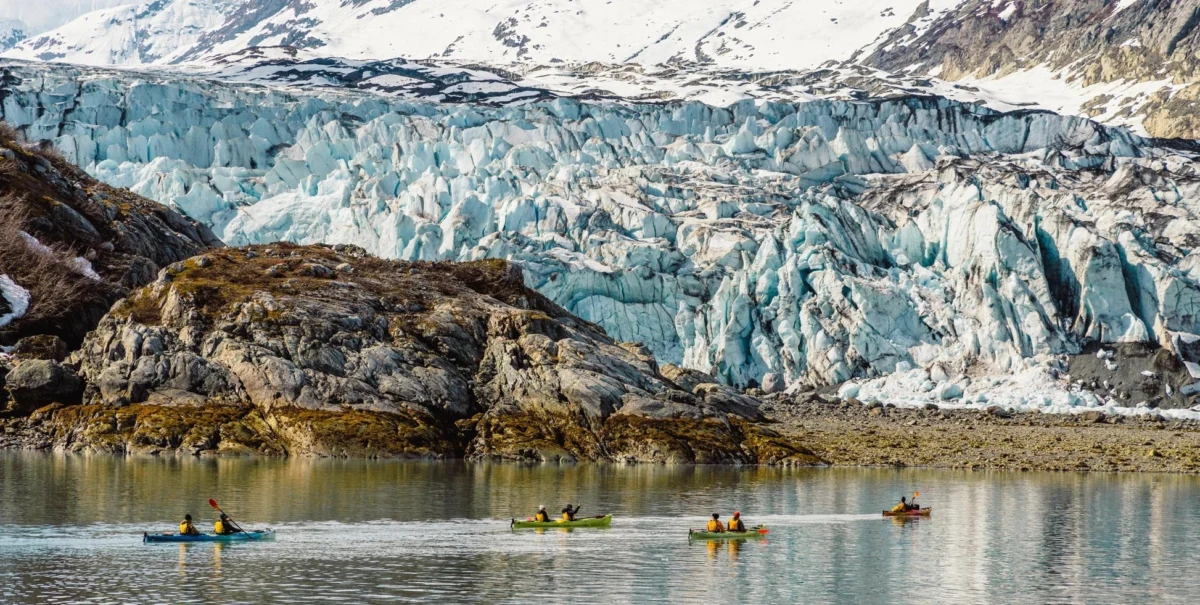
According to Captain Dan Blanchard, CEO of UnCruise Adventures, the company’s mission is centered on what exists beyond the hull of the ship. "Our whole gig is what’s outside," Blanchard noted in a recent briefing. This philosophy manifests in a daily schedule that replaces traditional onboard entertainment, such as casinos and theater productions, with active pursuits like coastal kayaking, snorkeling in protected coves, and guide-led bushwhacking. The vessels serve as a functional hub where "sea-to-plate" meals and educational presentations on local ecology provide the context for the day’s physical excursions.
Strategic Operations in the Alaskan Wilderness
Nowhere is the UnCruise operational strategy more distinct than in the waters of Alaska. While the Alaskan cruise market has seen a surge in popularity, reaching record-breaking passenger numbers in recent years, the majority of these travelers experience the state through the lens of large-port infrastructure. UnCruise distinguishes its service through several key logistical advantages:
U.S.-Flagged Vessel Advantages
By operating U.S.-flagged vessels, UnCruise is exempt from the requirements of the Passenger Vessel Services Act (often referred to in a similar context as the Jones Act), which mandates that foreign-flagged ships must visit an international port during their itinerary. Consequently, UnCruise voyages typically begin and end within Alaska—often in Juneau, Sitka, or Ketchikan—allowing for 100% of the voyage time to be spent within Alaskan waters. This eliminates the long "sea days" required for travel to and from Seattle or Vancouver.
Minimalist Transit and Maximum Immersion
A typical large-scale cruise ship may cover upwards of 3,000 miles in a single week-long itinerary to accommodate distant port requirements. In contrast, UnCruise itineraries are designed to cover approximately 400 miles over the same period. By traveling primarily at night and anchoring in remote bays during the day, the company ensures that guests are positioned for adventure the moment they wake. This "slow travel" approach reduces the carbon footprint of the journey while maximizing the time spent in direct contact with the environment.
Exclusive Access to Glacier Bay National Park
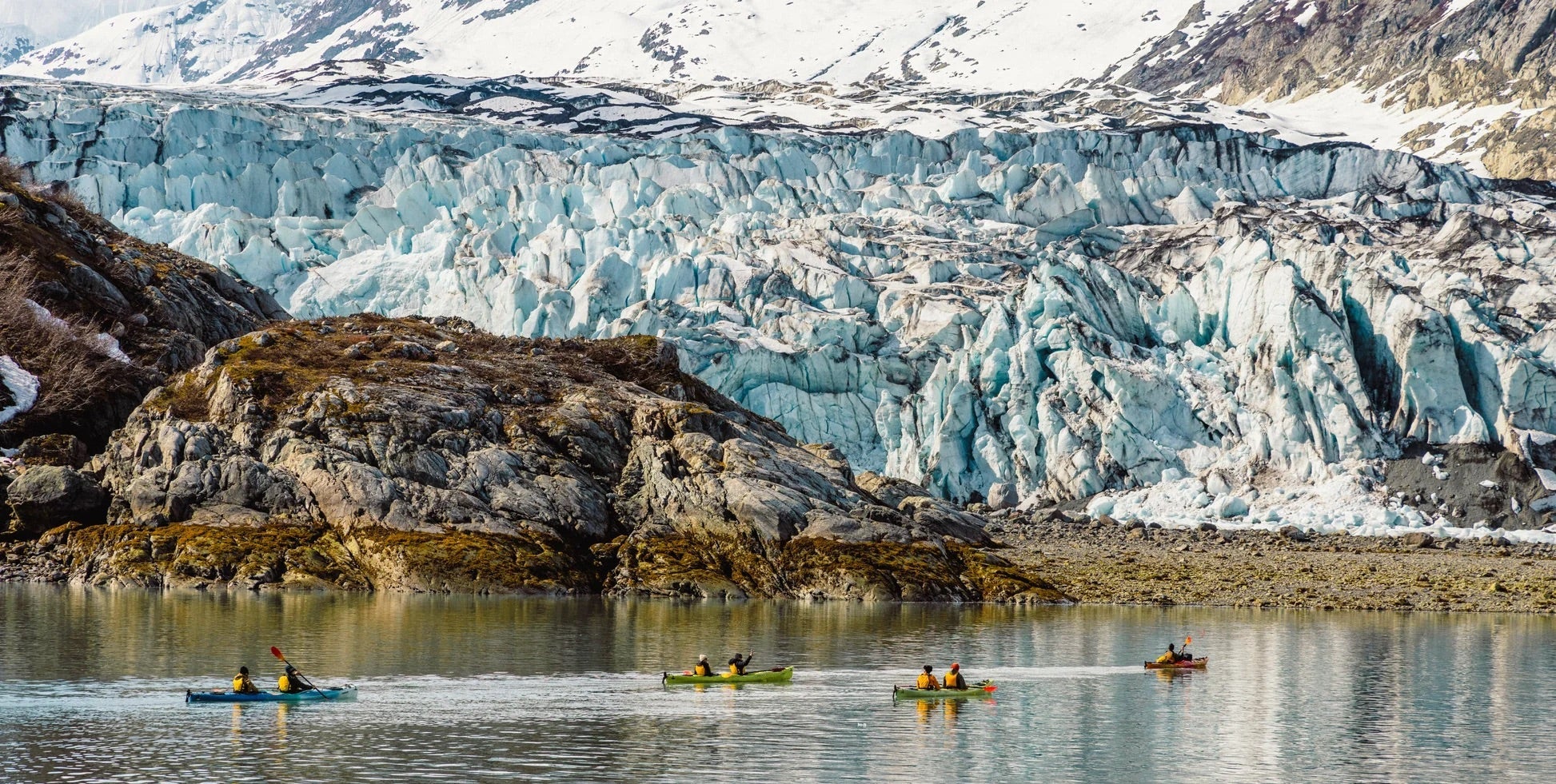
Access to Glacier Bay National Park is strictly regulated by the National Park Service (NPS) to protect the sensitive marine ecosystem. While many large ships are granted permits to enter the bay, their passengers rarely leave the vessel. UnCruise is among the few operators that provide "wet landings" and hiking opportunities within the park’s wilderness areas. According to company data, fewer than one percent of all visitors to Glacier Bay ever set foot in the outer bay wilderness—a statistic UnCruise leverages to highlight its unique market positioning.
A Chronology of the Expedition Cruise Evolution
The rise of UnCruise Adventures is part of a broader historical trend in the travel industry toward "expedition" cruising.
- 1996: The company was founded as American Safari Cruises, focusing on luxury yacht-style cruising in Alaska.
- 2000s: As traveler preferences shifted from passive luxury to active exploration, the company began acquiring vessels that could handle rugged gear and frequent water-based deployments.
- 2013: The company rebranded as UnCruise Adventures to better communicate its "anti-cruise" sentiment and focus on wilderness.
- 2020-2024: Following the global pandemic, the demand for small-group travel and outdoor-centric itineraries spiked. UnCruise expanded its operations in Hawaii, the Galapagos, and Central America to meet the growing interest in secluded travel.
- 2026: The current season sees the implementation of "flexible itineraries," where captains are empowered to deviate from the planned course to follow wildlife sightings, such as orca pods or humpback whale breaches.
Global Diversification: Beyond the Arctic Circle
While Alaska remains the flagship destination, UnCruise has successfully exported its model to several other ecologically diverse regions. Each location is selected for its ability to support small-ship infrastructure and its appeal to nature-focused travelers.
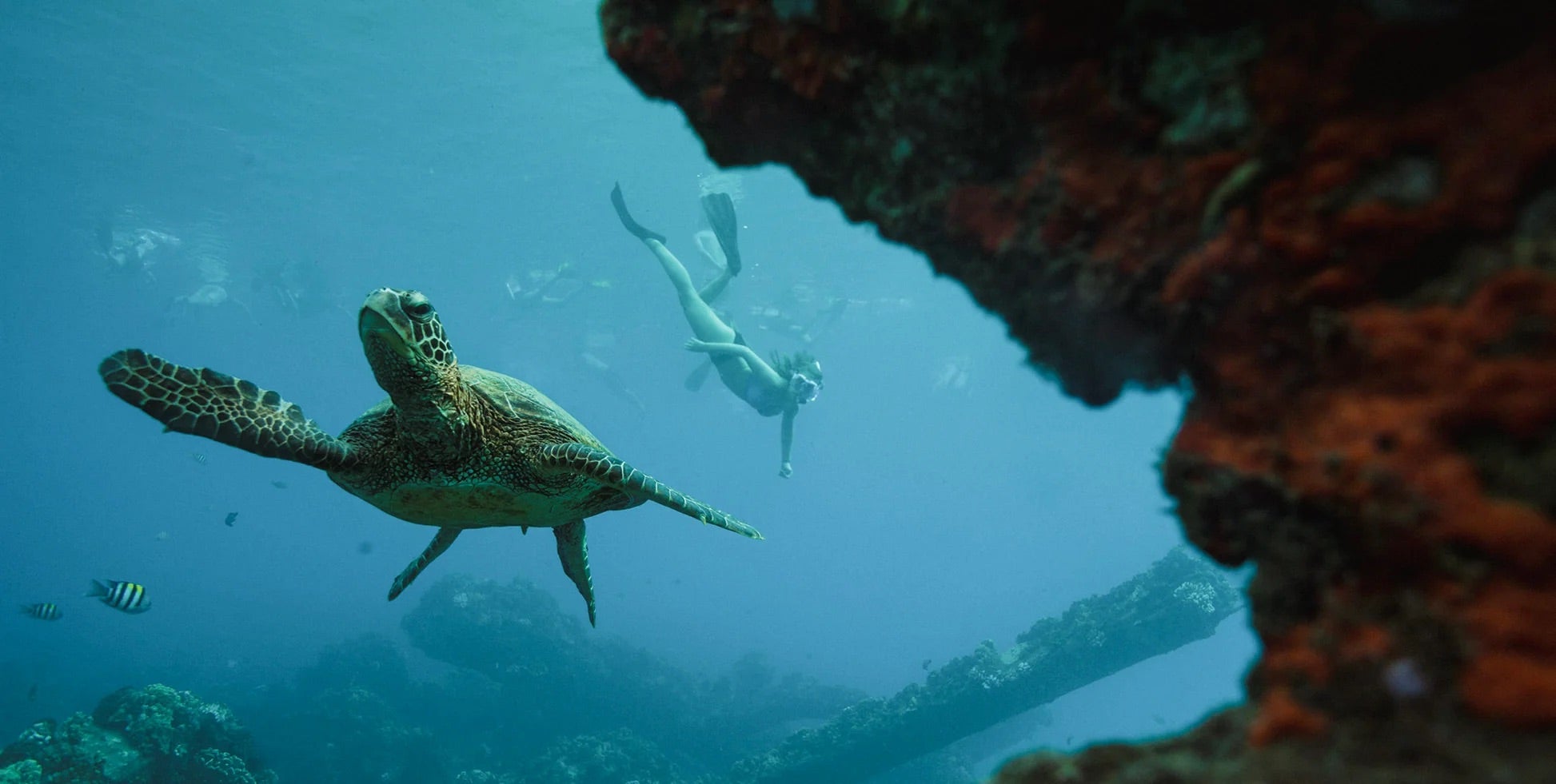
- Hawaii: Moving away from the high-rise resorts of Waikiki, the Hawaiian itineraries focus on the "Seascapes" of the smaller islands, emphasizing snorkeling with manta rays and cultural exchanges with local communities that are inaccessible to larger ships.
- The Galapagos Islands: In this highly regulated archipelago, UnCruise utilizes its expert guides to lead wildlife-watching expeditions that adhere to strict conservation protocols, ensuring guests see the islands’ famous tortoises and iguanas without the interference of large crowds.
- Costa Rica and Panama: These itineraries highlight tropical fjords and the engineering marvel of the Panama Canal, with a focus on jungle trekking and kayaking through mangrove forests.
- Mexico’s Sea of Cortez: Often described as the "aquarium of the world," this region allows for burro rides through coastal mountains and snorkeling with sea lion pups.
Economic and Environmental Implications
The small-ship model offers a different economic profile for host communities compared to the "mega-ship" model. Large cruise ships often face criticism for "over-tourism," where thousands of passengers descend on a small port town for a few hours, putting a strain on local infrastructure while spending relatively little at local businesses due to the all-inclusive nature of their ships.
UnCruise, by virtue of its size, interacts with local economies through the procurement of local goods. The company’s "sea-to-plate" initiative involves purchasing seafood directly from local Alaskan or Hawaiian fishermen, and produce from regional farmers. This provides a more direct and sustainable economic injection into the remote communities they visit.
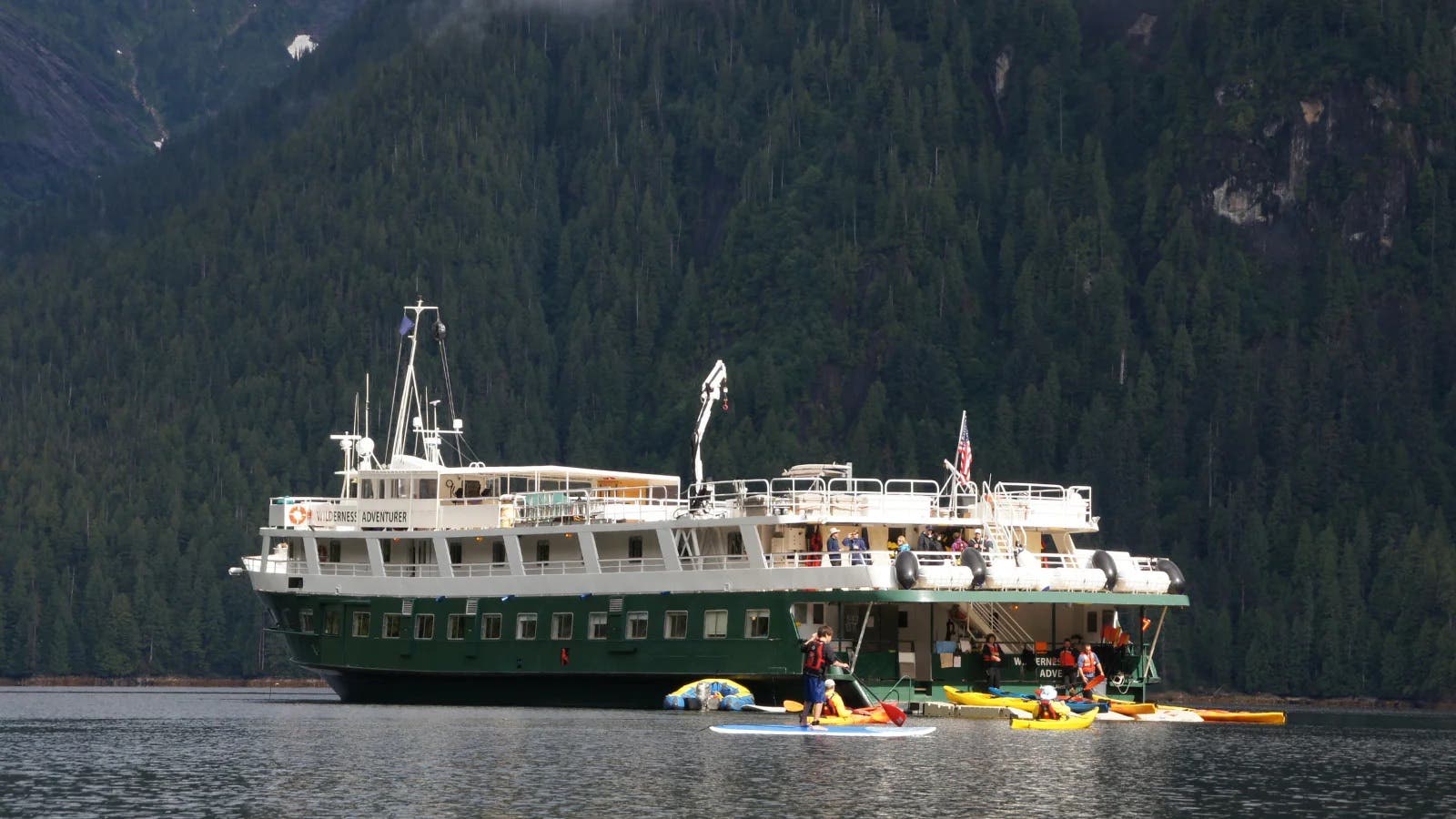
From an environmental standpoint, the impact of small-ship cruising is a subject of ongoing analysis. While smaller ships have a lower total volume of waste and emissions than mega-ships, they often operate in more sensitive ecosystems. UnCruise manages this through rigorous "Leave No Trace" principles during land excursions and by employing onboard naturalists who educate guests on the fragility of the habitats they are visiting. The company’s "plan from which to deviate" strategy also allows ships to maintain a safe distance from wildlife, adjusting the vessel’s path to avoid disturbing marine mammals.
Future Outlook: The Growing Demand for Uncertainty
As the 2026 season progresses, the travel industry is watching the expedition sector closely. Market analysts suggest that the "experience economy" is continuing to outpace traditional luxury goods in terms of consumer spending. For UnCruise, the willingness to embrace uncertainty—weather changes, wildlife movements, and off-the-grid locations—is their primary selling point.
"If you get anxious without a strict plan in place, day drinking is acceptable," Captain Blanchard famously tells his guests, highlighting the relaxed, adventure-oriented atmosphere that defines the brand. This transparency regarding the unpredictability of nature appears to resonate with modern travelers who view traditional, scripted vacations as authentic-deficient.
The broader implication for the cruise industry is clear: there is a significant and growing market for travel that prioritizes the "wild places" over the "waterslides." As environmental regulations tighten and travelers become more conscious of their ecological footprint, the small-ship, expedition-style model pioneered by UnCruise Adventures is likely to become a blueprint for the future of sustainable maritime tourism. Through its combination of U.S.-based operations, local economic integration, and a relentless focus on the wilderness, UnCruise remains at the forefront of a movement that is redefining what it means to go on a cruise.
