

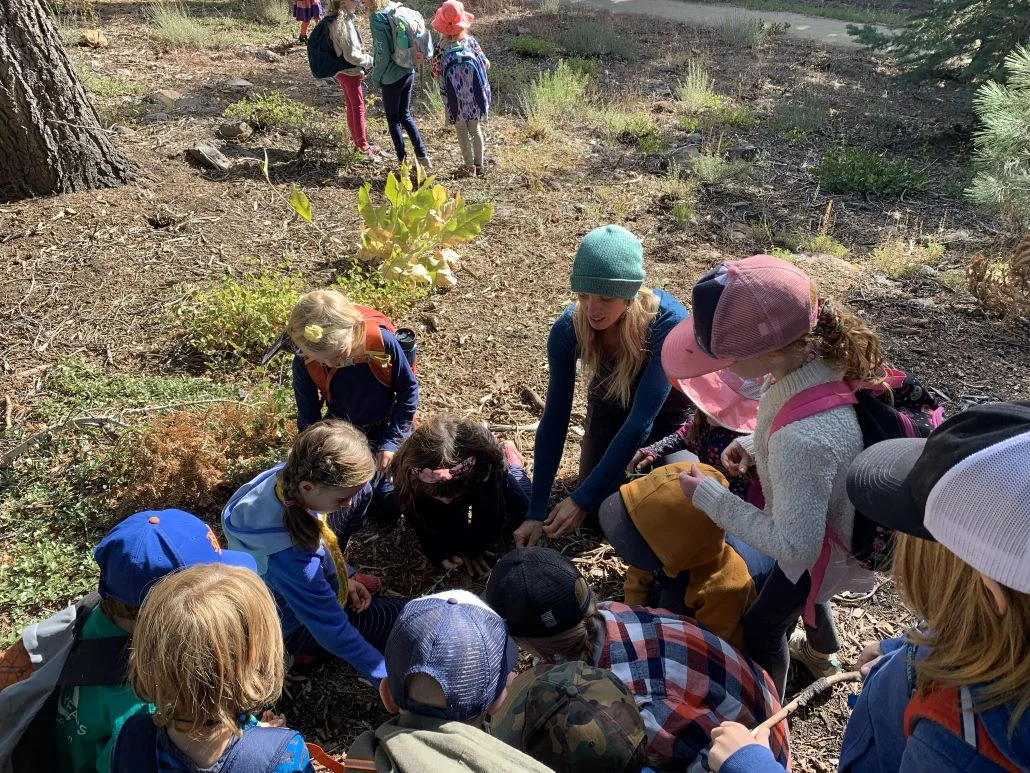
Liz Sheppard, a distinguished Level III snowboard instructor and Children’s Specialist 2, stands as a testament to dedication in snowsports education and a passionate advocate for experiential outdoor learning. As a valued member of the Western Region Education Staff, Sheppard brings over two decades of experience to Northstar California Resort in Truckee, California, where her expertise shapes the next generation of riders and instructors. Beyond the slopes, her commitment to nurturing young minds extends to the classroom, notably through the development of an outdoor education program for the Waldorf School in Truckee and her role as a middle school science teacher at Tahoe Expedition Academy. Her multifaceted career, marked by pioneering initiatives like the Burton Academy and a steadfast commitment to mentorship, exemplifies a journey of continuous learning and profound impact on both the snowsports industry and broader educational landscapes.
From Georgia to California: A Lifelong Connection to the Outdoors
Sheppard’s profound connection to the natural world began far from the snowy peaks of California, rooted in the verdant landscapes of Georgia and the wild expanses of a Maine lake. Her childhood was characterized by immersive outdoor experiences—building forts, enduring the elements, and developing an intrinsic appreciation for the freedom and simple wonders of nature. This early exposure fostered a deep-seated belief in the transformative power of the outdoors, igniting a passion that would ultimately define her career trajectory.
During her formative years in high school, Sheppard actively pursued structured outdoor programs, participating in mountaineering expeditions with renowned organizations such as the National Outdoor Leadership School (NOLS) and Adventures Cross Country. NOLS, established in 1965, is globally recognized for its wilderness education programs that teach leadership, outdoor skills, and environmental ethics in remote settings. These experiences, particularly the allure of "large snowy mountains" that contrasted with her Southern upbringing, solidified her aspiration to integrate the outdoors into her professional life.
Her collegiate years further broadened her horizons, with studies and travels abroad in biodiversity-rich Costa Rica and the rugged terrains of Chile. These international experiences underscored the vastness of the world and cemented her decision to pursue a career outside traditional office environments. Post-college, Sheppard transitioned into full-time outdoor education, first with Adventures Cross Country and then with Naturalists at Large in the American West. Adventures Cross Country offered intensive, multi-week trips focusing on backpacking, paddling, climbing, and snow travel, forging deep connections with small groups of students. Naturalists at Large, by contrast, provided shorter, immersive outdoor trips across California, exposing students to diverse ecosystems and fostering collaboration with a network of knowledgeable outdoor educators. These roles provided invaluable pedagogical experience, emphasizing the unique blend of challenge, beauty, and cooperation inherent in shared outdoor adventures. Sheppard recounts how these experiences activate "brains, bodies, senses, and souls," creating lasting memories and skills far beyond the scope of a conventional classroom. Her early career coincided with a period when outdoor education was still gaining mainstream recognition, often met with skepticism about its viability as a "real job." Today, the industry has burgeoned, validating her pioneering choices and underscoring the increasing societal value placed on experiential and nature-based learning.
Navigating the Peaks of Professional Snowboard Instruction
Sheppard’s entry into snowsports instruction was driven by a dual motivation: a desire to work with children and a commitment to refining her own snowboarding abilities. She embarked on her professional journey at Northstar California Resort, quickly progressing through the rigorous certification levels offered by the Professional Ski Instructors of America and American Association of Snowboard Instructors (PSIA-AASI). PSIA-AASI is the largest snowsports education organization in the world, setting the standards for instruction and certifying professionals across the United States.
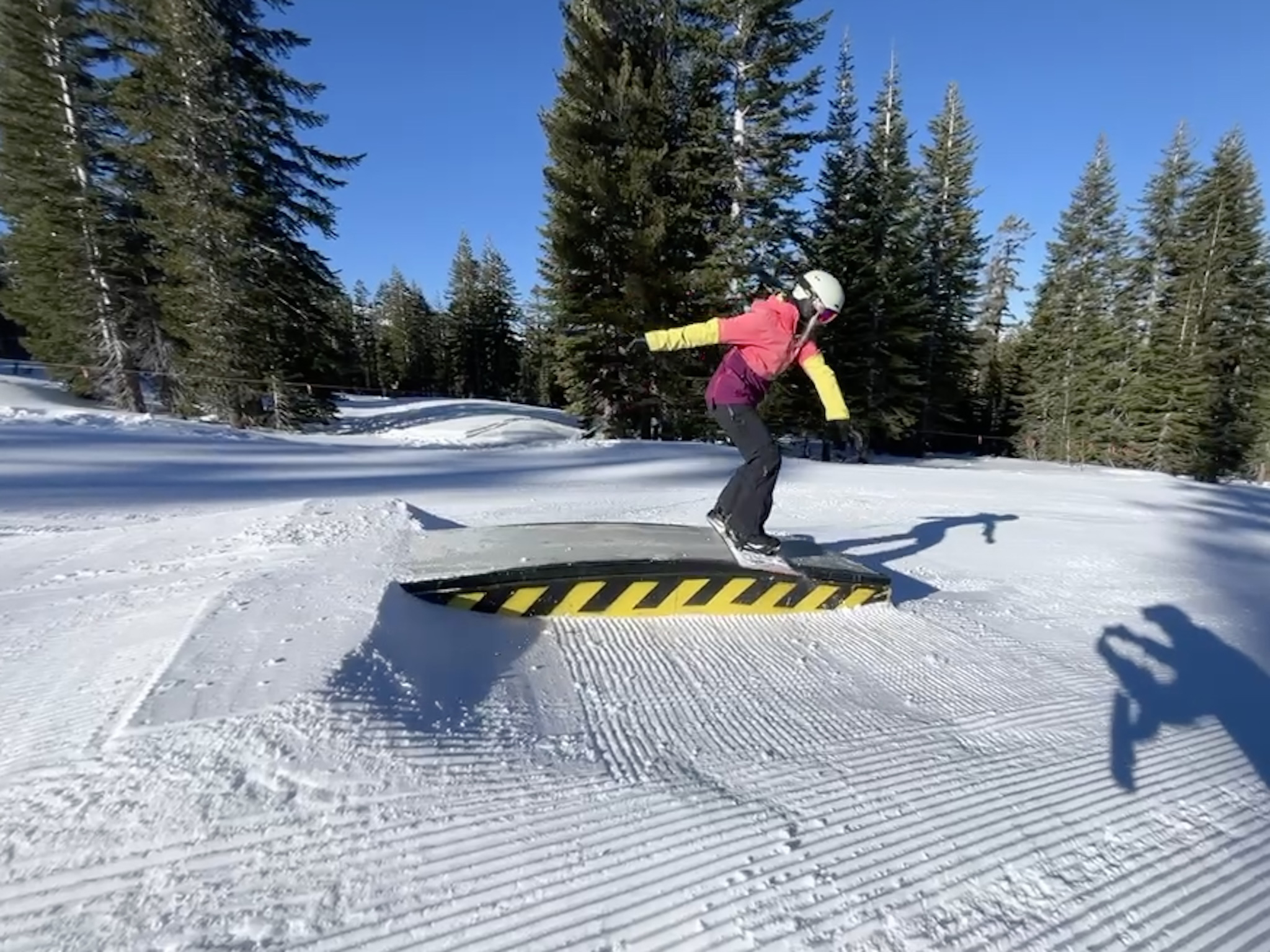
Within her first two seasons at Northstar, Sheppard achieved her Level I and Level II certifications, demonstrating a rapid mastery of instructional techniques and riding proficiency. The Level I certification establishes foundational teaching skills, while Level II signifies an advanced understanding of snowboarding mechanics and pedagogy, enabling instructors to teach a wider range of students effectively. The following year, she earned her Children’s Specialist 2 credential, a specialized certification recognizing advanced expertise in teaching children, understanding their developmental stages, and adapting lessons to their unique learning styles. This accomplishment underscored her innate talent and passion for youth education.
Her path to the esteemed Level III certification was intertwined with a period of international teaching and personal growth. Alongside her future husband, Luke Sheppard, who was working in the U.S. on an H-2B visa (a temporary non-agricultural worker visa), she embraced an "endless winter" lifestyle. This involved teaching consecutive seasons at Cardrona Alpine Resort in New Zealand and Northstar, effectively chasing winter across hemispheres. This unique experience exposed her to diverse instructional philosophies, particularly from trainers within the New Zealand Snowsports Instructors Alliance (NZSIA), a counterpart to PSIA-AASI. The NZSIA, established in 1963, plays a similar role in professionalizing snowsports instruction in New Zealand, offering a different cultural and environmental context for skill development. It was during this period of extensive cross-cultural exposure and continuous on-snow practice that Sheppard successfully achieved her Level III certification, the highest instructional credential in PSIA-AASI, signifying expert-level riding, teaching, and professional knowledge.
Pioneering Terrain-Based Learning with the Burton Academy
Upon achieving her Level III, Sheppard transitioned into a training role, mentoring staff at both Northstar and Cardrona. A significant highlight of this phase was her unique involvement in the development of the first Burton Academy at Northstar in 2009. This initiative represented a paradigm shift in snowboard education, moving away from traditional, flat-slope instruction towards "terrain-based teaching and learning."
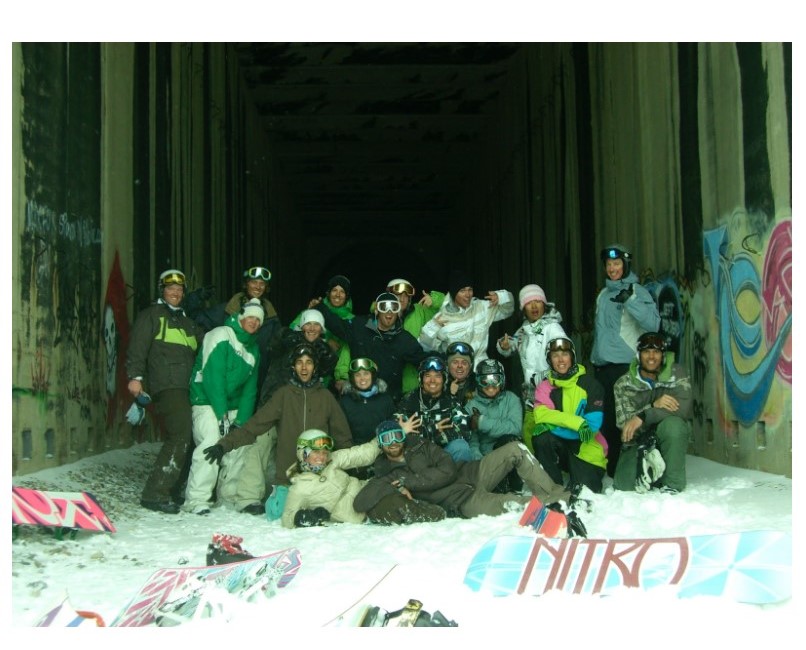
Terrain-based learning leverages specially designed, gentle snow features—such as mini-pipes, rollers, and banked turns—to naturally guide students through fundamental snowboarding movements. This innovative approach makes learning more intuitive, engaging, and less intimidating, drastically reducing the time it takes for beginners to link turns and gain confidence. The Burton Academy at Northstar became a beacon for this progressive methodology, emphasizing community, connection, and creative exploration of progressions. Sheppard describes this period as "fun, creative, and motivating," highlighting the collaborative spirit of the "small tightknit crew" that built the program. This team, largely composed of individuals who would later serve on the Western Region Education Team, was united by a passion for the sport, teaching excellence, and exceptional guest service. Their work at the Burton Academy not only revolutionized beginner instruction at Northstar but also influenced snowsports education practices across the industry, contributing to higher retention rates for new participants by making the initial learning experience more enjoyable and successful.
Balancing Family and Professional Ascent: The Journey to Trainer Certification
Following her marriage, Sheppard made the conscious decision to take a break from full-time teaching to focus on starting a family. For several years, she embraced motherhood, staying at home with her children while maintaining a connection to the snowsports world through part-time training roles. This period, though a pause in her direct pursuit of the snowboard trainer certification, was anything but stagnant. Sheppard reflects on it as a time of profound personal learning, encompassing insights into "babies, people, training, teaching, fear, self-doubt, mental conditioning." She emphasizes that these life lessons were invaluable and "wouldn’t have traded it for the world," demonstrating her resilience and ability to find growth in diverse life experiences.
Returning to her pursuit of the trainer assessment several years later, Sheppard faced the challenge of re-engaging with her professional goals after a significant personal transition. Her eventual success in passing the trainer assessment was a powerful affirmation of her dedication and a lesson in perseverance. This achievement, she notes, underscored the importance of pursuing one’s goals without being "hung up on the path that you take to get there." It speaks to the broader professional journey, where career development is often non-linear and enriched by life’s unexpected turns. As a PSIA-AASI trainer, Sheppard is now qualified to evaluate and certify other instructors, a role that requires not only exceptional technical and teaching skills but also a deep understanding of adult learning principles and assessment methodologies.
Cultivating Potential: The Intersecting Worlds of Mountain and Classroom
Sheppard’s passion for teaching children transcends the snow, seamlessly transitioning between the mountain and the traditional classroom. She finds children to be "amazing"—honest, curious, free-hearted, and fun-loving. Her pedagogical philosophy, whether instructing on a snowboard or teaching middle school science at Tahoe Expedition Academy, centers on imparting more than just hard skills. She aims to model kindness, cultivate curiosity, and instill a love for learning, encouraging students to recognize their inherent potential.
Tahoe Expedition Academy (TEA) is an independent K-12 school known for its innovative, project-based learning approach and emphasis on outdoor education. Similarly, her work with the Waldorf School in Truckee, where she developed an outdoor education program, aligns with Waldorf education’s holistic approach, which integrates intellectual, artistic, and practical learning. In both settings, Sheppard strives to create environments where students are challenged to discover their capabilities, often surpassing their own expectations. Her belief is that education is fundamentally about inspiring humans to be curious, lifelong learners, and to understand their vast, often untapped, potential. This philosophy underscores the interconnectedness of her roles, whether guiding a child down a snowy slope or through a scientific experiment, the core objective remains the same: to empower and enlighten.
Leading the Way: Impact on the Western Region Education Staff and Female Representation
Sheppard’s role on the PSIA-AASI Western Region Education Staff is a significant facet of her professional identity, allowing her to shape industry standards and mentor emerging instructors. Her experience on this team has been profoundly positive, characterized by strong camaraderie and mutual support among colleagues who have navigated personal and professional milestones together. As an education staff member, she embraces the opportunity to share her extensive knowledge and guide others through their PSIA-AASI certification journeys, echoing the mentorship she received earlier in her career.
The Western Education Team is particularly notable for its strong female representation. Sheppard proudly describes it as a "powerhouse of female examiners," actively promoting the presence and talent of women in the snowsports industry. Historically, leadership roles in professional sports organizations have often been male-dominated. However, organizations like PSIA-AASI have made concerted efforts to foster diversity and inclusion. Sheppard’s presence, and that of her female colleagues, serves as a powerful example for aspiring female instructors, demonstrating clear pathways to leadership and expertise. She emphasizes that having female trainers and examiners to look up to made it easier for her to envision her own progression. Her service as a female examiner is thus not just a personal achievement but a deliberate effort to "pave the way for more females to join the education team," contributing to a more equitable and representative industry.
Throughout her PSIA-AASI journey, Sheppard has distilled invaluable lessons applicable to any professional setting: the acceptance of uncontrollable variables (like weather), the art of effective communication, the ability to adapt and innovate in unknown situations, the importance of student-centered feedback, and the skill of differentiating instruction to meet diverse needs. These competencies, honed on the demanding terrain of a ski resort, are transferable leadership and pedagogical skills that underscore the depth of professional development offered by the snowsports industry.
The Enduring Value of Outdoor Education: From Passion to Profession
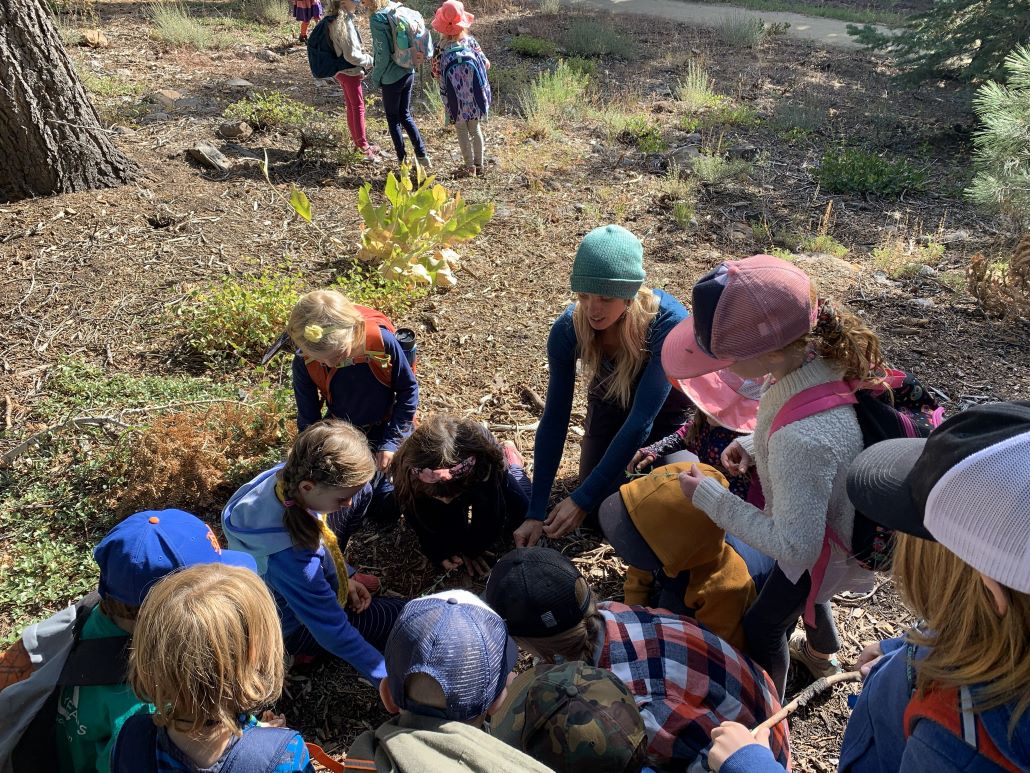
Sheppard’s extensive experience in outdoor education highlights a growing global recognition of its benefits. Her career trajectory, moving from early wilderness programs to developing curricula for schools, mirrors a broader societal shift towards valuing experiential learning. When she began, outdoor education was often seen as a niche or recreational pursuit, not a "real job." Now, however, the field is recognized for its profound impact on cognitive development, physical health, emotional resilience, and environmental stewardship.
Studies consistently show that outdoor education enhances problem-solving skills, teamwork, self-confidence, and a sense of responsibility. Programs like NOLS and Adventures Cross Country have long demonstrated how challenges in nature build character and leadership. Sheppard’s work with Naturalists at Large and her initiatives at the Waldorf School and Tahoe Expedition Academy exemplify how these principles can be integrated into formal education. By fostering direct engagement with nature, she helps students develop a deeper appreciation for the environment, critical thinking skills, and the ability to adapt to dynamic situations – competencies that are increasingly vital in a rapidly changing world. Her advocacy for "spending more time outside" is not merely a personal preference but a professional conviction, rooted in decades of observing the transformative effects of nature on individuals.
Sheppard’s Legacy: Shaping the Future of Snowsports and Experiential Learning
Liz Sheppard’s career is a compelling narrative of passion, perseverance, and pioneering spirit. Her journey from a child building forts to a Level III snowboard instructor and lead educator illustrates the profound impact one individual can have across multiple educational spheres. Through her work at Northstar, her instrumental role in the Burton Academy, and her unwavering dedication to outdoor education, she has not only elevated instructional standards but also inspired countless students and fellow professionals.
Her commitment to fostering a supportive environment for female instructors within the Western Region Education Staff actively contributes to a more diverse and inclusive snowsports industry. By openly sharing the challenges and triumphs of balancing family life with professional aspirations, she provides a tangible roadmap for others. Sheppard’s legacy is defined by her ability to cultivate potential, whether on a snowy slope or in a forest classroom, ensuring that the lessons learned extend far beyond technical skills, nurturing kind, curious, and capable individuals ready to navigate the complexities of the world. Her career stands as a powerful testament to the enduring value of experiential learning and the boundless opportunities that arise when passion is meticulously cultivated into a profession.
