

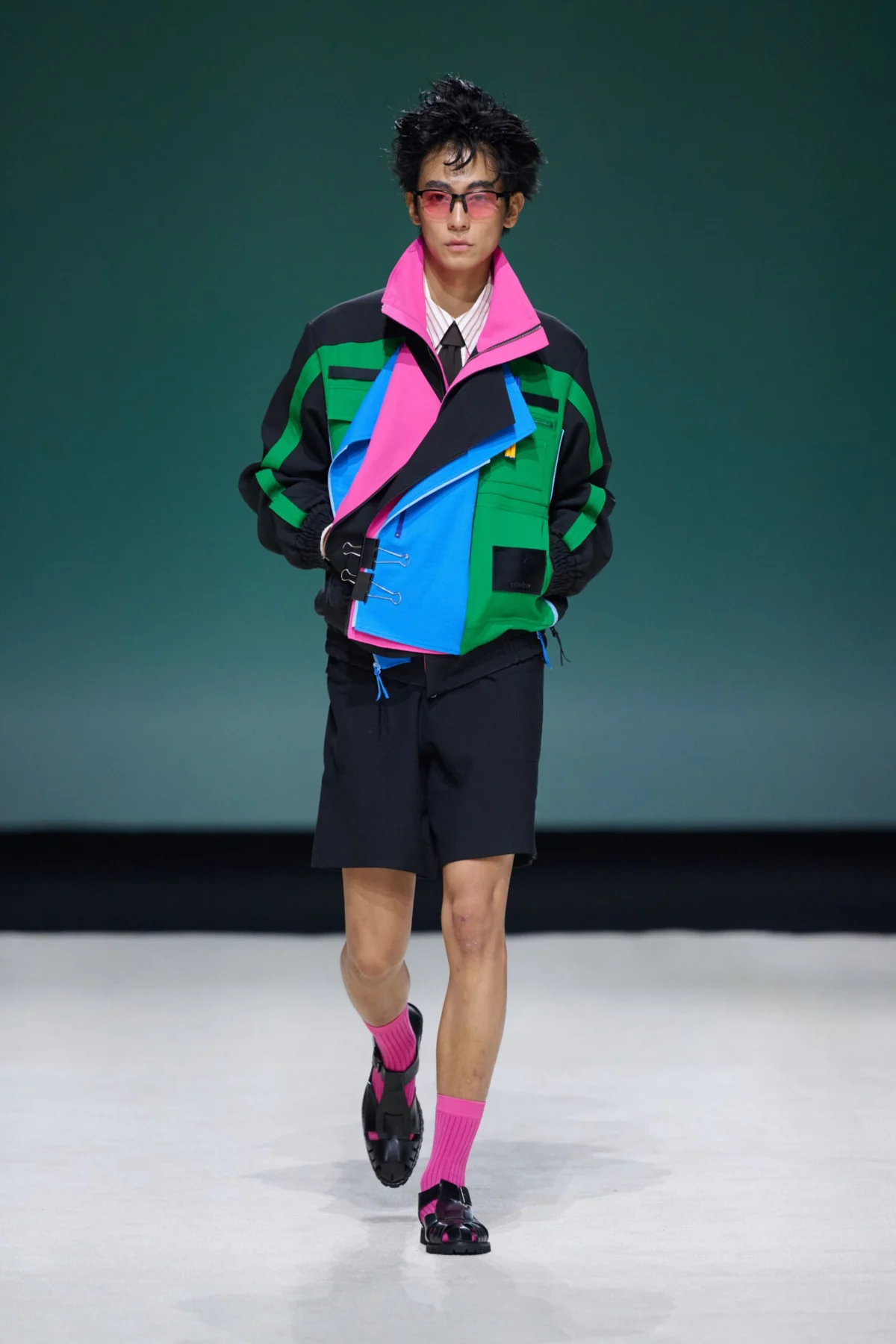
The Staffonly Spring 2024 collection, aptly titled No Duty to Be Cute, presented a compelling visual narrative that explored the pressures of conformity within professional environments, using the metaphor of a zoo to illustrate the human experience of being shaped by external expectations. While the collection’s theoretical underpinnings delved into the intricacies of human behavior, the garments themselves spoke a more immediate language of sartorial rebellion, offering a nuanced commentary on obedience and individuality. The show, held against the backdrop of a dynamic fashion week calendar, aimed to provoke thought and discussion beyond the ephemeral trends of the season, anchoring its message in a concept that resonated with contemporary anxieties about workplace culture.
A Theatrical Exploration of Conformity and Control
The conceptual framework of No Duty to Be Cute was not merely a stylistic flourish but a central tenet of the collection’s presentation. Staffonly’s creative team envisioned the modern workplace as a microcosm of a zoo, where individuals are expected to perform specific roles, adhere to unspoken rules, and ultimately, fit within predetermined enclosures of expectation. This allegorical approach was amplified through a performance that underscored themes of casting, the pervasive nature of conformity, and the enduring persistence of established hierarchies and regulations. The presentation aimed to mirror the subtle, and at times overt, mechanisms that dictate behavior and self-expression in professional settings, suggesting that these systems, much like those in a zoo, are designed to manage and control.
The performance elements, while elaborate, served to contextualize the collection, prompting attendees to consider the performative aspects of professional life. The narrative arc of the show, as inferred from its title and thematic exploration, likely involved scenarios that highlighted the tension between individual desires and institutional demands. By drawing parallels between animal behavior in captivity and human behavior in the workplace, Staffonly sought to expose the inherent absurdities and potential dehumanizing aspects of environments that prioritize uniformity over authentic self-expression. The brand’s decision to translate these complex ideas into a fashion show indicated a commitment to using the medium not just for aesthetic display, but as a platform for social commentary.
The Garments: A Subversion of Uniformity
While the theoretical narrative was intricate, the true power of the Staffonly collection resided in its execution through the clothing itself. The garments offered a less didactic, yet arguably more profound, exploration of the collection’s themes. The pieces were characterized by a colorful, slightly preppy aesthetic, reminiscent of an eccentric academic institution or a particularly chaotic office environment. However, this veneer of order was deliberately disrupted by a series of subtle yet impactful design choices.
Key elements that subverted the expected uniformity included twisted shirt fronts, skewed plackets, and pockets that appeared to be misplaced. Sleeves were gathered into irregular pleats, and ties were deliberately worn backward, all contributing to an overall sense of controlled disarray. These details served as visual "objections lodged in the seams," to borrow a phrase that encapsulates the collection’s spirit. They were not overt acts of rebellion, but rather quiet, persistent challenges to the established norms of dress and presentation.
Layered collars and cuffs added a further dimension of complexity, suggesting an attempt to both adhere to and defy traditional garment construction. Contrasting panels and fabrics, designed to be folded and fixed into shape, allowed for a dynamic interplay between structure and fluidity, further contributing to the off-kilter charm of the silhouettes. From a distance, the overall effect was one of order, a seemingly conventional wardrobe. However, upon closer inspection, the intentional deviations revealed themselves, transforming the garments from mere clothing into statements of subtle resistance. This duality—order from afar, waywardness up close—perfectly mirrored the collection’s central argument: that conformity can be achieved, but individuality can also persist within its confines.
Supporting Data and Industry Context
The Staffonly Spring 2024 collection arrives at a juncture where discussions around workplace culture, mental well-being, and the pressure to conform are at an all-time high. Recent surveys and reports consistently highlight employee dissatisfaction stemming from rigid corporate structures and a perceived lack of autonomy. For instance, a 2023 study by the Society for Human Resource Management (SHRM) indicated that a significant percentage of employees feel their workplaces do not adequately support individuality and personal expression. This sentiment aligns directly with Staffonly’s thematic exploration.
Furthermore, the fashion industry itself is undergoing a period of re-evaluation, with designers increasingly seeking to imbue their work with deeper meaning and social relevance. The trend towards more conceptual and narrative-driven collections, as exemplified by No Duty to Be Cute, reflects a broader shift away from purely aesthetic considerations towards fashion that engages with contemporary issues. The timing of this collection, presented during a major fashion week, ensures it reaches a wide audience of industry insiders, media, and consumers, amplifying its message. The global fashion market, valued at over $1.7 trillion in 2023 according to Statista, demonstrates the significant cultural and economic impact of the industry, making such thematic explorations all the more potent.
Chronology of Conceptual Development and Presentation
While specific details regarding the exact timeline of Staffonly’s creative process for the No Duty to Be Cute collection are proprietary, the presentation itself followed a typical fashion show chronology. The initial concept likely emerged several months prior to the show, with design and development taking place throughout the preceding season. The selection of the zoo metaphor and the exploration of human behavior as a guiding principle would have informed the mood boards, fabric choices, and silhouette development.
The performance elements, requiring choreography and rehearsals, would have been a significant undertaking in the weeks leading up to the event. The show itself, occurring within the established calendar of the Spring 2024 fashion weeks, typically takes place over a concentrated period, with designers presenting their collections to buyers, press, and influencers. Staffonly’s show would have been one of many, but its strong conceptual narrative and distinctive design approach would have aimed to distinguish it. The subsequent media coverage and industry analysis, which this article is a part of, form the final stage of the collection’s public dissemination and impact.
Statements and Reactions (Inferred)
While direct quotes from Staffonly representatives or industry figures regarding the No Duty to Be Cute collection are not available in the provided text, it is possible to infer potential reactions based on the collection’s themes and execution.
A likely statement from the Staffonly design team might have emphasized their intention to create clothing that is both aesthetically appealing and intellectually engaging. They would likely have articulated their belief that fashion has the power to act as a form of social commentary, encouraging wearers and observers to question the status quo. Phrases like, "We wanted to explore the invisible rules that govern our daily lives, especially in professional settings, and offer a counter-narrative through design," could have been part of their designer’s notes.
Industry critics and fashion journalists, judging by the provided review, would have focused on the successful translation of the concept into tangible garments. Positive reactions would likely have praised the "off-kilter charm" and the "orderly at a distance, increasingly wayward up close" effect. Conversely, some might have critiqued the performance aspect if it overshadowed the clothing, or if the theoretical framework felt overly didactic. Buyers and retailers would have assessed the collection’s commercial viability, considering whether the subversive elements could be integrated into mainstream wardrobes or appeal to a niche market seeking avant-garde pieces.
Broader Impact and Implications
The No Duty to Be Cute collection by Staffonly has implications that extend beyond the runway. By directly addressing the pressures of conformity in professional environments, the brand contributes to a growing conversation about work-life balance, mental health, and the importance of authentic self-expression. In an era where remote work and hybrid models are reshaping traditional office dynamics, the collection’s critique of rigid structures remains highly relevant. It prompts reflection on how workplaces can foster environments that encourage creativity and individuality, rather than stifle it.
The collection’s design approach, which subtly subverts traditional garment construction, also has implications for the fashion industry itself. It highlights the potential for designers to use their craft as a tool for social critique, pushing the boundaries of what fashion can represent. The emphasis on "objections lodged in the seams" suggests a nuanced approach to rebellion – one that is not necessarily overt or confrontational, but rather persistent and integrated into the fabric of everyday life. This can inspire consumers to seek out and support brands that align with their values and to consider the messages embedded within their own wardrobes.
Furthermore, the collection’s success in generating discussion indicates a consumer appetite for fashion that is not solely driven by fleeting trends but by deeper meaning and narrative. As brands increasingly engage with social and cultural issues, collections like No Duty to Be Cute set a precedent for how fashion can be both a form of artistic expression and a catalyst for meaningful dialogue, ultimately contributing to a more thoughtful and conscious approach to consumption and self-presentation in the modern world.
