

Published October 15, 2026 08:30 AM
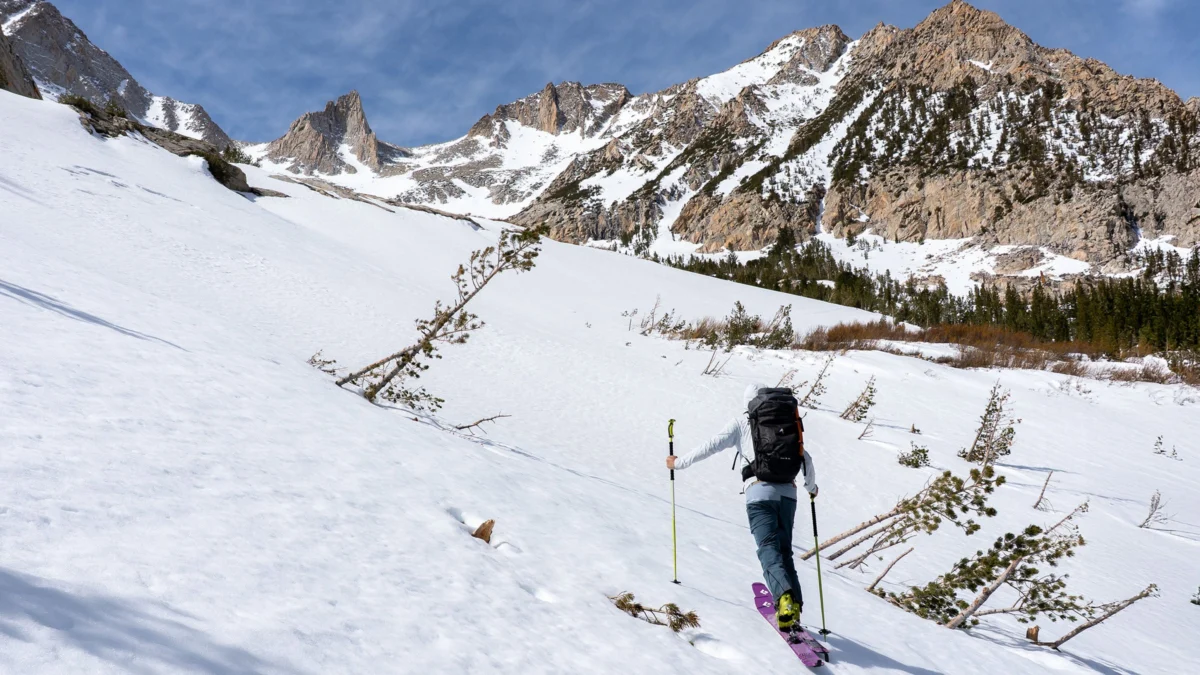
The landscape of backcountry skiing has undergone a revolution, transforming what was once a niche pursuit requiring significant compromise into an accessible and exhilarating pursuit for a growing number of enthusiasts. Gone are the days of solely relying on "drop-knee" techniques or modifying alpine boots for touring. The 2026-2027 season marks a significant milestone, offering skiers an unprecedented array of well-fitting, comfortable, and high-performance backcountry boots that seamlessly blend uphill efficiency with downhill prowess. This advancement signifies a true golden age for those who venture beyond the resort boundaries, provided, of course, that the snow cooperates.
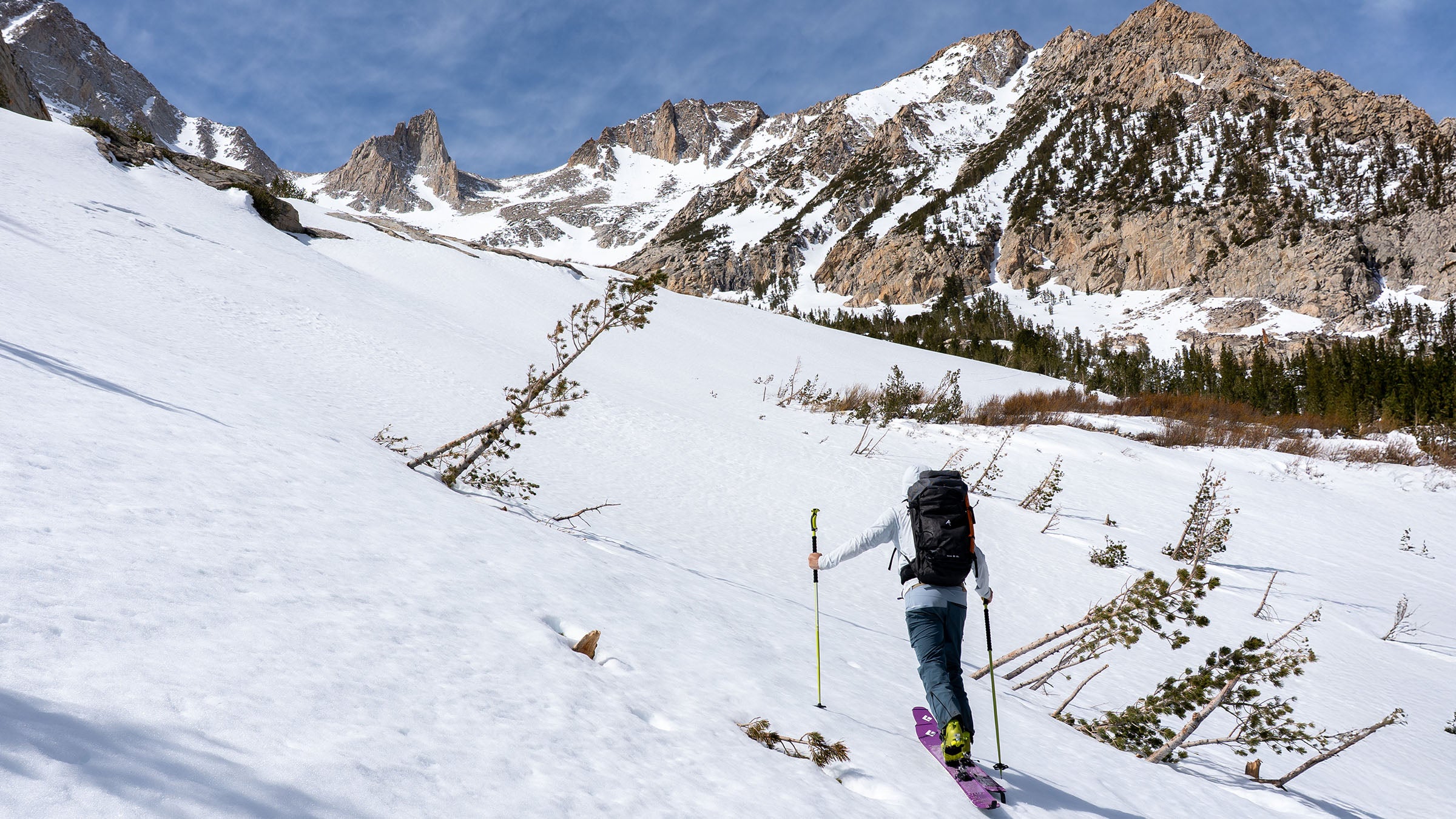
This comprehensive review, conducted by a dedicated team of bootfitters, ski shop employees, industry professionals, and elite freeride athletes, meticulously tested over 20 backcountry boots in diverse real-world conditions. From short, exploratory tours to demanding multi-day traverses and even in-bounds laps, these boots were pushed to their limits to identify the top performers for a spectrum of backcountry missions. The evaluation focused on critical aspects such as fit, downhill performance in variable snow, uphill efficiency, and overall durability.
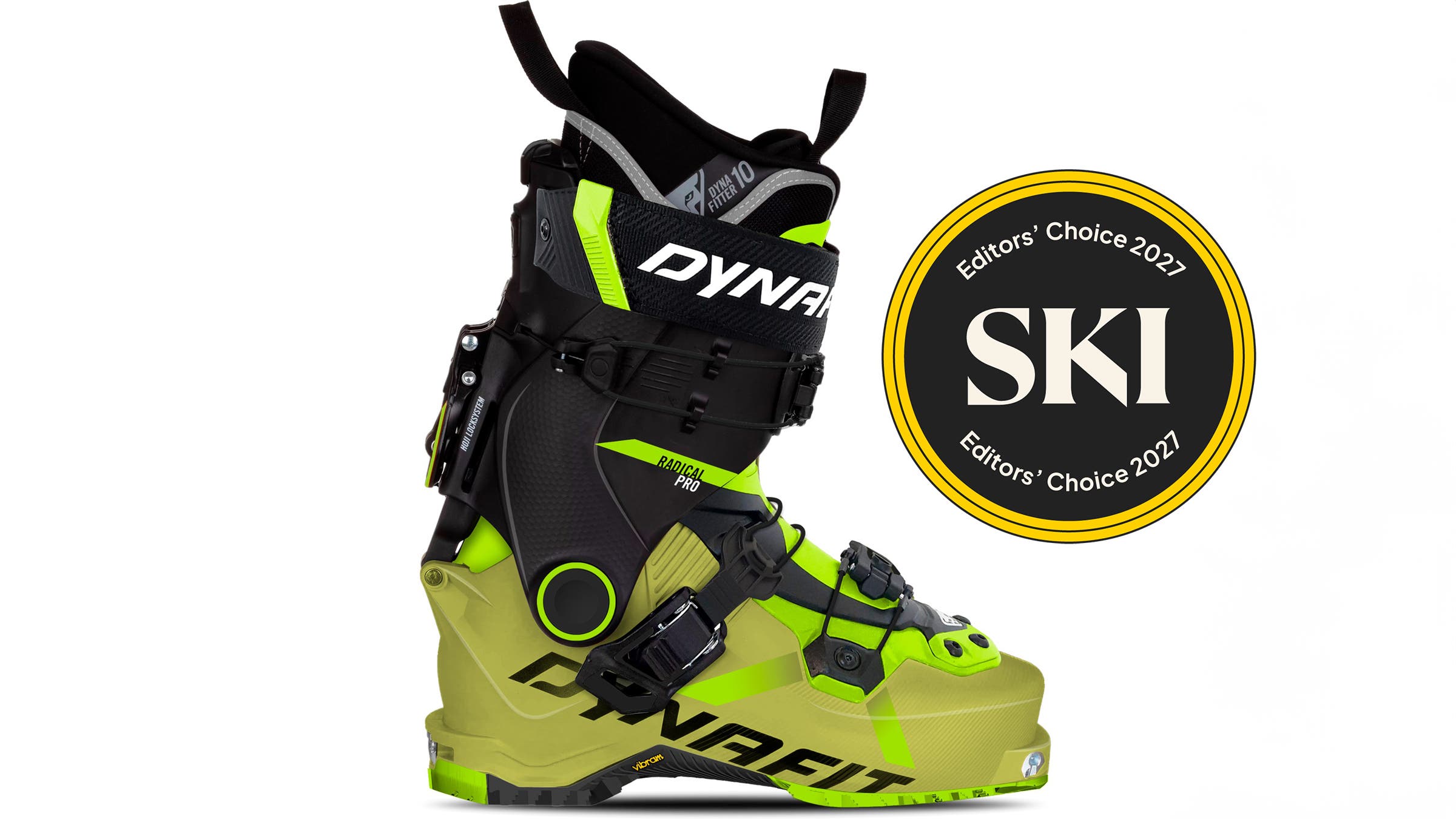
The culmination of this extensive field testing reveals a select group of boots that have risen to the top of the pack, offering exceptional performance for a variety of backcountry endeavors. Among the standout models for the 2027 season are the Dynafit Radical Pro, the Scarpa Maestrale RS, the Tecnica Zero G Decoy Pro, the Dalbello Cabrio LV Free Pro, the Atomic Backland XTD 120 Carbon, and the Scarpa F1 RS. Each of these boots has demonstrated a remarkable ability to balance the competing demands of ascending steep ascents and descending challenging terrain.
At a Glance: Top Backcountry Ski Boots for 2027
The following table provides a snapshot of the leading backcountry ski boots, highlighting key specifications and performance characteristics:
| Boot | Price | Weight (grams) | Binding Compatibility | Pros | Cons |
|---|---|---|---|---|---|
| Dynafit Radical Pro (Editor’s Choice) | $900 | 1,400 | AT (9523) | Progressive flex; Frictionless 60° range of motion | Wide last may feel too cavernous for narrow feet |
| Scarpa Maestrale RS (Best Freeride) | $899 | 1,570 | AT (9523) | Excellent progressive flex; Highly efficient walk mode | Particular fit (narrow in toes, wide in heel) |
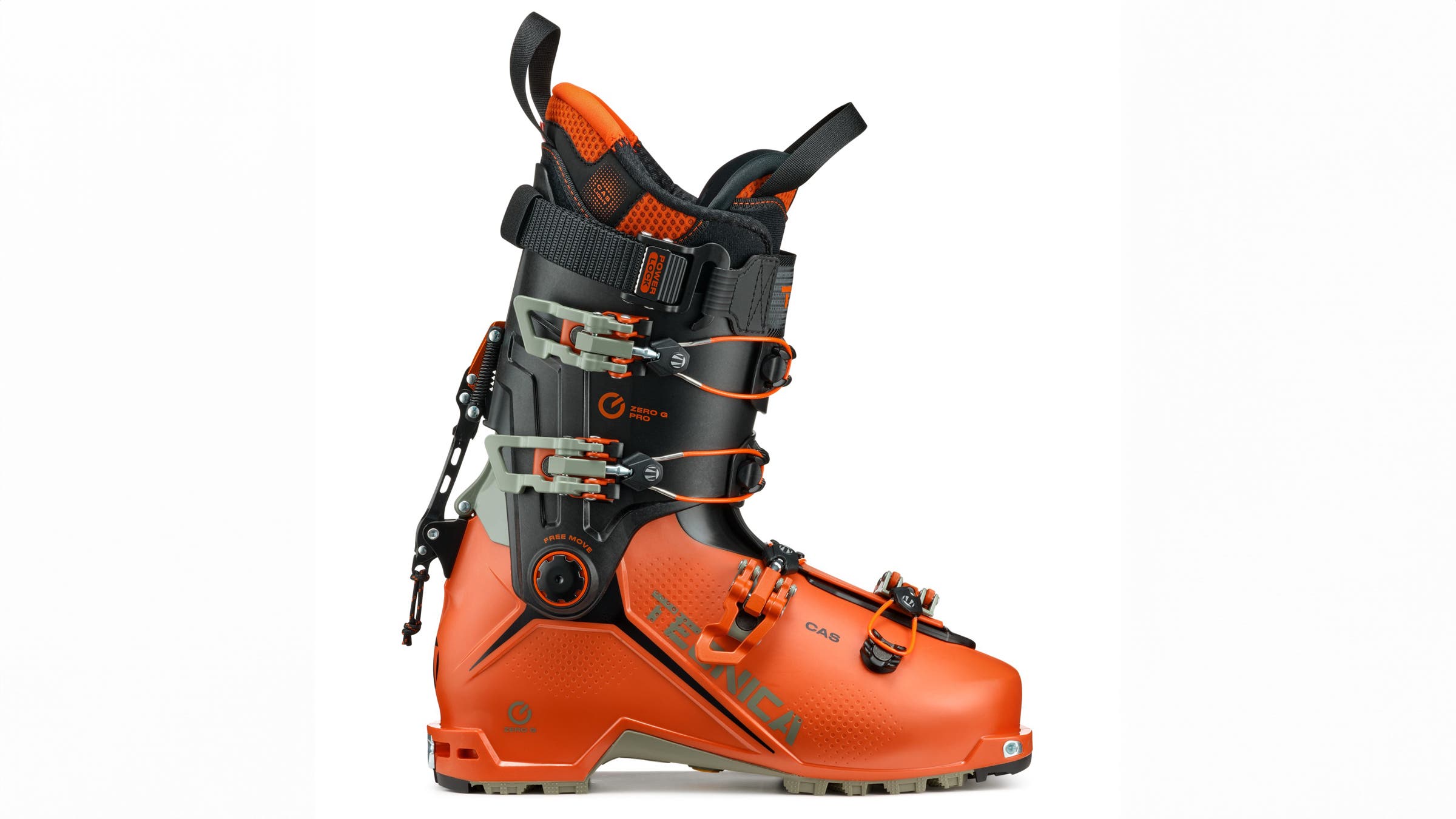
| Tecnica Zero G Decoy Pro (Best 50/50) | $950 | 1,650 | AT (9523), GripWalk | Doesn’t get knocked around in variable snow; Comfortable out of the box | Doesn’t walk as well as dedicated touring boots |
| Dalbello Cabrio LV Free Pro (Best Downhill) | $930 | 1,945 | GripWalk, AT (9523) | Stands up to demanding freeride skiing; Low-volume fit superb heel hold | Requires removing tongue for ROM; Heavy and high friction while skinning |
| Atomic Backland XTD 120 Carbon (Best for Long Slogs) | $1,150 | 1,380 | GripWalk, AT (9523) | Unbeatable ROM and touring efficiency; Good power transmission | Too light to serve as a true 50/50 inbounds boot |
| Scarpa F1 RS (Best Features) | $849 | 1,340 | AT (9523) | Beefy plastic and strong for lightweight boot | ROM is higher friction and requires break-in |
The Evolution of Backcountry Boot Technology
The evolution of backcountry ski boots over the past decade has been nothing short of remarkable. Driven by advancements in materials science, boot construction, and a deeper understanding of biomechanics, manufacturers have successfully bridged the gap between the demanding requirements of touring and the desire for uncompromised downhill performance. Lightweight yet durable plastics like Grilamid and Pebax have become commonplace, offering a superior strength-to-weight ratio. Innovative closure systems, including BOA dials and advanced buckle designs, provide precise and customizable fits. Furthermore, the development of highly efficient ski/walk mechanisms has dramatically improved the touring experience, reducing fatigue and increasing the distance and vertical achievable on a single outing.
This season’s testing underscored a significant trend: the diminishing weight penalty for boots that offer substantial downhill capability. Boots that previously hovered around the 1,800-gram mark are now finding their stride in the 1,400- to 1,600-gram range, offering a level of performance that rivals dedicated alpine boots. This has led to a re-evaluation of what constitutes an ideal backcountry setup, with many skiers now prioritizing a boot that excels in both disciplines rather than making significant sacrifices in one for the other.
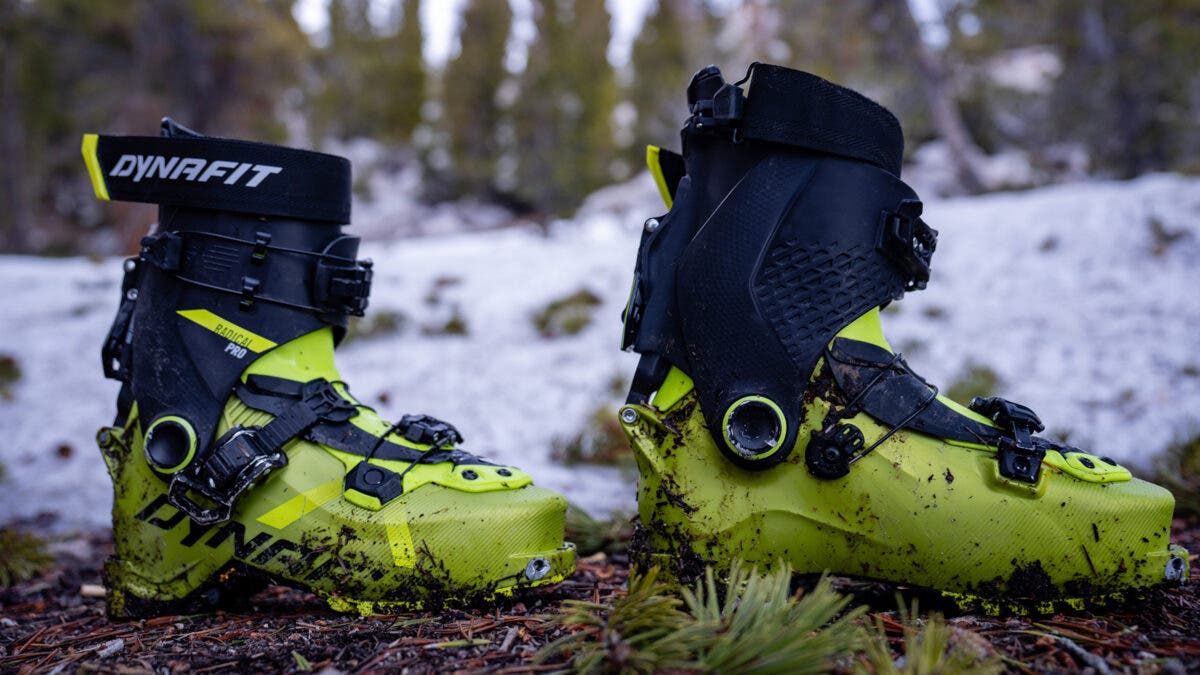
Editors’ Choice: Dynafit Radical Pro
The Dynafit Radical Pro emerges as the standout performer and our Editors’ Choice for the 2027 season. This mid-weight "freeride" boot has captivated testers with its ability to deliver exceptional downhill performance without compromising the walkability that has become paramount in modern backcountry skiing. Testers reported that in recent years, the touring efficiency of boots in this category has advanced so significantly that models under 1,500 grams are rarely considered the definitive choice for all-around performance. The Radical Pro challenges this notion by demonstrating that a boot can offer superior skiing capabilities without sacrificing uphill mobility.
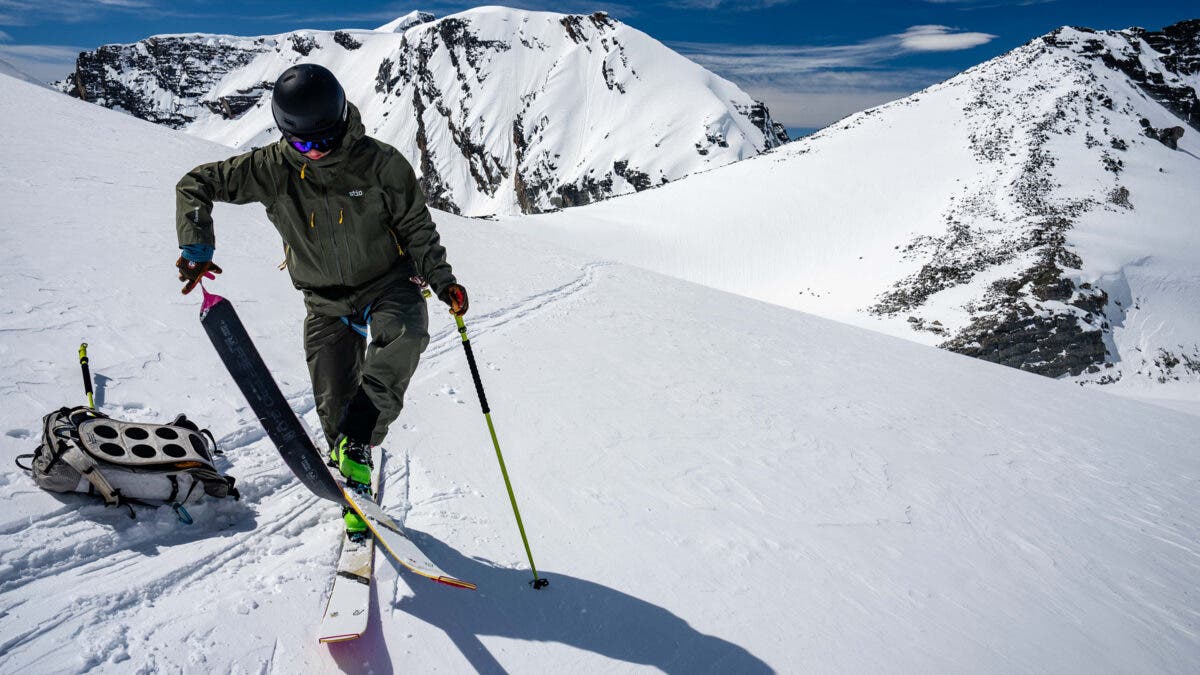
One tester, after embarking on multiple day tours and a challenging three-day traverse to the Ionian Basin in the Eastern Sierra, found the redesigned Radical Pro to be an indispensable tool. Even with a heavy pack and challenging snow conditions in steep couloirs, the boot consistently performed beyond expectations. While the tester occasionally reflected on the weight of non-essential comfort items packed for the journey, the boot itself was never a point of concern, providing unwavering confidence and support.
The progressive flex of the new Radical Pro proved to be a significant advantage in manky, wet snow, effectively muting vibrations and absorbing harsh impacts. The burly new Vibram sole provided exceptional grip during descents on rocky, exposed terrain, a crucial feature for navigating variable mountain environments. Enhancements to the lighter instep strap and a new Pebax tongue contribute to improved walkability. The redesigned walk mode offers a remarkably free and smooth pivot. While the Hoji-Lock’s single-lever system for switching between ski and walk modes has sometimes raised skepticism, testers found that they rarely needed to fully disengage it for efficient skinning.
A notable characteristic of the Radical Pro is its wide last, measuring 103.5 mm. While this generous volume contributes to comfort for many, it may feel too cavernous for skiers with narrower feet. Testers noted the need to keep the cuff clamped a bit more firmly to manage the spacious forefoot and heel pocket. Despite this, the boot’s instep height was sufficiently low to ensure excellent heel hold during descents, even for testers with slimmer feet. This combination resulted in a comfortable fit for the toes and a secure, locked-in sensation on the descent. For skiers seeking a single boot capable of tackling extensive backcountry missions while providing robust performance in challenging snow conditions, the Dynafit Radical Pro warrants serious consideration.
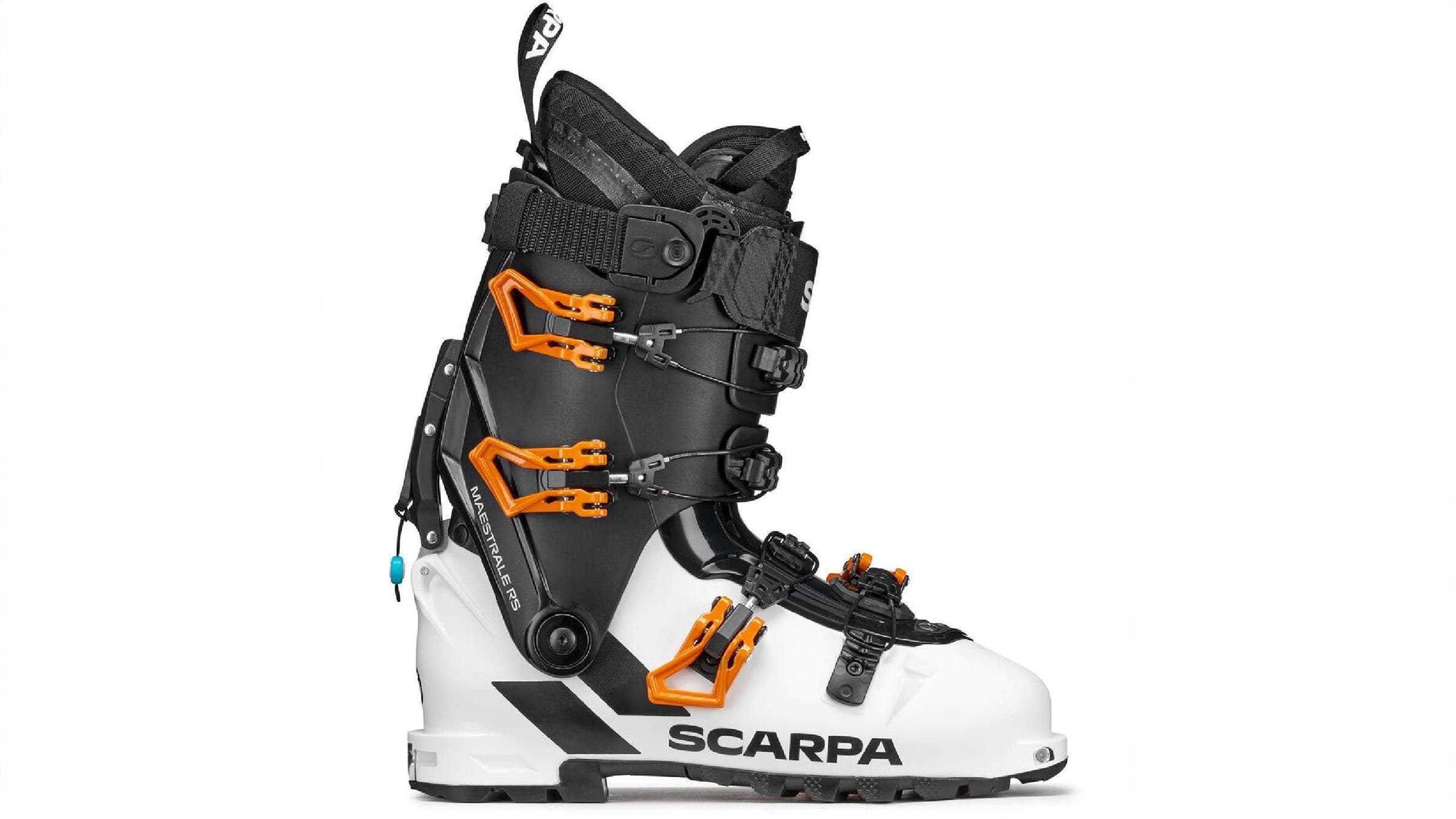
Best Freeride Boot: Scarpa Maestrale RS
The Scarpa Maestrale RS has earned the title of Best Freeride Boot for its exceptional blend of power, progressive flex, and surprisingly efficient walk mode, making it a formidable contender for skiers who prioritize downhill performance. Building on the legacy of its predecessor, the Quattro Pro, the Maestrale RS addresses a key limitation by incorporating a full Vibram sole, enhancing its grip and stability on the rocky traverses often encountered in backcountry skiing.
Constructed on a new last, featuring a reinforced Pebax Rnew cuff and a redesigned Grilamid fiberglass lower shell, the Maestrale RS presents as a traditional four-buckle boot with a distinct tongue, a design choice that hints at its cabrio heritage. This design also allows it to share the highly efficient Speed Walk 4 ski/walk mechanism and the robust Booster strap found in its Quattro siblings. Despite its substantial weight of 1,570 grams, the Maestrale’s walk mode is remarkably efficient and low-friction, allowing it to outperform many lighter boots on the ascent. In ski mode, it closely approximates the power and damping characteristics of a dedicated alpine boot, a remarkable feat for a boot designed for extended climbs.
However, the fit of the Maestrale RS is a critical consideration. It differs noticeably from the Quattro Pro, despite sharing a similar last. Skiers with mid-to-high insteps may find the fit accommodating, but the toebox tapers significantly towards the front, and the heel can feel slightly wide. This could lead to issues with heel lift or cold toes for some individuals. Therefore, consulting with a bootfitter and ideally demoing the boot are highly recommended before purchase. For those for whom the fit is ideal, the Maestrale RS offers an unparalleled freeride experience in the backcountry.
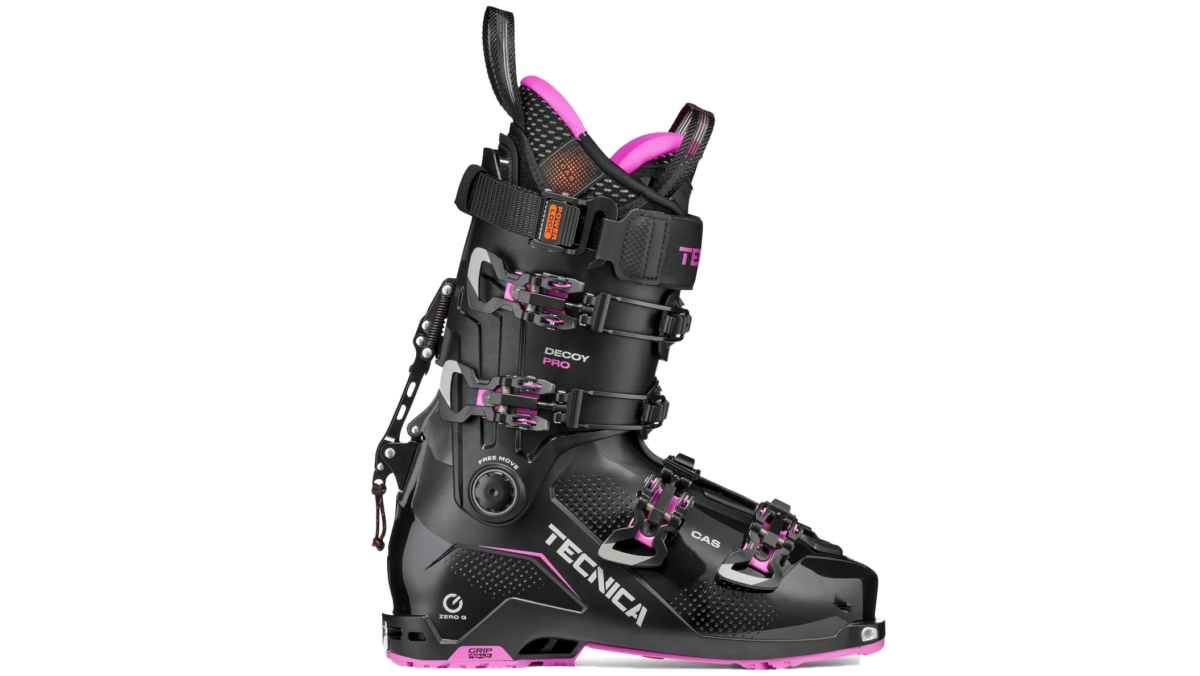
Best 50/50 Boot: Tecnica Zero G Decoy Pro
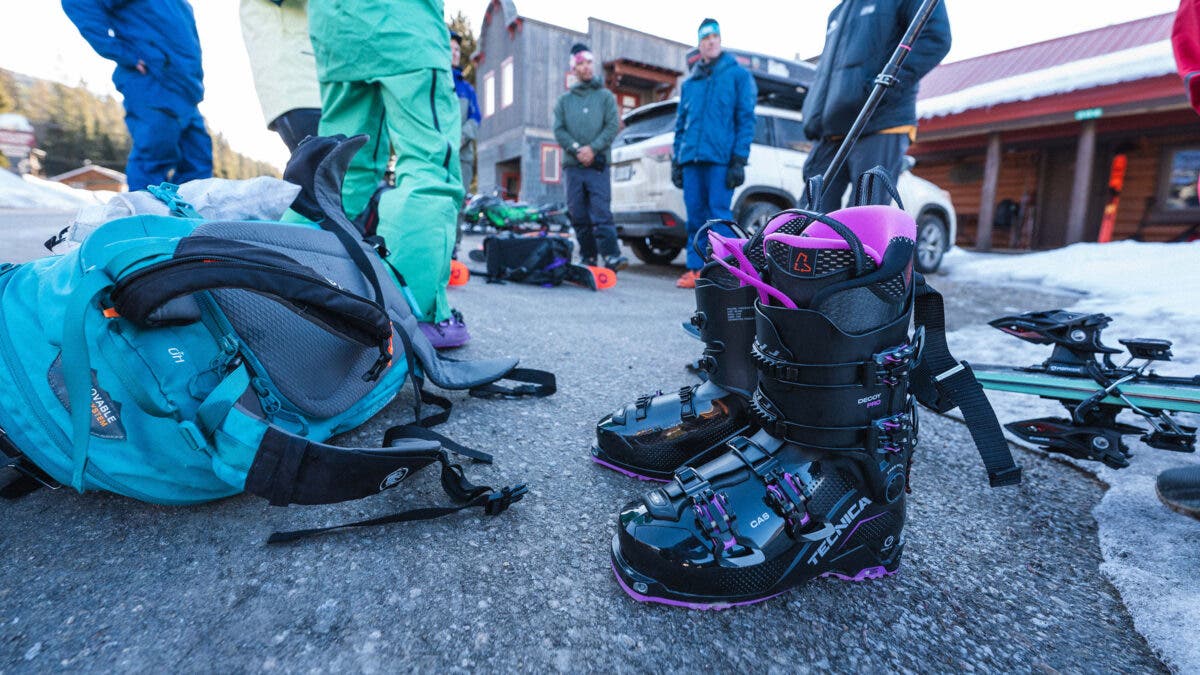
The Tecnica Zero G Decoy Pro has redefined the concept of a "50/50" boot, proving that significant downhill performance does not necessitate sacrificing uphill capability. This newly designed boot has fundamentally shifted the perspective of testers who previously believed that backcountry boots had to be inherently less stable on descents to achieve efficient climbs. The Decoy Pro, with its moderate weight, robust four-buckle construction, and a high-performing liner, instills a level of confidence on descents that is rarely found in touring-specific footwear.
Testers who evaluated the Decoy Pro in the Beartooth Mountains of Montana and the French Alps were thoroughly impressed. One tester noted, "After my first few turns in the Decoy, I stopped thinking about the boots entirely and skied the way I would on an alpine setup." This sentiment was echoed across various snow conditions, from variable spring snow to firmer conditions. The boot’s ability to provide nuanced flex control, akin to a finely tuned throttle rather than an abrupt on-off switch, was particularly praised for its performance in variable snow.
The primary trade-off for this exceptional downhill performance is on the climb. While the Decoy Pro shares the same claimed range of motion as the Zero G Tour Pro, its stiffer polyurethane shell and thicker liner demand more effort on the skintrack compared to lighter, more pliable models. Additionally, at $950, it is one of the more expensive options on the market. However, for skiers who prioritize downhill skiing and are willing to accept minor compromises on the ascent, the Tecnica Zero G Decoy Pro presents a compelling solution. It is the top choice for individuals seeking a single boot capable of excelling both inbounds and in the backcountry.
Best Downhill Performance: Dalbello Cabrio LV Free Pro
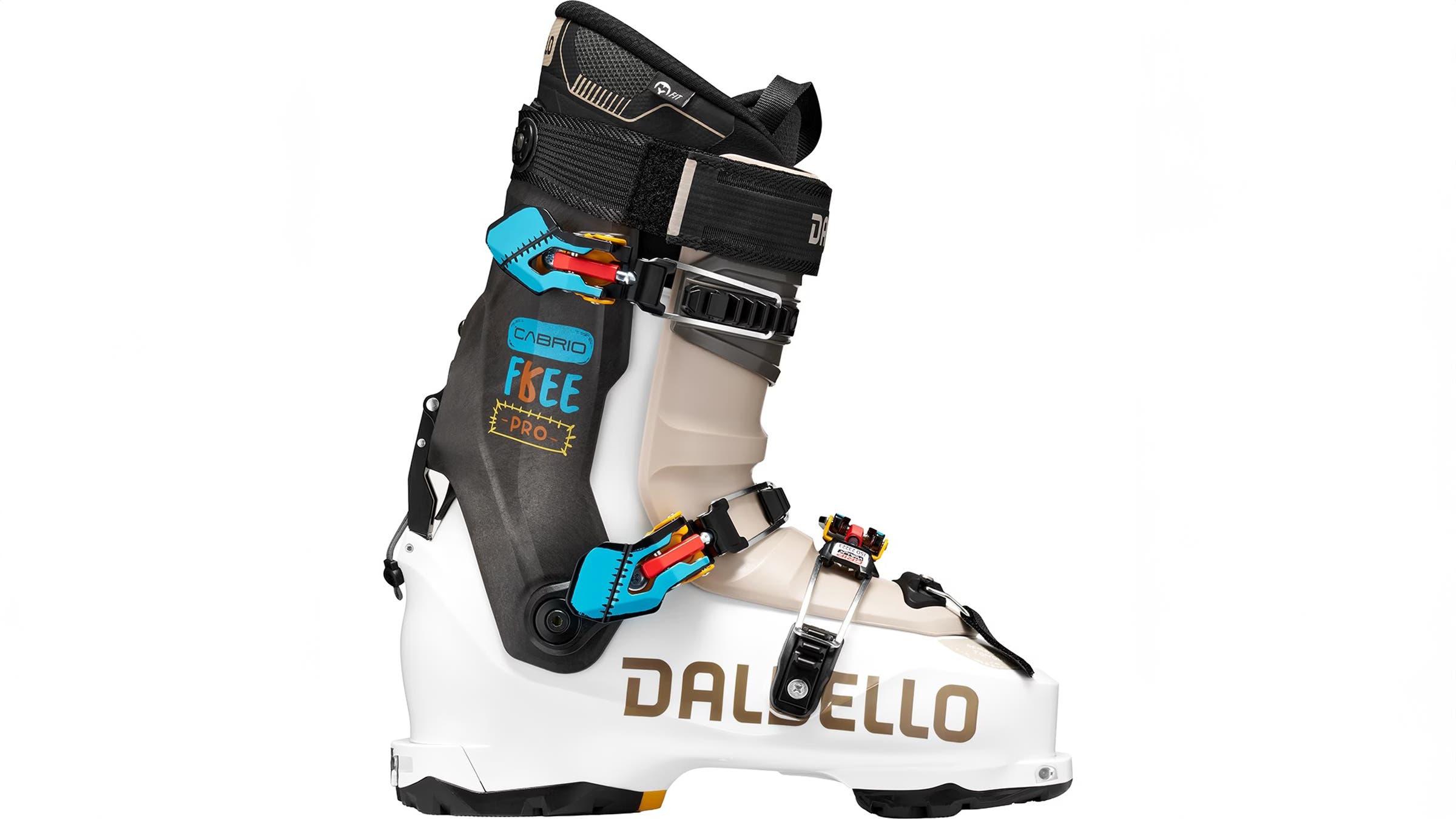
The Dalbello Cabrio LV Free Pro reinterprets a classic design for the modern freeride backcountry skier, focusing on uncompromised downhill performance. By returning to its renowned removable hard plastic tongue, Dalbello has engineered a boot that allows skiers to ascend to challenging lines and then confidently descend without sacrificing skiability. This approach directly addresses the desire for a boot that can truly "walk the walk and ski the ski."
The redesign extends beyond the tongue, incorporating thoughtful features such as a buckle that extends over the ankle for improved glove-friendliness and a reversed forefoot closure to prevent accidental opening during bootpacking or aggressive skiing. To rigorously test the capabilities of such a specialized boot, it was entrusted to Freeride Challenger Tour athlete Josh Bull in New Zealand.
Bull lauded the touring features as intuitive and easy to use, stating, "Sure, it’s not two flicks of a lever to transition like some elf shoes, but it doesn’t ski like those either. I really loved the flex of the boot in ski mode." He found that few boots on the market could withstand the demanding cliff drops he subjected the Cabrio LV Free Pro to, expressing no concerns about its durability. The boot’s low-volume fit makes it ideal for skiers with narrow feet, offering a snug forefoot without compromising the instep due to its cabrio design. It also provides exceptional heel hold.
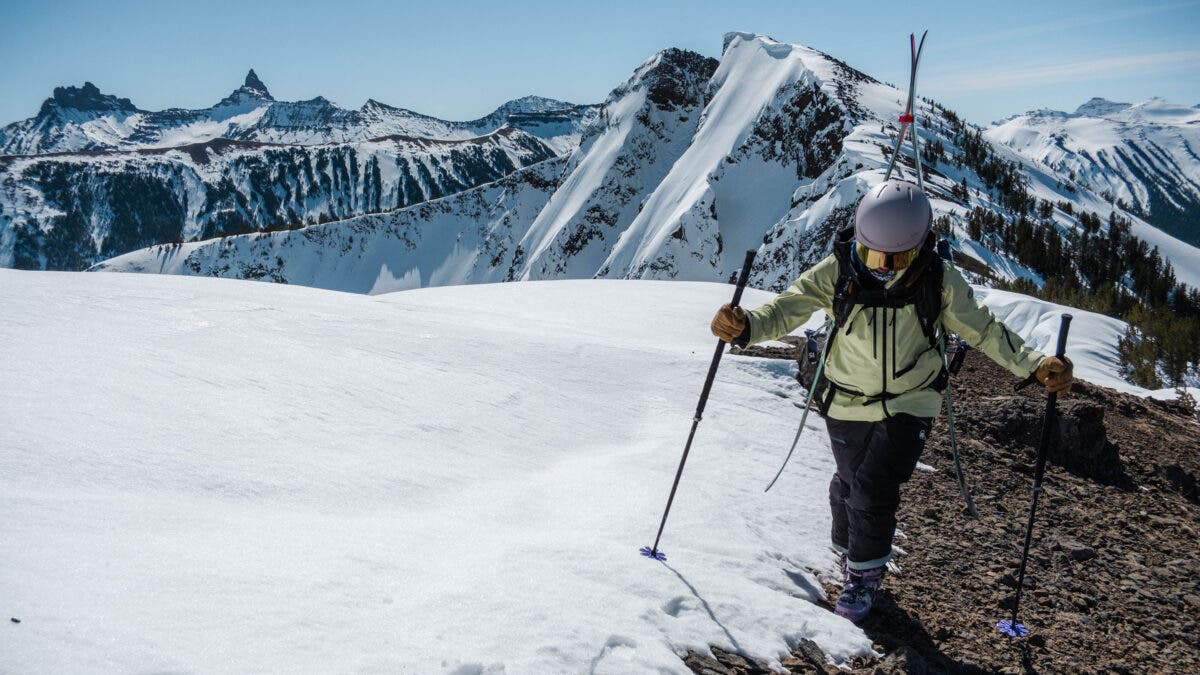
The boot’s substantial weight, nearing 2,000 grams per boot, and its limited touring efficiency preclude it from being the primary choice for extended tours. However, as a sidecountry boot, it stands out as an easy recommendation for skiers who demand ultimate downhill power and precision.
Best for Long Slogs: Atomic Backland XTD 120 Carbon
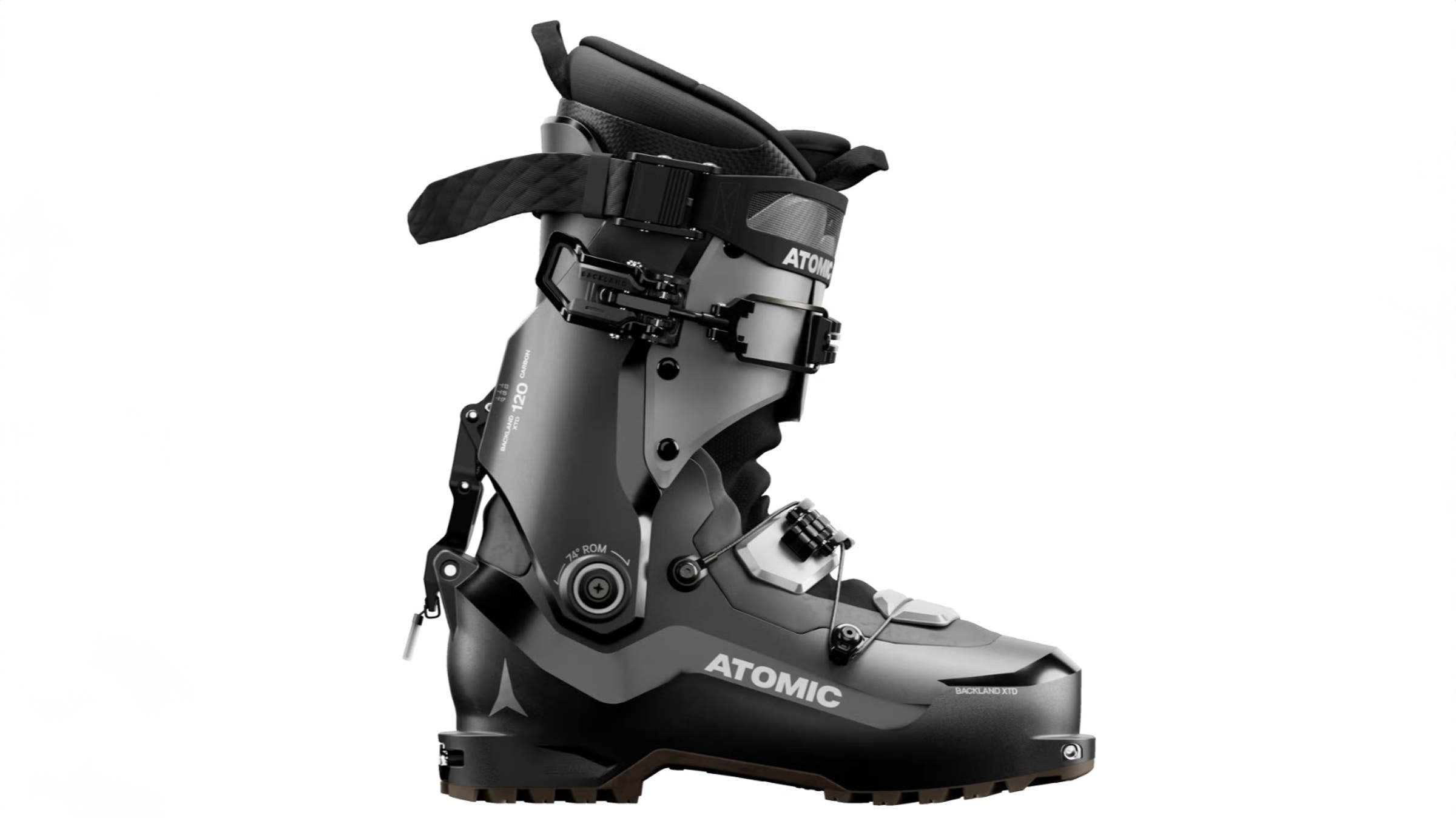
The Atomic Backland XTD 120 Carbon continues its reign as a favored choice for extended backcountry tours, offering a compelling balance of uphill efficiency and downhill capability. Available in both a rockered touring sole and a GripWalk version, this boot is positioned as Atomic’s most skiable true backcountry offering, making it an excellent "Goldilocks" option for the significant segment of skiers who refuse to compromise on skiability, especially when navigating less-than-ideal snow conditions at higher elevations.
For a two-buckle boot, the Backland XTD 120 Carbon delivers impressive power and damping performance. What truly sets it apart is its walk mode. Testers reported a remarkable 74-degree range of motion with exceptionally low friction, providing outstanding touring efficiency – a characteristic typically reserved for much lighter and less powerful boots. This combination of a generous range of motion and low friction translates to significantly reduced fatigue on long ascents.
The boot’s fit is characterized by a generous mid-volume forefoot, complemented by excellent heel hold, partly due to the effective retention provided by the Z-buckle system that secures the instep. This secure heel and comfortable toe box make it an attractive option for skiers with average foot shapes. The Backland also proved its mettle in challenging snow conditions, with one tester navigating a wind-hammered line in the June Lake, California, backcountry. The easy transitions, facilitated by the minimalist two-buckle system and elastic cam power strap, were appreciated. The boot’s suspension and power transmission were deemed more than adequate for tackling thick, breakable crusts on steep terrain, demanding careful jump turns.
However, the positioning of the Backland XTD 120 Carbon with a GripWalk sole as a true 50/50 boot warrants careful consideration. Its power transmission, relative to its weight, is exceptional, but the boot is ultimately too light to effectively handle aggressive inbounds skiing on heavier alpine setups. For those seeking to maximize its potential, the rockered touring sole version is recommended, while skiers prioritizing a true 50/50 boot for consistent inbounds use may need to explore other options.
Best Features: Scarpa F1 RS
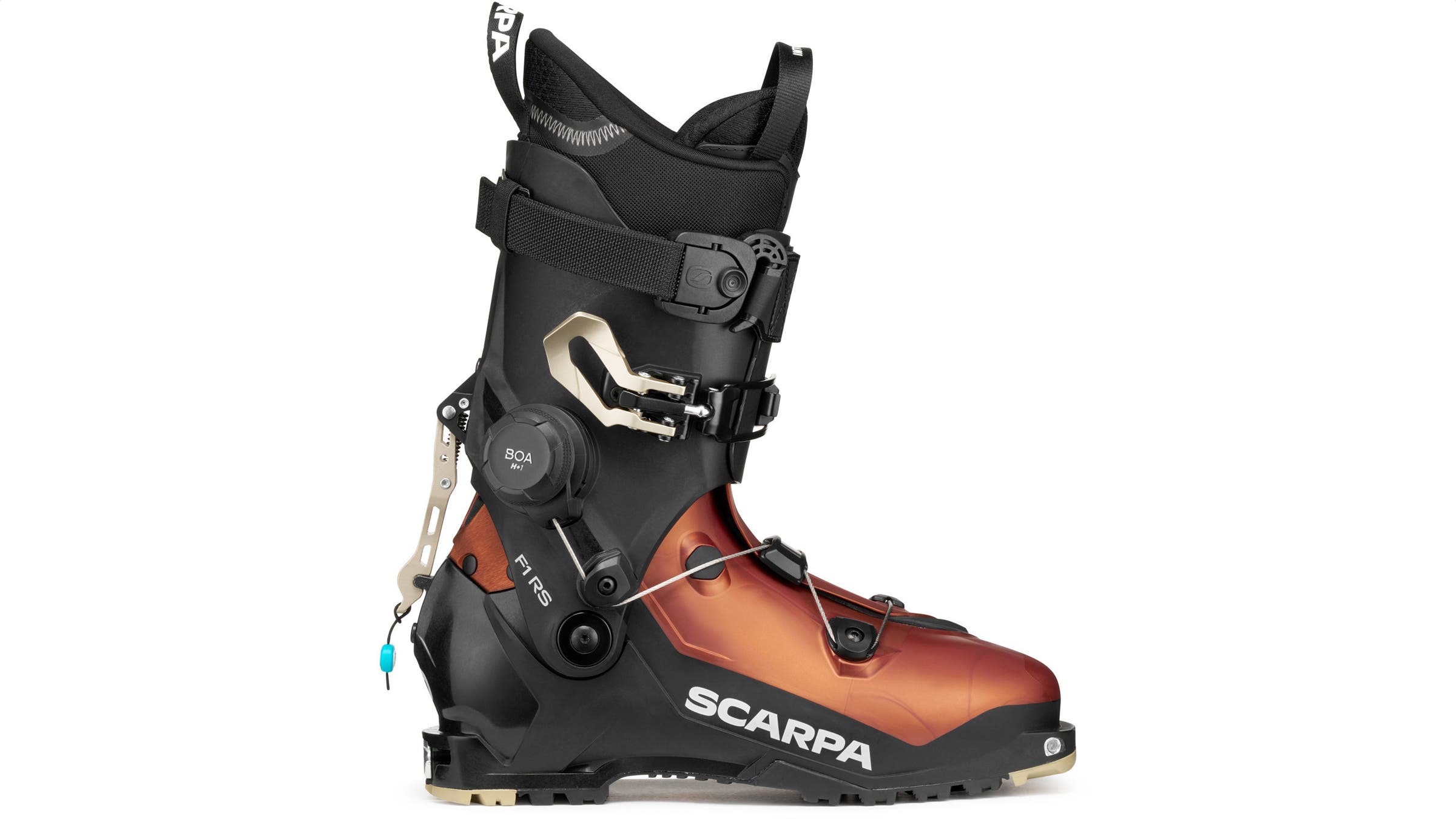
Scarpa’s F1 RS represents an exciting redesign of a beloved boot, evolving into an entirely new model that excels in both backcountry touring and aggressive skiing. Replacing the previous flagship F1, the F1 RS is positioned as the stiffest and most downhill-oriented boot in its iconic lineup. By abandoning the original cabrio design for a more traditional overlap construction, Scarpa has significantly enhanced its skiability. Paired with a Pebax Rnew upper cuff and a robust power strap, the F1 RS demonstrates a far greater capability in challenging snow conditions than its predecessor.
The H+i1 BOA system, which fastens the lower shell, may prove to be a polarizing feature. While testers did not find it to offer superior performance over a traditional Z-buckle, its innovative dial placement on the upper cuff is a smart move for durability. This design choice may appeal to a segment of the market seeking advanced closure technology.
During testing in Engelberg, Switzerland, a tester pushed the F1 RS by freeriding in less-than-ideal snow, despite the boot’s technical design for longer tours in fresher conditions. While the shorter rear cuff did not provide exceptional rebound on piste, the redesigned power strap and overlap construction effectively handled the tricky off-piste snow encountered. Its lightweight nature and relative touring efficiency contribute to comfortable touring beyond the ski lifts. The walk mode exhibits more friction than ideal for its category, though it still outperformed some lighter boots in the test.
Fit considerations for the F1 RS include a warm and comfortable stock Intuition liner for average feet. However, testers noted that the narrow cuff can potentially restrict blood flow in the calf if overtightened. Additionally, the instep runs slightly lower than average, so skiers with taller feet should exercise caution. With its high performance for its weight, the F1 RS is an excellent choice for mid-winter powder hunting in colder climates and is particularly well-suited as a highly capable spring boot for steep, firm lines in the high alpine.
More Backcountry Ski Boots We Recommend
Tecnica Zero G Tour Pro
For nearly a decade, the Tecnica Zero G Tour Pro has set the standard for pure touring boots that deliver exceptional skiing performance. Updates over the years have maintained the core characteristics that made it a global favorite among ski guides: outstanding downhill capability within a remarkably lightweight frame. Testers have consistently praised its updated design, which includes a more anatomical liner and last, offering increased room in the instep and toebox while retaining the renowned heel hold. The traditional four-buckle overlap construction and the robust ski/walk mechanism contribute to its alpine-like performance. While its walk-mode efficiency has been slightly outpaced by competitors, its 65-degree range of motion, though exhibiting higher friction, remains a strong contender for skiers who prioritize skiability over marginal gains in uphill efficiency.
Dynafit Ridge Pro
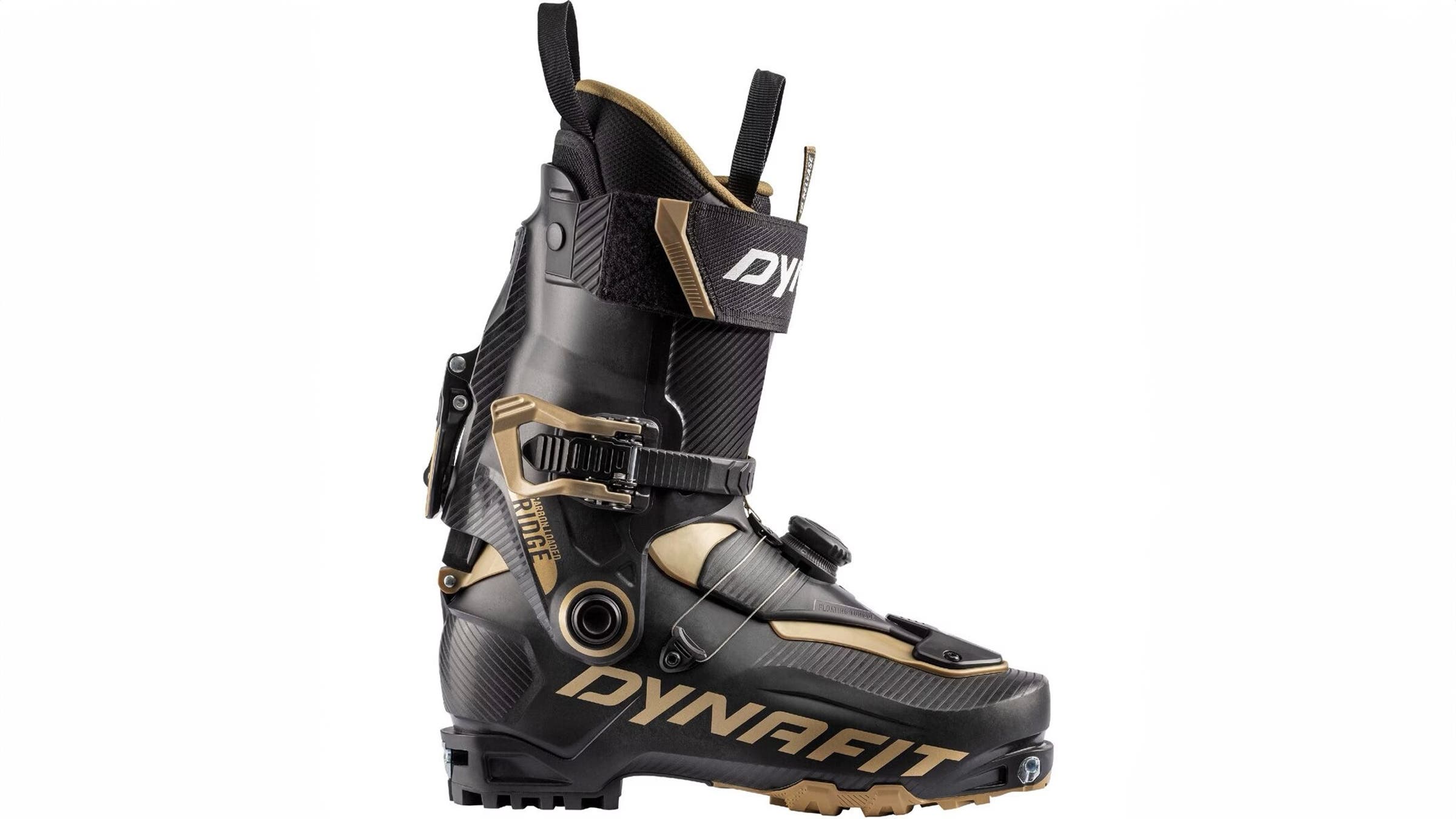
A consistent favorite among SKI testers for several seasons, the Dynafit Ridge Pro continues to impress with its exceptional blend of uphill performance and downhill precision. Boasting an impressive 70-degree range of motion and a lightweight construction, it glides effortlessly up the skintrack. This boot, a culmination of Eric "Hoji" Hjorleifson’s extensive boot experimentation, features a standout floating tongue that allows skiers to adjust instep height by repositioning it while tightening the lower BOA dial. This innovation is particularly beneficial for fine-tuning fit, especially for maintaining heel lock during strenuous climbs. Combined with the Hoji Lock system, the Ridge Pro offers efficient touring, customizable lower-shell fit, and excellent downhill performance, though its flex is not quite as progressive as some other top-tier boots. Skiers with very low-volume feet may find it challenging to achieve an optimal fit, suggesting a look at lower-volume alternatives.
Salomon S/Lab Shift Pro Alpha 140
The new Salomon S/Lab Shift Pro Alpha 140 emerges as a powerful option for narrow-footed skiers seeking ultimate downhill performance from their touring boot. Its standout feature is its exceptionally precise fit. This boot is designed for narrow feet, with a snug heel pocket that provides superior Achilles lock. The instep is not excessively low, accommodating a range of arch heights, and the toebox offers ample room for warmth. The added Exostrap, which tightens the BOA cable across the instep, further enhances heel security. On snow, the Shift Pro Alpha delivers more power than most skiers will ever need, with rapid rebound and lateral power for precise carving. However, its walkability is significantly compromised, making it more suited for shuttle-accessed terrain or short ascents rather than extended backcountry expeditions.
Lange Code 130 LV BOA
The Lange Code 130 LV BOA represents an exciting new entry, merging technologies from popular boots into a versatile slackcountry package. Replacing the well-regarded XT3, the Code 130 LV excels in the 80/20 category—boots primarily used inbounds but capable of venturing out of bounds for quick powder laps. It delivers exceptional performance in variable snow conditions, with precision on piste attributed to its Active Blade technology, similar to Lange’s Shadow series. The Dual Core plastic provides classic Lange damping, offering a responsive flex that shines both in the resort and the backcountry. Its true low-volume fit and anatomical liner ensure stellar heel hold and a locked-in feel. However, its substantial weight and limited range of motion make it less ideal for long climbs, positioning it as an excellent choice for skiers seeking a narrow boot for a mix of resort and limited backcountry use.
Frequently Asked Questions
What is the difference between regular ski boots and backcountry ski boots?
Regular ski boots, also known as alpine or all-mountain boots, are designed primarily for downhill performance and power transfer. They are ideal for resort skiing. Backcountry or alpine touring (AT) boots, on the other hand, are engineered for both ascending and descending. They feature a walk mode for increased mobility, lighter materials, and tech fittings compatible with specialized bindings for climbing.
How do I choose the right backcountry boot for me?
Consider your primary use case. For all-day hiking and skiing in good snow, a sub-1,200-gram boot with low friction is ideal. For those who want to tour extensively but still charge hard, a boot between 1,200 and 1,500 grams with multiple buckles offers a good balance. If your backcountry excursions are primarily short ventures from resort boundaries or involve snowmobiles, a boot weighing 1,600 grams or more with GripWalk compatibility might be suitable.
How do I know if a backcountry boot will work with my binding?
All boots listed in this guide are compatible with pin (tech) bindings. Boots with GripWalk soles are also compatible with GripWalk and Multi-Norm bindings from brands like Marker and Salomon. It is crucial to ensure that boots with rockered rubber soles are not used in GripWalk bindings.
What do you mean by touring efficiency?
Touring efficiency refers to how easy it is to move the boot’s cuff through its range of motion while skinning uphill. While range-of-motion statistics indicate how far the cuff can move, touring efficiency describes the effort required for that movement. Factors like liner construction, plastic textures, and pivot mechanisms significantly influence this.
How do I differentiate volume and width?
Boot volume can refer to the overall internal space of the boot, which can be influenced by the height over the instep as well as the width. A "low volume" boot can mean it’s narrow, or it can mean it has less vertical space over the instep, or both. This review aims to clarify these distinctions for each boot.
What backcountry ski bindings should I get?
Hybrid bindings offer a balance of downhill performance and uphill efficiency. Tech bindings are the lightest and most efficient for covering ground quickly. Frame bindings, while compatible with traditional alpine boots, are heavier and less efficient for long tours.
How We Test Backcountry Ski Boots
This season, SKI revamped its testing methodology by distributing boots to a diverse team of bootfitters, ski shop professionals, industry experts, and freeride athletes. These testers evaluated the boots in their home territories, primarily in the Sierra Nevada, as well as during trips across North America and Europe. Each boot underwent rigorous field testing throughout the spring season, encompassing short tours, extended expeditions, and in-bounds skiing.
Testers assessed climbing and downhill performance with both wider freeride skis and dedicated lightweight touring skis to understand how each boot performs across different setups. Key evaluation criteria included fit, heel hold, uphill efficiency, downhill power, damping in variable snow, and overall durability. The boots featured in this guide represent those that consistently excelled in these critical areas.
Meet Our Backcountry Ski Boot Expert
Jake Stern leads SKI’s backcountry ski boot reviews. With professional experience as a ski boot fitter in Mammoth Lakes, California, he has cultivated deep expertise in the field. His career has involved extensive travel and writing on ski culture for publications such as Powder, SKI, and Freeskier. Stern’s most memorable ski adventure involved skiing from the summit of Mount Shasta in California. He currently resides and skis in the Eastern Sierra.
