

Published October 14, 2026 07:24 AM
The pursuit of clear vision on the slopes has never been more critical, especially as ski seasons continue to deliver unpredictable weather patterns and demand adaptability from outdoor enthusiasts. For the 2027 season, a rigorous evaluation of 29 new ski goggle models has revealed a spectrum of innovations, from advanced lens technology to unparalleled comfort, aiming to enhance the skiing experience across diverse conditions. This year’s testing, conducted by a team of seasoned ski professionals and backcountry guides across North America and Europe, identified several standout models that redefine performance and user experience. Notably, the Salomon Skarn Prime has earned the coveted title of "Best Ski Goggles Overall," while the Giro Revolt Pro has been recognized as the "Most Comfortable Ski Goggles."
The fundamental role of ski goggles extends beyond mere protection from the elements; they are integral to safety and enjoyment. A clear, fog-free field of vision is paramount for navigating challenging terrain, anticipating changes in snow conditions, and maintaining situational awareness. As skiers increasingly venture into varied environments, from groomed resorts to remote backcountry zones, the demands on their eyewear have intensified. This season’s review underscores the importance of a goggle that not only fits impeccably and resists fogging but also offers superior optical clarity and adaptability to fluctuating light and weather.
At a Glance: Top Ski Goggle Selections for 2027
The 2027 ski goggle market showcases a blend of established brands and emerging innovators, each striving to deliver optimal performance. Key advancements include enhanced lens coatings for superior anti-fog and anti-glare properties, sophisticated magnetic lens-swap systems for rapid adaptation to changing conditions, and ergonomic designs that prioritize comfort for all-day wear. The selection process for this year’s review focused on real-world performance, subjecting each goggle to extensive testing in various geographical locations and atmospheric conditions, from the powdery bowls of the Tetons to the variable light of the Alps.
Ski Goggles Comparison Chart
A detailed comparison chart, outlining key specifications such as lens shape, included lenses, face fit, and notable pros and cons, will be provided to assist consumers in making informed purchasing decisions. This chart will serve as a quick reference for understanding the core attributes of each reviewed goggle.
The Reviews: Best Ski Goggles of 2027
This year’s testing protocol involved distributing a broad range of goggles to experienced testers, including backcountry ski guides, ski patrollers, and dedicated resort skiers. These individuals operated in diverse environments, from the renowned powder stashes of Jackson Hole, Wyoming, and Crystal Mountain, Washington, to the demanding terrain of Mammoth Lakes, California, and the expansive backcountry routes of British Columbia and the Alps. Their feedback, gathered over hundreds of hours of on-snow testing, forms the basis of this comprehensive review.
Best Ski Goggles Overall: Salomon Skarn Prime
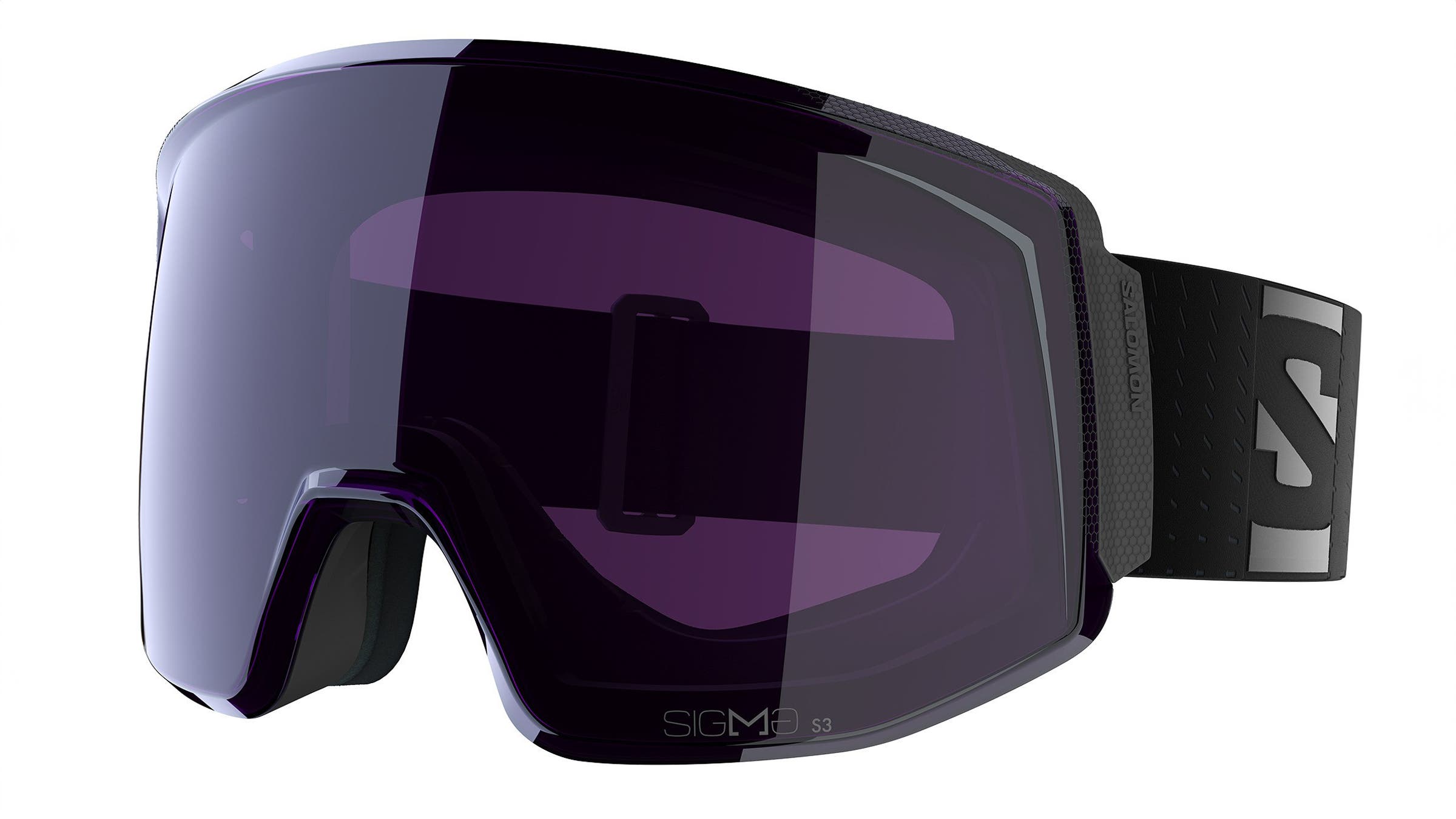
Lens shape: Toric
Number of lenses included: 1
Face fit: Large
Pros and Cons
- Exceptional field of view, offering unparalleled peripheral vision.
- Broad helmet compatibility, minimizing goggle gap issues.
- Potentially too large for users with smaller facial structures.
- Positioned at a premium price point, reflecting its advanced features.
The Salomon Skarn Prime has emerged as the benchmark for the 2027 ski season, impressing testers with its all-around performance across a wide spectrum of conditions. Equipped with Salomon’s advanced 3D Sigma toric lenses, these goggles deliver an expansive field of view and superior optical clarity, earning high marks from testers who experienced them during both challenging storm days and demanding backcountry expeditions. "If I had to choose just one pair of goggles to rock all season, it would be these," remarked one tester from Jackson, Wyoming. "The peripheral view was insane. I felt like I could practically see behind my head."
The magnetic lens-swap system is not only intuitive but remarkably efficient, allowing for quick adjustments as weather conditions shift. The triple-layer face foam contributes significantly to the all-day comfort, ensuring a secure and pleasant fit from first chair to last call. The wide silicone strap effectively secures the goggles to a variety of helmet types, including non-Salomon models, eliminating concerns about unwanted gaps. While the premium price tag of nearly $300 positions the Skarn Prime as a significant investment, its comprehensive feature set and performance justify its standing as an elite option for serious skiers.
Best Value: Goodr Peak G Snow Goggles
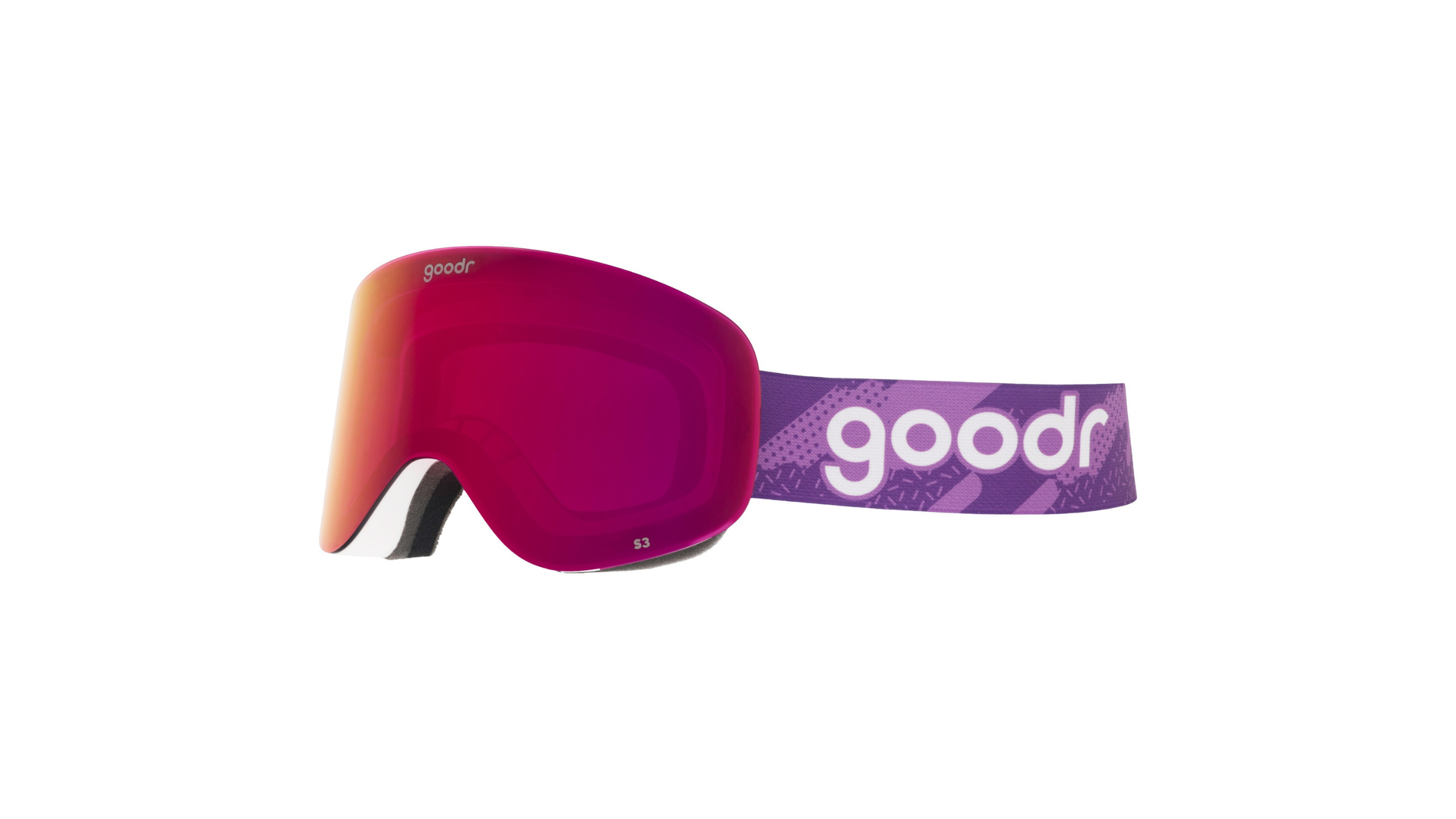
Lens shape: Cylindrical
Number of lenses included: 2
Face fit: Medium
Pros and Cons
- Exceptionally affordable, offering significant value for the price.
- User-friendly magnetic lens system for quick changes.
- Available in a range of vibrant and engaging colorways.
- Lenses can occasionally detach unintentionally under specific stresses.
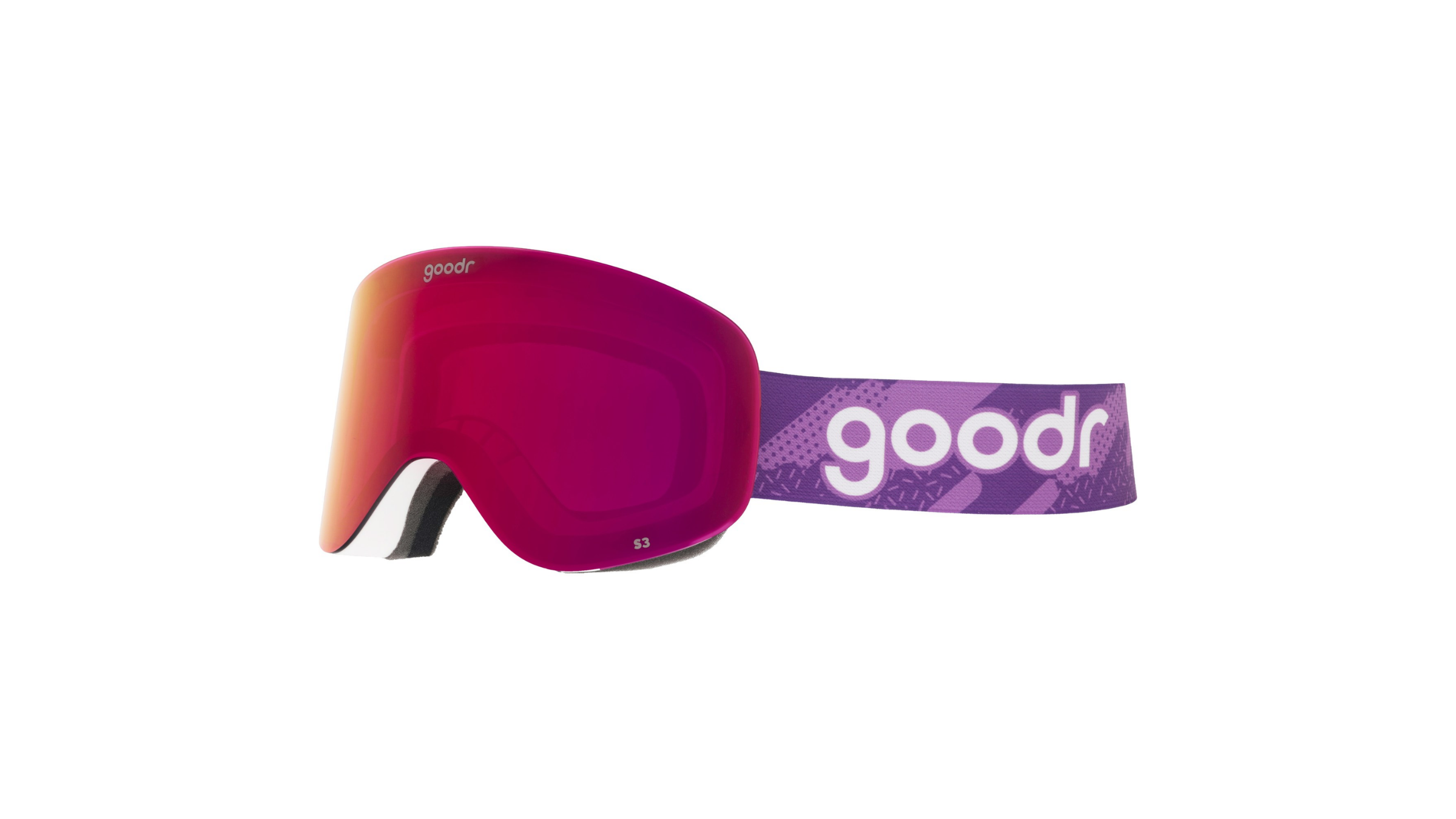
Goodr, a brand known for its accessible yet high-quality sunglasses, has entered the ski goggle market with the Peak G, offering an impressive balance of features and affordability. Launched with a philosophy of providing premium optics at accessible price points, the Peak G embodies this ethos. Available in eye-catching colorways like "Amber Mountain Mystery" and "Vintage Snow Suit Ambitions," these goggles do not compromise on functionality.
Similar to high-end competitors, the Peak G incorporates a magnetic lens-swapping system, facilitating rapid exchanges for the included low-light lens. The lenses are treated with anti-fog and anti-glare coatings, enhancing visibility in varied conditions. Testers noted that while the magnetic system is generally effective, there is a slight susceptibility for lenses to dislodge if the goggles are handled improperly during fitting or removal. For skiers who frequently experience wear and tear on their gear or are budget-conscious, the Peak G presents a compelling option, offering impressive lens quality and ease of use at a fraction of the cost of premium models. The testers, unaware of the price during their evaluation, were particularly impressed by the lens clarity and the swift lens-swapping mechanism.
Most Comfortable: Giro Revolt Pro
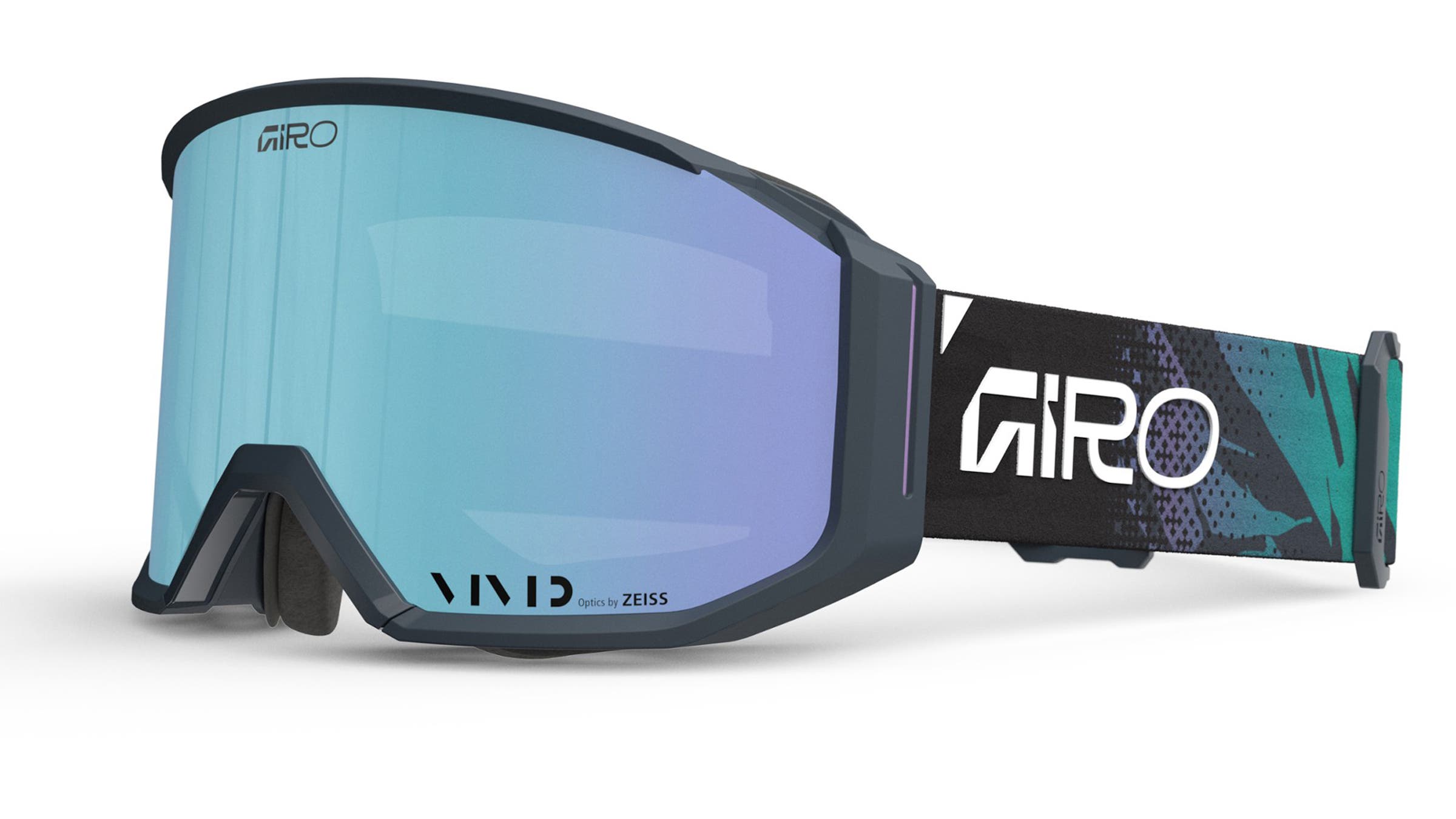
Lens shape: Cylindrical
Number of lenses included: 2
Face fit: Medium/large
Pros and Cons
- Exceptional comfort for extended wear throughout the day.
- Excellent ventilation system designed to minimize fogging.
- Lens swapping can be challenging when wearing gloves.
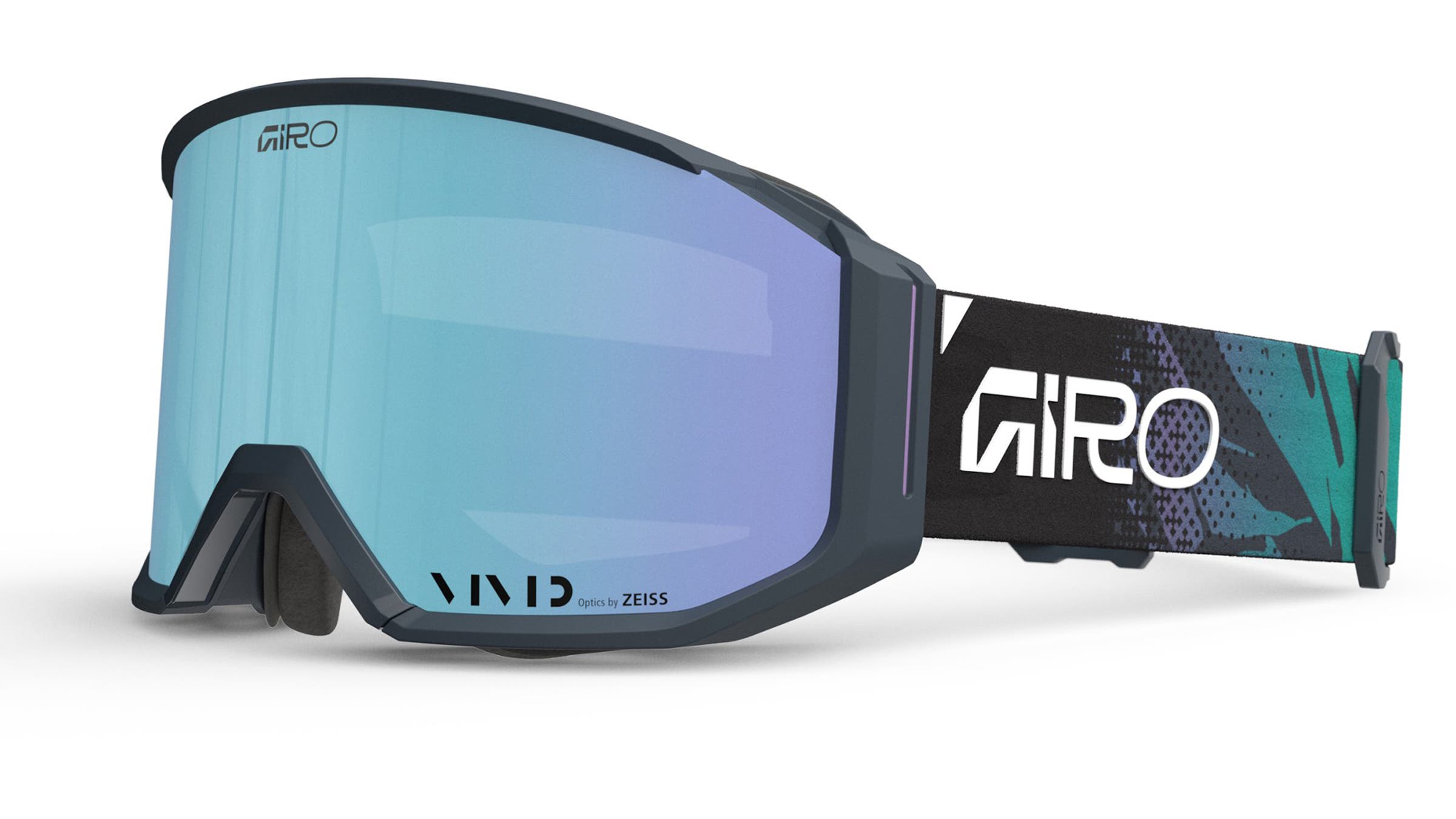
The Giro Revolt Pro has been lauded as the most comfortable goggle in this year’s testing cycle, a distinction earned through its meticulously designed construction. Featuring a triple-layer face foam coupled with a soft fleece lining, the Revolt Pro offers a plush feel against the skin that remains breathable even during strenuous activity. This comfort was consistently reported by testers during long days on the slopes at Jackson Hole Mountain Resort and during backcountry tours on Teton Pass.
Developed in collaboration with professional freeride, park, and pipe athletes, the Revolt Pro embodies a fusion of style and performance suitable for various skiing disciplines. Its design is both understated and timeless, seamlessly integrating into any ski aesthetic. "Super comfy for long days on the hill," commented one tester. "I almost always forgot I was wearing them, and the field of view was so great I rarely took them off." While the magnet-assisted lens swap system is smooth, testers noted that the dexterity required for lens changes might be reduced when wearing gloves, a minor inconvenience for an otherwise exceptional product.
Best Peripheral Vision: Adidas SP0120
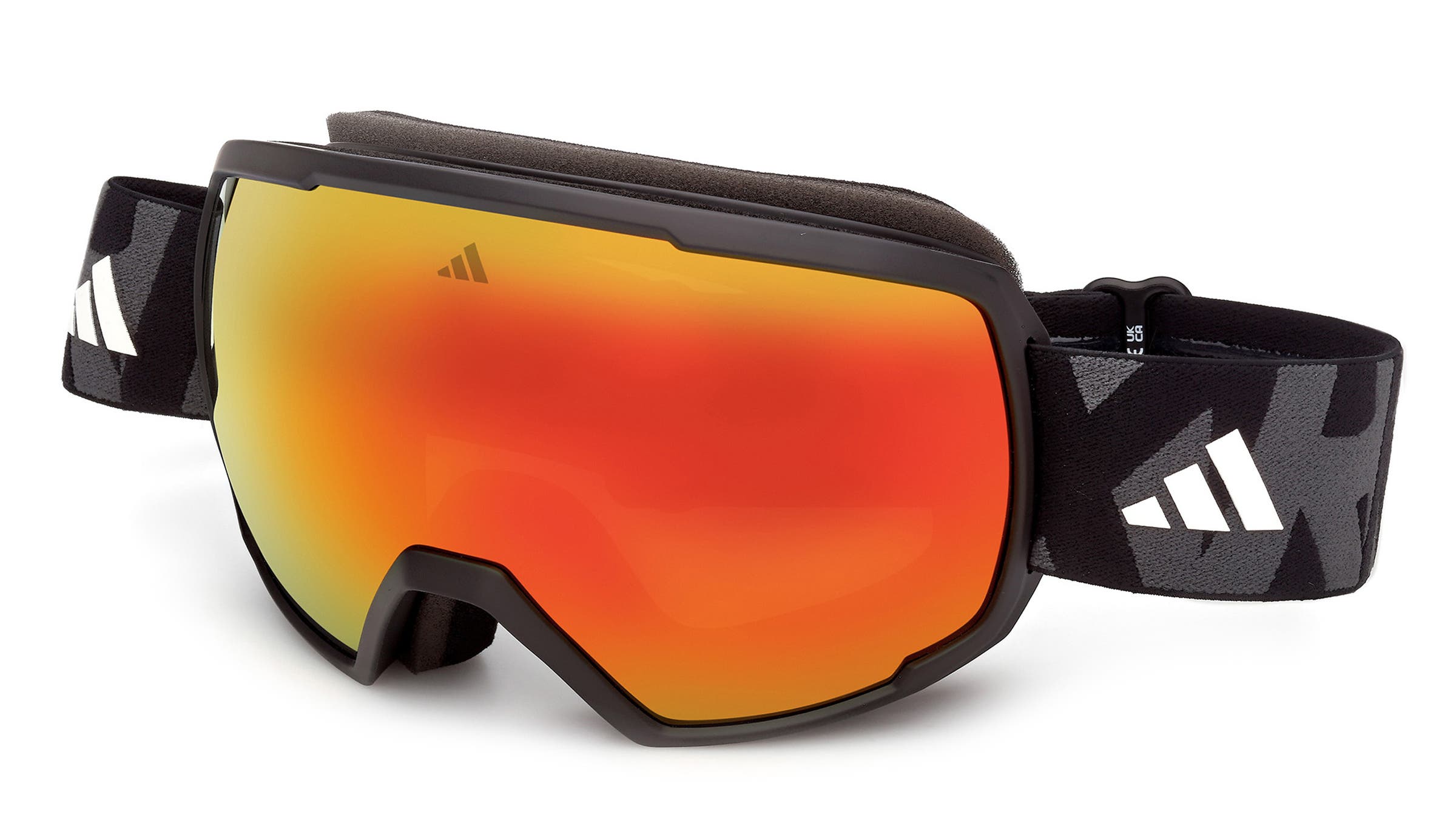
Lens shape: Cylindrical
Number of lenses included: 2
Face fit: Medium
Pros and Cons
- Provides an expansive field of view, maximizing peripheral sight.
- Features a straightforward and efficient lens-swapping mechanism.
- The fit may be restrictive for individuals with wider faces.
- The goggle’s rounded aesthetic may not appeal to all users.
For skiers who prioritize an unobstructed view, the Adidas SP0120 goggles deliver an exceptional peripheral field of vision, standing out in this year’s evaluations. The simplicity and meticulous craftsmanship of the SP0120 ensure a consistently clear and pristine view, whether navigating steep mountain lines or deep powder. "I felt like I could see so much without even having to turn my head," remarked a tester from Wyoming.
The interchangeable lenses can be swapped on the go without removing gloves, thanks to a simple pull-and-release mechanism, making mid-lift adjustments highly efficient. Beyond the impressive visual range, the goggles feature comfortable face foam, anti-fog lenses, and a secure silicone strap, offering a no-frills yet robust performance package. While categorized as medium-sized, their narrower fit proved to be a tight sensation for some testers with wider facial structures. Additionally, the goggle’s distinctive rounded shape, described by some as "bug-like," is a matter of aesthetic preference rather than a functional detractor.
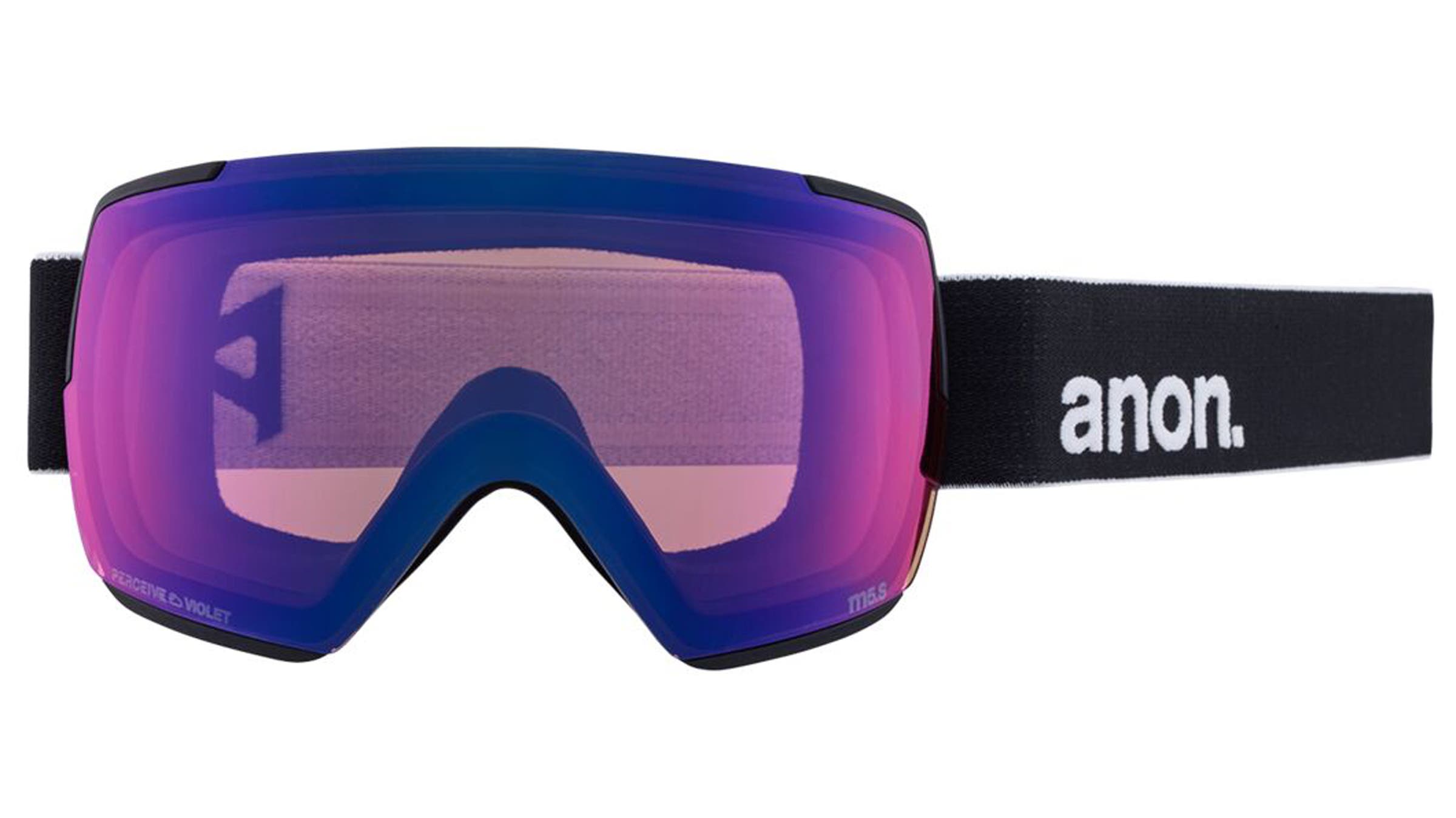
Best Magnetic Lens-Swap System: Anon M5S
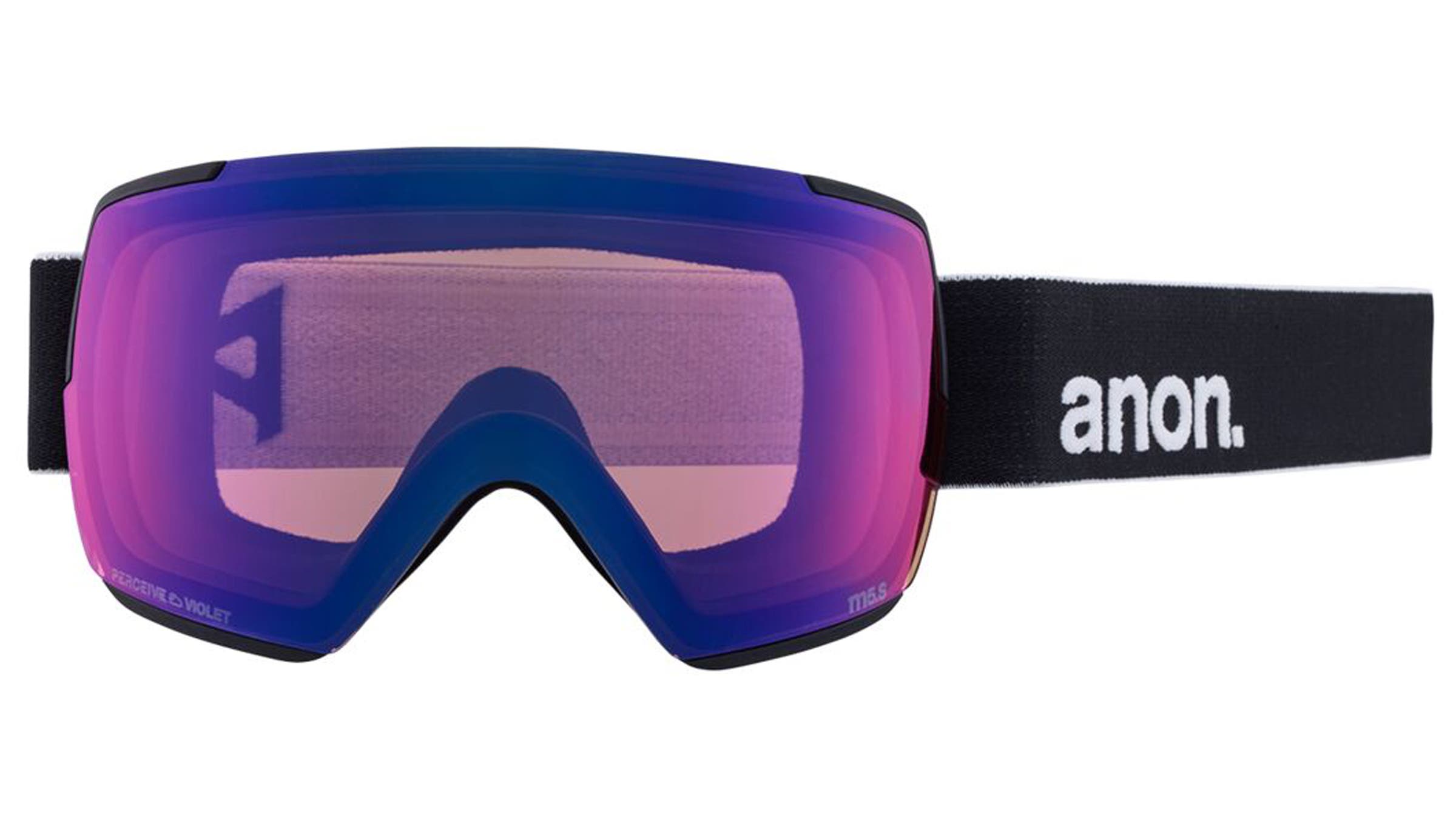
Lens shape: Toric
Number of lenses included: 2
Face fit: Medium to large
Pros and Cons
- Highly secure and robust magnetic lens change system.
- Excellent breathability with a comprehensive, wrap-around venting design.
- Optional integrated face mask that magnetically attaches to the goggle.
- The goggle strap’s grip can be excessively strong, making adjustments difficult on helmets.
The Anon M5S boasts the most substantial and secure magnetic lens system encountered in this year’s testing. The ease of swapping lenses was so remarkable that testers engaged in the process purely for the satisfaction it provided. "I’d never have to worry about inadvertently popping them off on a chairlift," noted one tester.
The flat, toric lens design ensures comprehensive visibility, even in challenging peripheral areas, while the durable hard plastic frame offers a reassuring sense of sturdiness compared to more pliable alternatives. Testers appreciated the full-wrap venting system during strenuous backcountry ascents, effectively managing steam buildup. An optional face mask, which attaches magnetically to the bottom of the goggle, provides additional protection from wind and sun, though testers generally preferred their own separate neck tubes. The inclusion of icons on spare lenses to indicate optimal conditions is a thoughtful touch, aiding users in selecting the correct lens for the environment.
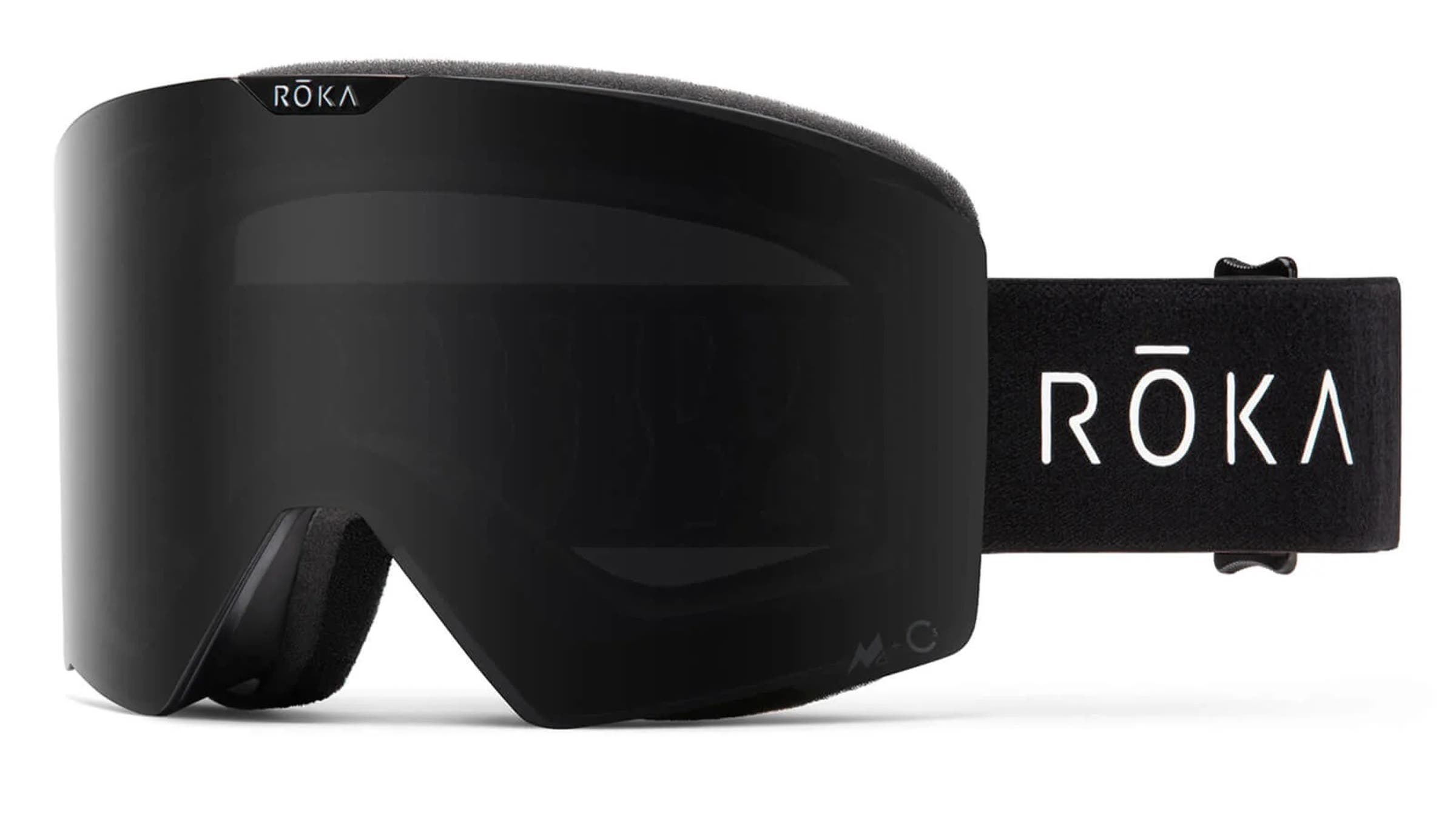
Best for Wider Faces: ROKA Niseko
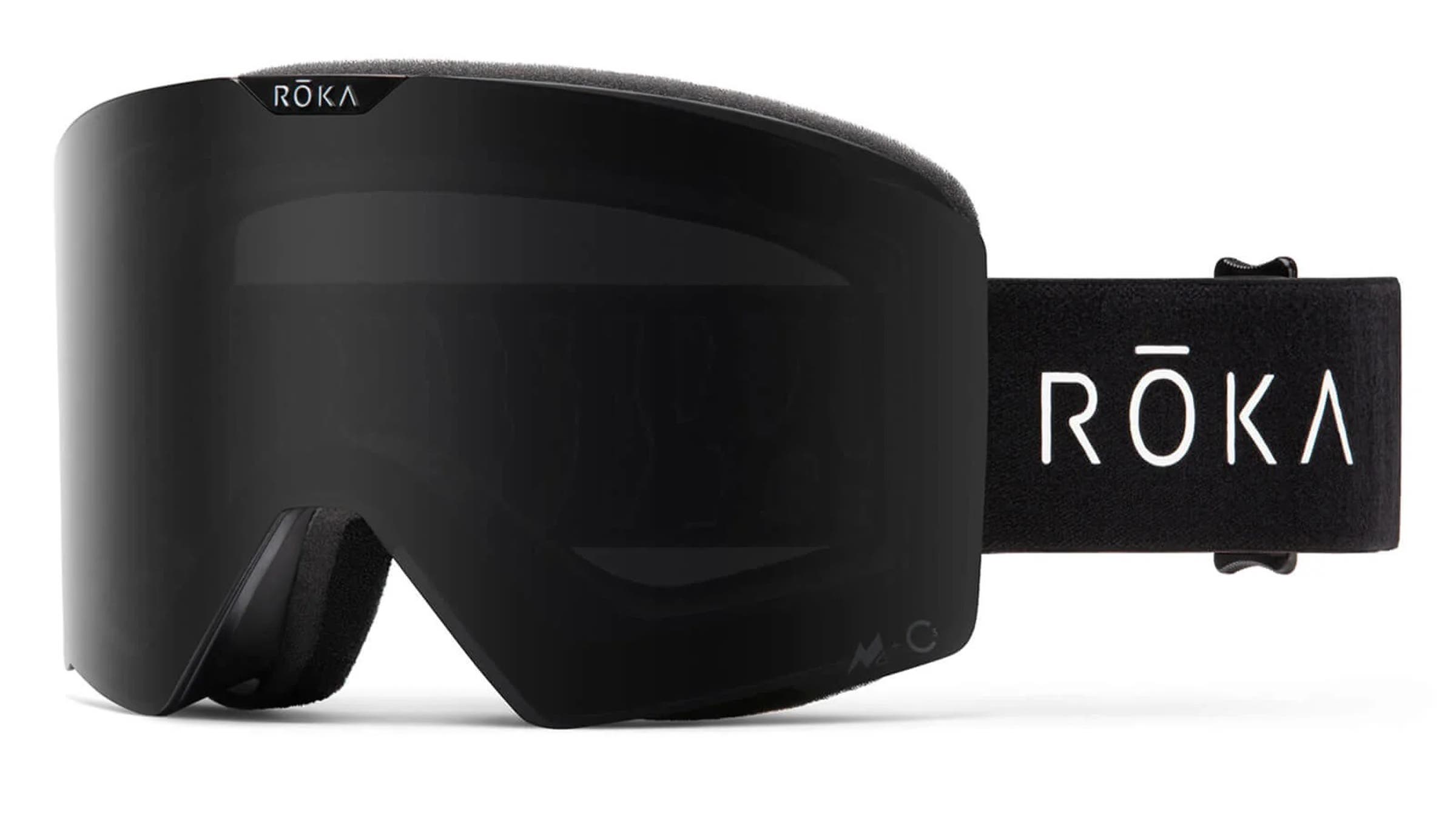
Lens shape: Cylindrical
Number of lenses included: 2
Face fit: Large
Pros and Cons
- Generous lens size provides an expansive field of view.
- User-friendly magnetic lens swap system, compatible with gloves.
- May be excessively large for individuals with smaller facial structures.
- Positioned at a higher price point.
The ROKA Niseko stands out as the premier choice for skiers with larger faces, offering an oversized design combined with a comfortable, pressure-free fit. Testers consistently praised the impressive visual clarity and intuitive features during expeditions in the Tetons and the Swiss Alps. The included low-light lens proved easy to swap thanks to ROKA’s MagStorm lens system, essential for navigating rapidly changing weather conditions. "The magnetic system is so intuitive," remarked a tester after a trip to Switzerland. "I could change lenses with my gloves on and the oversized design gave me an extra wide field of view while completely blocking out the elements."
Compatibility with prescription eyewear and a three-layer face foam ensured all-day comfort, with anti-fog capabilities that impressed testers even during demanding uphill climbs. While the Niseko is a premium-priced option and might feel disproportionately large on smaller faces, its capacity to handle all conditions makes it an outstanding choice for those seeking a substantial goggle with exceptional performance.
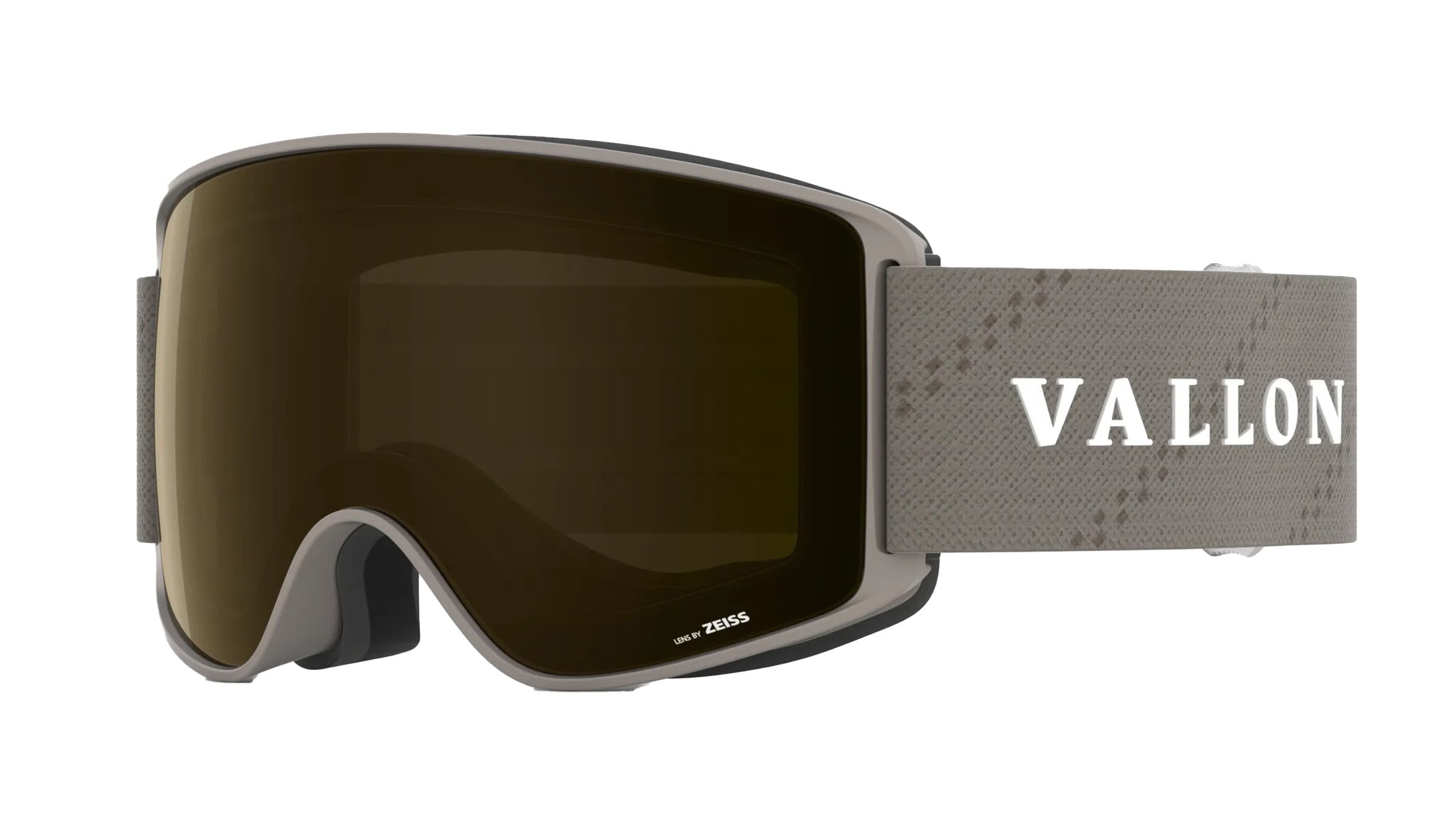
Best Style: Vallon Crossroads
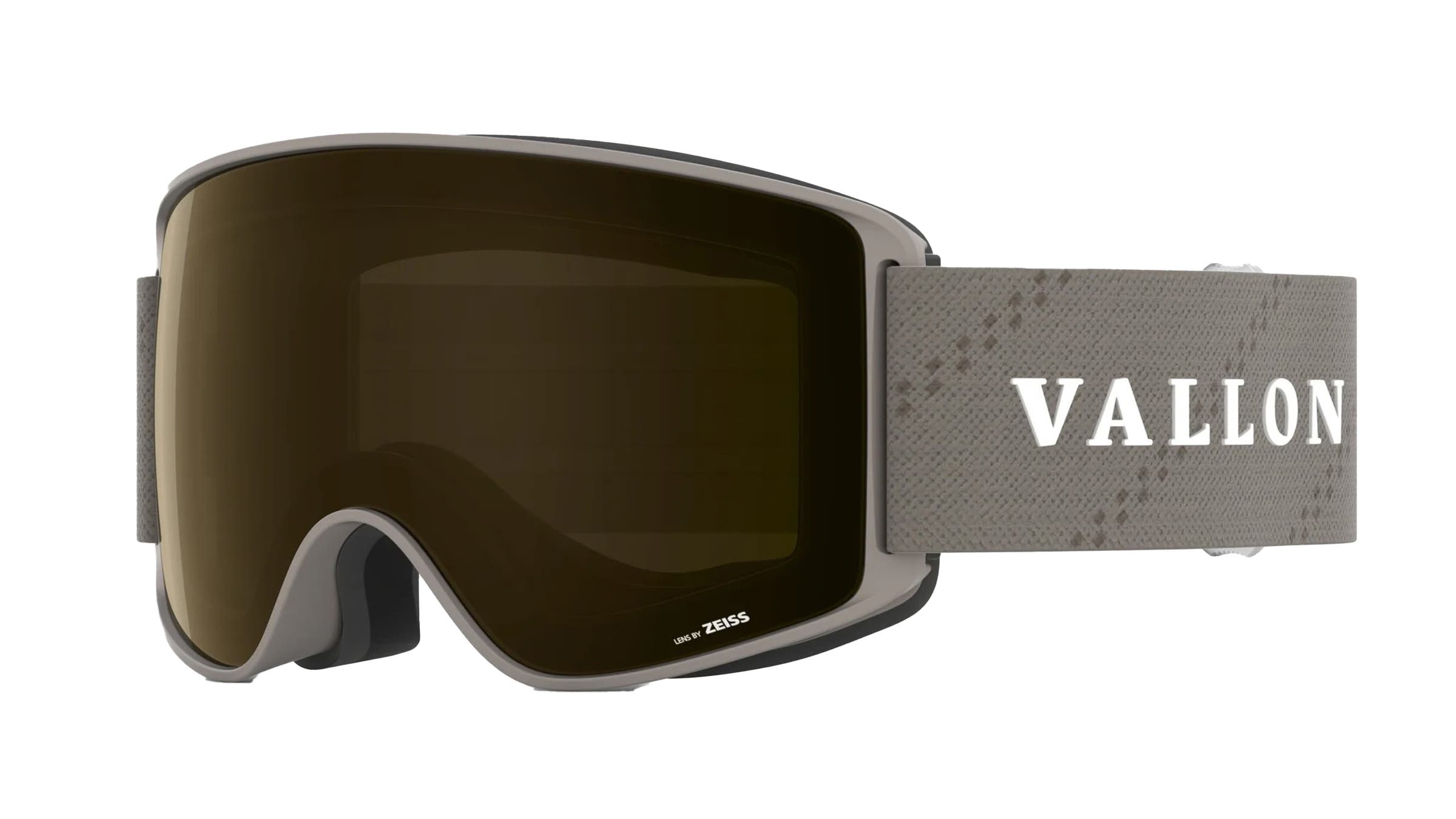
Lens shape: Toric
Number of lenses included: 2
Face fit: Medium/large
Pros and Cons
- Possesses a sleek, modern aesthetic.
- Features a user-friendly lens-swapping mechanism.
- The strap, while secure, is relatively thick.
- May appear slightly large on smaller facial structures.
The Vallon Crossroads has captured attention for its sleek and timeless design, coupled with reliable optical clarity that performs admirably in both bright sun and stormy conditions. The toric lens shape, a popular innovation, optimizes peripheral vision while maintaining distortion-free sightlines. The goggle’s thick strap ensures a secure and stable fit on helmets. "I’d take these goggles anywhere," stated one tester. "Plus they go with just about any helmet or kit."
The PolarLock magnetic lens-swap system is both smooth and easy to operate, even with gloves on. A magnetic switch activates the system, allowing for quick integration of the included low-light lens. While testers with medium and large helmets found the fit and size to be ideal, those with smaller faces or who wear size small helmets noted that the Crossroads felt somewhat bulky.
Best for Low Light: Bollé Cerro Photochromic
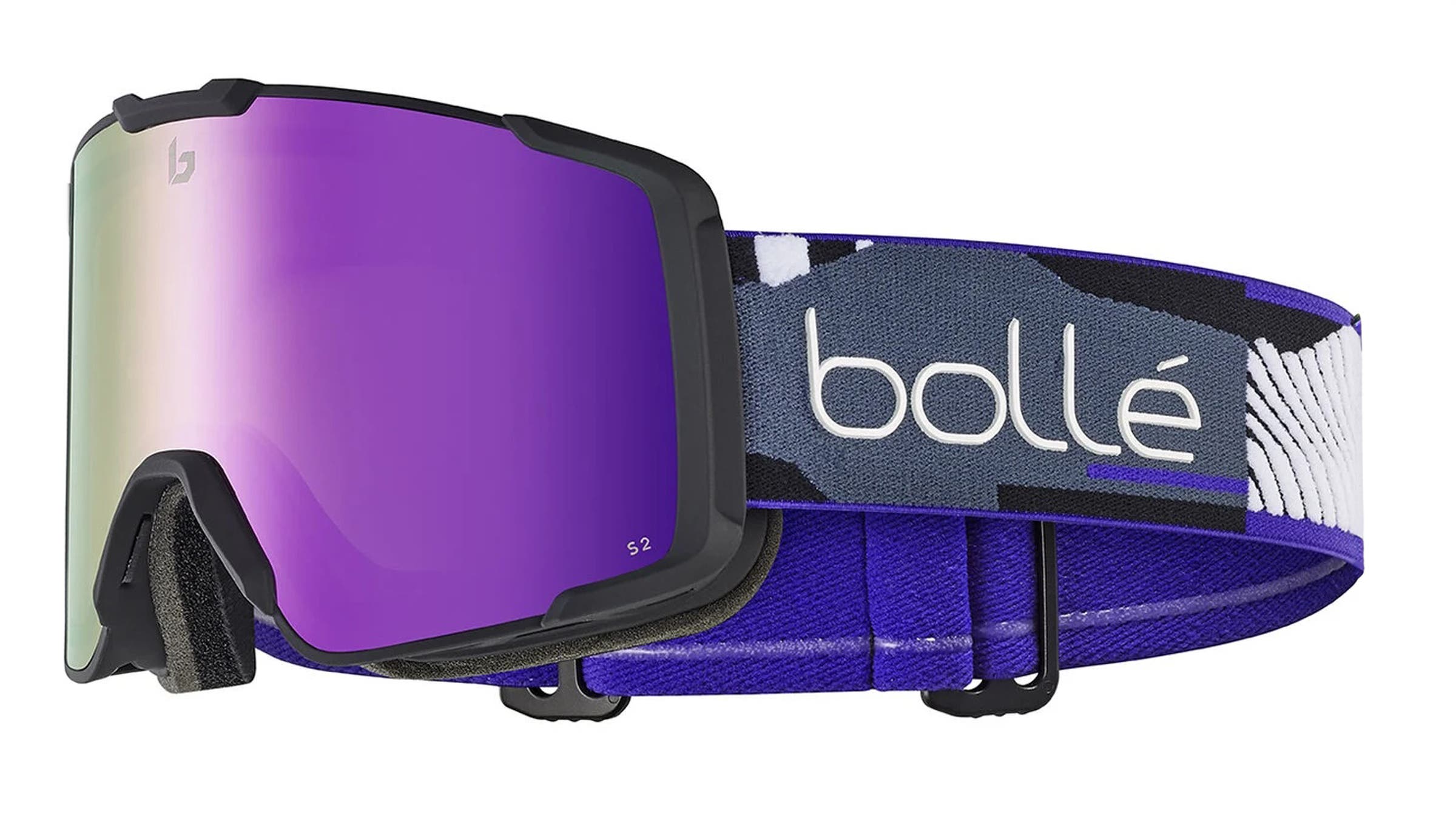
Lens shape: Cylindrical
Number of lenses included: 1
Face fit: Medium
Pros and Cons
- Affordable pricing offers excellent value.
- Performs exceptionally well in overcast and low-light conditions.
- Comes with only one lens, limiting adaptability in drastic light changes.
- Air ingress at high speeds was noted by one tester.
The Bollé Cerro Photochromic goggles excelled in low-light conditions, earning praise from testers during overcast days and stormy weather. "I tested these goggles at Mammoth Mountain in completely uninspiring conditions: spitting snow and rain, clouds, and the threat of lightning," reported one tester. "But I could consistently see at least 50 feet in front of me, even with gray, stormy spring weather." The cylindrical lens provides a field of view comparable to larger goggles, though the medium fit is best suited for small to medium faces.
The Flow Tech venting system effectively combats fogging, a crucial feature given the testing conditions. However, one tester observed that air could infiltrate the top of the goggles at high speeds, a potential consequence of the same venting mechanism. The primary limitations are the single lens, which, while photochromic, may not offer optimal performance in extreme bright or dark conditions, and the potential for air ingress at high velocities.
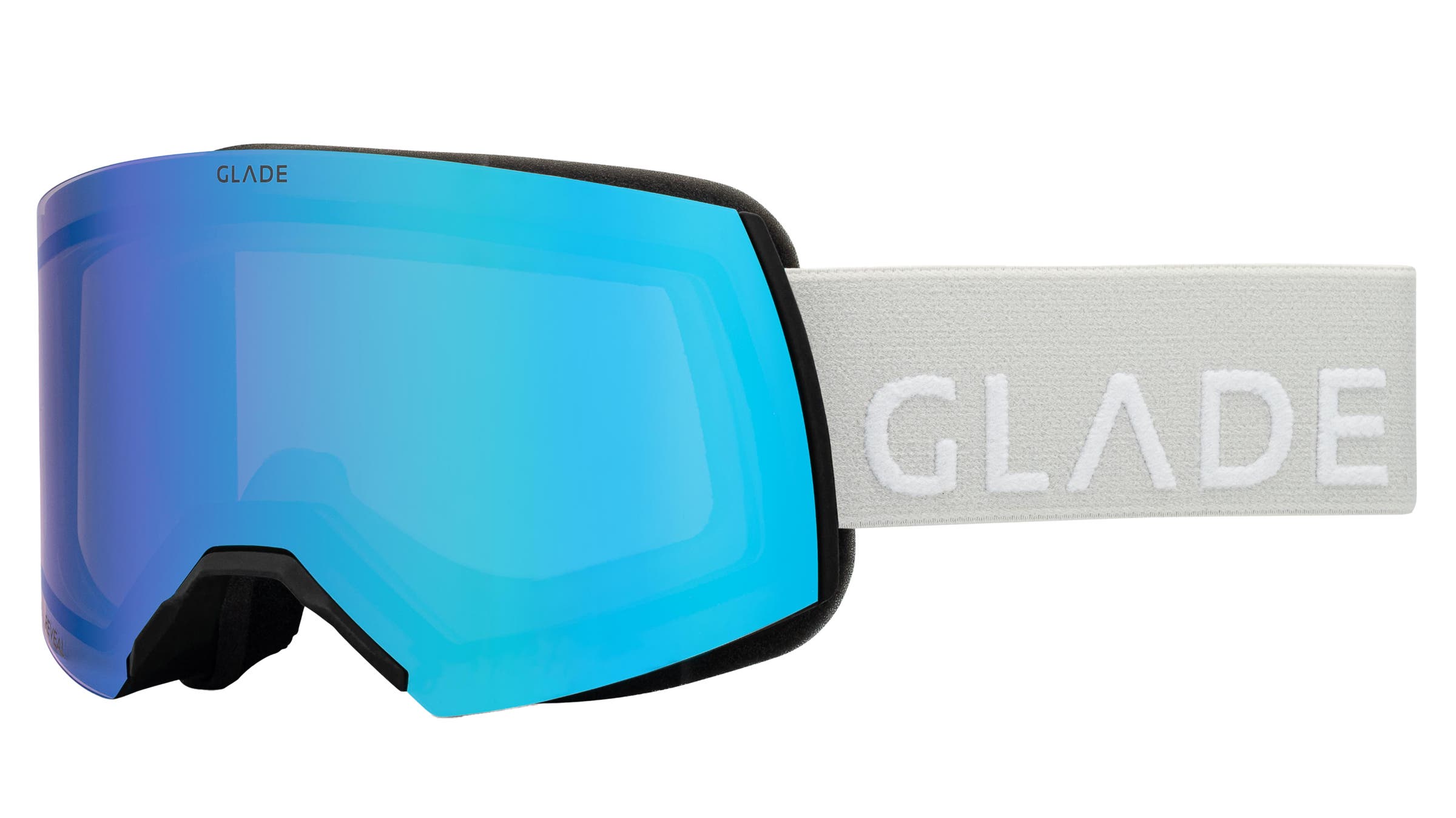
Best for Smaller Faces: Glade Adapt 2S
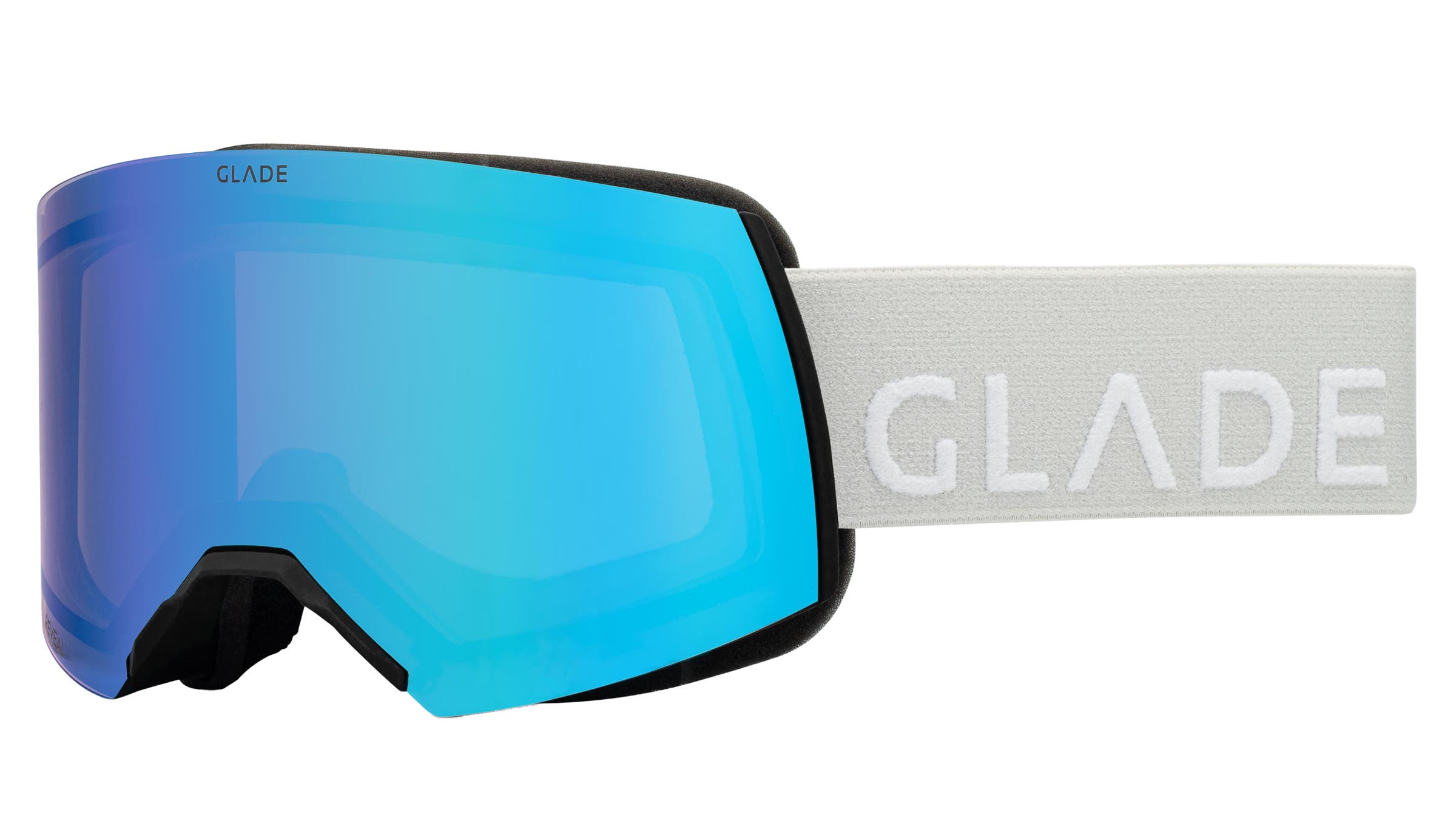
Lens shape: Cylindrical
Number of lenses included: 1
Face fit: Small
Pros and Cons
- Reasonably priced for its performance and features.
- Serves as a versatile "one-quiver" goggle for various conditions.
- Demonstrates good compatibility with a range of helmets.
- Offers a less expansive peripheral vision compared to some other models.
The Glade Adapt 2S, a smaller iteration of the popular Glade Adapt 2, is designed to cater to skiers with smaller faces or those who prefer a less obtrusive goggle profile. The core innovation is its photochromic lens, which dynamically adjusts its tint based on UV intensity, effectively covering a wide range of light conditions from bright sun to overcast skies. This adaptability makes it a highly convenient "one-quiver" option, eliminating the need to carry multiple lenses. One tester, who took the Adapt 2S on a ski touring trip to Norway, stated, "This is now my go-to travel goggle when I don’t want to bother bringing a change of lenses to accommodate different light conditions."
The goggle fit seamlessly with various helmets and provided a pressure-free experience across different face shapes during testing. While the peripheral vision may not match that of larger, more specialized goggles, the convenience and affordability compensate for this trade-off. Glade offers replacement lenses for a modest $70, ensuring the longevity of the goggle.
Best Optic Clarity: Revo Solstice No. 9
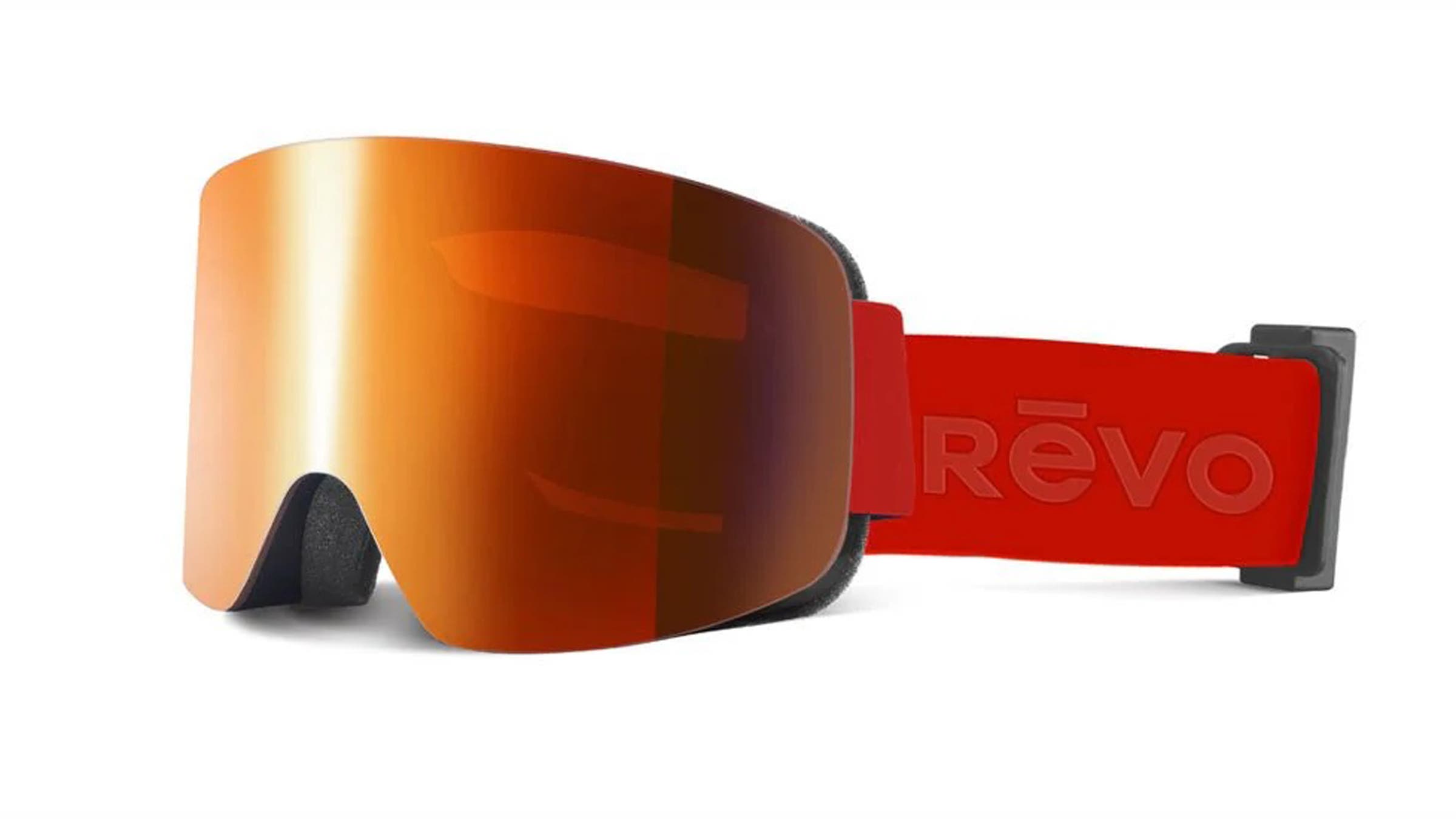
Lens shape: Cylindrical
Number of lenses included: 1
Face fit: Medium to large
Pros and Cons
- Features a clean, understated, and sophisticated aesthetic.
- The magnetic lens system facilitates effortless swapping.
- Available with a prescription lens option for added convenience.
- Among the most expensive goggles tested.
The Revo Solstice No. 9 distinguishes itself with exceptional optic clarity, providing an unparalleled crisp and clear view of the mountain terrain. Testers noted its balanced fit—large enough for an ample field of view without feeling overly bulky. "These goggles strike a nice balance of being big but not as humongous as some of the currently en vogue goggles," commented one tester. The SuperNova+ photochromic lens effectively adapts to varying light conditions, offering sufficient filtering and maintaining clarity even in dim environments.
The magnetic lens interchange system is straightforward and secure. While the goggles come with an additional yellow lens for storm days, the photochromic lens proved highly effective in overcast conditions. Breathability was excellent, with no reported fogging issues. A minor drawback for testers with longer hair was the tendency for the grippy silicone strap to snag strands. The high price point reflects the premium optical technology and overall quality.
How to Buy the Right Goggles
Lens Tint and Interchangeability
When selecting ski goggles, a primary consideration is the lens system. Skiers can opt for interchangeable lenses, allowing them to fine-tune their vision according to specific weather and light conditions. Alternatively, many prefer the convenience of a single transitional lens that adapts to a broad range of environments. Photochromic lenses, which change tint automatically, offer a compromise, though they may not always provide optimal performance at the extreme ends of the light spectrum.
Frame Size and Fit
The size of the goggle frame should correspond to the wearer’s facial structure. Individuals with larger or rounder faces generally benefit from oversized goggles, while those with slimmer or narrower faces may find smaller-fitting models more comfortable. Many manufacturers offer goggles in both standard and small sizes. For skiers who wear prescription glasses, it is essential to look for models indicated as "OTG" (over the glasses) or those with prescription lens compatibility.
Lens Shape and Optical Performance
The shape of the lens—spherical, cylindrical, or the increasingly popular toric—significantly influences the goggle’s optical performance, field of view, and price. Spherical lenses offer a wide field of view and minimal distortion. Cylindrical lenses, while potentially offering less peripheral vision, are often more affordable. Toric lenses aim to combine the benefits of both, providing a broad view with reduced optical aberrations.
Ventilation and Fogging Prevention
Modern ski goggles incorporate advanced ventilation systems and specialized inner lens coatings to combat fogging. However, the inherent physics of temperature and humidity can still lead to fogging under certain conditions. For backcountry skiing, it is advisable to keep goggles in a backpack during ascents and only don them for descents to prevent moisture buildup. At resorts, wearing goggles consistently on the face is recommended. For gondola or tram rides, removing goggles and allowing them to air out can help manage moisture. Placing goggles on top of a helmet is generally less effective for ventilation.
How We Test Ski Goggles
The testing process for the 2027 ski goggle collection involved an extensive field evaluation of numerous models. Goggles were distributed among experienced ski professionals, including backcountry guides, ski patrollers, and dedicated resort skiers. These testers operated in diverse locations across North America and Europe, encompassing regions such as Teton Valley, Idaho; Jackson Hole, Wyoming; Crystal Mountain, Washington; and Mammoth Lakes, California. Additional testing occurred during hut trips in British Columbia and the Alps, heli-skiing expeditions in Alaska, and powder-focused adventures in Kyrgyzstan.
Testers subjected the goggles to a wide array of conditions, from brilliant bluebird days to severe storm fronts characterized by sleet and rain. The evaluation criteria focused on key performance indicators: fit and comfort, optical clarity, the effectiveness of features such as lens-swapping systems and anti-fog technology, helmet compatibility, and overall durability. This rigorous methodology ensures that the recommended goggles represent the best options available for a variety of skiing scenarios and preferences.
Meet Our Testers
Lily Ritter is a freelance journalist and ski guide based in Victor, Idaho. Her work has been featured in prominent publications such as The Ski Journal, SKI Magazine, Powder Magazine, Freeskier, Teton Gravity Research, and Ascent Backcountry Snow Journal. Her extensive experience includes backcountry skiing in Grand Teton National Park and lift-served skiing at Jackson Hole Mountain Resort, with occasional forays into the Alps, often motivated by culinary exploration.
