

The transition from a leadership role at Quinn, a company specializing in audio erotica for women, to founding a women-owned ski brand might seem unconventional. Yet, for Anna Dailey, the common thread is a deep understanding of what women truly desire. Today, October 20, 2026, marks the official launch of Rumor, a new ski brand dedicated to crafting skis specifically for women, with its inaugural offering, the Debut 102. As far as current industry records indicate, Rumor stands as the sole brand of its kind globally, following the cessation of operations by Coalition Snow earlier this year.
Dailey articulates that the core of both her past and present endeavors lies in a commitment to authenticity. "The through-line is that women found what was offered in the typical space totally fake," Dailey explained in an interview. "Women see right through that. That’s true of women as consumers in any kind of industry—they want to know that people are making products for them with them in mind." This philosophy underpins her vision for Rumor, aiming to fill a significant void in the ski industry that has, for too long, overlooked the nuanced needs of female skiers.
Anna Dailey’s personal connection to skiing is deep-rooted. Her formative years were spent as a member of the Palisades Tahoe ski team, a passion she later nurtured as a coach. Prior to her foray into ski manufacturing, Dailey honed her operational and supply chain expertise as Chief of Staff for Coco Robotics, a company at the forefront of autonomous delivery vehicle technology. "I picked up a love of hardgoods there and got to learn the nitty-gritty of supply chain," she noted, highlighting the practical knowledge gained that would prove invaluable for her new venture.
The launch of Rumor arrives at a critical juncture for the ski industry. In recent years, a discernible trend has emerged where many established brands have moved away from dedicated women’s skis, opting instead for unisex models often characterized by shorter lengths and lighter constructions. This shift has been met with skepticism and frustration by a segment of the female skiing community, who feel their specific needs are being sidelined in favor of broader market appeal and cost-efficiency.
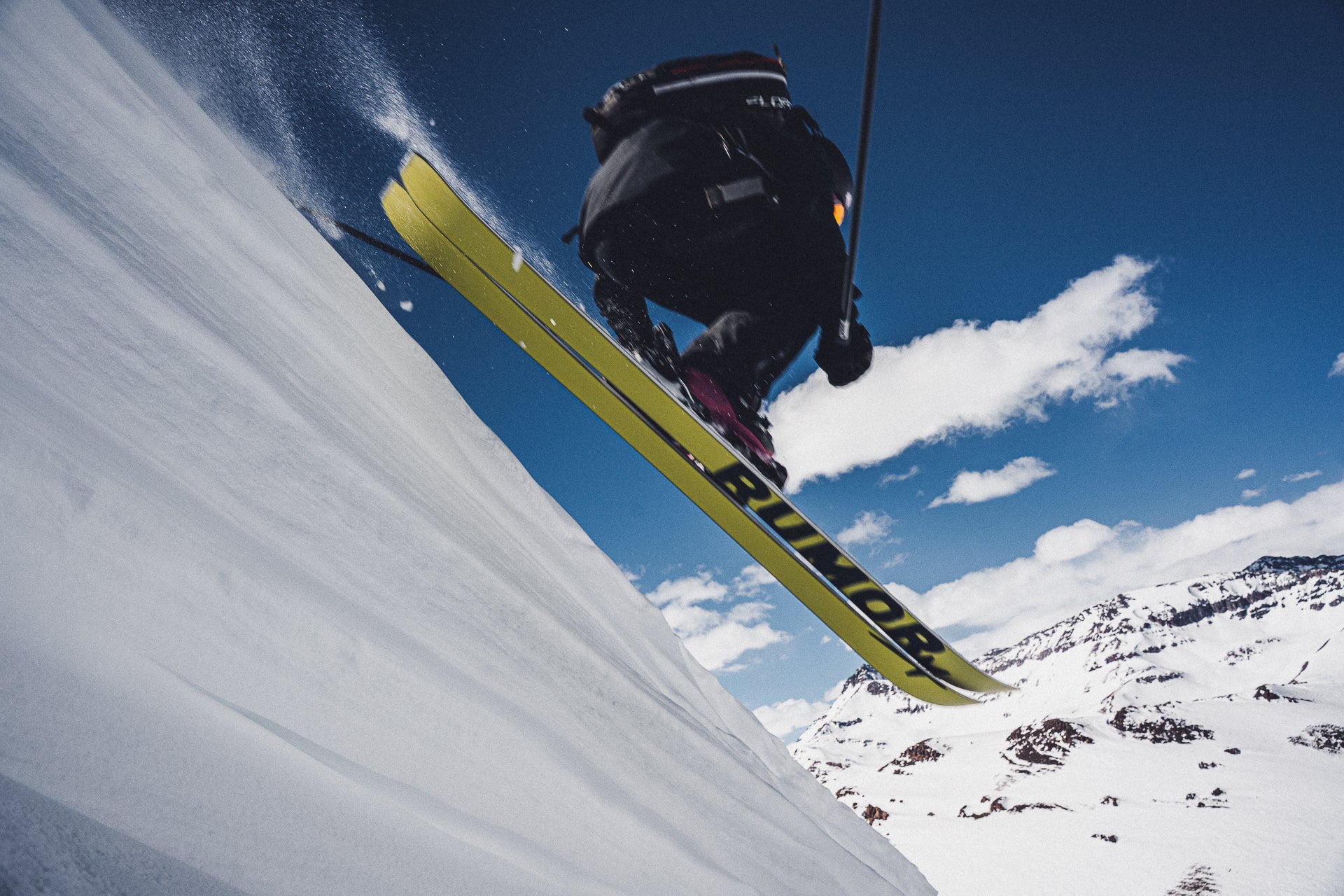
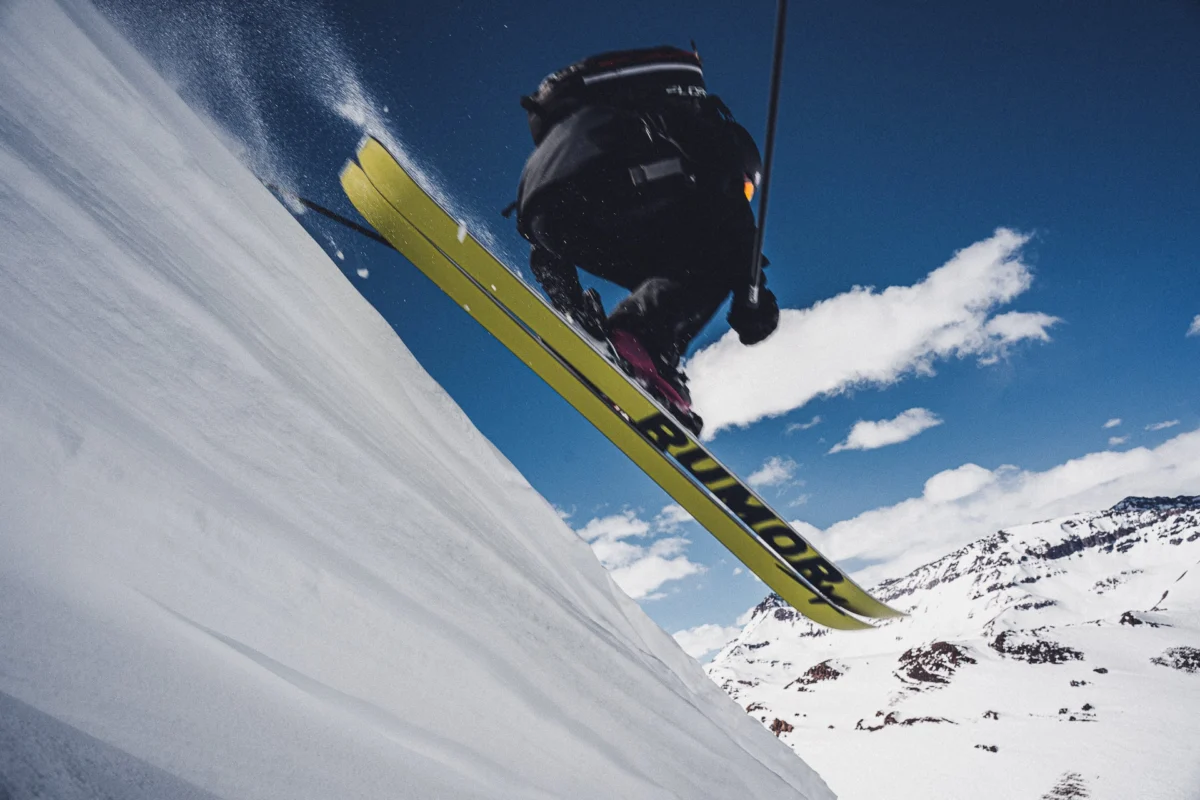
Dailey’s approach directly challenges this prevailing industry sentiment. The Debut 102, her debut ski, is a testament to this commitment. It boasts a robust 102mm waist width, designed to provide excellent flotation in a variety of snow conditions. The ski features a substantial construction, incorporating a full sheet of Titanal layered over a core of poplar and ash wood. This design choice is intentional, aiming to deliver the stability and dampening often sought by more aggressive skiers, regardless of gender.
Crucially, Dailey has engineered the Debut 102 in lengths that extend beyond the typical offerings for women’s skis. Available in 169cm, 176cm, and 183cm, these longer dimensions address a common complaint among female skiers: being undersold skis that are too short for their height and ability, leading to instability and a compromised skiing experience. Dailey observed, "Most shops put women on skis that are far too short for them, adding to the instability problem that many women describe."
The Historical Context of Women’s Ski Design
The debate surrounding women-specific ski design is not a new one. In the 1980s, Jeannie Thoren, a luminary in the skiing world and a U.S. Ski and Snowboard Hall of Fame inductee, pioneered the concept of skis tailored to women’s physiology. Thoren’s early efforts aimed to create skis that were not merely scaled-down versions of men’s models but were fundamentally engineered to accommodate differences in biomechanics, strength, and skiing style.
However, the industry’s response to these innovations has been cyclical. Early iterations of women’s skis were sometimes criticized for being weaker or less powerful than their male counterparts, leading to the perception that they were simply marketing ploys rather than genuine advancements. According to Dailey, this perception persists because the majority of ski design and testing has historically been conducted by men, who may not fully grasp the unique challenges and preferences of female skiers. While some brands have maintained dedicated women’s programs with extensive testing by female athletes, these remain the exception rather than the norm.
Rumor: Addressing the "Unisex" Conundrum
Dailey posits that the widespread adoption of unisex skis is a direct consequence of the industry’s failure to adequately meet the needs of women skiers with previous dedicated models. The very name of her brand, Rumor, stems from this observation. "I heard a rumor that women’s skis weren’t designed for women or by women," Dailey explained. "Brands haven’t been able to figure out what women want, so they’re giving up. They’re trying to improve margins, and they’re, like, ‘we haven’t nailed these products, so let’s just call them unisex and call it a day.’"
Rumor’s foundational principle is to actively solicit and incorporate feedback from women skiers. Dailey acknowledges the vast diversity in female anatomy and skiing abilities, recognizing that a single ski cannot cater to every individual. Nevertheless, her design process has been guided by key insights gleaned from extensive conversations and observations within the skiing community.
Re-engineering the Ski for the Female Skier
One of the most persistent critiques Dailey encountered was that women’s skis felt too flimsy, leading many to seek greater stability and confidence on men’s skis. Another recurring issue was the sidecut radius on women’s skis, which was often perceived as too short, resulting in a "hooky" feel that could make turn initiation unpredictable.
Dailey delved into the biomechanics behind these observations. "I couldn’t find much info as to why men’s ski companies think women are going to want assistance in making their turn," she stated. Her research into the female Q-angle—the angle formed from the hip to the knee—revealed that women, due to a typically larger Q-angle, possess an inherent advantage in angulating their bodies and initiating turns compared to men with smaller Q-angles. "So the assumption that we would need the shorter sidecut was ass-backward," Dailey asserted, challenging the conventional wisdom that led to shorter sidecut radii in women’s skis.
In alignment with pioneering designs from the 1980s, Dailey also recognized the importance of mounting point. Considering women’s musculoskeletal structure and generally lower center of gravity, a more forward mounting point was determined to be beneficial. "It allows us to get over the front of our skis a little easier," Dailey elaborated, advocating for a design that optimizes control and balance.
To ensure the Debut 102 was not merely a superficial modification of existing designs, Dailey collaborated with a European ski factory’s engineering team to develop the ski from the ground up. "This is not like me buying someone else’s mold and slapping my logo on it," she emphasized. "It’s a design that I worked on from the ground up, with custom molds and custom tooling." To maintain complete control over the entire manufacturing process and retain intellectual property, Dailey personally funded the entire project.
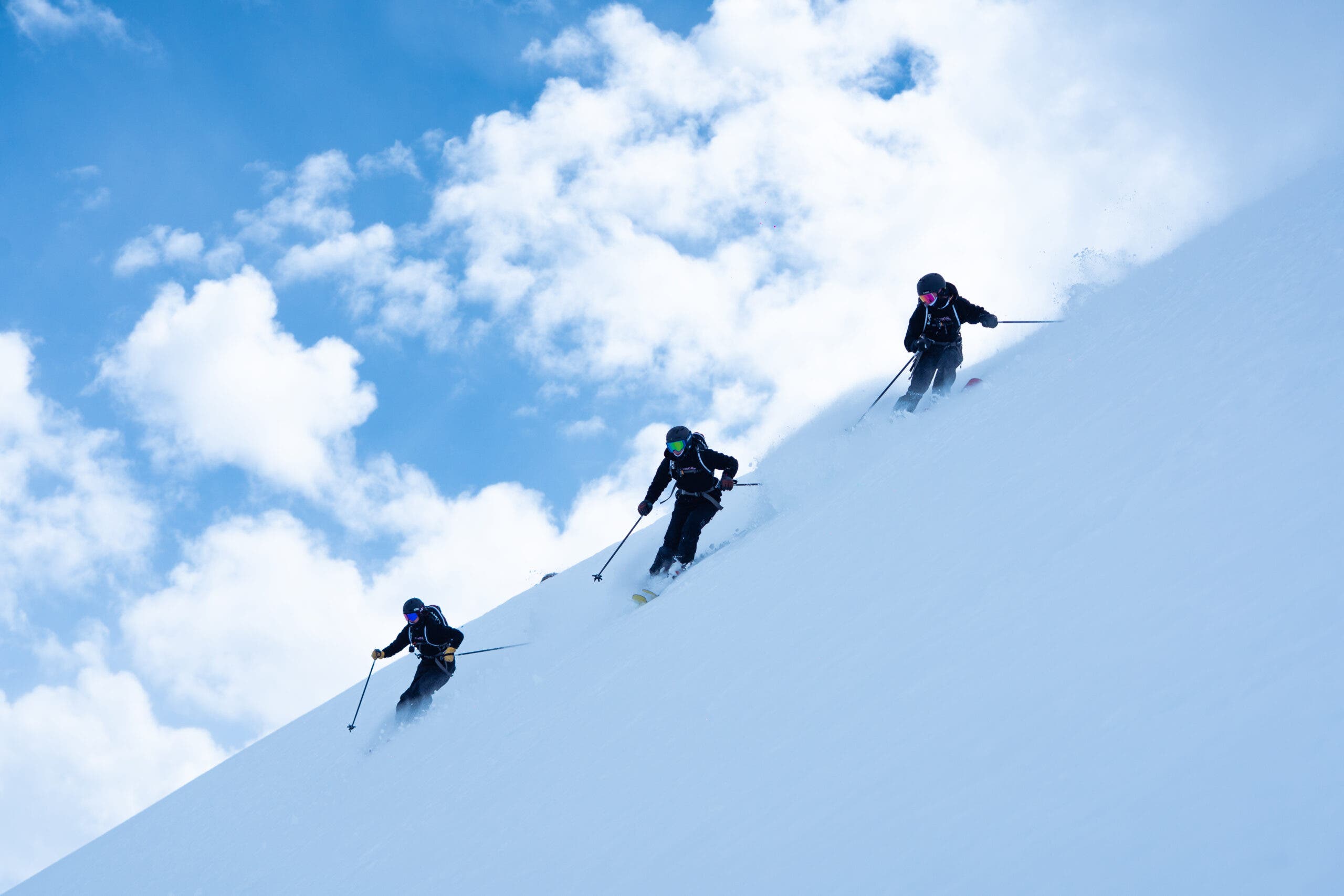
The construction of the Debut 102 features a poplar and ash core designed to keep the swingweight manageable, while the Titanal layers provide crucial stability and effectively dampen vibrations. An additional layer of Titanal positioned underfoot enhances edge grip, and the 20-meter sidecut radius contributes to overall stability and power transfer. Dailey described the turn feel as "fluid rather than hooky, tight one that feels unpredictable before you’re ready to make a turn. It’s stable and sturdy, without losing the playful pop that I love in a ski."
A New Paradigm in Aesthetics and Transparency
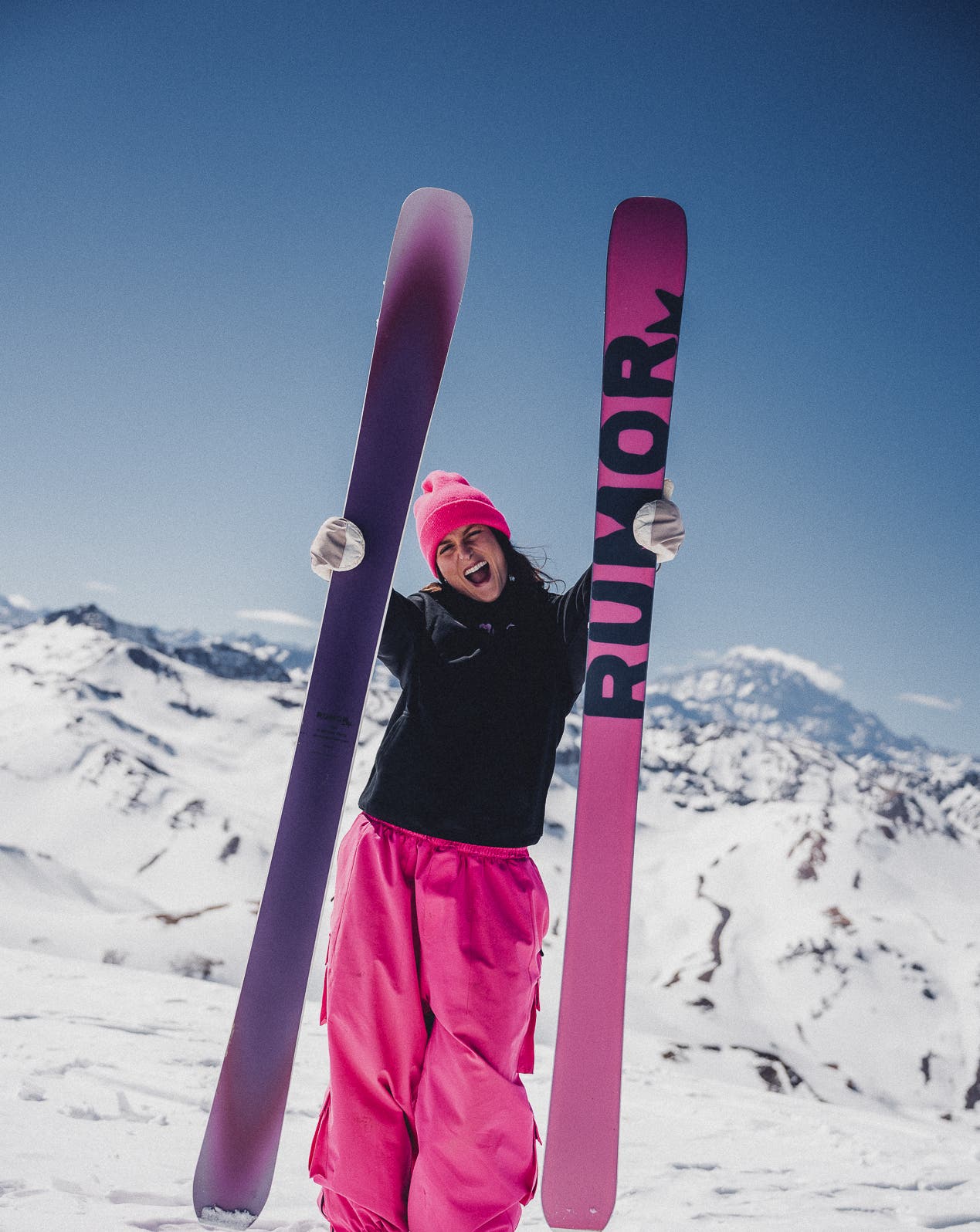
Beyond performance, Dailey is also redefining expectations for ski aesthetics. The Debut 102 is available in three distinct topsheet designs, catering to a desire for visual appeal that resonates with consumers. While currently offered in three lengths, Dailey has plans to expand the line, including a 163cm and a 190cm ski. Future width additions will also feature multiple graphic options, a departure from the industry norm of single graphics per width. "Pretty much every ski width on the market has one graphic option, and I felt like that was really limiting," Dailey commented. "Generally, women value aesthetics, and we want something we love and that goes with different outfits and vibes."
Transparency is another cornerstone of Rumor’s brand ethos. Dailey is committed to demystifying the ski manufacturing process. "I want to pull back the curtain, showing the process as much as I can," she stated. "Women want to know and be able to trust you, and I want to give them as much confidence as possible in me." This commitment to open communication aims to build a strong, trusting relationship with her customer base.
The Rumor Debut 102 is available for purchase directly through the brand’s website at rumor-ski.com for $959, with free shipping offered within the United States. This direct-to-consumer model further reinforces Dailey’s commitment to controlling the customer experience and maintaining a direct line of communication with her audience. The launch of Rumor signifies a potential turning point, heralding a new era where women’s ski design is driven by genuine insight, technical innovation, and a deep respect for the female skier’s experience.
