

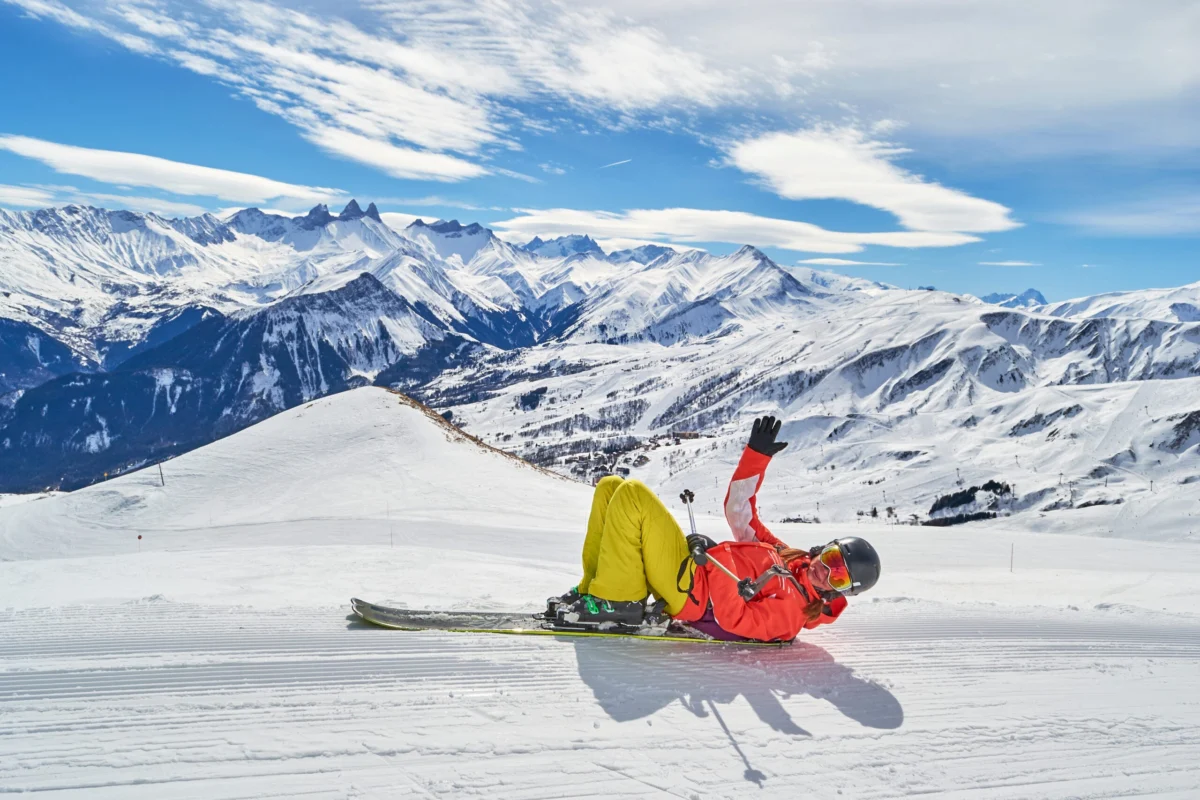
October 16, 2026 – A subtle yet palpable shift marks the arrival of autumn for many, signaling the imminent return of winter sports. For avid skiers and snowboarders, this transition is often characterized by a series of predictable behaviors and mental shifts that betray an undeniable anticipation for the upcoming ski season. While the first significant snowfall on high peaks or the hum of snowmaking machines at local resorts serve as tangible indicators, the true telltale sign often resides within the individual’s psyche, manifesting in an obsessive focus on weather patterns and a pervasive daydreaming about distant slopes.
This annual shift, colloquially referred to as "winter mode," sees individuals whose lives are intrinsically linked to the ski season begin to recalibrate their priorities and obsessions. As summer’s warmth recedes, the allure of crisp mountain air and powdery descents takes hold, often leading to a heightened awareness of meteorological phenomena and a growing impatience for opening day. Experts in sports psychology note that such pre-season anticipation is a common psychological phenomenon, driven by the release of endorphins associated with anticipated physical activity and the social connections forged within the skiing community.
The Meteorological Oracle: Obsessive Weather Forecasting
A primary indicator of an impending ski season is the drastic transformation of one’s relationship with weather forecasts. What once served as a simple guide for daily attire—an umbrella or a light jacket—evolves into a complex, multi-faceted analytical tool. Ski enthusiasts now find themselves poring over atmospheric river projections, meticulously tracking overnight temperature lows, and refreshing resort-specific snow reports with a frequency that borders on compulsive. The long-range forecast, despite its inherent limitations in accuracy beyond a week, becomes a source of intense scrutiny and often, unfounded optimism or dread.
This behavior is not an isolated anomaly but rather a shared ritual within the skiing community. It is common for individuals to engage in robust discussions about the reliability of various weather models, distinguishing between those prone to hyperbole and those deemed more trustworthy. The precise snow depth required for a "good start" to the season at their preferred local mountain becomes a well-understood metric. This shared obsession fosters a sense of camaraderie, as forecasts are often disseminated among friends, creating a collective narrative of anticipation. According to a 2025 survey by the National Ski Areas Association (NSAA), over 70% of surveyed skiers reported checking snow reports at least three times per week during the pre-season months.
Pre-Season Conditioning: Negotiating with Your Own Physiology
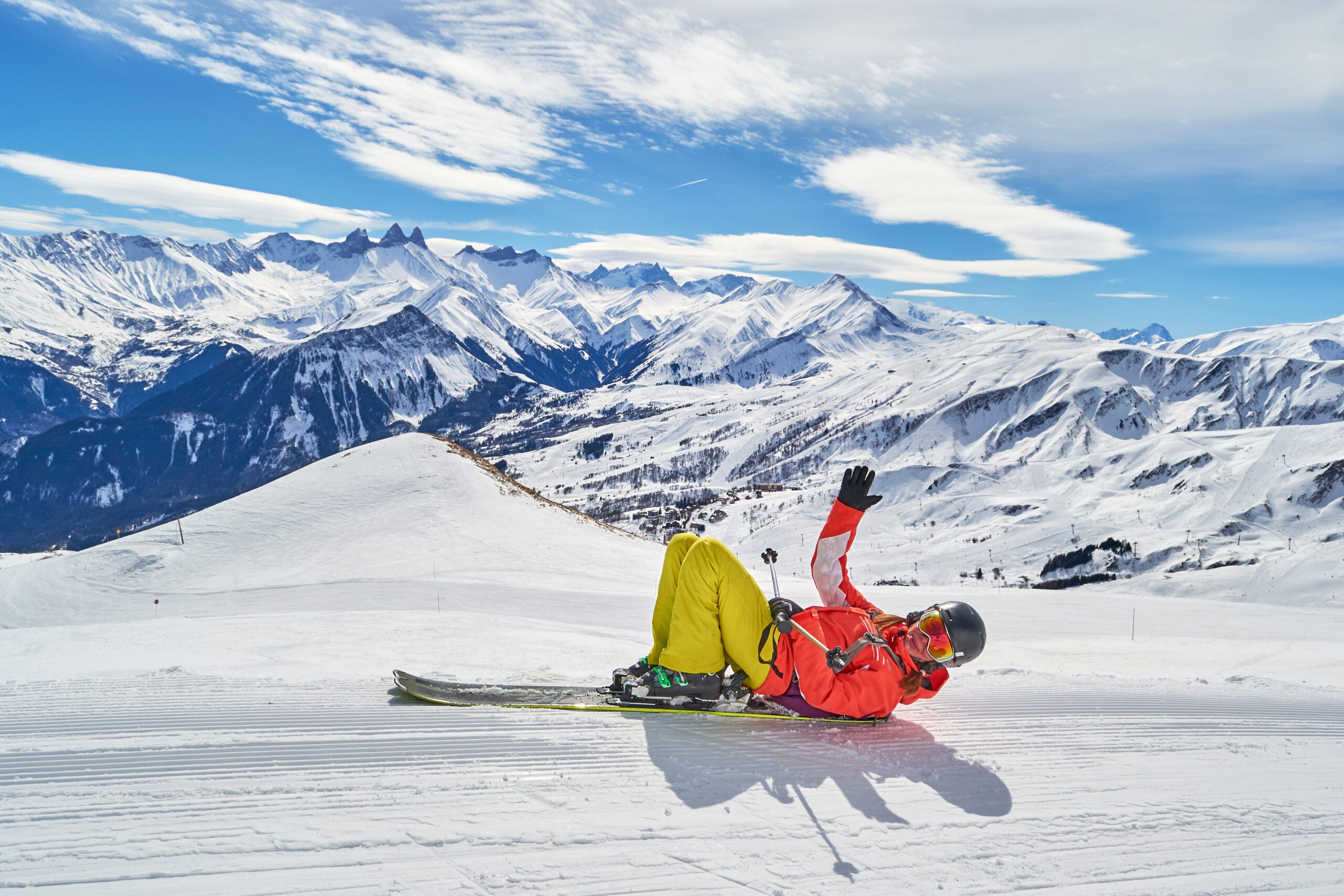
The impending ski season also triggers a significant recalibration of physical activity routines. Staircases are no longer merely conduits between floors but rather perceived training opportunities. Squats, lunges, and wall sits become integral parts of daily routines, often integrated into commercial breaks during television viewing. Resistance bands are unearthed from storage, and the commitment to preseason workouts, often initiated with good intentions in the spring, is finally put into practice.
This renewed focus on physical preparation stems from a collective memory of the physical demands of skiing. While the lungs may recover quickly and skiing technique often returns with surprising speed, the quadriceps and stabilizing muscles frequently bear the brunt of early-season exertion. The ambition for the current season is to arrive at opening day with a foundation of strength and cardiovascular endurance that rivals that of seasoned mountaineers, thereby mitigating the inevitable muscle soreness and enhancing overall performance. The NSAA also reports a 15% increase in gym memberships and personal training inquiries during the fall months in ski resort towns.
The Gear Acquisition Syndrome: Treating Sales Like Prime Time
The pre-season period is also marked by an intensified engagement with sales and promotions related to ski and snowboard equipment. What might have begun as casual browsing quickly escalates into a meticulous comparison of technical specifications, such as shell fabric breathability and waterproof ratings. Debates about the continued relevance of existing ski models and the necessity of new goggles become commonplace. The old goggles, often plagued by fogging issues, serve as a convenient justification for a new purchase.
This annual gear refresh is a ritualistic component of the ski season’s arrival. Multiple browser tabs are dedicated to comparing prices and reading reviews for essential items like jackets and gloves. The conviction that the "right pair of mittens" can fundamentally alter one’s on-mountain experience is a common, albeit often exaggerated, belief. The prospect of heated mittens, once a luxury, is now viewed as a practical necessity. While existing gear may be perfectly functional, the allure of new equipment represents the promise of a fresh start and the excitement of the upcoming season. This phenomenon has a significant economic impact, with industry reports indicating a substantial spike in outdoor gear sales during the fall months, often exceeding 20% compared to summer.
The Alpine Dream: Planning Unaffordable Ski Vacations
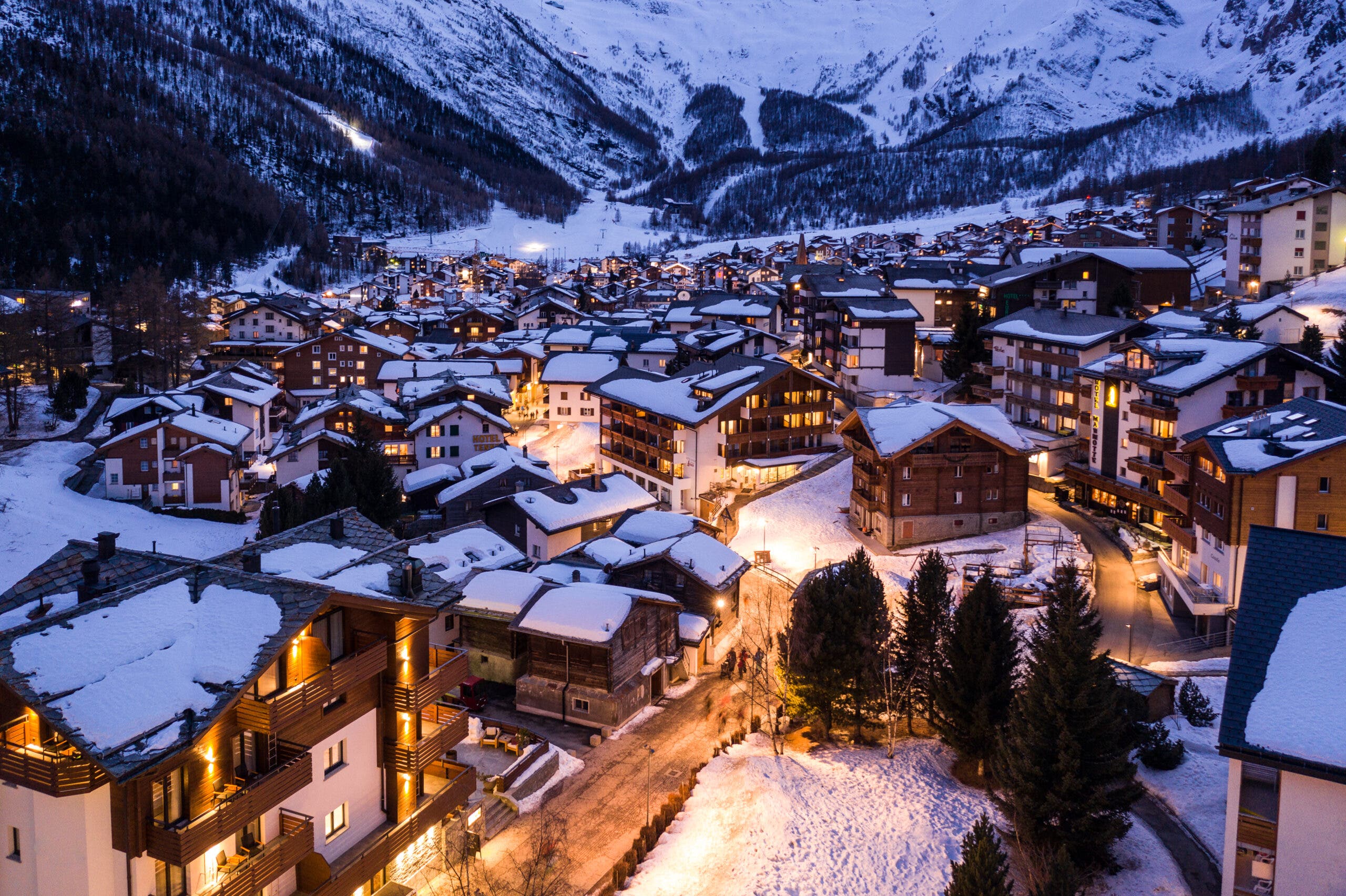
A particularly telling sign of pre-season fervor is the inclination to plan elaborate and often financially aspirational ski trips. This typically begins innocuously, perhaps sparked by an evocative image of a European alpine village. Subsequent clicks lead to browsing flights, researching accommodation options, and discreetly investigating lift ticket prices. The allure of exotic destinations, such as the Alps, often leads to the meticulous planning of extended trips, complete with complex travel arrangements and opulent lodging.

However, the stark reality of airfare, accommodation rates, and the significant daily expenses associated with ski resorts quickly surfaces, bringing these elaborate plans back to earth. The imagined slopeside chalet and the array of après-ski establishments are then replaced by a pragmatic reminder that the local mountain, while perhaps less glamorous, remains a viable and accessible option. This annual cycle of dreaming and recalibration underscores the deep-seated desire for ski travel, even if it remains in the realm of fantasy for most. Travel industry data indicates a surge in searches for international ski destinations during the fall, with a significant disconnect between search volume and actual bookings for longer, more expensive trips.
The Nuances of Snow: Developing Expert Opinions
The understanding and appreciation of snow conditions evolve significantly as ski season approaches. A simple declaration of "six inches of fresh snow" is no longer sufficient. Instead, the depth of snow is contextualized by a multitude of factors: elevation, temperature, wind direction, and aspect. The quality of snow – whether it’s "cold smoke" or a less desirable, denser accumulation – becomes a critical consideration.
Skiers begin to develop an almost meteorological intuition, analyzing the potential impact of storm systems on different aspects of the mountain. This often leads to discussions about prevailing weather patterns, such as the potential influence of El Niño or La Niña events on early-season skiing opportunities. The desire to share this specialized knowledge, and perhaps even contribute to the broader weather discourse, can be so strong that some consider becoming informal weather influencers, though the potential loss of valuable slope time often deters such pursuits. The accuracy of localized snow forecasts and the understanding of microclimates are increasingly vital for optimizing the ski experience.
The Romanticization of the Mountain Experience
Beyond the physical act of skiing, there is a profound romanticization of the entire mountain experience that takes hold in the pre-season. This encompasses the sensory details: the pre-dawn wake-up calls, the warmth of a thermos filled with coffee, the breathtaking first glimpse of snow-capped peaks, and the satisfying click of bindings securing boots to skis. The initial ascent on the first chairlift of the day, with the crisp, invigorating air and the promise of an untracked mountain, is particularly cherished.
Even the less glamorous aspects of a ski day, such as navigating crowded parking lots, the often-difficult process of fitting children into ski boots, and the lunchtime scramble for seating, begin to appear more appealing in retrospect. The prospect of après-ski gatherings – enjoying a cold beverage or a warm drink with friends while recounting the day’s highlights – also contributes to this idealized vision. This nostalgic idealization often contrasts sharply with the realities of mid-season fatigue and traffic congestion, suggesting that distance and anticipation enhance the perceived charm of the ski experience.
Skiing as a Chronological Benchmark
The approaching ski season often becomes a de facto unit of time measurement. Events are routinely scheduled in relation to opening day, the first planned ski trip, or the arrival of season pass bills. Social invitations are evaluated based on their potential to interfere with skiing opportunities. The mental calculus of how many ski days can be squeezed in before the holidays becomes a recurring exercise.
A peculiar phenomenon emerges where household chores and non-essential tasks are deferred indefinitely, with the justification that they can be addressed "after ski season ends." This prioritization elevates skiing above almost all other commitments, including timely home maintenance. The foreseeable weekends become exclusively dedicated to the pursuit of snow sports, regardless of other pressing obligations. This temporal recalibration highlights the profound impact that the ski season has on the lives and planning of dedicated enthusiasts.
The Inevitable Countdown to Opening Day
The ultimate confirmation of ski season’s imminent arrival is the palpable excitement surrounding the announcement of the first resort’s opening date. This news is often met with the fervor typically reserved for major sporting events. The subsequent monitoring of snowmaking progress, scrutinizing new photographic updates from the mountain, and refreshing lift status pages become standard pre-opening rituals.
Despite the understanding that early-season conditions may be limited—perhaps featuring only a single open run or areas with thinner snow coverage—the enthusiasm remains undimmed. The belief that skiing is akin to riding a bicycle, with skills instantly recalled, fuels this eagerness. This period of intense anticipation culminates in the collective return to the slopes, marking the definitive commencement of the winter sports calendar. The anticipation for opening day, and the subsequent embrace of the season’s challenges and joys, underscores the enduring appeal of skiing and snowboarding.
