

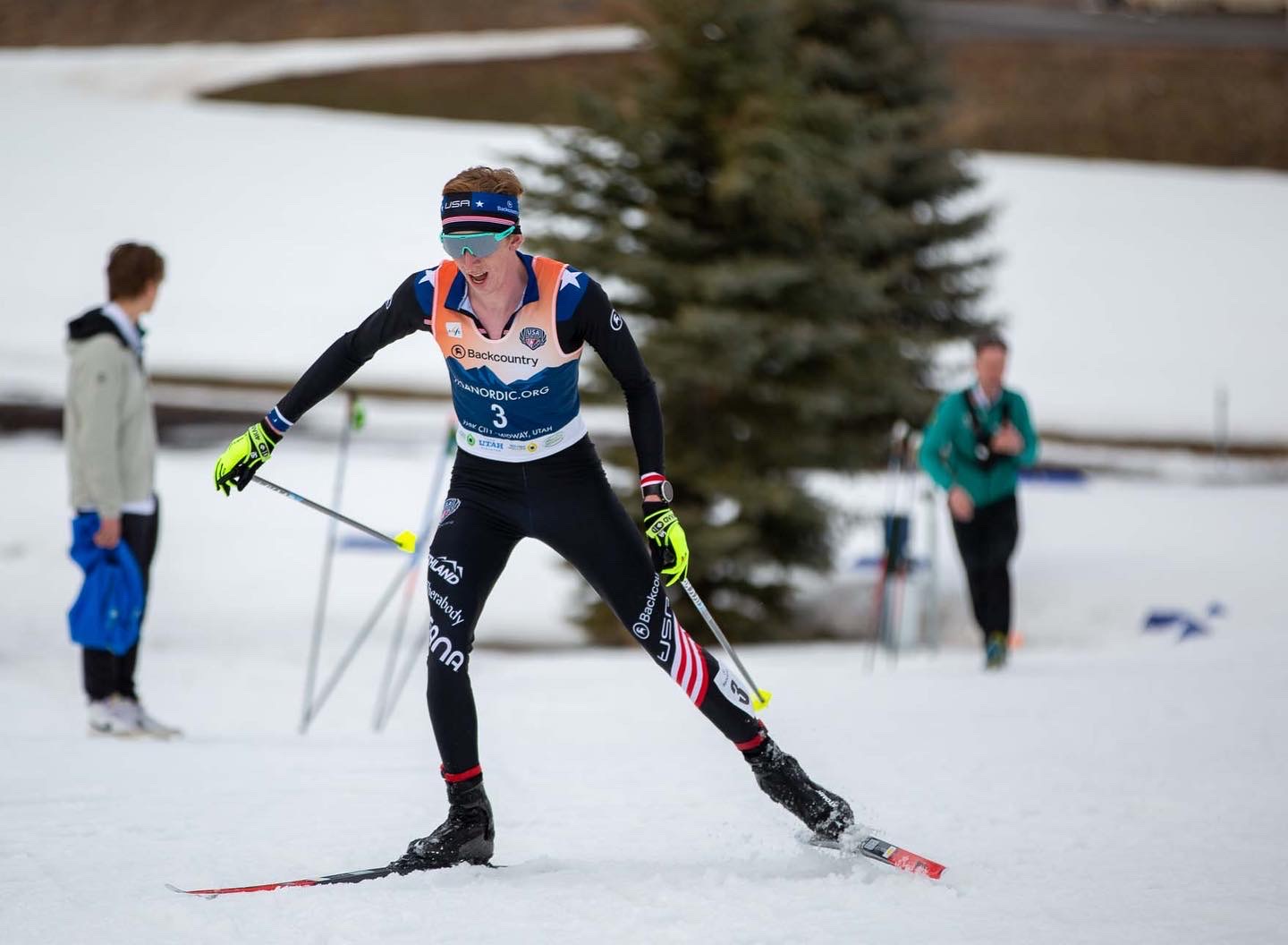
The 2024 United States presidential election has catalyzed a significant professional shift for Jared Shumate, a 2022 Winter Olympian and prominent advocate for environmental conservation. Following the electoral victory of Donald Trump, Shumate announced his decision to return to academia to pursue a Master’s in Public Policy. This move signifies a transition from grassroots advocacy and professional athletics toward a more formalized role in the legislative and regulatory arenas. Shumate, whose background includes a degree in geography and environmental science, cited the projected changes in federal environmental oversight as the primary impetus for his decision. The athlete’s trajectory reflects a broader trend within the outdoor recreation community—a demographic often referred to as the "Outdoor State"—which has become increasingly mobilized in response to federal policy shifts regarding public lands and climate mitigation.
Chronology of an Electoral Realization
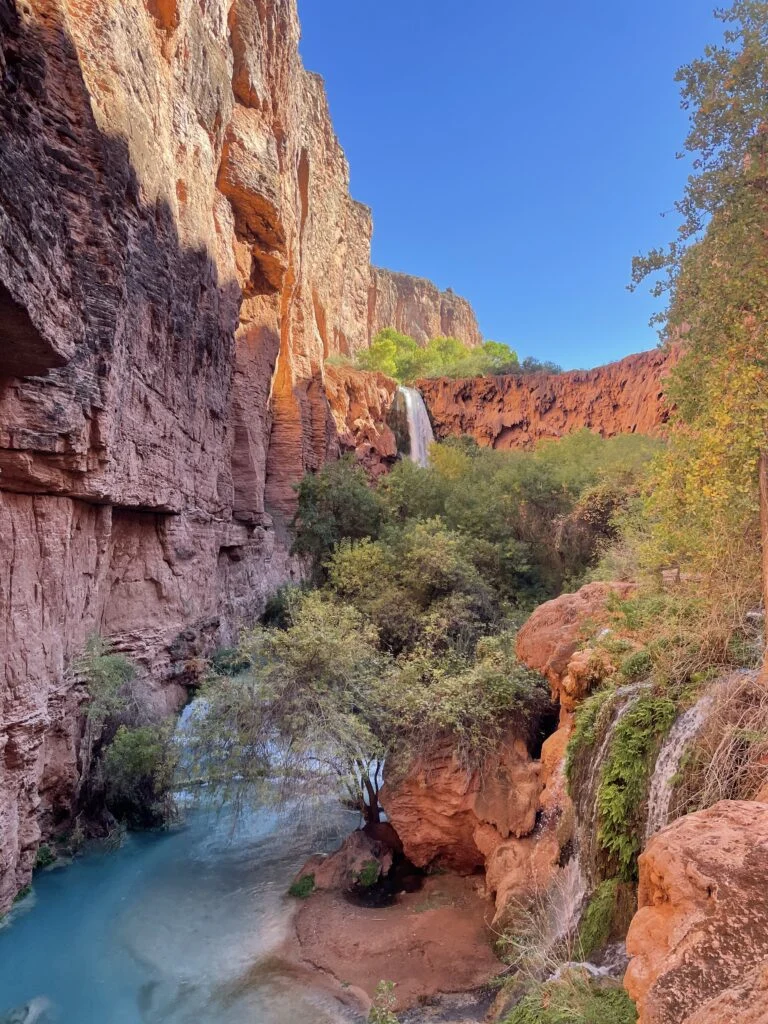
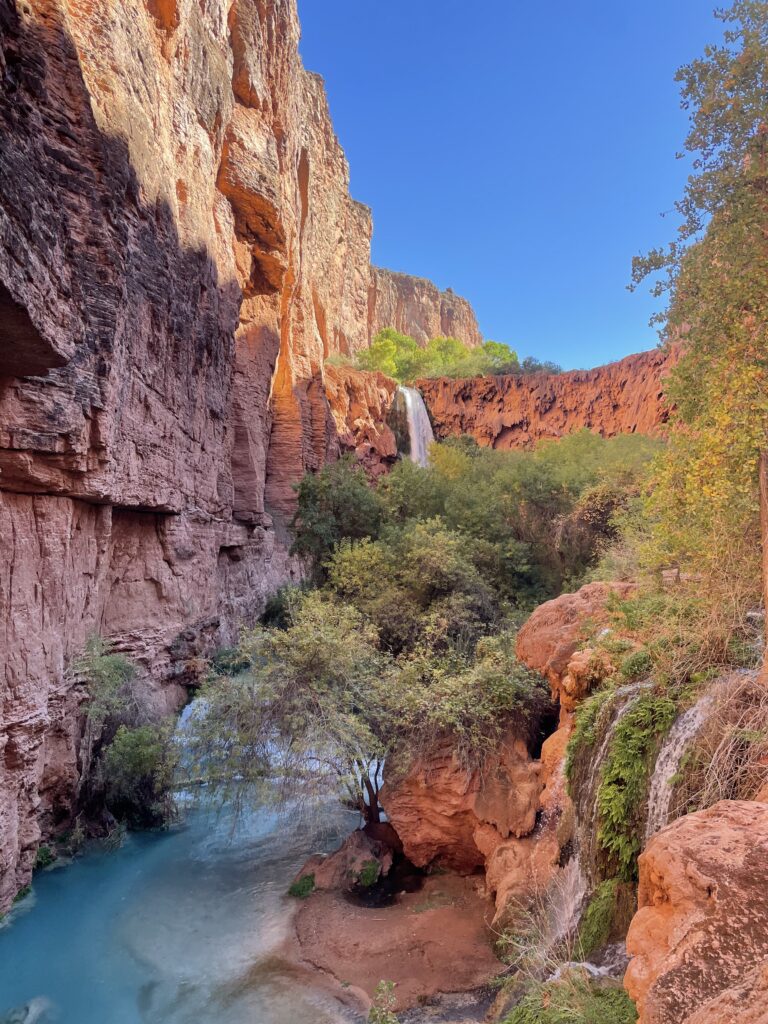
The timeline of Shumate’s decision-making process began in early November 2024, during a period of intentional isolation from digital communication. While the United States participated in the democratic process on November 5, Shumate was navigating the remote canyon country of Arizona on a backpacking expedition. This geographical seclusion resulted in a three-day delay in his receipt of the election results. On the day of the election, Shumate remained in the wilderness, unaware of the emerging data from swing states or the eventual call of the presidency for Donald Trump.
Upon returning to a region with cellular service three days later, Shumate was confronted with the news of the Republican victory. The transition from the tranquility of protected public lands to the reality of a changing political administration prompted an immediate reassessment of his role in environmental advocacy. Despite having spent the election cycle engaging in traditional campaign activities—including door-knocking in Bozeman, Montana, and organizing voter registration drives at the University of Utah—Shumate concluded that his existing methods of influence required further academic and professional fortification. Within a short window of re-entering "civilization," Shumate committed to the pursuit of a Master’s degree, viewing specialized education as a necessary tool for the upcoming four-year term.
The Environmental Policy Context of the 2024 Election
The urgency felt by Shumate and organizations like Protect Our Winters (POW) is rooted in the anticipated policy reversals of the second Trump administration. During his first term, President Trump oversaw the removal of nearly 100 environmental rules. According to data tracked by the Brookings Institution and the Harvard Law School Environmental & Energy Law Program, these rollbacks targeted a wide array of protections, including the Waters of the United States (WOTUS) rule and the Clean Power Plan.
The 2024 platform suggests a continuation and expansion of these priorities. Key areas of concern for environmental advocates include:
- The Environmental Protection Agency (EPA): Potential restructuring of the agency to reduce its regulatory authority over greenhouse gas emissions and industrial pollutants.
- Public Lands and Extraction: A renewed focus on "energy independence" through the expansion of oil and gas leasing on federal lands, including areas previously designated for conservation or as national monuments.
- The Antiquities Act: Potential challenges to the size and scope of national monuments, particularly in the American West, which could open formerly protected areas to mining and infrastructure development.
- International Agreements: The possibility of a second withdrawal from the Paris Agreement, which would shift the U.S. away from international climate commitments.
For Shumate, who has observed the thinning of snowpacks and the degradation of alpine ecosystems firsthand during his career as a Nordic Combined skier, these policy shifts represent an existential threat to his sport and the landscapes that support it.
The Economic Power of the Outdoor State
Shumate’s call for action is directed toward the "Outdoor State," a term used to describe the collective of approximately 181 million Americans who participate in outdoor recreation annually. This demographic is not merely a social group but a significant economic engine. According to the 2023 report from the U.S. Bureau of Economic Analysis (BEA), the outdoor recreation economy accounts for 2.2% of the total U.S. Gross Domestic Product (GDP), contributing approximately $1.1 trillion in gross output.
This sector supports nearly 5 million jobs across the country, ranging from manufacturing and retail to travel and tourism. In states like Utah and Montana—where Shumate has lived and campaigned—the outdoor economy is a cornerstone of the regional financial structure. Advocates argue that the protection of public lands is not solely a matter of conservation but a prerequisite for economic stability. When public lands are diverted for extractive industries, it often creates a conflict with the long-term sustainability of the recreation industry, which relies on pristine environments to attract visitors and residents.
From Athlete to Advocate: The Role of Protect Our Winters
Throughout his career, Shumate has collaborated with Protect Our Winters, a non-profit organization founded by professional snowboarder Jeremy Jones in 2007. POW has successfully bridged the gap between the professional sports world and the political sphere, training "athlete-ambassadors" to lobby in Washington, D.C., and engage with local governments.
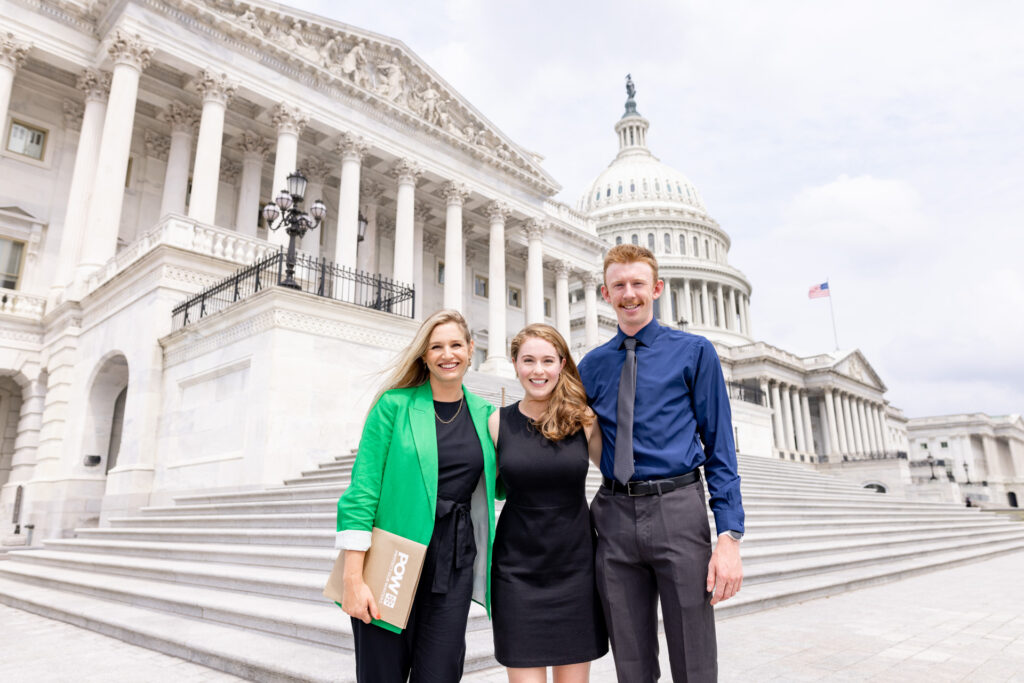
Shumate’s involvement with POW provided him with initial exposure to the complexities of federal policy. He participated in "Lobby Days" on Capitol Hill, meeting with lawmakers to discuss the impact of climate change on the winter sports industry. However, his decision to pursue a Master’s in Public Policy suggests a recognition that the "messenger" role of the athlete, while valuable for raising awareness, may be enhanced by a deeper understanding of the technicalities of legislation.
"Turning apathy into action meant realizing that my frustration with the election results wasn’t going to change anything," Shumate noted in a statement regarding his transition. This sentiment reflects a broader strategy within the environmental movement to move beyond protest and toward the development of "policy experts" within their own ranks.
Analysis of the 2024-2026 Political Landscape
The transition to a second Trump administration occurs at a pivotal moment for U.S. climate policy. The Inflation Reduction Act (IRA), passed under the Biden administration, represents the largest investment in climate and energy in American history. A significant portion of Shumate’s future study and advocacy will likely focus on the defense of the IRA’s provisions, which include tax credits for renewable energy and incentives for domestic electric vehicle manufacturing.
The legislative branch will play a crucial role in the coming years. While the executive branch holds significant power over federal agencies like the EPA and the Department of the Interior, the budgetary and oversight powers of Congress remain a check on radical policy shifts. This context underscores Shumate’s emphasis on the upcoming midterm elections in 2026. Historically, the party in the White House often loses seats during the midterms, providing an opportunity for the opposition to regain influence over the legislative agenda.
For the "Outdoor State," the midterms represent a chance to support candidates who prioritize land conservation and climate resilience. Shumate’s academic pursuit is timed to coincide with this cycle, potentially allowing him to apply his studies to real-world advocacy as the 2026 elections approach.
Official Responses and Industry Reactions
While the Trump transition team has not commented specifically on Shumate’s individual decision, the broader administration platform emphasizes a "return to pragmatism" in environmental policy, arguing that deregulation will lower energy costs and stimulate economic growth. Proponents of the administration’s plan suggest that the "Outdoor State" will benefit from a stronger overall economy, even if specific environmental regulations are eased.
Conversely, environmental law experts have expressed concern over the potential for "regulatory capture," where agencies are influenced by the industries they are meant to oversee. In this environment, the role of educated advocates like Shumate becomes critical. Legal analysts suggest that the next four years will see an increase in litigation brought by environmental groups to challenge executive orders and agency rulemakings. By gaining a Master’s in Public Policy, Shumate positions himself to contribute to the data-driven and legal frameworks required to sustain these challenges.
Broader Implications for Athlete Activism
Jared Shumate’s decision to return to school is part of an evolving narrative regarding athlete activism. In previous decades, professional athletes were often discouraged from taking political stances for fear of alienating fans or sponsors. However, the "shut up and dribble" (or "shut up and ski") era has largely given way to a model where athletes use their platforms to address systemic issues.
In the case of winter athletes, the activism is uniquely tied to their professional survival. As global temperatures rise, the window for winter sports is shrinking. Data from the National Ski Areas Association (NSAA) indicates that shorter seasons and unpredictable weather patterns are already impacting the profitability of ski resorts. By pursuing a degree in public policy, Shumate is demonstrating a long-term commitment to the sport that extends beyond his own competitive years.
Conclusion: The Path Forward
Jared Shumate’s journey from the remote canyons of Arizona to the halls of a public policy graduate program serves as a microcosm of the current state of American environmentalism. It is a transition defined by the rejection of apathy and the embrace of specialized knowledge as a form of resistance and construction.
As the second Trump administration begins its tenure, the focus of the environmental movement is shifting toward the local and state levels, as well as the preparation for future federal cycles. Shumate’s academic endeavor reflects a strategic investment in the future of the "Outdoor State." Whether through making a phone call to a congressperson, knocking on doors, or pursuing advanced degrees, the emphasis remains on sustained engagement. For Shumate, the 2024 election was not the end of a campaign, but the beginning of a more rigorous chapter in his advocacy for the natural world.
