

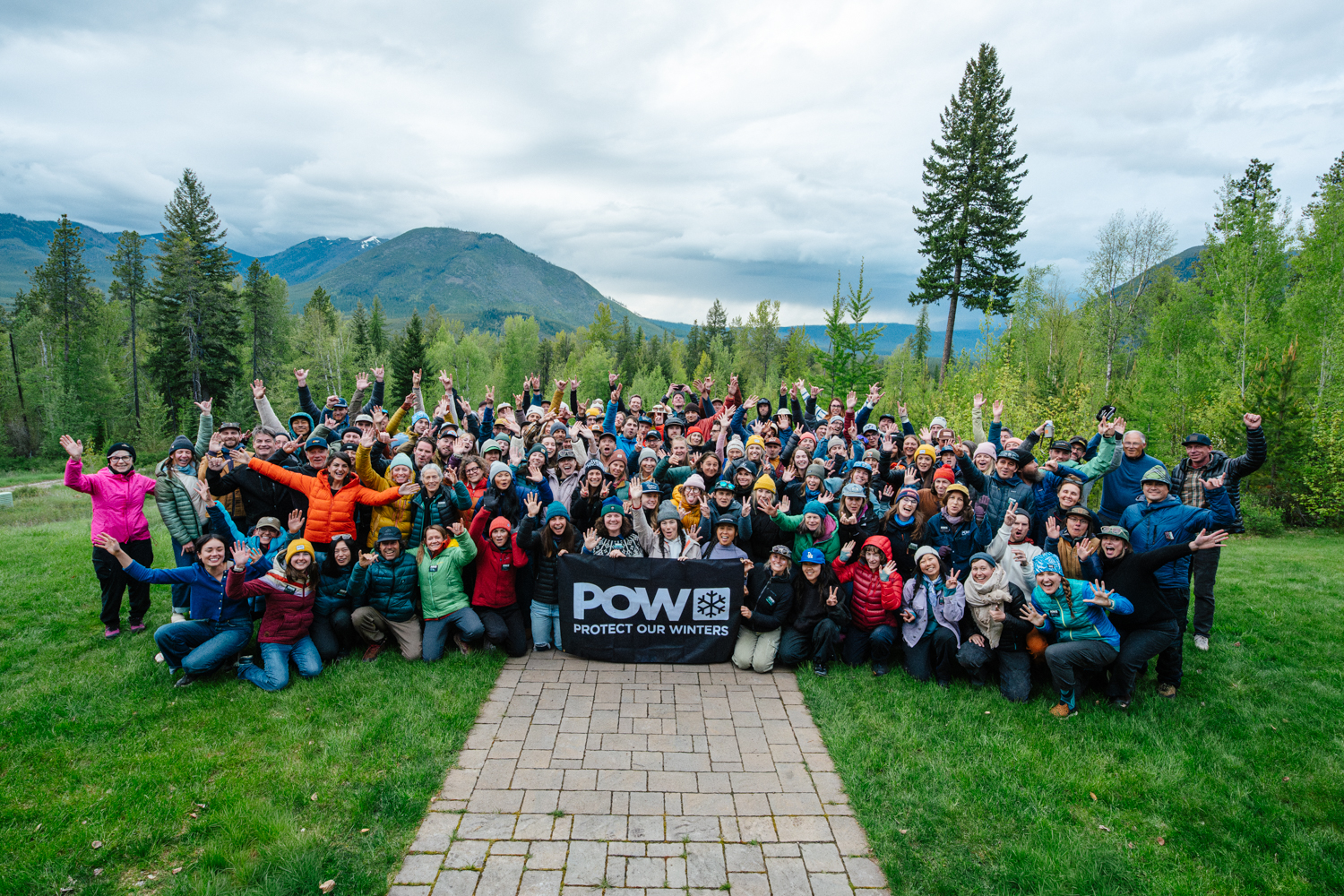
The intersection of outdoor recreation and climate policy has traditionally been viewed through the lens of high-profile athletes and national legislative battles. However, a strategic shift is occurring within the environmental advocacy sector as organizations like Protect Our Winters (POW) decentralize their operations to focus on municipal and regional governance. Through its newly expanded Chapter Program, POW is mobilizing a demographic often referred to as the "Outdoor State"—a collective of 50 million trail runners, skiers, and cyclists—to influence local energy boards, city councils, and state-level utility commissions. This movement transitions the focus from broad federal mandates to the granular decisions that dictate local energy grids and public land management.
The Strategic Shift Toward Localism in Climate Advocacy
Protect Our Winters, founded in 2007 by professional snowboarder Jeremy Jones, has historically leveraged the cultural capital of the outdoor industry to lobby for federal climate action. While national efforts remain a cornerstone of the organization’s mission, the Chapter Program represents a tactical evolution. By installing field organizers in key regions—including the White Mountains of New Hampshire, the Gallatin Valley in Montana, the Western Slope of Colorado, and the Truckee-Tahoe region of California and Nevada—POW is addressing the "participation gap" in local civic processes.
The logic behind this localized approach is rooted in the immediate impact of regional decision-making. According to data from the Bureau of Economic Analysis (BEA), the outdoor recreation economy accounts for $1.1 trillion in gross economic output and supports nearly 5 million jobs in the United States. This economic engine is increasingly threatened by climate instability, including reduced snowpack, shorter winters, and increased wildfire frequency. Field organizers argue that while national legislation often stalls in partisan gridlock, local advocacy can yield tangible results in shorter timeframes, particularly regarding clean energy infrastructure and municipal sustainability goals.
Profiles in Field Organizing: Regional Perspectives and Priorities
The success of the Chapter Program relies on field organizers who bridge the gap between outdoor enthusiasts and policy-making bodies. These individuals are tasked with translating complex regulatory filings, such as Integrated Resource Plans (IRPs) and zoning ordinances, into actionable community initiatives.
New England: Building Capacity in the White Mountains
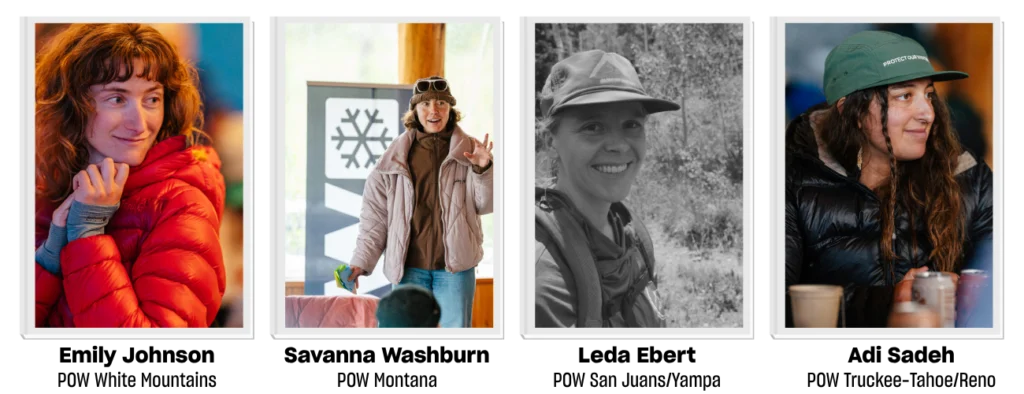
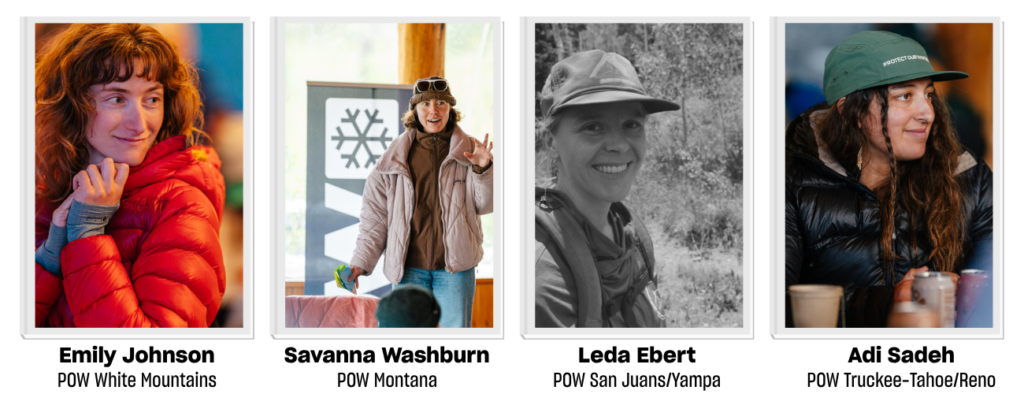
In New Hampshire, Emily Johnson leads the White Mountains chapter, focusing on a region where the winter tourism industry is a primary economic driver. Johnson, a Farmington native with a background in backcountry skiing and bikepacking, emphasizes the empowerment found in small-scale victories. A significant milestone for this region occurred in early 2024 when the POW Action Fund supported the election of Laurel Boivin to the New Hampshire Electric Cooperative’s (NHEC) Board of Directors. Boivin, an energy policy expert, represents a shift toward modernizing rural electric grids. Johnson notes that in New England, where local governance is often conducted through town meetings and small boards, individual voices carry disproportionate weight.
Montana: Navigating Utility Regulation and Energy Planning
In the Gallatin Valley, Savanna, a lifelong Montanan, manages advocacy efforts focused on the state’s energy future. Her work primarily centers on NorthWestern Energy’s Integrated Resource Plan (IRP), a 20-year roadmap for the state’s electricity generation. The current plan has faced criticism from environmental groups for its continued reliance on coal and gas despite a corporate pledge to reach net-zero emissions by 2050. Savanna’s strategy involves "movement building as an antidote to apathy," which includes hosting community events that combine outdoor activities, such as bike rides, with public comment workshops. This approach aims to demystify technical planning documents that have significant long-term implications for utility rates and carbon output.
Colorado: Advancing Renewable Infrastructure on the Western Slope
Leda, based on Colorado’s Western Slope, oversees the San Juan and Yampa Valley chapters. Her work highlights the critical role of local zoning in the transition to renewable energy. A notable recent victory in La Plata County involved the lifting of a moratorium on Battery Energy Storage Systems (BESS). These systems are essential for stabilizing grids that rely on intermittent solar and wind power. Leda highlights that rural electric cooperative elections can be decided by fewer than ten votes, illustrating the high impact of localized voter turnout. Her focus remains on expanding clean energy projects in Montezuma and Routt counties, where nearly 500 MW of renewable capacity is currently under consideration.
Nevada and California: Clean Energy and Voter Mobilization in Truckee-Tahoe
Adi, an organizer for the Truckee-Tahoe and Reno regions, focuses on the intersection of clean energy and civic engagement. In April 2024, the Reno chapter successfully advocated for the TregoGrid project, which will integrate 200 MW of battery storage into the regional grid. As the 2024 midterm elections approach, Adi’s priority has shifted toward voter turnout in California’s 3rd Congressional District (CD3), a region where environmental policy is a central campaign issue. The Tahoe chapter’s "Run to the Polls" initiatives represent the final stage of POW’s advocacy funnel: converting outdoor enthusiasts into active voters.
Chronology of Recent Milestones in the POW Chapter Program
The growth of the Chapter Program can be traced through several key developments over the 2024 calendar year:
- January – March 2024: Expansion of the New England chapter network and successful mobilization for the NH Electric Coop board elections.
- April 2024: Approval of the TregoGrid battery storage project in Nevada following a sustained public comment campaign by the Reno chapter.
- June – July 2024: Launch of community-led "comment workshops" in Montana to address NorthWestern Energy’s 20-year IRP.
- August 2024: Lifting of the BESS moratorium in La Plata County, Colorado, following local advocacy efforts.
- September 2024: Inaugural meeting of the White Mountains Chapter and the transition toward "Get Out the Vote" (GOTV) operations for the November elections.
The "Outdoor State" as a Political Force: Data and Analysis
The strategic importance of the POW Chapter Program is underscored by the sheer scale of the outdoor recreation community. If the "Outdoor State" were a U.S. state, its population would exceed that of California. Furthermore, the economic impact of this sector is more than double that of the motor vehicle manufacturing industry. Despite this, the community has historically been underrepresented in local governance.
Field organizers argue that local advocacy is where "voting power stretches the furthest." Data from municipal elections across the Intermountain West and New England shows that voter turnout in local races often falls below 20%. In such environments, a small, organized group of advocates can exert significant influence over city councils and utility boards. This is particularly relevant for the transition to a clean energy economy, as approximately 70% of the decisions regarding where renewable energy projects are built happen at the county or municipal level.
Implications for Future Climate Policy
The decentralization of climate advocacy through programs like POW’s Chapters suggests a broader trend in the environmental movement. As federal climate policy remains subject to the volatility of national politics, local and state-level actions are becoming the primary drivers of decarbonization. The work of field organizers in New Hampshire, Montana, Colorado, and Nevada demonstrates that when individuals connect their passion for the outdoors with the mechanics of local government, the result is a more resilient and responsive civic infrastructure.
For the outdoor industry, this movement represents a maturation of its political voice. No longer content with merely "raising awareness," organizations are now training their members to become technical advocates capable of speaking at Public Service Commission hearings and drafting letters to the editor. This professionalization of grassroots advocacy ensures that the interests of the outdoor economy are represented in the rooms where the future of the American energy grid is being decided.
The upcoming months will serve as a test for this model as chapters across the country pivot toward election season. The goal, according to the organizers, is to ensure that the energy found on the trails and slopes is translated into a sustained presence at the ballot box and in the town hall. As Emily Johnson of the White Mountains chapter notes, "You don’t have to be an expert to be an advocate; the most powerful tool you have is your story." By scaling these stories through a national network of local chapters, Protect Our Winters is attempting to build a durable political constituency capable of protecting the landscapes that define the outdoor experience.
