

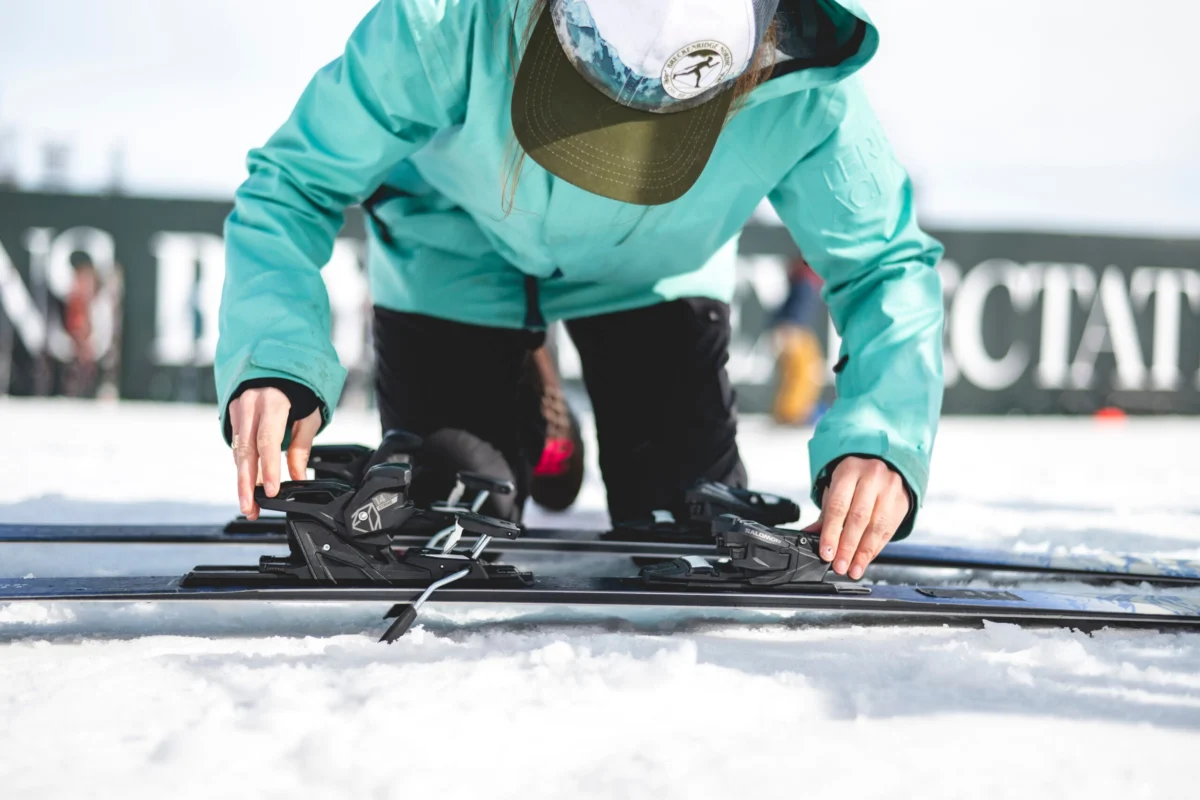
As the 2027 ski season approaches, the market for ski bindings continues to evolve, offering a sophisticated array of options designed to meet the diverse needs of skiers, from dedicated resort enthusiasts to intrepid backcountry explorers. Far from being a mere accessory, ski bindings represent a critical interface between boot and ski, dictating both performance on the snow and, crucially, skier safety. This year’s lineup showcases significant advancements in materials science, release mechanisms, and multi-norm compatibility, reflecting broader industry trends towards enhanced versatility and user-centric design.
The Evolving Landscape of Ski Binding Technology
The history of ski bindings is a testament to continuous innovation, driven by the dual imperatives of safety and performance. Early bindings, often simple leather straps, offered minimal retention and virtually no release mechanism, leading to a high incidence of injuries. The mid-20th century saw the introduction of mechanical bindings with toe and heel units designed to release during a fall, dramatically improving safety. Over decades, these designs were refined, incorporating advancements like lateral toe release, vertical heel release, and anti-friction devices (AFDs) to ensure more predictable and consistent disengagement.
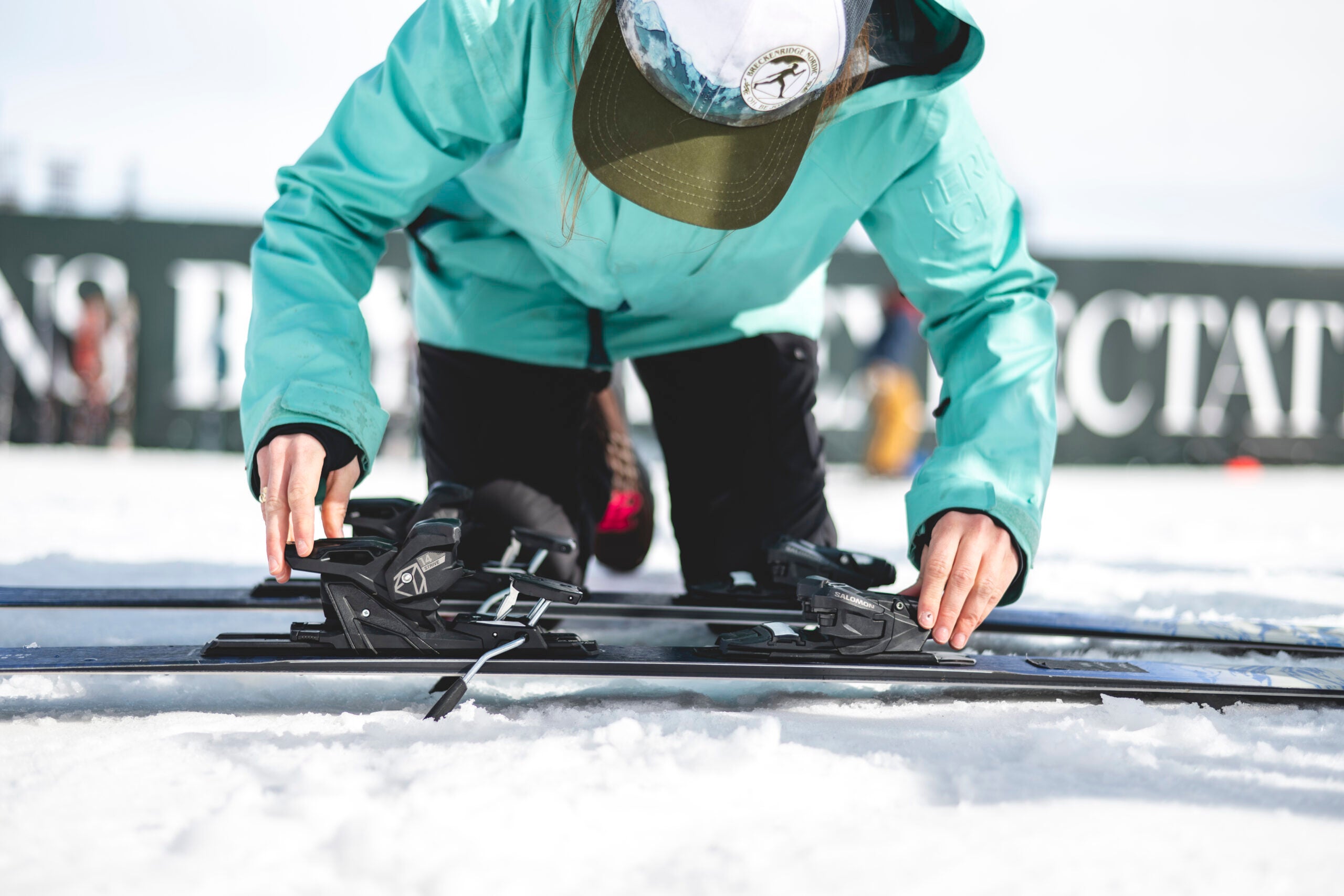
The 21st century has brought a new wave of innovation, largely fueled by the burgeoning popularity of backcountry skiing and the demand for equipment that can seamlessly transition between resort and touring environments. This has led to the development of "hybrid" bindings that combine the touring efficiency of pin (tech) bindings with the downhill performance and safety of traditional alpine bindings. Concurrently, the proliferation of different boot sole standards—Alpine (ISO 5355), GripWalk (GW), Walk-to-Ride (WTR), and Alpine Touring (AT/ISO 9523)—necessitated the creation of "Multi-Norm Compatible" (MNC) bindings, capable of accommodating various boot types with adjustable toe heights. These developments underpin the choices available for the 2027 season, emphasizing adaptability without compromising the core functions of power transfer and reliable release.
Key Trends Shaping the 2027 Binding Market
Several overarching trends define the 2027 ski binding market. First, enhanced versatility is paramount. Skiers increasingly seek bindings that can perform across different terrains and conditions, often with a single pair of skis. This is evident in the continued refinement of hybrid bindings and the widespread adoption of multi-norm compatibility in alpine models. Second, safety innovations remain a core focus. Manufacturers are continually working to improve release predictability, reduce knee injury risk through specialized toe and heel designs, and ensure robust retention under high-performance demands. Third, weight reduction is a critical factor, particularly for touring and hybrid models, where every gram impacts uphill efficiency. Advances in lightweight yet durable materials like forged aluminum and specialized composites are enabling lighter constructions without sacrificing integrity. Finally, improved user experience, including easier step-in, intuitive adjustments, and durable construction, contributes significantly to consumer satisfaction.
Performance-Oriented Alpine Bindings: Precision and Power for the Resort
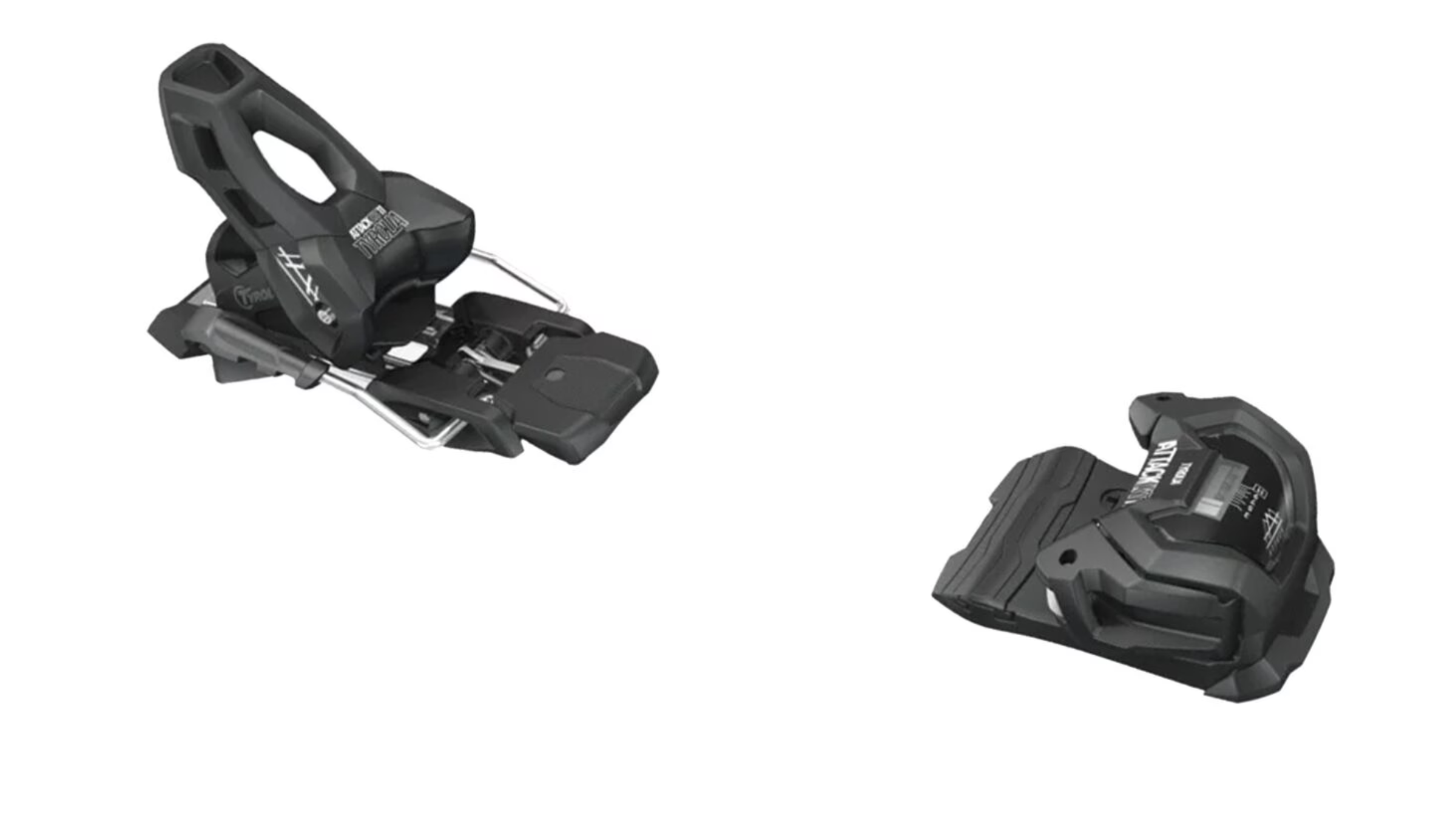
For skiers who primarily stick to groomed runs, moguls, and park features within resort boundaries, dedicated alpine bindings offer unmatched power transmission and predictable release. The 2027 collection features several standout models that cater to various skill levels and budgets.
The Tyrolia Attack LYT 11 GW emerges as a compelling option for lighter and less aggressive skiers, lauded for its exceptional value at approximately $239. This binding series, available in DIN ranges of 9, 11, and 12, boasts a featherweight design and an automatic toe height adjustment system that simplifies compatibility with both traditional Alpine (ISO 5355) and GripWalk soles. This "set-it-and-forget-it" feature is a boon for skiers who prefer minimal equipment fuss. While its lower DIN settings may not suit heavy, hard-charging individuals, its lightweight construction (937g per binding) and ease of use make it an excellent choice for intermediate skiers seeking a reliable and affordable option for everyday resort skiing.
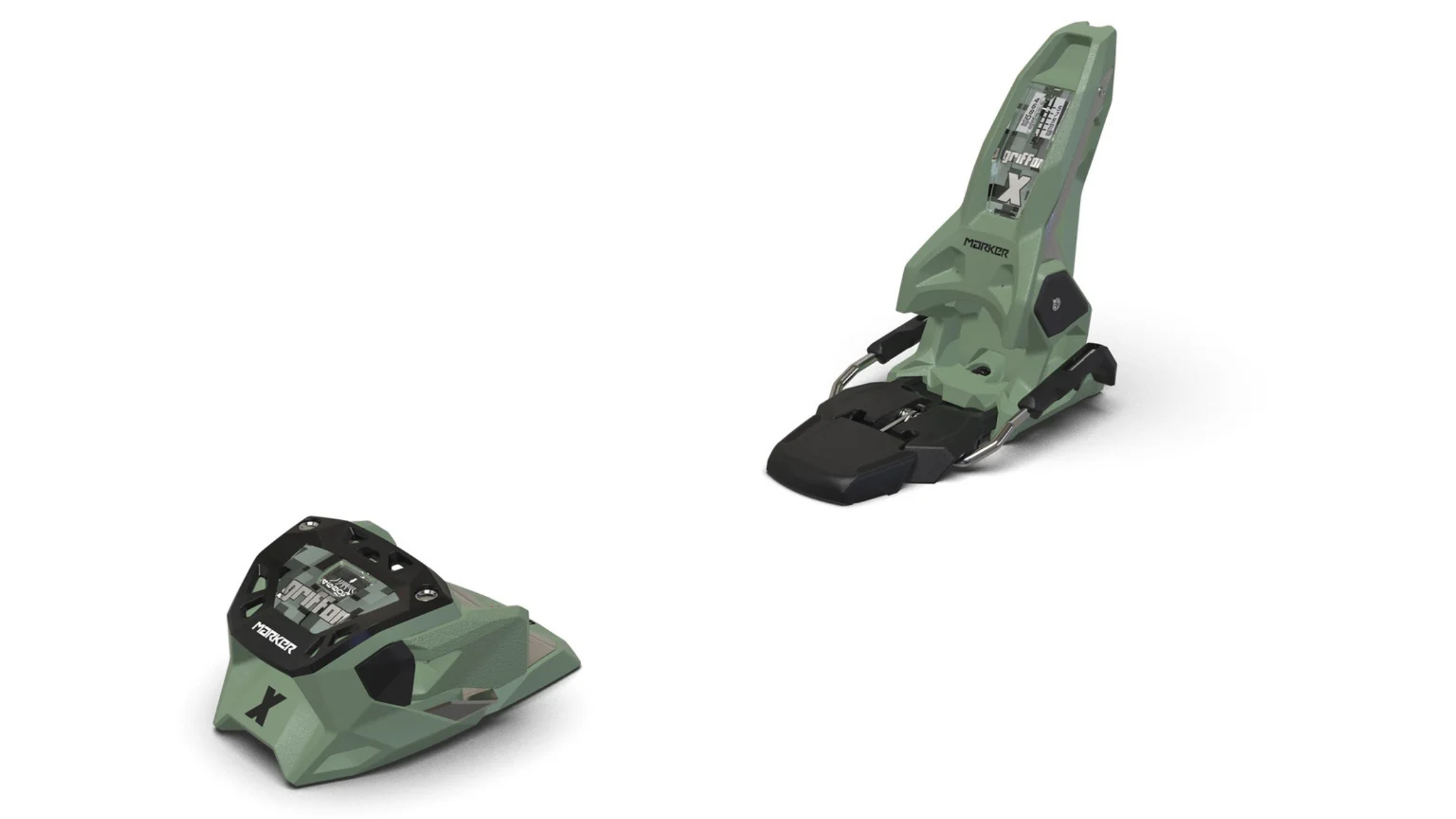
Building on a legacy of robust performance, the Marker Griffon X 13 receives a significant update for 2027, inheriting advanced design principles from Marker’s high-end MWERKS series. Priced around $300, this binding now features a remarkably lower stack height, a design enhancement proven to improve snow feel and facilitate quicker edge engagement. This direct connection to the ski allows for more immediate turn initiation and a more reactive skiing experience, a benefit particularly appreciated by advanced and expert skiers. While its housing predominantly utilizes plastic components to maintain an accessible price point, the Griffon X 13 delivers professional-grade performance for lighter or younger skiers who do not require the extreme durability of full-metal constructions or ultra-high DIN settings. Its 4-13 DIN range and compatibility with Alpine and GripWalk soles solidify its position as a go-to choice for a broad segment of resort skiers.
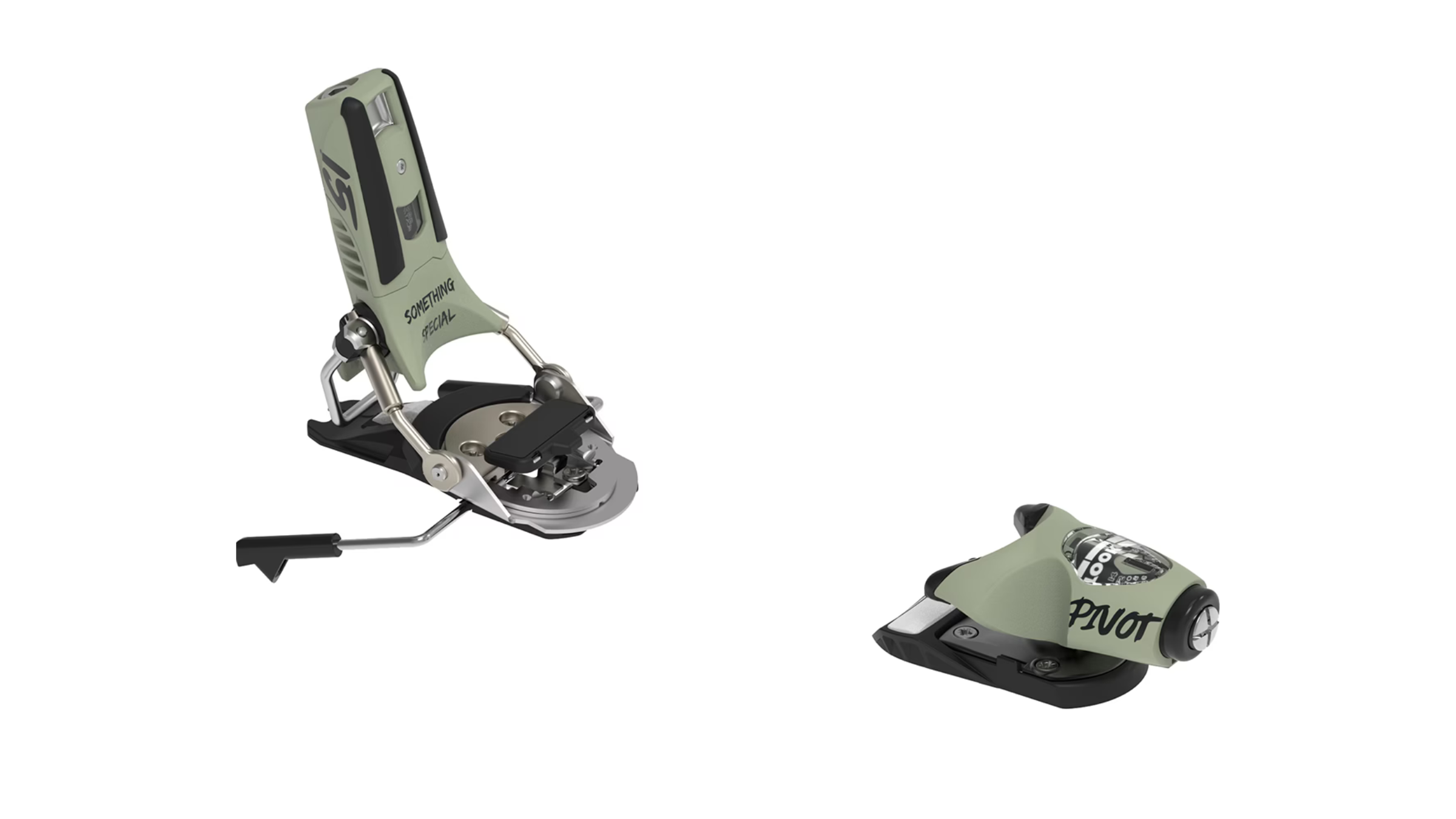
For expert skiers demanding the utmost in durability, power, and predictable release, the Look Pivot 2.0 GW continues its reign as a benchmark. With models ranging from DIN 11 to 18 and a price point of approximately $500, the Pivot 2.0 is an investment in uncompromising performance. Its iconic rotating heel tower and short mounting zone are engineered to preserve the natural flex of the ski, providing an incredibly consistent and responsive feel underfoot. The all-metal toe construction in the 18 and 15 DIN versions, combined with 28 millimeters of vertical elasticity in the heel, offers exceptional shock absorption and a "burly" construction capable of withstanding the rigors of aggressive skiing, whether in the park, deep powder, or icy bumps. While its weight (1,245g per binding) is higher than some competitors, this is a trade-off many expert skiers willingly accept for its legendary reliability and performance characteristics. The Pivot 2.0 GW is fully compatible with both Alpine and GripWalk boot soles, ensuring broad usability for its target audience.
The Rise of Versatility: Multi-Norm and Hybrid Solutions
The growing desire for a single ski setup capable of both lift-served descents and human-powered ascents has spurred significant innovation in multi-norm and hybrid binding designs. These bindings aim to bridge the gap between traditional alpine performance and touring efficiency.
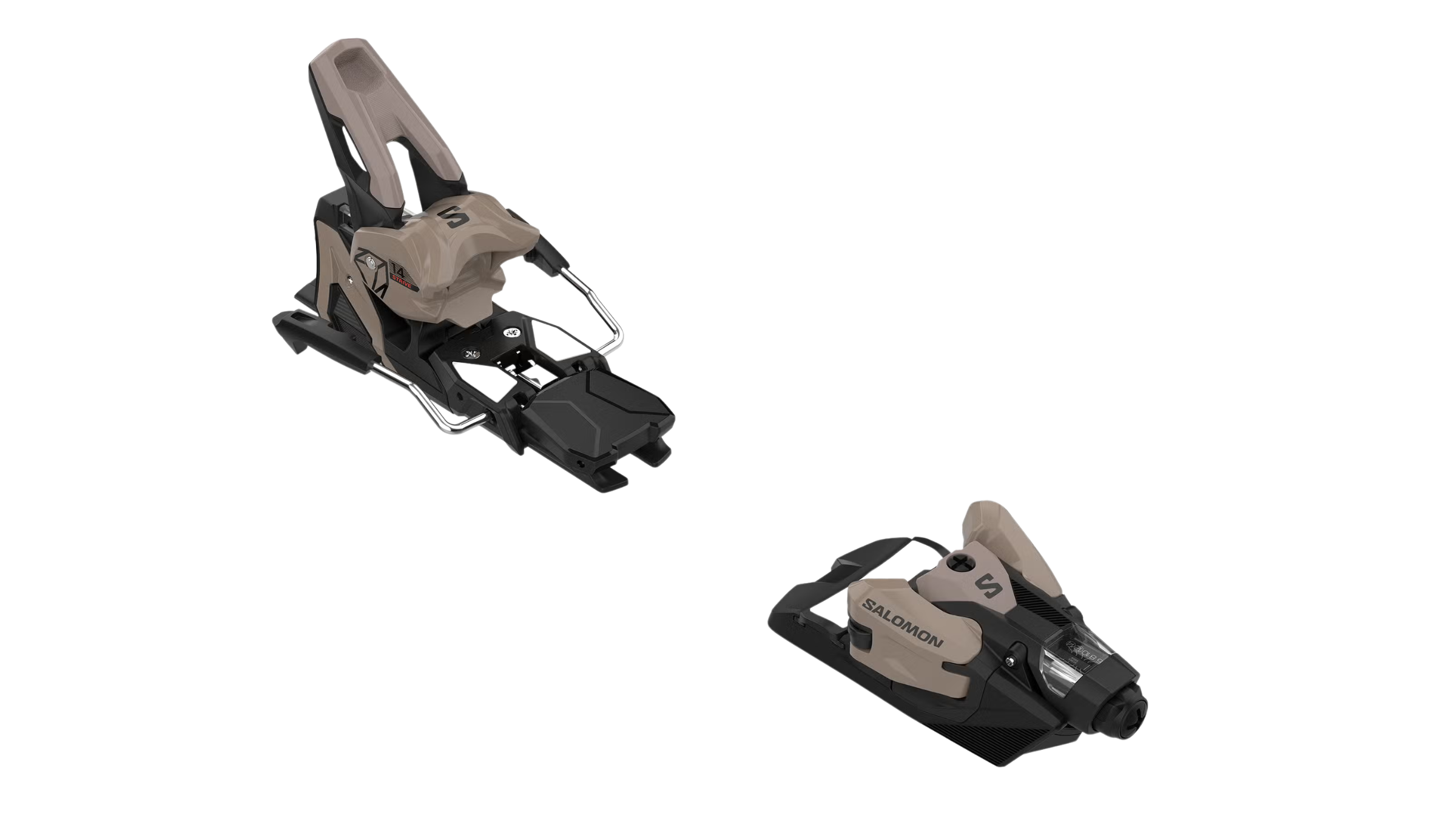
The Salomon/Atomic/Armada Strive MN stands out as the "Most Compatible" binding in the 2027 lineup, priced at approximately $300. This binding, offered in 14 and 16 DIN varieties (with identical versions from its sister brands), boasts compatibility with virtually every boot sole type: Alpine, GripWalk, and Alpine Touring (ISO 9523). It leverages the proven STH heelpiece, known for its strong retention and reliable release, paired with a sleeker toe piece derived from the Shift design. This combination delivers an energetic on-snow feel and confident power transfer. The Strive MN features a highly adjustable toe height, allowing skiers to precisely dial in the fit for rockered touring boots in an alpine setting. While this adjustability is a significant advantage for those who might swap boot types, frequent adjustments can be somewhat "fiddly" for individuals who regularly alternate between multiple pairs of boots. Its robust construction and higher DIN ranges make it suitable for heavier and more aggressive skiers who appreciate its broad compatibility for resort-focused versatility.
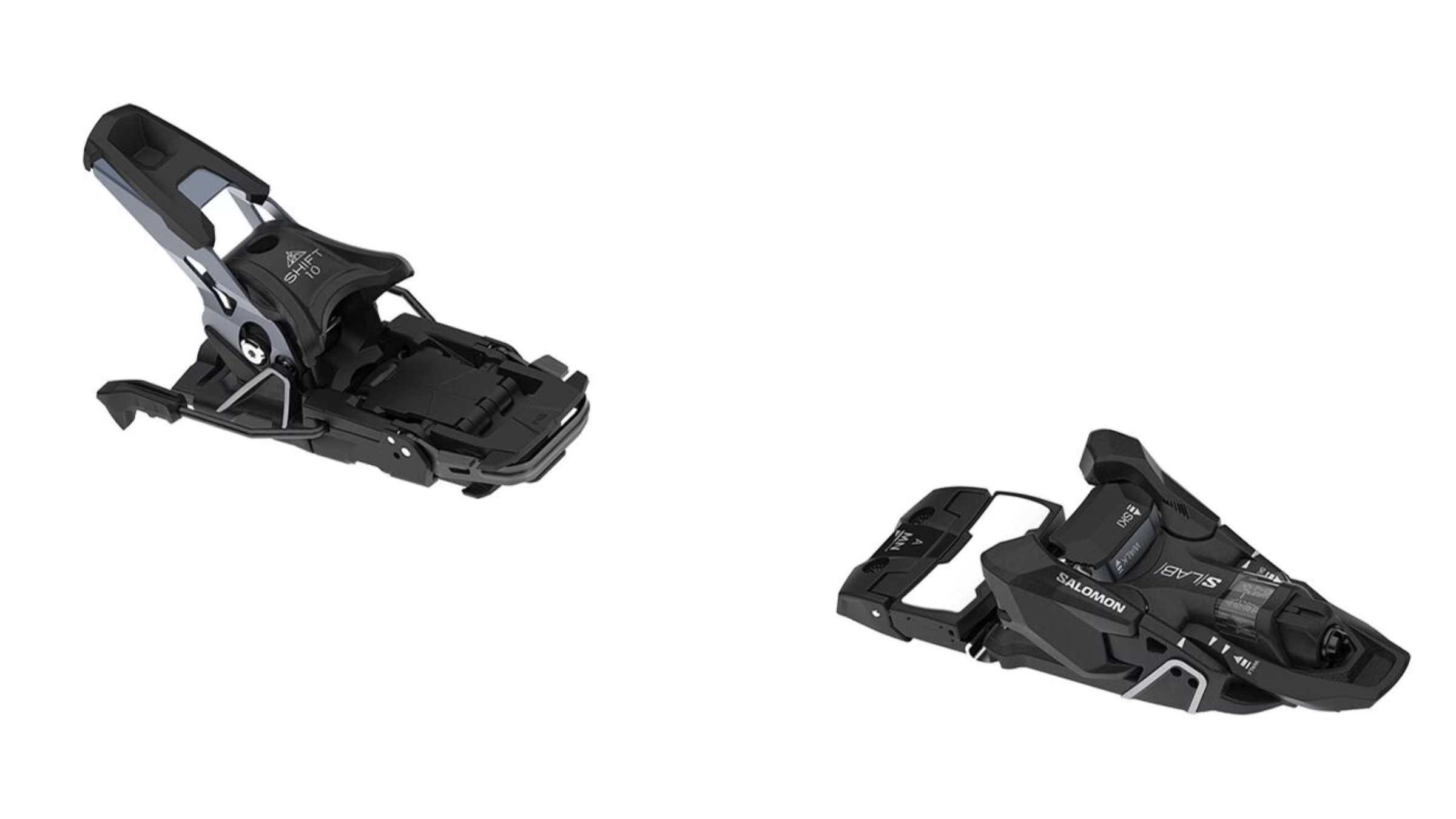
Perhaps the most significant development in the versatile category is the Salomon/Atomic/Armada Shift2 MN, representing a complete redesign aimed at addressing durability concerns from its first generation. Priced between $630 and $750, the Shift2 MN (available in 10 and 13 DIN models) is hailed as the "Most Versatile" binding. Manufacturers went back to the drawing board, reinforcing critical components like the Anti-Friction Device (AFD) and ensuring the forward pressure remains locked in place, even under extreme forces. The result is a profoundly beefed-up touring binding that performs remarkably like a dedicated alpine binding (such as the Strive) on the descent. This makes it an ideal choice for heavier skiers or those who charge hard and hit big airs both within and beyond resort boundaries. Its ability to transition from a full-featured alpine binding to a pin-tech touring binding with a simple lever mechanism is revolutionary. However, this robust construction comes with a notable weight penalty (1,210g per binding), making it one of the heavier options in its class and potentially a "weight training" experience on extended backcountry tours. The Shift2 MN supports Alpine, GripWalk, and Alpine Touring boot soles, embodying true "do-it-all" capability.
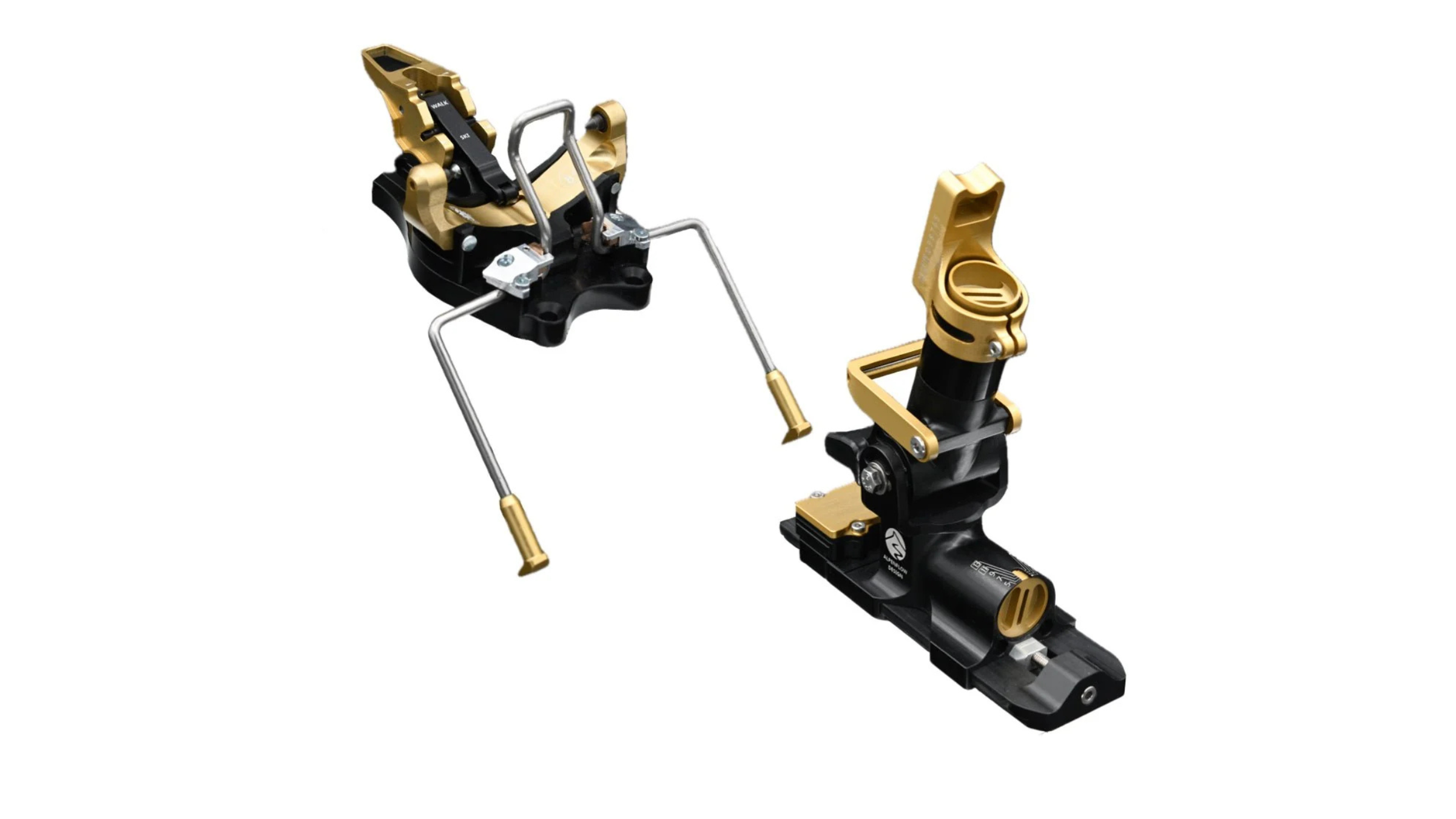
A compelling new entry shaking up the hybrid market is the Alpenflow Designs Alpenflow 89, priced at a premium of $860. This binding introduces an entirely novel concept for a touring toe piece. It combines an alpine heel (providing robust, predictable release) with a tech toe, similar to the Marker Kingpin, but with a unique twist: in ski mode, the toe pins are completely locked out until the toe’s turntable rotates fully to a dedicated release mode. This innovative design means the heelpiece solely controls both lateral and vertical release during skiing, aiming to provide the reliable safety characteristics of an alpine binding during descents. Compatible with any boot featuring tech inserts in both toe and heel (including GripWalk, WTR, and MNC soles), the Alpenflow 89 is constructed from durable metal and achieves a relatively light weight for a hybrid binding (790g per binding). This offering targets skiers who prioritize alpine-level releasability but desire a significantly lighter uphill package than traditional frame or heavy hybrid bindings. The unique toe release system will require some adaptation for users accustomed to conventional tech or alpine bindings, but its promise of robust safety in a lighter package positions it as a significant innovation.
Specialized Backcountry: The Ultralight Pin Binding
For dedicated backcountry enthusiasts, fitness-oriented ski mountaineers, and those allergic to chairlifts, ultralight pin bindings remain the gold standard for uphill efficiency.
The Dynafit Superlite 150 is recognized as the "Best Pin Binding" for 2027, priced at approximately $550. As its name suggests, this binding is ridiculously light, weighing in at a mere 150g per binding—comparable to a small onion or a few days’ worth of coffee beans. This minimal mass makes a tangible difference on long ascents, reducing fatigue and increasing overall efficiency. Despite its scant weight, the Superlite 150 boasts a forged aluminum construction, ensuring surprising durability and resilience against years of abuse. Many testers attest to its remarkably good skiing performance, even on wider skis, provided snow conditions are favorable. Its wide release range (4-13 DIN), achieved through interchangeable U-springs, makes it adaptable for a broad spectrum of skiers. Crampon compatibility further enhances its utility for firm-snow climbing. However, like many minimalist tech bindings, icing can occasionally be an issue, requiring skiers to ensure toe pins are clear of snow and ice during transitions to ensure proper engagement. The Dynafit Superlite 150 exclusively accepts boots with standard tech inserts, underscoring its specialized role as a dedicated backcountry tool.
Crucial Compatibility: Navigating Boot Sole Standards
One of the most frequent points of confusion for skiers revolves around boot and binding compatibility. Ensuring your boot sole type matches your binding is not just about functionality, but fundamentally about safety.
- Alpine (ISO 5355): These are traditional hard plastic soles, common on older alpine boots. They are compatible with most alpine bindings, and also with GripWalk and MNC bindings.
- GripWalk (GW): Introduced by Marker in 2016, GripWalk soles feature a rockered, rubberized outsole that significantly improves walking comfort and traction in parking lots and around the lodge, reducing slip-and-fall risks. Bindings marked "GW" or "GripWalk" are designed to automatically accept both GripWalk and traditional Alpine (ISO 5355) soles without manual adjustment.
- Multi-Norm Compatible (MNC): These bindings offer the highest degree of flexibility. By allowing manual adjustment of the toe height, MNC bindings can accommodate Alpine, GripWalk, WTR (Walk-to-Ride, an older rockered sole standard), and Alpine Touring (ISO 9523) soles. This adaptability is invaluable for skiers who own multiple pairs of boots or anticipate upgrading their boots in the future. However, it requires a correct adjustment for each boot type for optimal safety and performance.
- Alpine Touring (AT / ISO 9523): These are rockered rubber soles found on dedicated touring boots, typically featuring tech inserts at the toe and heel. They are compatible with tech (pin) bindings, hybrid bindings (like the Shift2 and Alpenflow 89), and MNC bindings (with proper adjustment). They are generally not compatible with standard alpine-only bindings unless those bindings are specifically labeled MNC or GripWalk with adjustable toe height.
- Tech Inserts: Small metal inserts at the toe and heel of AT boots, essential for engaging with pin bindings. Hybrid bindings like the Shift2 and Alpenflow 89 also require tech inserts in the boot toe for touring mode.
The critical takeaway is that skiers must verify the sole type of their boots against the compatibility specifications of their chosen bindings. Incorrect pairings can lead to inconsistent release values, increasing the risk of injury or pre-release.
Safety Innovations and Skier Well-being
Beyond compatibility, modern binding design significantly contributes to skier safety. Advancements in release mechanisms, such as those offering increased elasticity or multi-directional release, are designed to mitigate forces on the skier’s body during a fall. For instance, the Look Pivot’s rotating heel is renowned for its predictable release, while the increased vertical elasticity in many high-performance bindings helps absorb impacts and reduce inadvertent pre-releases.
Furthermore, the integration of new materials and manufacturing techniques allows for stronger, more reliable components that maintain their integrity under stress, contributing to consistent performance throughout the binding’s lifespan. The industry’s focus on robust testing and adherence to ISO standards ensures that bindings perform as expected in critical situations.
Economic and Market Implications
The 2027 binding market reflects a nuanced understanding of consumer segments. The availability of high-value options like the Tyrolia Attack LYT caters to budget-conscious skiers, while premium offerings such as the Look Pivot 2.0 and the Alpenflow 89 target performance enthusiasts and early adopters of cutting-edge technology. The continuous development of versatile hybrid bindings, exemplified by the Salomon Shift2 MN, indicates a strong market demand for "quiver-of-one" solutions, where a single ski setup can handle diverse skiing aspirations. This trend not only influences binding sales but also has ripple effects across the entire ski equipment industry, driving innovation in boots and skis to match these multi-functional capabilities. The competitive landscape among major manufacturers—Marker, Salomon, Atomic, Look, Tyrolia, and Dynafit—alongside the emergence of innovative newcomers like Alpenflow Designs, ensures a dynamic market focused on delivering ever-improving products to the skiing community.
Conclusion: Choosing the Right Interface for Your Skiing
The 2027 lineup of ski bindings underscores their indispensable role in the modern skiing experience. From the lightweight efficiency of the Dynafit Superlite 150 for dedicated uphill travel to the bombproof performance of the Look Pivot 2.0 for aggressive resort skiing, and the groundbreaking versatility of the Salomon Shift2 MN and Alpenflow 89 for those who blur the lines, there is a binding tailored for every skier. The fundamental decision remains centered on a skier’s primary objectives: whether to prioritize pure resort performance, maximum uphill efficiency, or a balanced blend of both. With critical advancements in safety, compatibility, and overall user experience, the 2027 bindings offer more options than ever to enhance enjoyment and confidence on the snow. As always, consulting with experienced ski technicians to ensure proper mounting, adjustment, and boot-binding compatibility remains paramount for maximizing both performance and safety on the slopes.
