

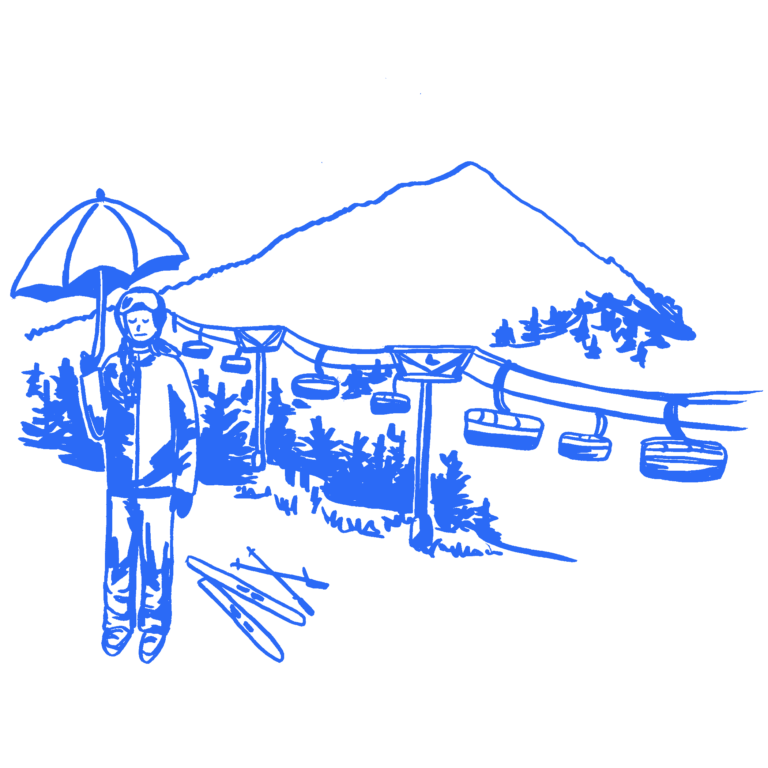
Across the high-altitude corridors of the American West, from the jagged peaks of the Teton Pass to the dense evergreens of Snoqualmie, a familiar winter ritual unfolds in the pre-dawn darkness. Lines of trucks and SUVs idle in highway pullouts, their exhaust plumes hanging heavy in the sub-zero air. Inside, skiers and snowboarders consume the last of their coffee and pull on technical layers, burning fossil fuels to reach the very snowpack that those same emissions are systematically eroding. This paradox—the dependence on carbon-intensive systems to access threatened natural environments—has become the central challenge for the multi-billion-dollar outdoor recreation industry. As the global climate crosses critical thresholds, the difference between a record-breaking powder day and a washout rain event often rests on a single degree of temperature: 31°F versus 32°F.

For the outdoor community, climate change is no longer a distant scientific projection; it is a fundamental threat to a way of life and a massive sector of the American economy. While headlines are frequently dominated by catastrophic fires, floods, and heatwaves, a parallel narrative of systemic transition is emerging. Solar energy costs have plummeted by 90% over the last 15 years, and despite continued economic growth, U.S. carbon emissions have trended downward since 2010. Within this landscape, Protect Our Winters (POW), a nonprofit organization founded in 2007, has evolved from a niche advocacy group into a sophisticated political and social force. By organizing athletes, scientists, and brands, POW is attempting to bridge the gap between individual passion for the outdoors and the large-scale policy shifts required to decarbonize the global economy.
The Evolution of a Movement: From 2007 to the Present
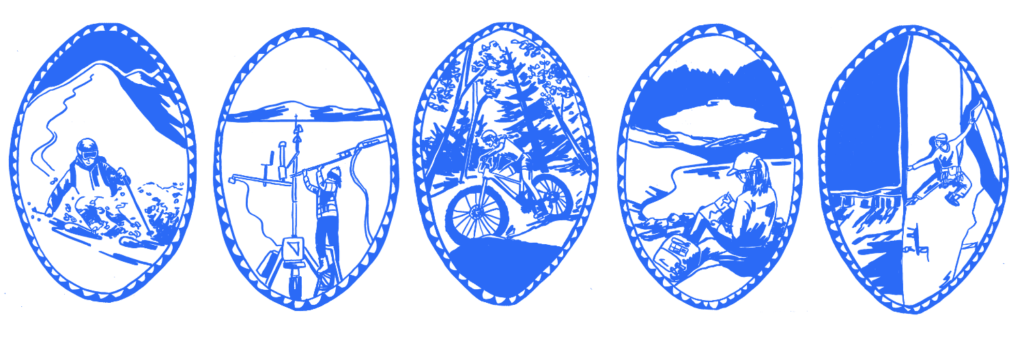
The origins of Protect Our Winters trace back to a realization by professional snowboarder Jeremy Jones. In 2007, Jones observed that the snowpack in his traditional stomping grounds was becoming increasingly unreliable. He founded POW on a singular premise: that the leaders of the outdoor community possessed an untapped capacity to influence climate policy. What began as a snow-focused initiative has since expanded into a comprehensive coalition representing trail runners, mountain bikers, climbers, and anglers.
Over the last two decades, the organization’s strategy has shifted from raising awareness to building "political will." This transition reflects a broader understanding within the environmental movement that individual "guilt" over carbon footprints—such as the fuel used to drive to a trailhead—is secondary to the need for systemic change. The organization argues that real power lies in collective action to reform the energy and transportation systems that dictate how society functions.
In 2016, the organization identified a shift in cultural norms as a precursor to political power. Using the analogy of the "red hat" in the 2016 election cycle, POW leadership noted that symbols of identity can rapidly transform into political mandates. For the outdoor community, the "POW" bumper sticker has become a similar proxy, signaling a commitment to environmental stewardship as a non-negotiable component of the outdoor identity. This "movement building" is viewed as the foundational work—much like the "skin glue" used in backcountry skiing—that allows for the more visible "turns" of policy wins and legislative breakthroughs.
The Economic Engine: A $1.3 Trillion Justification for Action
The push for climate protection is increasingly framed through an economic lens. According to data from the U.S. Bureau of Economic Analysis (BEA), the outdoor recreation economy accounts for roughly $1.3 trillion in annual economic output, surpassing sectors such as agriculture and mining in many states. This economic weight provides outdoor advocates with significant leverage when meeting with lawmakers in Washington, D.C.
When decision-makers weigh the costs of transitioning to renewable energy against the status quo, POW and its partners present the "other side of the ledger." They highlight that the outdoor industry supports millions of jobs in rural communities that are often most vulnerable to climate volatility. By defending public lands from fossil fuel expansion and advocating for the protection of "carbon sinks"—natural landscapes that absorb CO2—the movement seeks to protect the financial stability of regions dependent on seasonal tourism.

Data-Driven Advocacy and the 2026 Montana Precedent
The efficacy of the outdoor community’s advocacy was put to a rigorous test during the summer of 2026 at a Montana Public Service Commission (PSC) hearing regarding long-term resource planning. In a state where coal and gas have historically dominated the energy discourse, representatives from POW traveled six hours to testify. On that day, outdoor advocates comprised nearly one-third of the participants in the room.
This level of grassroots engagement is part of a larger statistical trend in the organization’s impact. In the previous year alone, POW reported the following metrics:

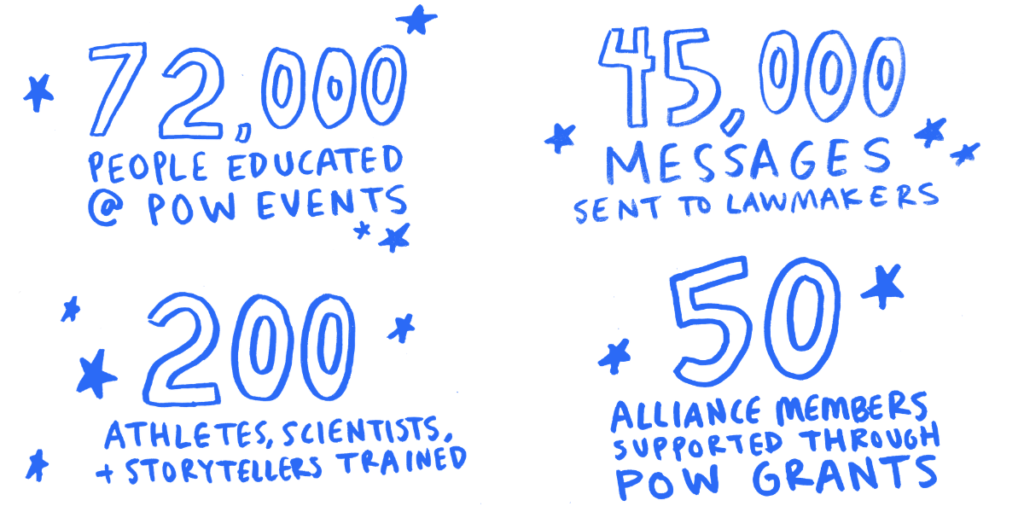
- Leadership Training: 200 athletes, scientists, and storytellers were trained in climate communication and policy.
- Community Action: 50 members were funded to lead independent climate projects, resulting in over 600 distinct actions, including town hall testimonies and educational outreach.
- Public Reach: 150 live events drew 72,000 attendees, while digital storytelling reached an estimated 36 million viewers.
- Legislative Pressure: Supporters sent more than 47,000 messages to federal and local decision-makers.
These efforts are designed to create a "new normal" where climate advocacy is considered a compulsory duty for those who utilize public lands. The organization operates on the social science principle that trusted messengers—such as professional athletes or local guides—are more effective at changing minds than abstract data alone.
The Three Pillars of Strategic Climate Action
To streamline its efforts, the movement has categorized its work into three primary pillars: Defending, Building, and Shifting.
1. Defend What We Love
This pillar focuses on federal and state land-use policies. Public lands can either be sites for "old carbon" extraction (oil and gas drilling) or "new carbon" sequestration and renewable energy generation. POW has been active in opposing public land sell-offs and fossil fuel expansion in sensitive areas like the Arctic National Wildlife Refuge and Bears Ears National Monument. By mobilizing thousands of signatures and bringing high-profile athletes to testify before Congress, the movement aims to ensure that public lands remain intact as climate-resilient ecosystems.
2. Build What We Need
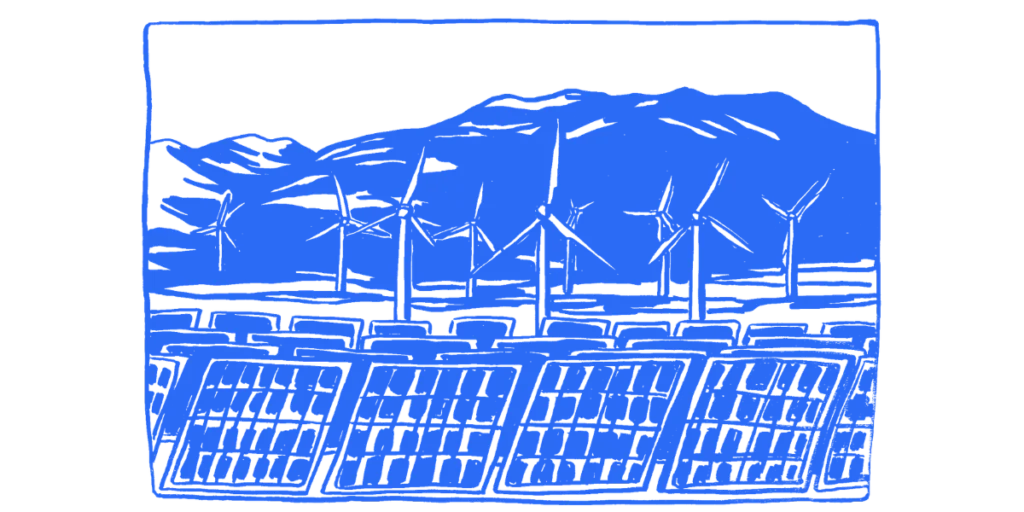
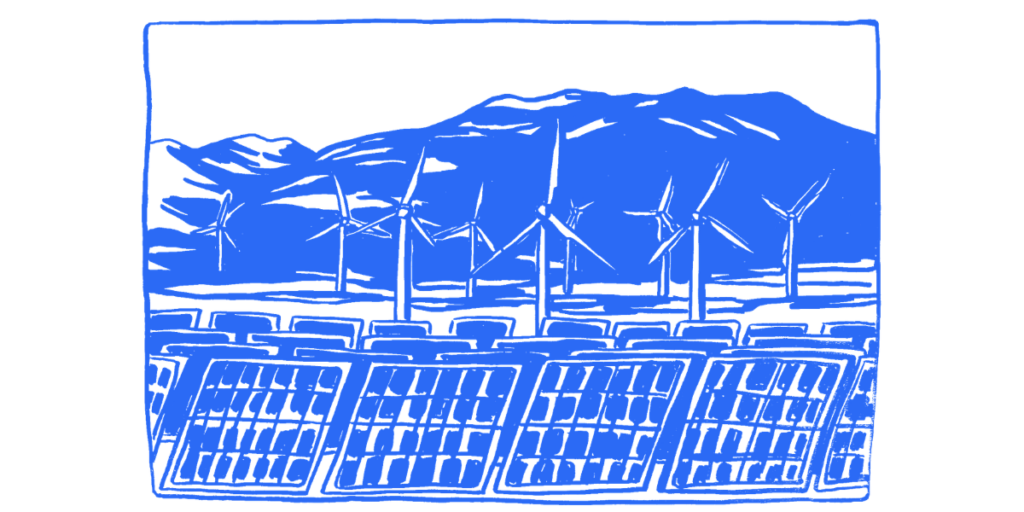
Decarbonization requires a massive build-out of infrastructure. Currently, electricity, transportation, and industry account for approximately 75% of U.S. emissions. In recent years, the transition has accelerated; in the last fiscal cycle, wind, solar, and battery storage accounted for 93% of all new electricity capacity added to the U.S. grid. POW’s clean energy campaigns have directly contributed to the realization of 297 Megawatts (MW) of renewable projects. The organization has set a target of 500 MW by the end of 2026 and a goal of one full Gigawatt (GW) by 2028 through community-led fights in states like Nevada, Colorado, and Montana.

3. Shift Who Decides
The final pillar addresses the "political will" gap. Despite a majority of Americans favoring investments in renewable energy, policy often lags behind public sentiment. POW’s get-out-the-vote (GOTV) initiatives reached 7.5 million people in the last federal election cycle, targeting "outdoor voters" who historically participate in elections at lower rates than other demographics. By translating complex climate science and legislative jargon into actionable information for skiers, runners, and climbers, the movement seeks to ensure that those with the most to lose from a warming world are represented at the ballot box.
Implications and the Path Toward a Fossil-Fuel-Free Future
The broader implication of this mobilization is the "normalization" of climate action. Just as safety helmets in skiing or non-smoking sections in restaurants transitioned from niche ideas to universal standards, POW aims to make decarbonization an inevitable societal shift. The organization acknowledges that while it cannot take sole credit for major legislative wins, the collective pressure from the outdoor community acts as a force multiplier for broader environmental coalitions.
The transition is not without its critics, who point to the inherent contradictions in an industry that relies on global travel and high-tech gear manufactured from petroleum products. However, the movement’s leadership argues that waiting for "perfection" is a recipe for failure. The goal is not to eliminate all human impact immediately, but to fundamentally alter the systems—energy, transport, and policy—that make high-carbon living the default.
As the decade progresses toward 2030, a critical year for international climate targets, the outdoor community’s role as a "trusted messenger" will likely intensify. Whether through Olympians lobbying in Washington or local chapters fighting for solar permitting in small mountain towns, the objective remains the same: ensuring that the 31-degree powder day does not become a relic of the past. The idling trucks at the trailhead may one day be electric, and the gear may be made from circular materials, but the underlying motivation will remain the protection of the wild places that define the human experience in the high country. For the millions of people who find their identity in the mountains, the assignment is clear: the climate crisis is solvable, and the time for quiet agreement has passed in favor of bold, systemic action.
