

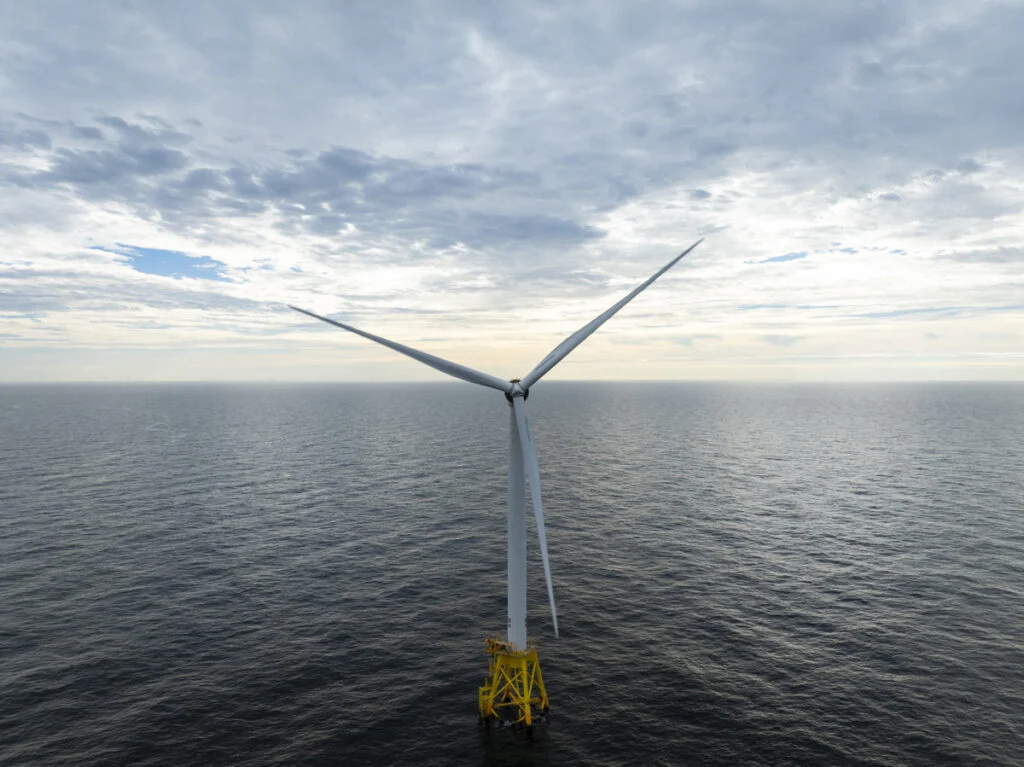
A new documentary supported by the Protect Our Winters (POW) Creative Alliance, released this month, provides a comprehensive investigation into the escalating debate surrounding offshore wind energy in the United States. Directed by Washington-based filmmaker Dan Holz, the short film "Beyond the Horizon" serves as a critical examination of the polarized narratives that have come to define this sector of the renewable energy industry. As the U.S. seeks to diversify its energy portfolio to meet ambitious climate goals, offshore wind has emerged as both a centerpiece of clean energy strategy and a focal point for intense political and environmental opposition. The film, which is currently streaming online and slated for various environmental film festivals, attempts to peel back the layers of what Holz describes as an "onion of learning," moving past rhetoric to evaluate the scientific and economic realities of wind power development in federal waters.
The Landscape of Controversy: Political and Social Friction
The development of offshore wind in the United States has become an increasingly politicized issue, marked by sharp divisions between federal administrations, industry stakeholders, and coastal communities. Much of the recent opposition has been catalyzed by high-level political rhetoric. For instance, the Trump Administration has consistently characterized offshore wind projects as a threat to national security and a detriment to the American landscape. During a January 2026 meeting with oil and gas executives, former President Trump reiterated his stance, claiming that wind turbines—which he referred to as "windmills"—are economically unviable, aesthetically destructive, and environmentally harmful. His administration’s stated goal was to halt the approval of new projects, citing concerns ranging from bird mortality to a reliance on Chinese manufacturing.
This political positioning has created a ripple effect, leading to a climate of apprehension among those most closely involved in the industry. During the production of "Beyond the Horizon," Holz encountered significant resistance from potential interviewees. Developers, fishermen, and even some members of the scientific community declined to speak on camera. Industry developers cited ongoing legal complexities, while fishermen expressed fears of social ostracization or economic retaliation within their communities. Scientists, meanwhile, voiced concerns that public discussion of their findings could jeopardize future grant funding in a highly charged political environment. This "silence" highlights the difficulty of fostering transparent public discourse in an era of heavy disinformation.
Myth Versus Reality: Addressing Environmental and Technical Concerns
To address the most common criticisms of offshore wind, "Beyond the Horizon" consults scientific data and expert testimony, specifically focusing on marine life, noise pollution, and national security.
The Question of Marine Mortality
One of the most persistent claims against offshore wind is that the installation and operation of turbines are responsible for a rise in whale deaths. However, data from the National Oceanic and Atmospheric Administration (NOAA) Fisheries suggests a different reality. Since 2016, scientists have been monitoring an "Unusual Mortality Event" (UME) involving humpback whales along the Atlantic coast. Research indicates that the primary causes of death are vessel strikes and entanglement in fishing gear.
The warming of ocean temperatures has shifted the migration patterns of whales and porpoises, often drawing them into shallower, high-traffic shipping channels in search of prey. To date, NOAA Fisheries has found no evidence linking large whale mortalities to the activities associated with offshore wind site characterization or construction. Marine ecologist Sarah Von Hoene, featured in the film, emphasizes that while the visual presence of turbines makes them an easy target for blame, the underlying causes of marine distress are rooted in broader climate shifts and existing industrial maritime activities.
Acoustic Impact and Technological Mitigation
Concerns regarding underwater noise pollution have also been a staple of the opposition’s argument. Early stages of offshore wind development did face challenges regarding the acoustic impact of pile driving on marine mammals. However, current regulations now mandate strict underwater noise ceilings. Technological advancements, such as "bubble curtains" and other sound-dampening measures, have successfully mitigated over 80 percent of the noise generated during installation. Furthermore, once operational, the turbines are virtually silent underwater, and their distance from the shore—often miles into the horizon—renders them inaudible to residents on land.
National Security and Radar Interference
The claim that wind turbines represent a national security risk stems from the potential for large blades to interfere with military and civilian radar systems. While this is a recognized technical challenge, it is not an insurmountable one. The U.S. Department of Defense (DOD) and the Department of Energy (DOE) are currently collaborating on mitigation strategies, including software upgrades and the strategic placement of turbines, to ensure that clean energy infrastructure does not compromise air defense or maritime surveillance capabilities.
The Evolution of U.S. Offshore Wind: A Brief Chronology
The offshore wind industry in the United States is relatively nascent compared to established markets in Europe and China, but it has followed a steady trajectory of development over the past decade.
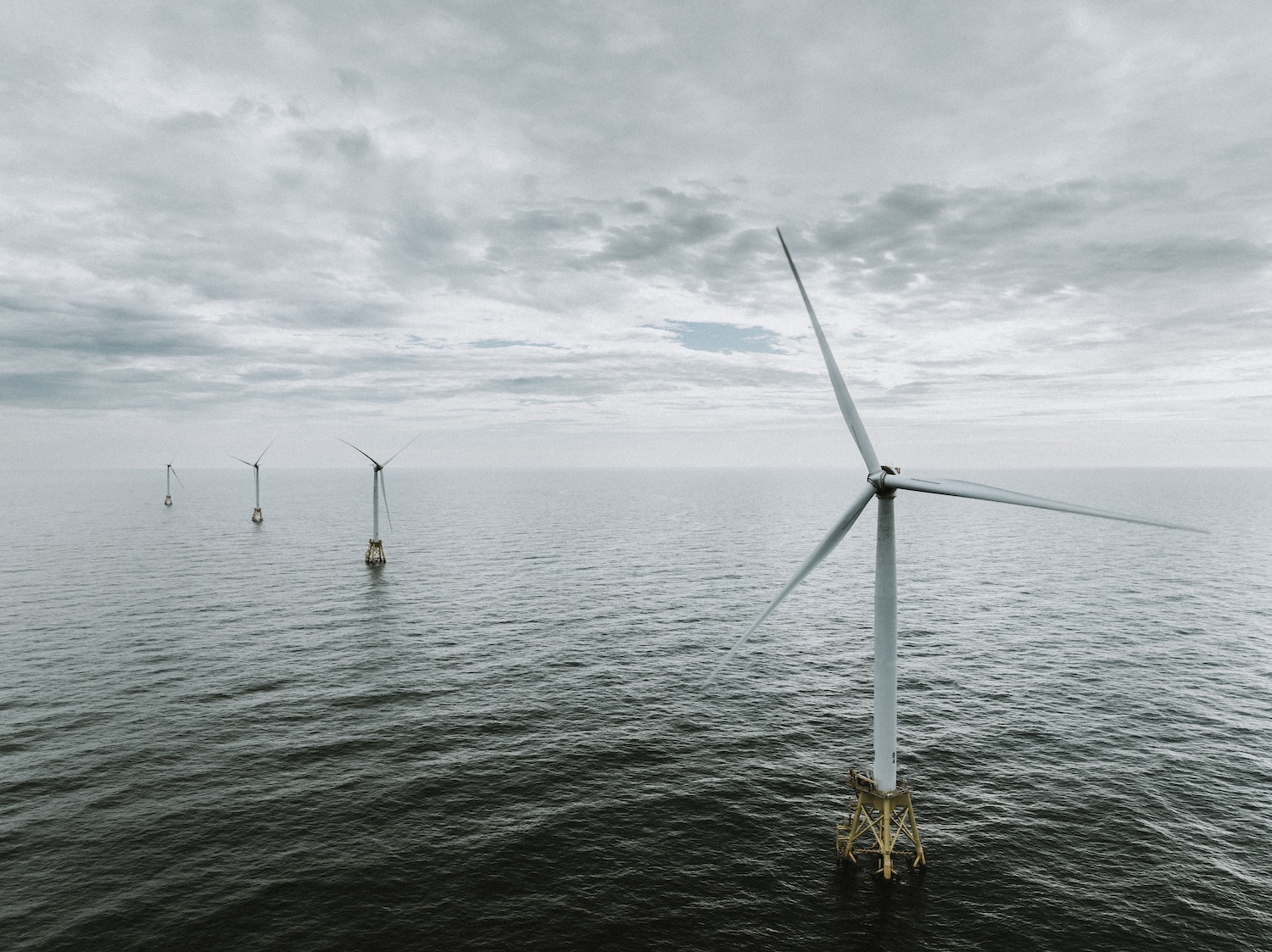
- 2016: The Block Island Wind Farm, located off the coast of Rhode Island, becomes the first commercial offshore wind project in the U.S. The project consists of five turbines and serves as a proof-of-concept for the industry.
- 2017–2022: State-level initiatives in Virginia, New York, and Massachusetts begin to take shape, with several small-scale pilot projects and the solicitation of large-scale federal leases.
- 2023–2025: A surge in federal leasing activity occurs, with the Bureau of Ocean Energy Management (BOEM) identifying vast areas of the Outer Continental Shelf for potential development.
- 2026: Despite political headwinds, the industry sees the expansion of domestic manufacturing, with over 500 facilities across the U.S. producing components such as blades, towers, and generators. This period marks a shift toward a localized supply chain, countering claims that the industry is entirely dependent on foreign production.
Economic Impact and Energy Potential
The potential for offshore wind to transform the American energy landscape is significant. According to data from the American Clean Power Association, federal waters have the capacity to host over 4,200 gigawatts (GW) of offshore wind power. This figure represents more than three times the current total electricity demand of the United States.
Currently, there are approximately 44 federal leases in various stages of development. These projects have the combined potential to generate 73,000 megawatts (MW) of energy, which is sufficient to power more than 21 million homes. Beyond energy generation, the industry is a significant driver of economic growth. Estimates suggest that the current pipeline of projects will create at least 18,000 direct jobs in manufacturing, construction, and long-term maintenance.
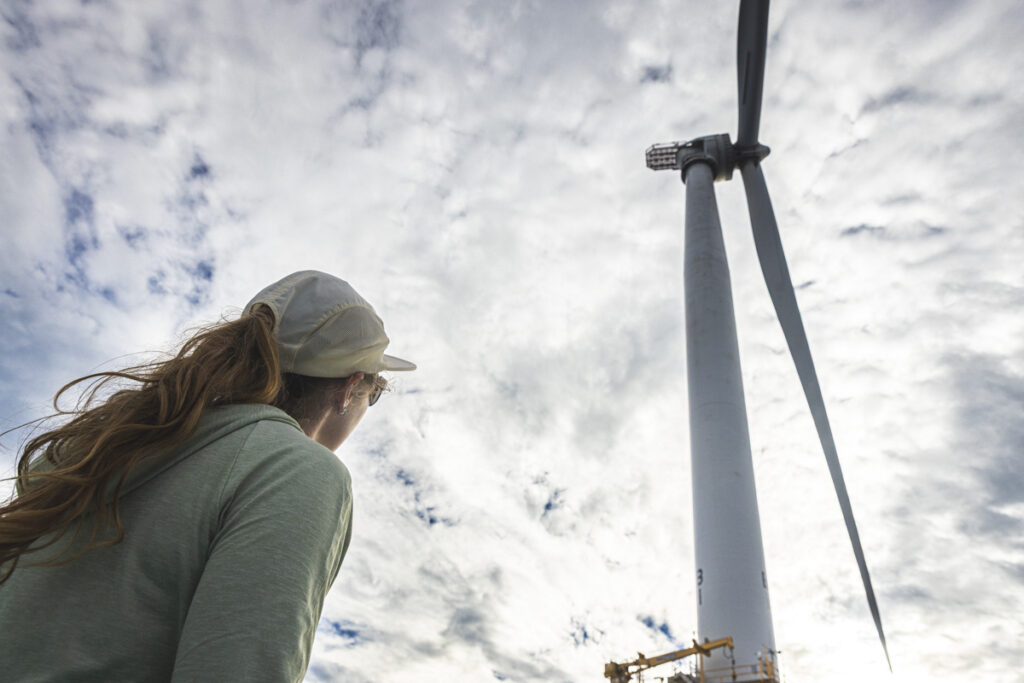
For consumers, the transition to offshore wind offers the promise of lower utility costs. In the Northeast, where energy prices are among the highest in the nation, a study by RENEW Northeast indicates that the integration of offshore wind could save households between $1.32 and $2.68 per month on their electricity bills. These savings are attributed to the high capacity factor of offshore wind—winds at sea are generally stronger and more consistent than those on land—allowing for a more stable and cost-effective energy supply.
Broader Implications and the Path Forward
The central message of "Beyond the Horizon" is the necessity of scientific literacy and civic engagement. As Holz notes, the transition to renewable energy is not merely a technical challenge but an educational one. The film argues that for the U.S. to achieve energy independence and mitigate the impacts of climate change, the public must be able to distinguish between legitimate environmental concerns and politically motivated disinformation.
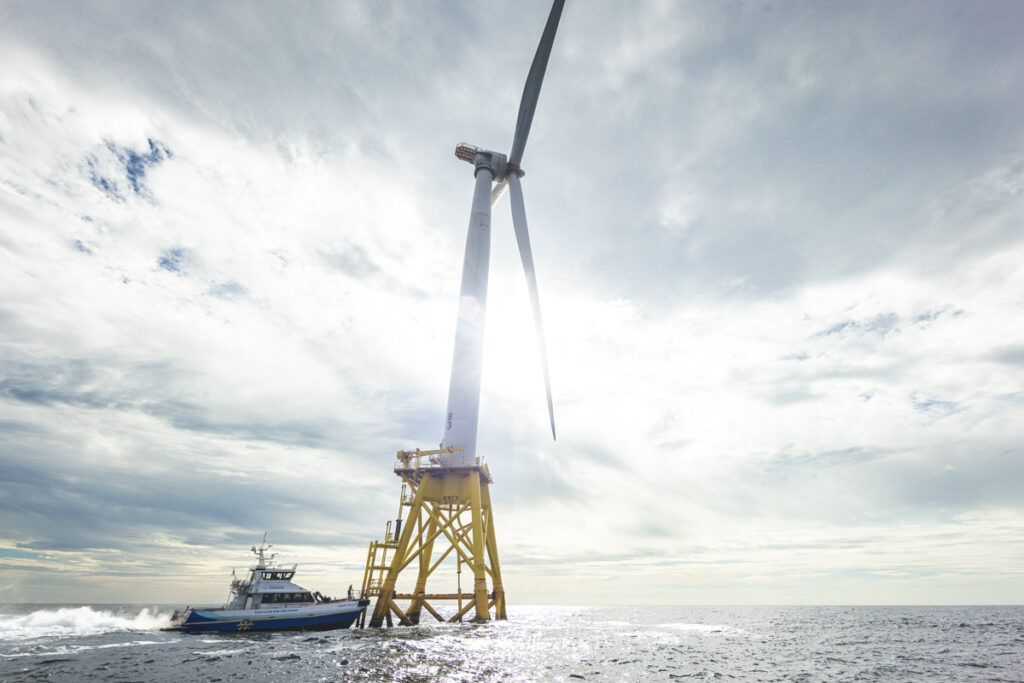
The coexistence of the offshore wind and commercial fishing industries remains a point of active negotiation. While some fishing groups remain skeptical, scientific reviews suggest that with proper planning and communication, the two sectors can share the ocean effectively. Artificial reef effects created by turbine foundations have even been shown, in some instances, to increase local biodiversity, providing new habitats for various marine species.

As the film moves through the festival circuit, its creators hope it will spark a more nuanced conversation about the trade-offs inherent in any large-scale energy transition. The "onion of learning" continues to reveal that while offshore wind is not without its complexities, the data increasingly supports its role as a clean, efficient, and economically viable pillar of the future American power grid. By providing a platform for voices like Sarah Von Hoene—who took to the streets of New England towns to engage directly with citizens—the project underscores that the future of energy will be decided as much by community discussion as by federal policy.
