

The United States Environmental Protection Agency (EPA), an agency established in 1970 with the core mission of protecting human health and the environment, is currently undergoing a fundamental transformation in its regulatory philosophy and operational structure. For over five decades, the agency’s authority has rested upon the pillars of the Clean Air Act and the Clean Water Act, utilizing peer-reviewed science to establish limits on pollutants that threaten the American public. However, a recent and systematic series of policy reversals, budget reallocations, and legal reinterpretations has signaled a departure from this historical mandate, sparking intense debate among economists, public health officials, and industry stakeholders.
Central to this shift is the administrative decision to overturn the Endangerment Finding, the 2009 legal determination that greenhouse gases (GHGs) constitute a threat to public health and welfare. This finding served as the primary legal mechanism authorizing the federal government to regulate carbon dioxide and other emissions under the Clean Air Act. By rescinding this foundation, the agency has effectively removed the federal obligation to address climate-related pollution from the nation’s largest emitters, including power plants, the automotive sector, and heavy manufacturing.
The Legal and Scientific Foundation: The Endangerment Finding
The Endangerment Finding was not merely a policy preference but a response to the 2007 Supreme Court ruling in Massachusetts v. EPA, which determined that greenhouse gases are pollutants under the Clean Air Act. The subsequent 2009 finding by the EPA concluded that the current and projected concentrations of six key well-mixed greenhouse gases in the atmosphere threaten the public health and welfare of current and future generations.
The recent reversal of this finding represents a pivot toward a more restricted interpretation of agency power, often referred to in legal circles as the "Major Questions Doctrine." This judicial philosophy suggests that agencies cannot make decisions of vast economic and political significance without clear, specific authorization from Congress. Critics of the rollback argue that ignoring the scientific consensus on the 1.5°C warming threshold places the United States at a disadvantage in global climate mitigation efforts, while proponents of the move suggest it provides necessary regulatory certainty to the energy sector and prevents administrative overreach.
Air and Water: The Impact of Weakened Toxics Standards
Beyond the broad scope of climate policy, the EPA has moved to weaken specific protections regarding toxic substances. The Mercury and Air Toxics Standards (MATS), which were designed to limit the amount of mercury, arsenic, and lead emitted by coal-fired power plants, have been significantly revised. Mercury is a potent neurotoxin that accumulates in the food chain, particularly in aquatic ecosystems, posing risks to fetal development and cardiovascular health in adults.
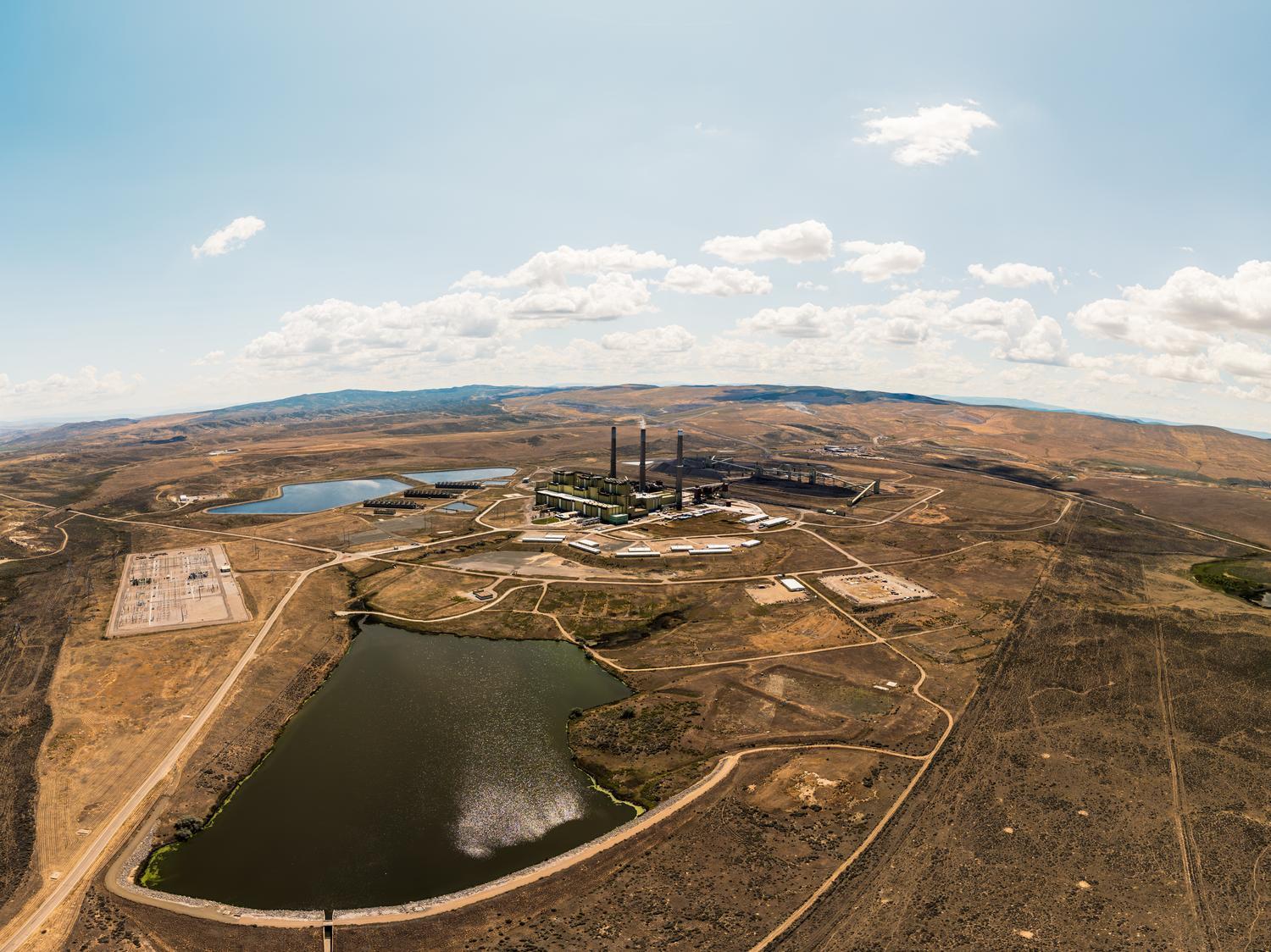
Simultaneously, the agency has narrowed the legal definition of "Waters of the United States" (WOTUS). This redefinition limits the number of wetlands and ephemeral streams—waterways that flow only after rainfall or snowmelt—that fall under federal protection. According to environmental scientists, these smaller waterways are critical for filtering pollutants before they reach larger rivers and drinking water reservoirs. The reduction in oversight has been accompanied by a series of exemptions for coal plants regarding wastewater discharge, allowing for higher concentrations of coal ash and other heavy metals to enter public waterways.
The Economic Consequences for the Outdoor Industry
While deregulation is often framed as a boon for industrial productivity, the "Outdoor State"—a demographic of approximately 181 million Americans who participate in outdoor recreation—faces significant economic headwinds as a result of these changes. The outdoor recreation economy is a massive contributor to the U.S. Gross Domestic Product (GDP), valued at approximately $1.1 trillion and supporting over 5 million jobs.
This sector is uniquely vulnerable to environmental degradation. In states like Vermont, which has seen a 22% decline in snow days over the last twenty years, the ski industry faces an existential threat. Similarly, Western states such as Colorado and Utah are grappling with increasingly frequent wildfire seasons and smog-filled summers, which lead to trail closures and a decline in tourism revenue. In cities like Denver and Salt Lake City, the increase in high-smog days has been linked to higher rates of respiratory illness, which in turn leads to lost labor productivity and increased healthcare costs. The interdependence of clean air, stable snowpacks, and the profitability of local businesses suggests that environmental rollbacks may have a "net-negative" impact on the broader national economy when these externalities are factored in.
A Chronology of Deregulatory Actions
The transformation of the EPA has been characterized by a rapid succession of administrative actions over the past twelve to eighteen months. The following chronology outlines the systematic nature of these changes:
- Phase 1: Foundation Removal. The rescission of the Endangerment Finding and the elimination of the "Social Cost of Carbon" as a metric for evaluating the long-term economic damage of emissions.
- Phase 2: Industrial Deregulation. The rollback of greenhouse gas rules for power plants and the easing of vehicle emissions standards, which were previously set to increase fuel efficiency significantly by 2030.
- Phase 3: Toxics and Waste. The weakening of the Mercury and Air Toxics Standards (MATS) and the repeal of limits on toxic wastewater discharge from coal-fired facilities.
- Phase 4: Jurisdictional Contraction. The narrowing of the WOTUS definition and the weakening of Clean Water Act Section 401 authority, which historically allowed states to block federal projects that threatened local water quality.
- Phase 5: Enforcement and Infrastructure. A 50% reduction in the EPA budget, leading to fewer inspections, a decline in enforcement actions, and the dismantling of emissions monitoring infrastructure.
Sidelining Science and Institutional Expertise
Perhaps the most lasting impact of the current trajectory is the internal restructuring of the agency’s scientific apparatus. Independent scientific advisory boards, which once provided non-partisan expertise on air quality and chemical safety, have been largely dismantled or restaffed with industry-affiliated personnel.
The agency has also moved to limit the types of scientific studies that can be used in policymaking. Rules now require that all raw data from scientific studies be made public before the study can be used to justify a regulation. While framed as a move toward transparency, public health experts argue this is a "censored science" tactic, as many landmark health studies rely on confidential patient medical records that cannot be legally or ethically disclosed.
Furthermore, the EPA has shuttered the Office of Environmental Justice and removed access to EJScreen, a sophisticated mapping tool that allowed researchers and advocates to identify communities disproportionately affected by industrial pollution. The loss of these tools makes it significantly more difficult to track the correlation between proximity to industrial sites and health outcomes in marginalized populations.
Official Responses and Industry Perspectives
The response to these deregulatory measures has been sharply divided. Industry groups, such as the National Mining Association and various petroleum institutes, have largely welcomed the changes. They argue that the previous regulatory environment was overly burdensome, stifled innovation, and increased energy costs for American consumers. These groups contend that the EPA’s new direction provides a more "balanced" approach that prioritizes economic growth and domestic energy independence.
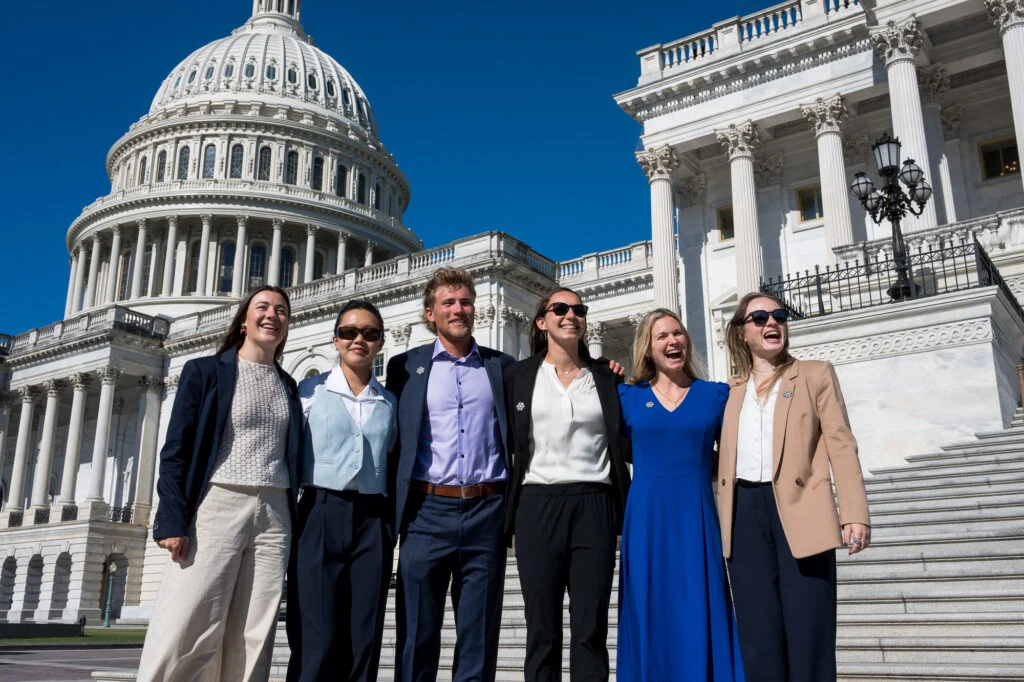
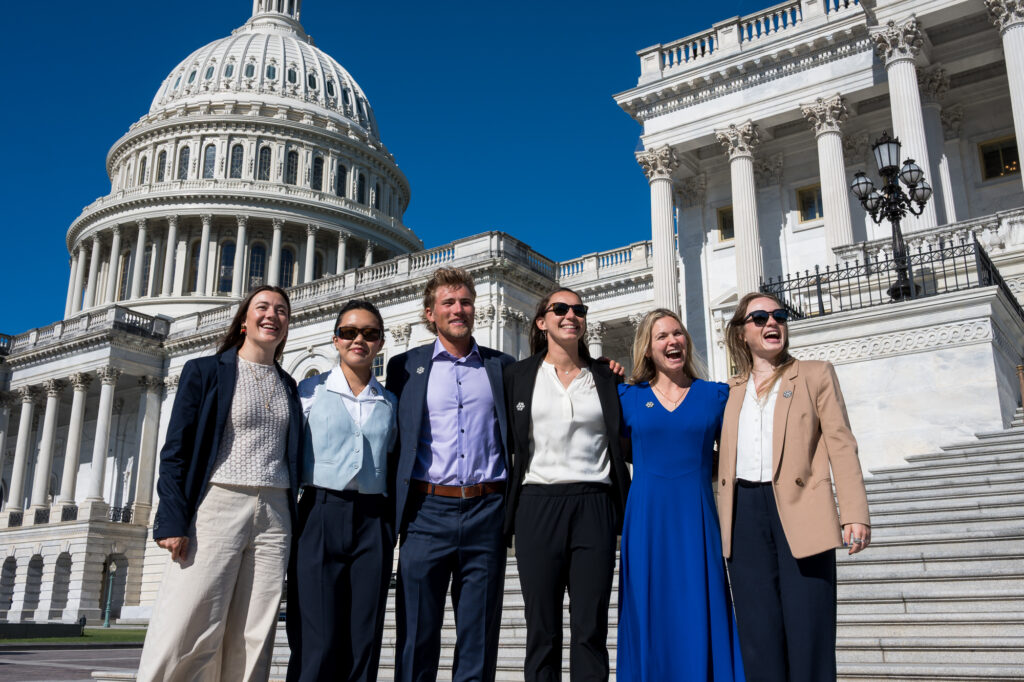
Conversely, a coalition of professional athletes, outdoor brands, and scientific alliances, led by organizations like Protect Our Winters (POW), has voiced vigorous opposition. They argue that the EPA is failing in its primary duty to protect the public. The POW Action Fund has announced plans to mobilize in Washington, D.C., to meet with lawmakers and advocate for the restoration of the agency’s oversight capabilities. Their platform focuses on the necessity of a stable climate for the survival of the outdoor economy and the protection of public health.
Broader Implications and Future Outlook
The systematic dismantling of EPA protections represents more than a shift in policy; it is a fundamental re-imagining of the relationship between the federal government and private industry. By moving from a "polluter pays" model to one defined by "enforcement discretion," the burden of environmental and health risks is effectively shifted from corporations to the general public.
The long-term implications of these rollbacks are likely to be felt in the judiciary for years to come. As states and environmental groups file lawsuits to challenge each individual rollback, the federal court system will be forced to decide the extent of executive power in the absence of updated environmental legislation from Congress.
For the "Outdoor State" and the millions of Americans whose livelihoods depend on a predictable climate and clean natural resources, the current situation represents a critical juncture. The restoration of the EPA’s original mandate will require not only a shift in administrative priority but also a renewed public commitment to the idea that environmental health and economic prosperity are not mutually exclusive, but rather, are inextricably linked. The upcoming legislative sessions in Washington will likely serve as the primary arena where the future of American environmental oversight is decided.
