


In an era of increasing environmental volatility and shifting judicial interpretations of federal power, a new legislative effort has emerged to solidify the standing of the United States Environmental Protection Agency (EPA). On September 16, Representative Sean Casten and Senator Sheldon Whitehouse formally introduced the Environmental Health Restoration Act (EHRA), a comprehensive piece of legislation designed to insulate the EPA from political fluctuations and restore its primary mandate of protecting public health, clean air, clean water, and the global climate. The introduction of the bill marks a pivotal moment in the ongoing struggle over the scope of federal regulatory authority, bringing together a diverse coalition of lawmakers, environmental scientists, and representatives from the outdoor recreation industry.
For over five decades, the EPA has served as the cornerstone of American environmental policy. Established in 1970 under the Nixon administration, the agency was founded on the bipartisan premise that the federal government possesses a fundamental responsibility to ensure the safety of the nation’s natural resources. However, proponents of the EHRA argue that this consensus has eroded significantly in recent years. They contend that the agency has been systematically "hollowed out" through a combination of administrative rollbacks, budget constraints, and legal challenges that have limited its ability to enforce long-standing environmental standards.
The Legislative Framework of the Environmental Health Restoration Act
The EHRA is structured as a corrective measure against what its sponsors describe as the "gutting" of environmental protections. Over the past several years, various federal actions have targeted the Clean Air Act and the Clean Water Act, often narrowing the definition of protected areas or limiting the EPA’s capacity to regulate carbon emissions and industrial pollutants. The EHRA seeks to codify these protections more robustly, making them less susceptible to the shifting priorities of successive presidential administrations.
Central to the legislation is the restoration of science-based decision-making. The bill mandates that the EPA rely on the most current and rigorous scientific data when setting pollution limits and safety standards. By reinforcing the statutory authority of the agency, the EHRA aims to provide a "durable" response to the legal uncertainties created by recent judicial rulings, including those that have questioned the "Chevron deference"—a legal doctrine that previously allowed federal agencies to interpret ambiguous statutes within their expertise.
Furthermore, the act emphasizes the transboundary nature of pollution. Lawmakers point out that wildfire smoke, water contamination, and atmospheric pollutants do not adhere to state lines. A patchwork of varying state regulations is often insufficient to address large-scale environmental crises. The EHRA asserts that a strong, federally empowered EPA is the only entity capable of managing environmental health on a national scale, ensuring that downstream or downwind communities are not unfairly burdened by the deregulation of neighboring jurisdictions.

Historical Context and the Erosion of Bipartisan Consensus
To understand the necessity of the EHRA, one must look at the historical trajectory of environmental regulation in the United States. Following its inception in 1970, the EPA oversaw the dramatic cleaning of American waterways and the reduction of urban smog. Legislation like the 1972 Clean Water Act and the 1990 Clean Air Act Amendments passed with overwhelming bipartisan support, reflecting a national agreement that environmental health was a public good rather than a partisan issue.
However, the last decade has seen a marked shift. Between 2017 and 2021, the EPA underwent a period of significant transformation characterized by the withdrawal of the Clean Power Plan and the narrowing of the Waters of the United States (WOTUS) rule. These rollbacks were often justified as efforts to reduce "regulatory overreach" and stimulate industrial growth. Critics, including the sponsors of the EHRA, argue that these changes ignored the long-term economic and health costs of pollution.
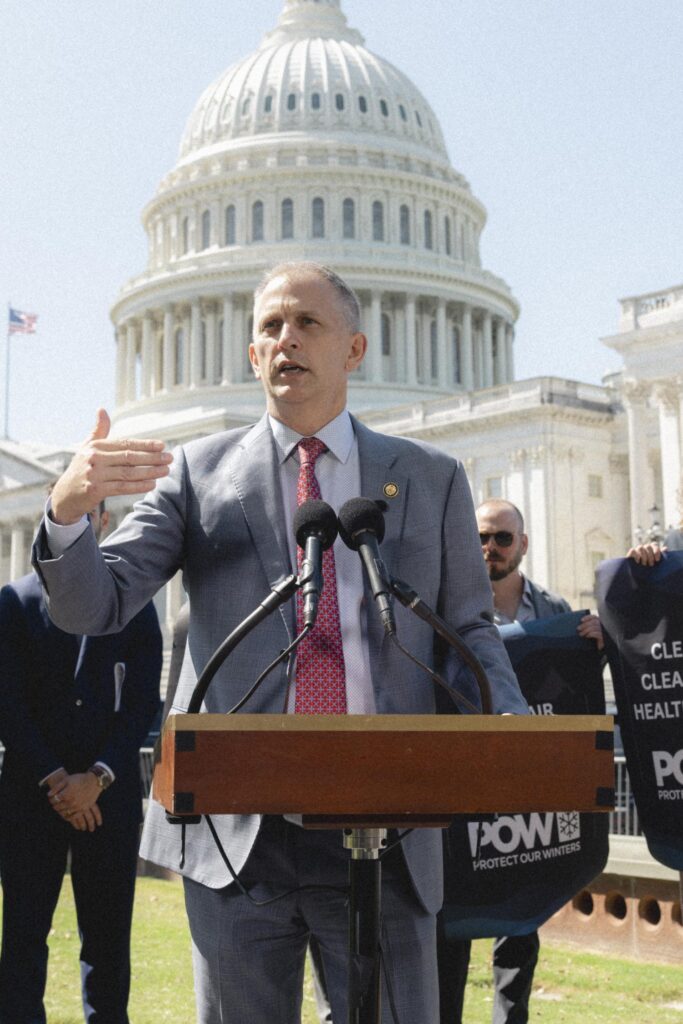
Senator Sheldon Whitehouse, a lead sponsor of the bill, noted that the recent trajectory of the EPA has been one of abandonment. "The EPA has fully abandoned its decades-long duty to protect Americans’ health and safety," Whitehouse stated during the bill’s introduction. He characterized recent administrative shifts as "relentless attacks on science" that prioritized political donors over the general public. The EHRA is framed as the first step in a "long process" of rebuilding the agency’s scientific integrity and workforce.
The Economic and Community Impact of Environmental Degradation
The push for the EHRA is not solely driven by environmental activists; it is increasingly supported by the outdoor recreation and tourism sectors, which represent a significant portion of the U.S. economy. According to data from the Bureau of Economic Analysis (BEA), the outdoor recreation economy accounts for approximately $1.1 trillion in annual economic output and supports nearly 5 million jobs. This sector is uniquely vulnerable to the impacts of climate change and pollution.
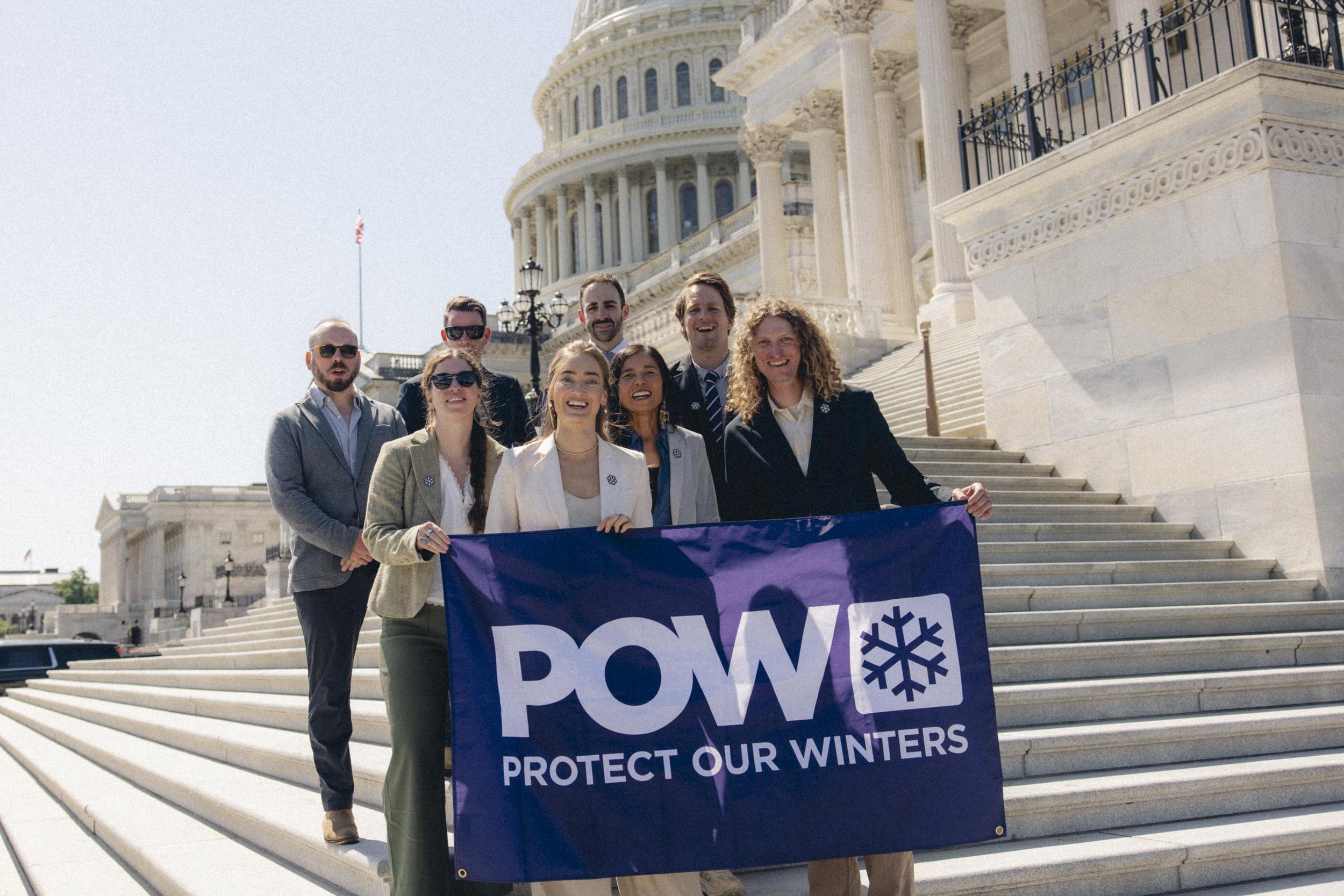
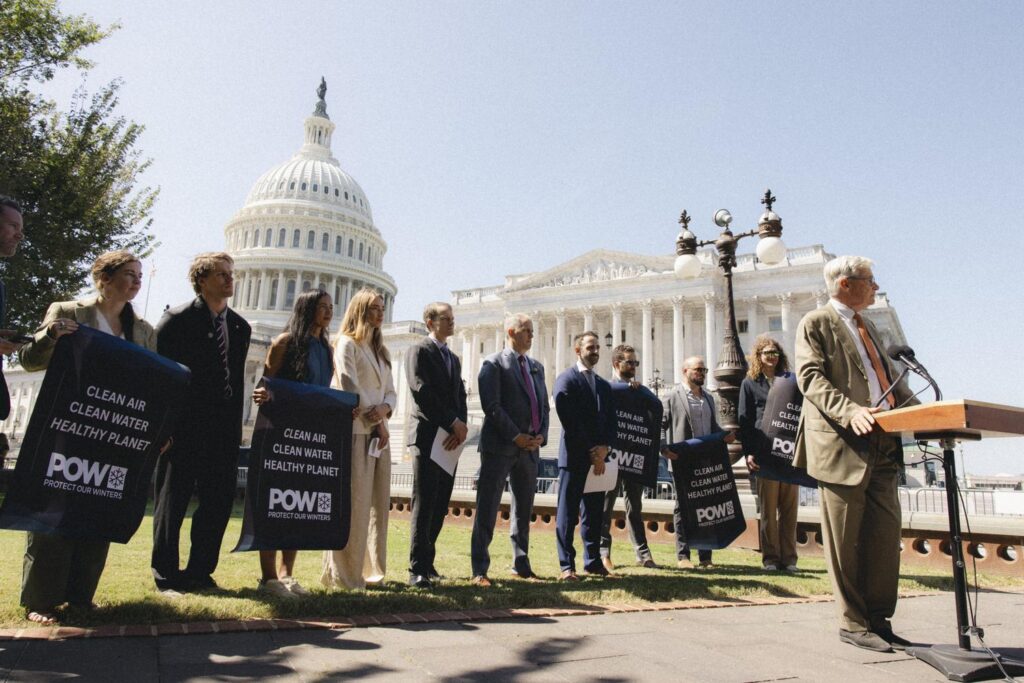
During the press conference for the EHRA, representatives from Protect Our Winters (POW)—a coalition of professional athletes and outdoor enthusiasts—highlighted the tangible effects of environmental deregulation. Professional climber Tommy Caldwell shared his observations from years of training in high-altitude environments, noting the rapid shrinkage of glaciers and the increasing frequency of volatile air quality due to wildfires. "This directly affects our community’s health and economy," Caldwell stated, emphasizing that clean air and water are the infrastructure upon which the outdoor industry is built.
Beyond recreation, the agricultural and fishing industries also face heightened risks. Contaminated snowpack and rivers threaten irrigation systems and fish populations, leading to volatile crop yields and the collapse of local fisheries. The EHRA seeks to protect these economic interests by ensuring that the EPA has the authority to mitigate the climate-driven disasters that threaten these industries.
A Broad Coalition and Strategic Bipartisan Outreach
The introduction of the EHRA was supported by a wide-ranging coalition, including the League of Conservation Voters (LCV), the Surfrider Foundation, the Natural Resources Defense Council (NRDC), and the Southern Utah Wilderness Alliance (SUWA). This broad support base indicates a unified front among environmental organizations to move from a defensive posture—reacting to rollbacks—to an affirmative one, where permanent legislative protections are established.
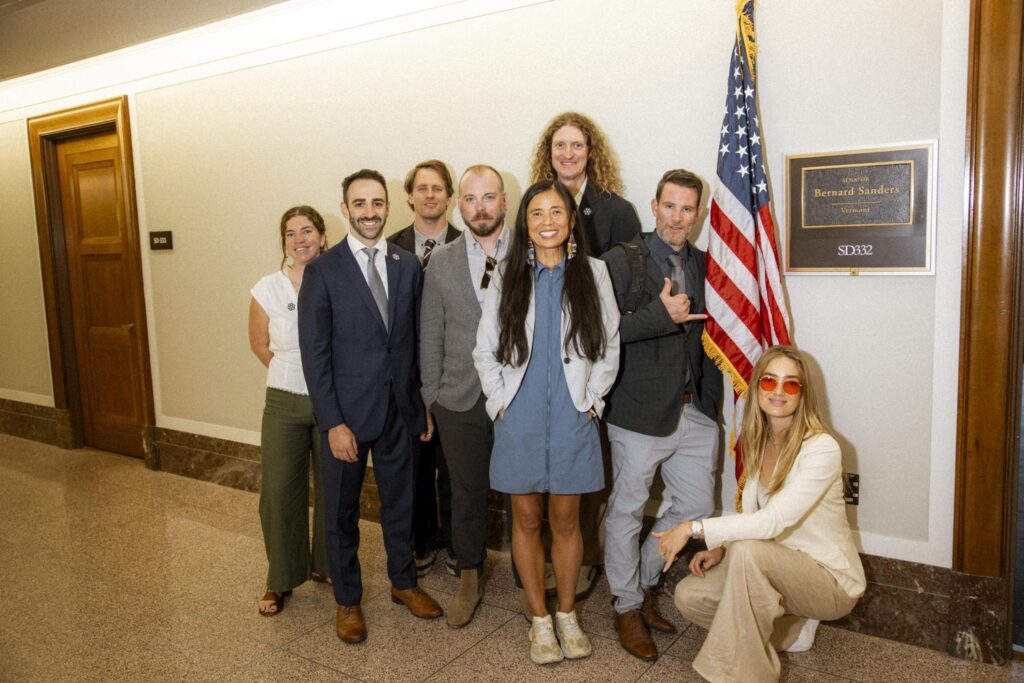
In a strategic move to ensure the bill’s long-term viability, proponents have engaged in extensive outreach across the political spectrum. Following the bill’s introduction, advocates met with five different congressional offices, including those of Republicans like Representative Andrew Garbarino and Democrats like Senators Bernie Sanders, Jeff Merkley, and Ron Wyden. The goal of these meetings was to build a "durable coalition" that transcends party lines, focusing on the shared benefits of public health and economic stability.

Ben Gubits, Vice President of Advocacy and Campaigns for POW, underscored the necessity of this approach. "Rolling back environmental protections has real consequences for the places and experiences that define the outdoor community," Gubits said. He argued that the EHRA "draws a clear line" by requiring the EPA to prioritize scientific evidence and the law over the interests of industrial polluters.
Implications and the Legislative "Long Game"
Legislative analysts and the bill’s sponsors are realistic about the EHRA’s immediate prospects. Given the current polarization of the U.S. Congress and the proximity of the upcoming election cycle, the bill is unlikely to pass in the current session. However, the introduction of the EHRA is viewed as a foundational step in a multi-year strategy.

The sponsors have described the current phase as "building the record." In federal legislating, major bills often take years to move from introduction to enactment. This period allows for the development of a legislative record, the growth of stakeholder coalitions, and the refinement of policy language. Proponents suggest that the "weather window" for the bill’s passage may not fully open until the 120th Congress, which would begin in 2027 or 2029.
The implications of the EHRA extend beyond mere regulatory adjustments. If passed, it would represent a significant reassertion of Congressional intent in an era where the executive and judicial branches have taken the lead on environmental policy. By clearly defining the EPA’s mission and authority in statute, Congress would reduce the agency’s vulnerability to "regulatory ping-pong," where environmental standards are drastically tightened or loosened every four to eight years depending on the occupant of the White House.

Conclusion: The Path Forward for Federal Environmental Policy
The Environmental Health Restoration Act serves as a stark reminder of the evolving nature of American governance. As the impacts of climate change become more pronounced—manifesting in shrinking snowpacks, more intense wildfires, and compromised water sources—the debate over the role of the EPA has shifted from a technical discussion of regulations to a fundamental question of public safety and economic resilience.
The EHRA represents a proactive attempt to restore the EPA to its original status as a non-partisan guardian of the American environment. By anchoring the agency’s authority in scientific rigor and clear statutory mandates, the bill seeks to provide a stable framework for the next fifty years of environmental protection. While the path to passage remains long and fraught with political challenges, the coalition building behind the EHRA suggests a growing recognition that the health of the nation’s environment is inextricably linked to the health of its citizens and its economy. For the advocates, athletes, and lawmakers involved, the work has only just begun to ensure that the air, water, and climate of the United States are protected for generations to come.
