

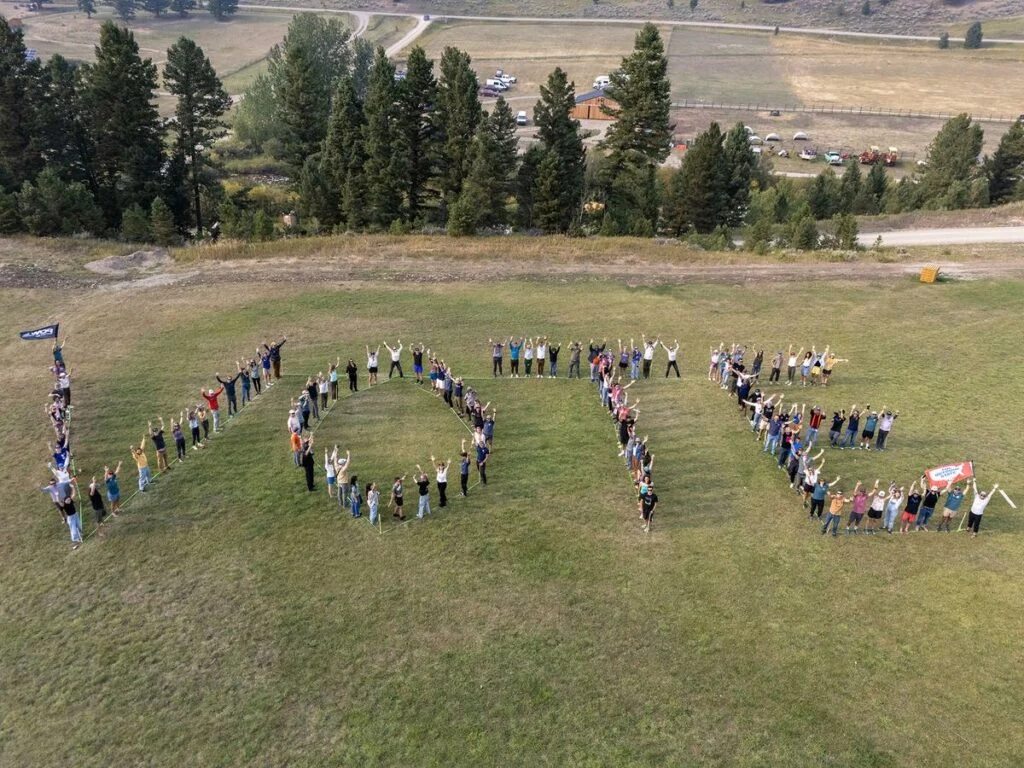
As the United States transitions from the immediate aftermath of recent election cycles, the non-profit advocacy organization Protect Our Winters (POW) has initiated an expansive strategic campaign targeting the 2026 midterm elections. This initiative, framed as a critical mobilization of the "Outdoor State," aims to leverage the collective influence of more than 45 million eligible voters who identify as outdoor enthusiasts, including skiers, climbers, hikers, and anglers. The organization’s primary objective is to counteract recent legislative and executive rollbacks of environmental protections while ensuring that climate policy remains a central priority for lawmakers at both the state and federal levels.
The 2026 midterm elections will serve as a pivotal moment for the future of American conservation and climate resilience. Historically, midterm cycles see lower voter participation than presidential years, yet they dictate the composition of Congress and the direction of land management policies for years to follow. For POW and its supporters, the upcoming election is viewed not merely as a political event, but as a necessary defense of the ecosystems that sustain the outdoor recreation economy and the health of the planet.
The Economic and Social Power of the Outdoor State
The "Outdoor State" is a demographic concept popularized by POW to describe the massive, yet often fragmented, community of individuals whose lifestyles and livelihoods are tied to the outdoors. According to data from the Bureau of Economic Analysis (BEA), the outdoor recreation economy is a powerhouse of the American financial landscape, contributing approximately $1.1 trillion to the U.S. gross domestic product (GDP) and supporting nearly 5 million jobs. Despite this economic weight, the interests of this group have historically been overshadowed by well-funded industrial lobbies.
POW’s strategy involves transforming this economic block into a unified voting bloc. The organization posits that if even a fraction of the 45 million eligible outdoor participants votes with climate and conservation as their primary filters, they can influence the outcome of razor-thin races. This is particularly relevant in "purple" states such as Colorado, Nevada, and Montana, where outdoor recreation is a primary economic driver and where election margins are often decided by fewer than a few thousand votes.
A Chronology of Policy Shifts and Environmental Rollbacks
The urgency of the POW campaign is rooted in a timeline of significant policy shifts over the last several years. Following a period of expanded protections, such as the passage of the Great American Outdoors Act in 2020, the environmental landscape has faced what advocates describe as one of the most aggressive periods of deregulation in modern history.
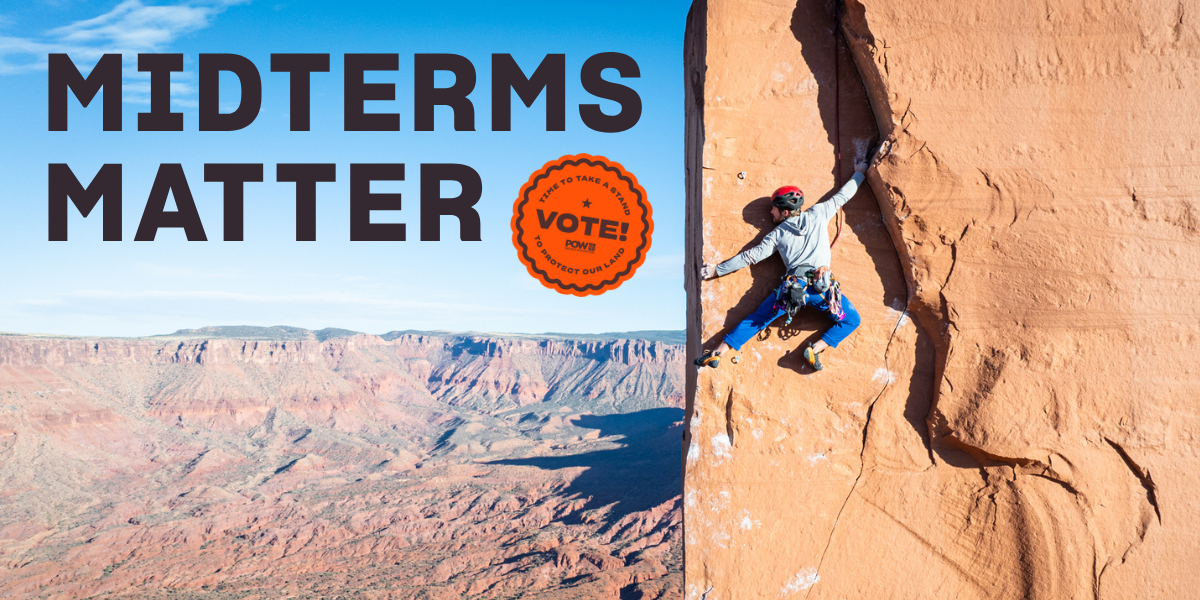
- 2021-2023: Legislative Volatility: While the Inflation Reduction Act (IRA) of 2022 marked the largest investment in climate action in U.S. history, it was met with immediate efforts to dilute its impact. Challenges to the Environmental Protection Agency’s (EPA) authority to regulate carbon emissions, specifically in the Supreme Court case West Virginia v. EPA, significantly altered the federal government’s ability to enforce the Clean Air Act.
- 2024: The Escalation of Land Auctions: Throughout 2024, federal agencies faced increasing pressure to open formerly protected areas to resource extraction. This included renewed debates over drilling in the Arctic National Wildlife Refuge (ANWR) and the streamlining of permits for mining operations on Bureau of Land Management (BLM) lands.
- The Judicial Turn: Recent rulings regarding the "Chevron deference" have fundamentally changed how federal agencies interpret laws. This legal shift means that protections for water and air quality are now more susceptible to being overturned in court unless Congress provides hyper-specific legislative language—a task made difficult by partisan gridlock.
These developments have created a sense of "systemic dismantling" that POW argues can only be halted by shifting the personnel within the legislative branch.
The Strategic Importance of the 2026 Midterms
The 2026 midterms will involve contests for all 435 seats in the House of Representatives and 33 of the 100 seats in the Senate. Additionally, 36 states will hold gubernatorial elections. These races will determine whether the current trajectory of environmental rollbacks continues or if a new legislative firewall is established.
Data from the 2022 midterms showed a voter turnout of approximately 52.2% of the voting-age population. While this was high for a midterm, it remains significantly lower than the 66% seen in the 2020 presidential election. POW’s goal is to bridge this "turnout gap" among outdoor enthusiasts. The organization’s internal metrics suggest that a significant portion of the Outdoor State consists of younger voters (Gen Z and Millennials) who are historically less likely to vote in midterms but are highly motivated by climate change issues.
The campaign, titled "Shift Who Decides," is designed to educate these voters on the direct link between their local trailhead or favorite ski resort and the policy decisions made in Washington, D.C. By focusing on the "margins," POW highlights that in many districts, the number of registered outdoor recreationists exceeds the margin of victory in previous elections.
Official Responses and Stakeholder Perspectives
While Protect Our Winters is a leading voice in this movement, the sentiment is echoed by various stakeholders across the outdoor industry. Trade organizations such as the Outdoor Industry Association (OIA) have increasingly aligned their advocacy with climate action, recognizing that a warming planet poses an existential threat to the winter sports industry and summer alpine activities alike.
"The outdoor industry is no longer a silent bystander in political discourse," noted a policy analyst familiar with the movement. "There is a growing realization that the ‘margins’ we talk about in climbing or backcountry skiing are mirrored in the political margins of our swing districts. The stakes—clean water, public access, and stable winters—are non-negotiable for this constituency."

Conversely, proponents of resource extraction and industrial expansion argue that rollbacks are necessary for national energy security and economic growth. This tension sets the stage for a highly contested 2026 cycle, where the definition of "land use" becomes a central campaign theme.
Fact-Based Analysis of Climate Implications
The implications of the 2026 elections extend beyond the immediate protection of scenic vistas. From a scientific and economic perspective, the failure to maintain climate momentum could have long-term repercussions:
- Snowpack and Water Security: The Western United States relies on snowpack for roughly 75% of its water supply. Continued climate deregulation accelerates warming trends that threaten the "natural reservoir" provided by mountain snow, impacting agriculture and municipal water supplies.
- The Transition Economy: The Inflation Reduction Act created a framework for a clean energy transition. A shift in Congressional power in 2026 could lead to the repeal of tax credits for renewable energy, potentially stalling billions of dollars in private investment and ceding the global green technology market to international competitors.
- Public Land Integrity: The "auctioning off" of public lands for short-term extraction can lead to habitat fragmentation and the permanent loss of biodiversity. Once these lands are developed, restoring them to their original state is often ecologically impossible.
Conclusion: The Path to Midterm Mountain
Protect Our Winters views the journey to the November 2026 elections as a "backcountry expedition" requiring preparation, conditioning, and a clear-eyed understanding of the terrain. The organization has committed to providing voters with digital tools to check registration, analyze candidate platforms, and understand the specific environmental issues at play in their local districts.
The "Shift Who Decides" campaign is a call to move from apathy to action. In the professional world of outdoor adventure, "winging it" is a recipe for failure; POW argues that the same logic must apply to civic engagement. As the 2026 cycle approaches, the Outdoor State is being asked to treat the ballot box with the same intensity they bring to the mountains, ensuring that the people writing the rules are held accountable to those who cherish and utilize the nation’s wild places.
By focusing on the 45 million eligible voters who form the backbone of the outdoor community, POW aims to make clean air, clean water, and a stable climate the defining issues of the next decade. The momentum of the 2022 midterms provides a foundation, but the 2026 cycle will determine if that momentum can be sustained in the face of persistent efforts to roll back environmental progress. In the high-stakes environment of American politics, the margin of victory may very well be found on the trails, the slopes, and the rivers.
