

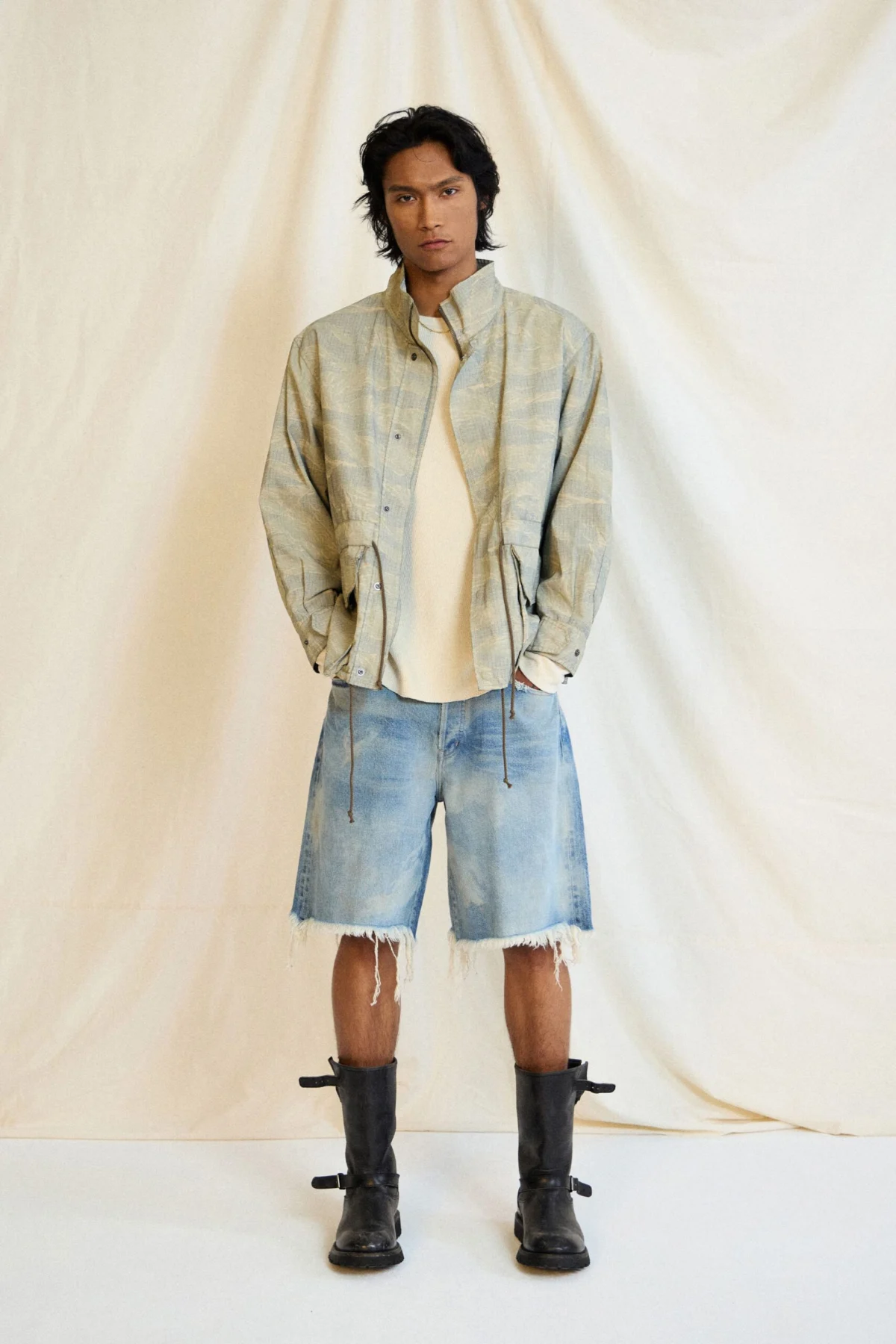
Los Angeles-based designer John Elliott presented his latest collection for Spring 2027, a meticulously crafted offering that delves deep into fabric development and innovative textile treatments. After fifteen years of building a reputation for elevated casual wear rooted in denim, T-shirts, sweats, and pieces inspired by workwear and military aesthetics, Elliott has pivoted towards a more experimental approach to textile creation, a journey that led him to Japan, the home base of his co-founder. "This is what we do best," Elliott stated, emphasizing a commitment to "getting to the yarn level and experimenting." This dedication to the granular details of material science has resulted in a collection that, while retaining Elliott’s signature aesthetic, offers a fresh perspective for his discerning clientele.
The genesis of this season’s collection can be traced back to Elliott’s core question: what newness could he introduce to his loyal customer base? The answer, he found, lay not in radical silhouette changes or entirely novel garment categories, but in the very construction and finish of the fabrics themselves. This pursuit of material novelty led him down an extensive research and development path, culminating in a series of groundbreaking textile applications. These explorations, described by Elliott as a "wormhole," have yielded a collection that speaks to a sophisticated understanding of material properties and their transformative potential.
Fabric Innovations Driving the Spring 2027 Collection
Central to the Spring 2027 collection are several key fabric innovations that underscore Elliott’s commitment to pushing the boundaries of textile design. A standout is the introduction of pigment-coated ripstop, a material that imbues garments with a unique textural quality and a subtle, worn-in appeal. This innovative fabric has been employed in the creation of roomy cargo shorts, a testament to Elliott’s foundational workwear influences, and a lightweight funnel-neck coat. The coat, featuring a bungee waist and rendered in a faded tiger camouflage, was lauded by Elliott for its "foggy texture," a descriptor that perfectly encapsulates the material’s ethereal yet substantial presence.
Further demonstrating his mastery of dyeing techniques, Elliott showcased charcoal-dyed cotton used for an oversized shirt-jacket. This piece is distinguished by its slightly patinated seams and an abundance of meticulously placed pockets, a nod to utilitarian design principles. The collection also features an easy-shirting option in a pale plaid, crafted from a silk noil-cotton blend. This material offers a distinctively "wobbly, uneven texture," a deliberate departure from conventional smooth weaves, adding a subtle tactile dimension.
In a move that highlights a dedication to robust, enduring garments, a jacket and workwear-style shorts have been constructed from a ridged twill. This fabric underwent a rigorous process of rubber coating followed by extensive stone washing. This treatment was designed to break down the material, imparting a deliberately weathered appearance that suggests a history of wear and tear, even in a new garment.
Perhaps the most captivating textile innovation presented is a pair of faded jeans treated with an "ice dye" process. This intricate technique involves freezing chemicals and water before allowing them to melt onto the denim. The resulting effect is a blurry, spill-like pattern, creating a unique and artistic finish that is both unpredictable and captivating. This method exemplifies Elliott’s willingness to engage with complex and time-intensive artisanal processes to achieve distinctive aesthetic outcomes.
The Context of John Elliott’s Design Philosophy
John Elliott’s journey in the fashion industry began with a clear vision: to offer meticulously crafted, yet accessible, everyday essentials. Founded in 2011, the brand quickly gained traction for its refined take on streetwear staples. Elliott’s early collections focused on perfecting the fit, feel, and durability of items like the T-shirt and hoodie, often utilizing premium fabrics and subtle design details that set them apart from mass-market alternatives. The brand’s growth has been steady, fostering a loyal following that appreciates its understated luxury and its ability to bridge the gap between athletic wear and contemporary fashion.
The brand’s expansion into more complex garments and fabrications reflects a natural evolution. The influence of Japanese textiles and craftsmanship has long been a significant factor in high-end fashion, and Elliott’s strategic partnership with his co-founder, who is based in Japan, has clearly facilitated a deeper engagement with this rich tradition. Japan is globally recognized for its pioneering work in denim production, innovative dyeing techniques, and advanced fabric development, making it an ideal hub for Elliott’s experimental ambitions. This strategic focus on material sourcing and development aligns with broader trends in the luxury fashion market, where provenance, craftsmanship, and unique material stories are increasingly valued by consumers.
A Balanced Approach: Appealing to the Adventurous and the Loyal
Elliott’s strategy for the Spring 2027 collection appears to be one of careful calibration. While the experimental fabrics and finishes are designed to capture the attention of his more "adventurous customers," the collection also ensures that his established clientele can continue to find the sportswear basics they have come to rely on. This includes the "easy-cut jersey basics and oversized basketball shorts" that have become hallmarks of the John Elliott brand. This dual approach ensures broad market appeal and caters to the diverse needs and preferences within his customer base.
"I think it’s very wearable," Elliott remarked about the collection, underscoring its practical application despite the innovative techniques. He further elaborated, "I think it’s very elevated. It’s all in the nuances." This statement encapsulates the designer’s philosophy: that true innovation and luxury often lie not in ostentatious displays, but in the subtle refinements and thoughtful execution of detail. The nuances of fabric texture, dyeing techniques, and finishing processes contribute to a sophisticated aesthetic that is both modern and timeless.
Supporting Data and Industry Trends
The fashion industry, particularly the menswear segment, has seen a growing demand for garments that offer both style and substance, with a significant emphasis on material quality and sustainable practices. According to a 2023 report by Grand View Research, the global menswear market was valued at $635.4 billion in 2022 and is projected to grow at a compound annual growth rate (CAGR) of 4.8% from 2023 to 2030. Within this market, the demand for premium and designer apparel, which often prioritizes innovative materials and craftsmanship, is a key driver.
Furthermore, consumer interest in the story behind a garment – its origin, materials, and production process – is on the rise. A 2024 survey by McKinsey & Company highlighted that a significant percentage of consumers, particularly Gen Z and Millennials, are willing to pay a premium for products with a transparent and ethical supply chain. John Elliott’s deep dive into fabric development, especially his engagement with Japanese textile expertise, directly addresses this consumer trend by offering a compelling narrative of craftsmanship and material innovation. The brand’s focus on nuanced experimentation, rather than fleeting trends, also aligns with a growing movement towards conscious consumption and investment in durable, high-quality pieces.
Chronology of Development and Presentation
The development of John Elliott’s Spring 2027 collection would have begun well over a year prior to its presentation. The research and development phase, particularly the exploration of new dyeing techniques and fabric coatings in Japan, likely spanned several months. This would have involved extensive prototyping and testing to ensure the desired aesthetic and performance qualities were achieved.
The design and sampling process would have followed, with pattern makers and garment constructors working closely with Elliott to translate his vision into tangible pieces. The selection of specific fabrics, like the pigment-coated ripstop and the ice-dyed denim, would have been a critical juncture in this phase.
The collection’s presentation, likely at a significant fashion week event such as New York Fashion Week Menswear or a dedicated show in Los Angeles, serves as the culmination of this extensive development cycle. These events provide a platform for designers to showcase their latest creations to buyers, press, and industry influencers, shaping the fashion landscape for the upcoming season. The timing of the Spring 2027 collection’s debut in late 2026 or early 2027 positions it within the established fashion calendar, allowing ample time for production, distribution, and retail placement before its official launch.
Potential Industry Reactions and Broader Implications
The Spring 2027 collection from John Elliott is poised to generate positive reactions from both industry critics and consumers. The emphasis on fabric innovation is likely to be a key talking point, solidifying Elliott’s reputation as a designer who prioritizes material excellence. This focus could inspire other designers to delve deeper into textile research and development, potentially driving further innovation across the industry.
For retailers, the collection offers a compelling narrative that can be communicated to customers. The unique textures, dyeing processes, and the story behind the Japanese fabric development provide strong selling points. The blend of avant-garde experimentation with classic sportswear silhouettes ensures that the collection has broad commercial appeal, catering to both fashion-forward individuals and those seeking elevated everyday wear.
The collection’s success could also have broader implications for the perception of American sportswear. By demonstrating a sophisticated approach to material science and craftsmanship, Elliott is contributing to the elevation of American fashion on a global scale. His commitment to exploring complex artisanal techniques, such as ice dyeing, signals a growing appreciation for traditional methods within a contemporary context, a trend that resonates with a global market increasingly interested in authentic and meticulously produced goods. This approach not only strengthens the John Elliott brand but also contributes to a richer and more diverse fashion landscape. The nuanced details and experimental fabrics showcased in this collection are likely to set a new benchmark for the designer and influence future collections from his brand and potentially others within the competitive menswear market.
