

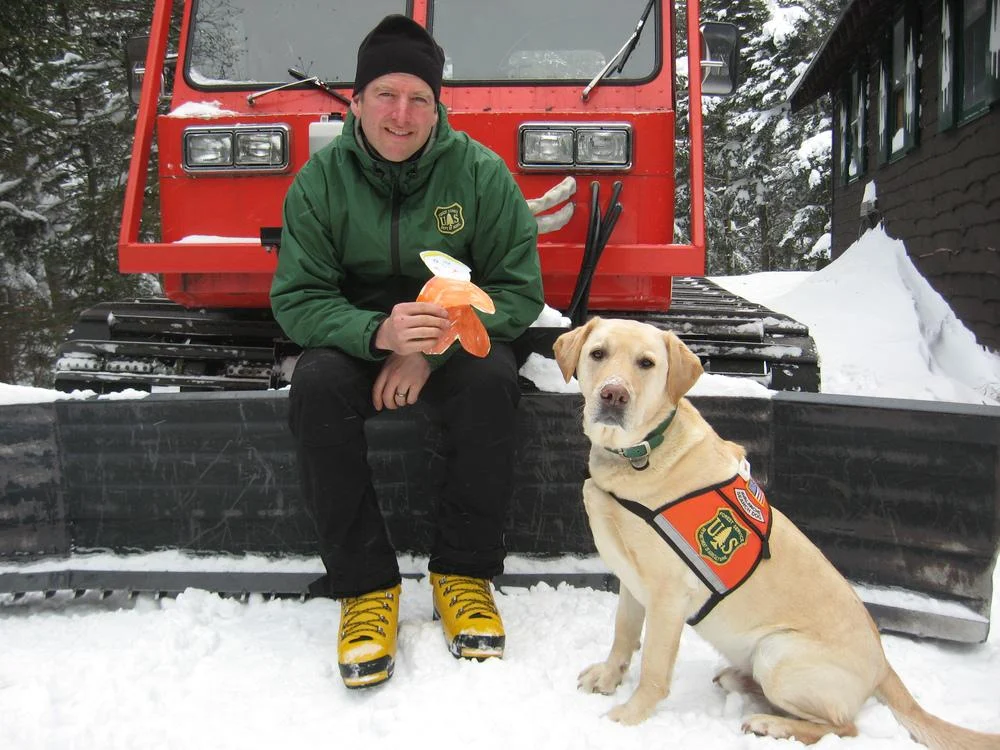
Cutler, a dedicated avalanche rescue dog who served with distinction for eleven years alongside the Mount Washington Avalanche Center (MWAC) in New Hampshire, has recently passed away. His remarkable career, which spanned nearly 80% of his life, was instrumental in enhancing safety for countless individuals venturing into the challenging terrain of the White Mountain National Forest. Beyond his critical search and rescue capabilities, Cutler was an invaluable ambassador for avalanche awareness, significantly aiding the Mount Washington Snow Rangers in their mission to educate the public on avalanche safety.
A Loyal Companion and Dedicated Rescuer
For over a decade, Cutler was a steadfast presence on Mount Washington, a mountain renowned for its extreme weather and unpredictable avalanche conditions. As an avalanche dog, his role was multifaceted and vital. Equipped with an extraordinary sense of smell, Cutler was trained to detect the faint scent of humans buried beneath snow. This innate ability, combined with rigorous training, made him an indispensable asset to the MWAC team. His presence on the mountain meant faster and more efficient searches in the event of an avalanche, potentially saving lives and reducing the severity of injuries.
The White Mountain National Forest, encompassing over 800,000 acres, is a popular destination for hikers, skiers, and snowboarders. However, its rugged topography and susceptibility to severe winter storms create a heightened risk of avalanches, particularly in areas like Tuckerman Ravine and the Presidential Range. The MWAC, a collaborative effort between the U.S. Forest Service and the Mount Washington Observatory, plays a crucial role in monitoring snowpack stability and providing avalanche forecasts to the public. Cutler’s participation in these efforts amplified the center’s effectiveness.
A Decade of Dedication: A Chronology of Service
Cutler’s tenure with the MWAC began approximately eleven years prior to his recent passing. This period coincided with a growing emphasis on avalanche safety education and the integration of canine units into search and rescue operations. His early years would have involved intensive training alongside his handler, likely a seasoned member of the Snow Ranger team. This training would have encompassed scent discrimination, obedience, and the unique demands of operating in avalanche debris.
Throughout his service, Cutler would have participated in numerous training exercises, simulating avalanche scenarios to maintain his proficiency. These exercises were crucial for ensuring his readiness for real-world emergencies. His consistent presence on the mountain, especially during peak winter seasons, underscores his unwavering commitment to his duty. It is estimated that for nearly 80% of his life, Cutler was actively engaged in making Mount Washington a safer place. This translates to an exceptional level of dedication, far exceeding the typical lifespan and working capacity of many working animals.
While specific dates of his deployments are not detailed in the initial report, it can be inferred that Cutler was active during periods of significant avalanche risk. This would include days with heavy snowfall, rapid temperature fluctuations, and the aftermath of storms that could destabilize the snowpack. His participation in patrols, educational outreach events, and potentially actual rescue operations cemented his legacy as a vital member of the MWAC.
Public Relations: More Than Just a Rescue Dog
The article highlights Cutler’s exceptional aptitude for public relations, a role that extended his impact beyond direct rescue operations. In this capacity, Cutler served as a powerful ambassador for avalanche safety. His presence at public events, educational programs, and even casual encounters with forest visitors helped to humanize the often-serious topic of avalanche awareness.
Avalanche safety is a critical concern for anyone venturing into mountainous winter environments. Understanding snowpack conditions, recognizing avalanche terrain, and knowing how to respond in an emergency are essential for survival. The MWAC, through its Snow Rangers, actively engages in outreach to disseminate this vital information. Cutler’s affable nature and the inherent fascination people have with rescue dogs made him an incredibly effective tool in this educational mission.
Through his interactions, Cutler likely helped to foster a greater appreciation for the work of the MWAC and the importance of heeding avalanche forecasts. Children and adults alike would have been drawn to him, creating opportunities for Snow Rangers to engage in conversations about safety. This "public relations" aspect of his work is often underestimated but is fundamental to building a culture of safety within outdoor recreation communities. By making avalanche safety more accessible and relatable, Cutler indirectly contributed to preventing incidents.
A Legacy Honored: Tributes and Recognition
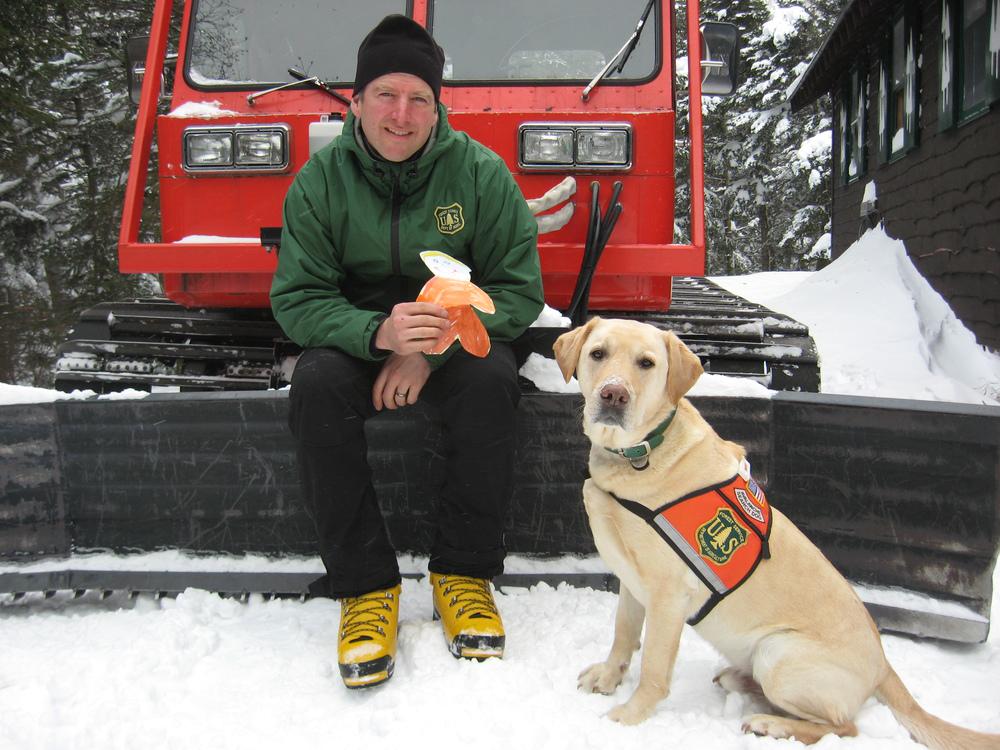
The passing of Cutler has been met with heartfelt tributes, a testament to the profound impact he had. Mount Washington Avalanche Center Director Chris Joosen has memorialized Cutler with a comprehensive blog post and accompanying photo album. This tribute, available on the MWAC website, serves as a poignant recognition of Cutler’s service and his enduring legacy. Such a detailed account from the center’s director underscores the deep respect and affection Cutler commanded within the organization.
The blog post, titled "Cutler the Life of an Avalanche Dog: Thanks Buddy for 14 Great Years," offers a more intimate look at Cutler’s life and contributions. While the original article states 11 years of service, Joosen’s blog title suggests a potential lifespan of 14 years, with his working career spanning a significant portion of that. This discrepancy in years might reflect the total time Cutler was with the center versus his active duty as a search dog. Regardless, the sentiment of gratitude and remembrance is clear.
Joosen’s account likely details specific anecdotes, challenges, and triumphs from Cutler’s career. The inclusion of a photo album further enriches the tribute, providing visual evidence of Cutler’s dedication, his partnership with his handler, and the environments in which he served. Images of Cutler and Joosen "going to work in Tuckerman’s Ravine" offer a glimpse into the demanding nature of their duties and the close bond they shared. These visual records are invaluable in preserving the memory of his service.
Supporting Data and Context: The Role of Avalanche Dogs
Avalanche dogs are highly specialized working animals trained to locate buried victims in avalanche debris. Their ability to detect human scent from beneath significant depths of snow, often up to 20 feet, is unparalleled by human searchers alone. The process of training an avalanche dog is rigorous and time-consuming, typically involving a partnership with a handler who must also be proficient in avalanche rescue techniques.
The effectiveness of avalanche dogs is well-documented. In successful avalanche rescues, the time factor is critical. Victims have a significantly higher chance of survival if rescued within the first 15 minutes. Dogs can cover large areas of avalanche debris much faster than human teams, significantly reducing the search time. Their keen sense of smell can also help to narrow down search areas, allowing human teams to focus their efforts more efficiently.
The MWAC’s reliance on canine units like Cutler is indicative of the broader trend in avalanche safety and search and rescue operations worldwide. Organizations like the National Avalanche Center and various rescue associations recognize the indispensable role of trained avalanche dogs in saving lives. The psychological impact of seeing a rescue dog at work can also be significant, offering hope and reassurance to those involved in search operations.
Broader Implications and Future Outlook
The passing of Cutler marks the end of an era for the Mount Washington Avalanche Center and the community it serves. His eleven years of dedicated service represent a significant contribution to public safety in one of the most challenging alpine environments in the United States. The loss of such a skilled and beloved member of the team will undoubtedly be felt.
However, Cutler’s legacy will endure. The knowledge and experience gained during his tenure will continue to inform the MWAC’s operations and training protocols. The success of his public relations efforts means that the awareness of avalanche safety he helped to foster will likely persist. Furthermore, the training and development of new avalanche dogs will ensure that this vital capability remains a cornerstone of the MWAC’s mission.
The ongoing need for effective avalanche safety measures on Mount Washington cannot be overstated. As outdoor recreation continues to grow in popularity, and as climate change potentially influences weather patterns and snowpack stability, the role of organizations like the MWAC and their specialized assets, such as avalanche dogs, becomes even more critical. Cutler’s life serves as a powerful reminder of the dedication and unique contributions of these four-legged heroes in safeguarding human lives in the unforgiving beauty of the mountains. His memory will undoubtedly inspire future generations of handlers and their canine partners.
