

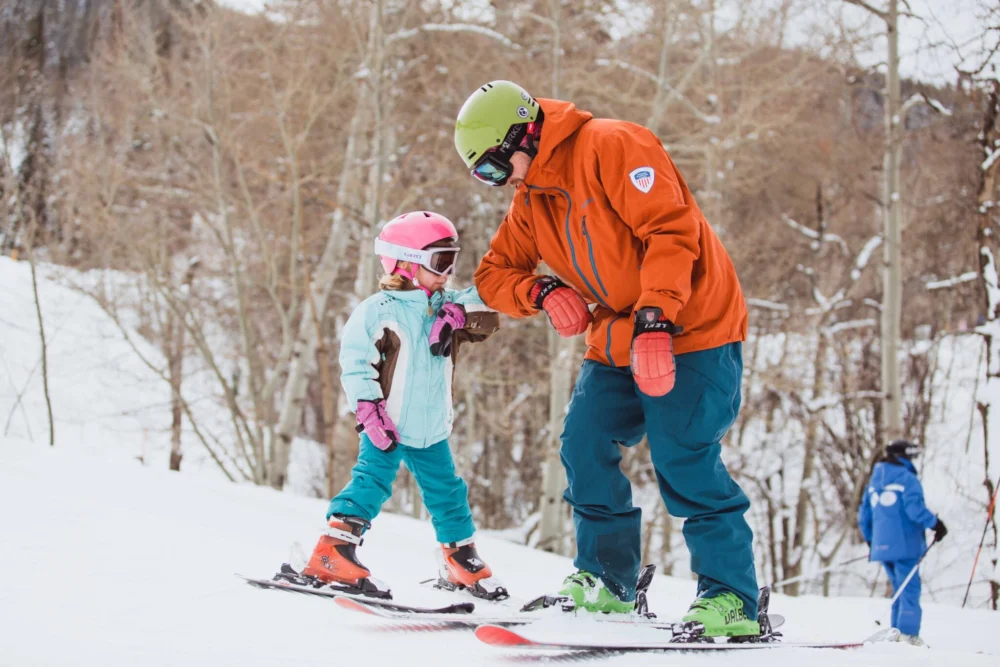
In a significant evolution of professional development for snowsports instructors, the Professional Ski Instructors of America and American Association of Snowboard Instructors (PSIA-AASI) is placing renewed emphasis on four core "People Skills" fundamentals: Trust, Communication, Me (self-management), and You (understanding others). These competencies, long recognized implicitly in effective teaching, are now explicitly defined as measurable behaviors, underscoring a strategic shift from purely technical and pedagogical instruction to a holistic, human-centered approach. Dave Schuiling, PSIA-AASI Director of Education and Credentialing, highlights that this framework is not a novel invention but rather a streamlined, accessible way to articulate existing best practices, emphasizing that these are learned, measurable professional skills, not inherent personality traits. This initiative reflects a broader trend across various industries recognizing the indispensable role of emotional intelligence and interpersonal competence in fostering optimal learning environments and professional success.
The Evolution of Snowsports Instruction: A Historical Context
For decades, the bedrock of snowsports instruction centered on technical mastery and movement analysis. Instructors were rigorously trained to understand biomechanics, equipment dynamics, and the precise execution of turns and maneuvers. The subsequent evolution incorporated pedagogical principles, teaching instructors how to effectively transfer technical knowledge, structure lessons, and manage groups. However, the current emphasis on "People Skills" marks a crucial third pillar in instructor development. This progression acknowledges that even the most technically proficient and pedagogically sound instructor can fall short if they fail to connect with students on a human level, build rapport, and foster a psychologically safe learning space. PSIA-AASI, as the leading educational organization for snowsports instructors in the U.S., plays a pivotal role in setting these industry standards, ensuring that its more than 32,000 members are equipped with a comprehensive skill set that addresses both the physical and psychological dimensions of learning. This contemporary approach recognizes that the success of a lesson extends beyond skill acquisition; it encompasses the student’s overall experience, enjoyment, and sustained engagement with the sport.
Trust: The Unseen Foundation of Accelerated Learning
At the core of effective instruction lies trust. PSIA-AASI posits that if a student does not feel psychologically safe, their capacity for learning significantly diminishes or even ceases entirely. This principle is not anecdotal but is firmly rooted in academic research. Harvard Business School professor Amy Edmondson’s extensive work on psychological safety demonstrates that individuals, whether in a corporate team or a learning environment, perform and learn better when they believe they will not be embarrassed, punished, or humiliated for making mistakes. In the dynamic, often intimidating environment of a ski slope, this translates directly to critical instructor behaviors:
- Ensuring Physical Safety: Beyond the obvious, this includes creating an environment where students feel secure enough to attempt new movements.
- Instructor Competence: Demonstrating expertise and control reassures students.
- Clear Expectations: Setting transparent goals and boundaries reduces anxiety.
- Consistent Behavior: Predictability in the instructor’s actions builds confidence.
- Valuing Mistakes as Learning Opportunities: Shifting the perception of errors from failures to essential steps in the learning process.
Trust, therefore, is not an initial given but a cultivated outcome, often built through the deliberate application of the other three people skills. Instructors can intentionally foster trust by being fully present, actively listening, asking insightful questions, and consistently following through on commitments. Post-lesson reflection, such as "Did my students take risks today?" or "Did they push boundaries and work with me through the learning struggle?", serves as a direct indicator of whether trust has been successfully established. When students feel secure enough to venture beyond their comfort zones, it signals a strong foundation of trust, enabling accelerated learning and deeper engagement.
Communication: Fostering Dialogue, Not Dictation
The PSIA-AASI framework emphasizes communication as a dialogue rather than a monologue, drawing heavily from the work of psychologist Lev Vygotsky. Vygotsky’s socio-cultural theory of development posits that knowledge is constructed socially through interaction. This means that learning is not merely an information transfer from instructor to student but an active, collaborative process where students build understanding from the ground up. In the context of snowsports, this translates to:
- Asking Open-Ended Questions: Encouraging students to articulate their experiences and perceptions.
- Inviting Input and Feedback: Making students active participants in lesson planning and adjustment.
- Active Listening: Truly hearing and understanding student concerns, observations, and goals.
- Seeking Understanding: Paraphrasing student statements to confirm comprehension.
- Checking for Understanding: Rather than assuming, verifying that students have grasped concepts.
A key practical discipline for instructors is to speak less and listen more. Instead of a directive like, "Here’s what you need to do," a more effective approach is to ask, "What feedback were you getting from your ski(s)/board?" or "What do you think is happening there?" When students are prompted to articulate their own experiences and hypotheses, retention rates significantly increase, and they develop a greater sense of ownership over their learning journey. This interactive communication style empowers students, transforming them from passive recipients of information into active agents in their own development, a crucial factor for sustained improvement and enjoyment in snowsports.
Managing "Me": Emotional Regulation as a Leadership Imperative
Perhaps the most frequently overlooked professional skill in many fields, including snowsports instruction, is the ability to manage one’s own emotional state. PSIA-AASI recognizes this as "Managing Me," a concept deeply aligned with Daniel Goleman’s foundational work on emotional intelligence. Goleman identifies self-awareness and self-regulation as critical leadership competencies. Instructors, by their very role, are leaders on the snow, and their emotional state profoundly influences the learning climate. Students are highly attuned to their instructor’s non-verbal cues. If an instructor appears rushed, frustrated, or anxious, students will often mirror these feelings, leading to tension, reduced focus, and diminished coachability. Conversely, a calm, present instructor fosters a more relaxed and receptive learning environment.
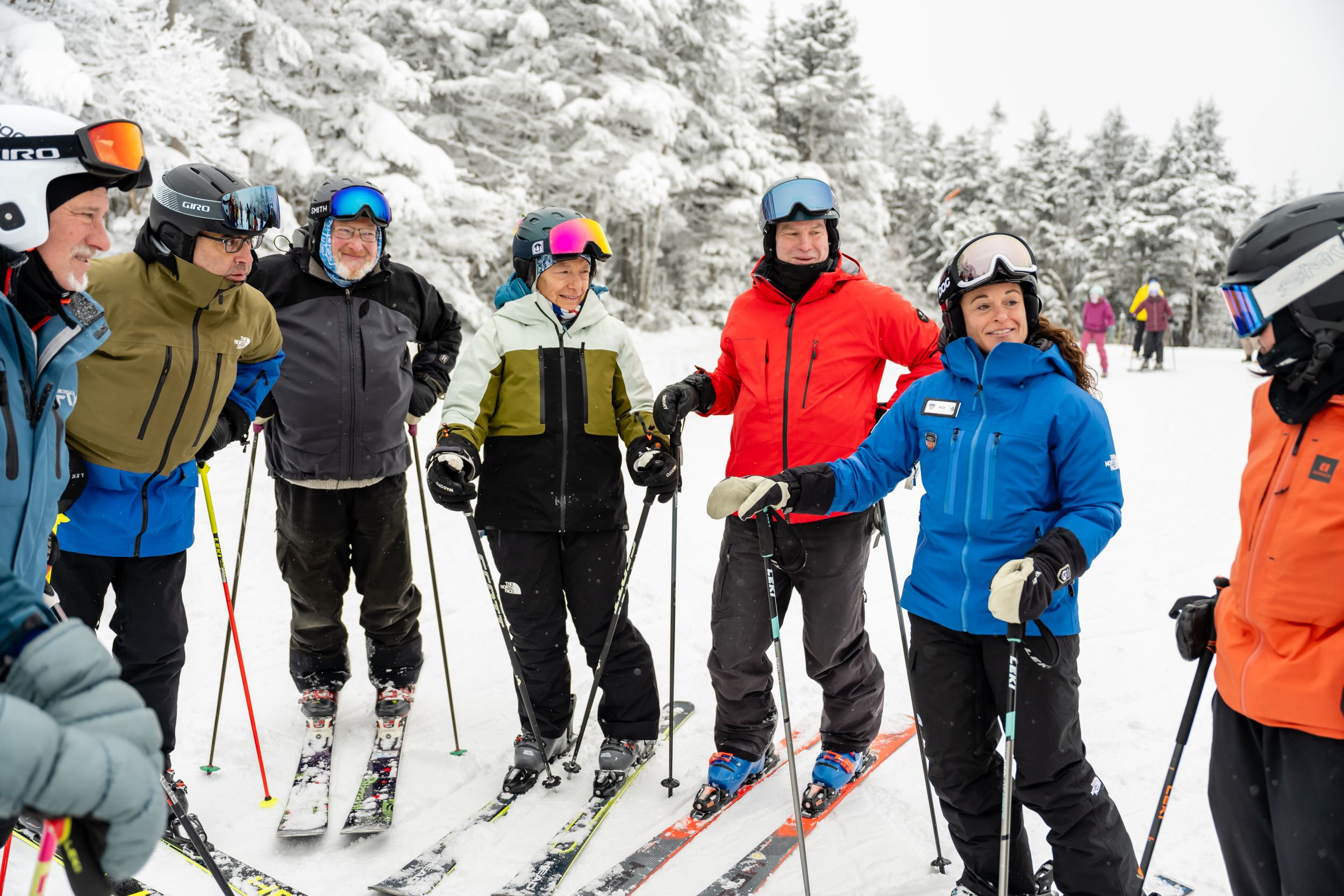
A core tenet of this skill is the validation of feelings. As leadership coach Todd Musselman suggests, "No one ever got a feeling wrong." Feelings are data, not mistakes. If a student expresses, "This feels terrifying," a dismissive logical correction ("You’re safe") might be factually true but bypasses the student’s emotional reality. Instead, validating their feeling ("From here, it does look steep. I can see why that feels intimidating") acknowledges their experience without necessarily agreeing with their interpretation. This moment of validation can significantly regulate the student’s nervous system, strengthen the instructor-student connection, and dramatically increase coachability. Instructors can practice managing "Me" through techniques like conscious pausing, deep breathing, mindful observation of their own internal state, active listening, and deliberately choosing a constructive response. This self-awareness, like any skill, improves with consistent repetition and reflection, becoming a powerful tool for creating optimal learning conditions.
Understanding "You": Motivation Through Attunement
Building on the foundation of self-management, "Understanding You" focuses on the instructor’s ability to tune into and address the unique motivational needs of each student. PSIA-AASI draws upon Self-Determination Theory (SDT), developed by psychologists Edward Deci and Richard Ryan, which posits that people are most intrinsically motivated when three fundamental psychological needs are met:
- Autonomy: The feeling of choice and control over one’s actions.
- Competence: The feeling of being effective and capable.
- Relatedness: The feeling of connection and belonging with others.
These needs are evident daily on the slopes. Students demonstrate greater engagement when they are offered choices (e.g., "Would you prefer to work on short turns or explore this gentle slope first?"), when they experience incremental successes that affirm their capability, and when they feel a genuine connection with their instructor and peers. Cultivating this understanding is an active, practiced skill, not an automatic response. In training clinics, instructors are encouraged to listen intently to students’ expressions of needs, goals, and fears, specifically identifying which of the three SDT needs might be at play. The goal is not to immediately "fix" perceived problems but to first deeply understand the student’s perspective. When students feel truly understood, their openness to coaching and their intrinsic motivation to learn significantly increase, transforming a transactional lesson into a profoundly impactful learning experience.
The "Learning Connection" and Observable Behaviors
The integration of these People Skills is central to PSIA-AASI’s overarching "Learning Connection"SM framework, which synergistically links technical, teaching, and people skills. Technical skills provide the understanding of how body movements and equipment performance create specific outcomes on snow. Teaching skills facilitate the connection between students and the learning environment, enabling the development and refinement of movement patterns. Crucially, People Skills bridge the gap between student and instructor, unlocking a myriad of possibilities for enhanced learning and overall experience.
To ensure these skills are not merely theoretical constructs but actionable, measurable behaviors, PSIA-AASI provides clear criteria for observation and feedback. During peer observations, training clinics, or self-reflection, instructors can align their feedback to these fundamentals:
- Trust: Did the student feel safe enough to experiment? Were mistakes viewed as learning opportunities? Did the instructor listen and value input?
- Communication: Did the instructor ask questions? Did they actively listen? Did they invite student input and check for understanding?
- Managing Self: Was the instructor calm and present? Did they validate student feelings? Did they manage their own reactions effectively?
- Understanding Others: Did the instructor attune to the student’s needs? Did they offer choices? Did they listen for underlying motivations (autonomy, competence, relatedness)?
This structured approach allows for sharper awareness and targeted development. It moves beyond subjective assessments of an instructor’s "personality" to objective evaluations of their professional behaviors.
Broader Impact and Implications for the Snowsports Industry
The formalization and emphasis on People Skills by PSIA-AASI carries profound implications for individual instructors, students, and the snowsports industry at large:
- For Instructors: It provides a clear roadmap for professional growth beyond technical prowess, leading to greater job satisfaction, reduced burnout, and enhanced career longevity. Instructors who master these skills are likely to have higher student retention rates and receive more positive feedback, solidifying their reputation and demand.
- For Students: The direct beneficiaries are students who will experience more effective, engaging, and enjoyable lessons. Feeling safe, understood, and motivated fosters faster skill acquisition, greater confidence, and a deeper, lasting passion for snowsports. This translates to higher customer satisfaction and repeat business for resorts.
- For the Snowsports Industry: By elevating the quality of instruction, the industry can attract and retain more participants, countering potential declines in engagement. Enhanced safety through improved trust and communication can also contribute to reduced incidents and liabilities. Furthermore, this commitment to holistic instructor development positions the industry as a leader in experiential education, demonstrating a deep understanding of human psychology and learning.
In conclusion, the most effective snowsports instructors are not just technically accurate; they are intentional architects of connection. They deliberately cultivate trust, engage in meaningful dialogue, regulate their own emotional state, and genuinely seek to understand their students’ motivations. These "People Skills" are not accidental talents but professional competencies that, like movement skills, can be honed through consistent practice, constructive feedback, and an enduring sense of curiosity. PSIA-AASI’s leadership in formalizing this framework underscores a vital truth: in human-centric professions, the ability to connect, empathize, and inspire is as critical as any technical expertise, shaping not just lessons, but lifelong passions.
