

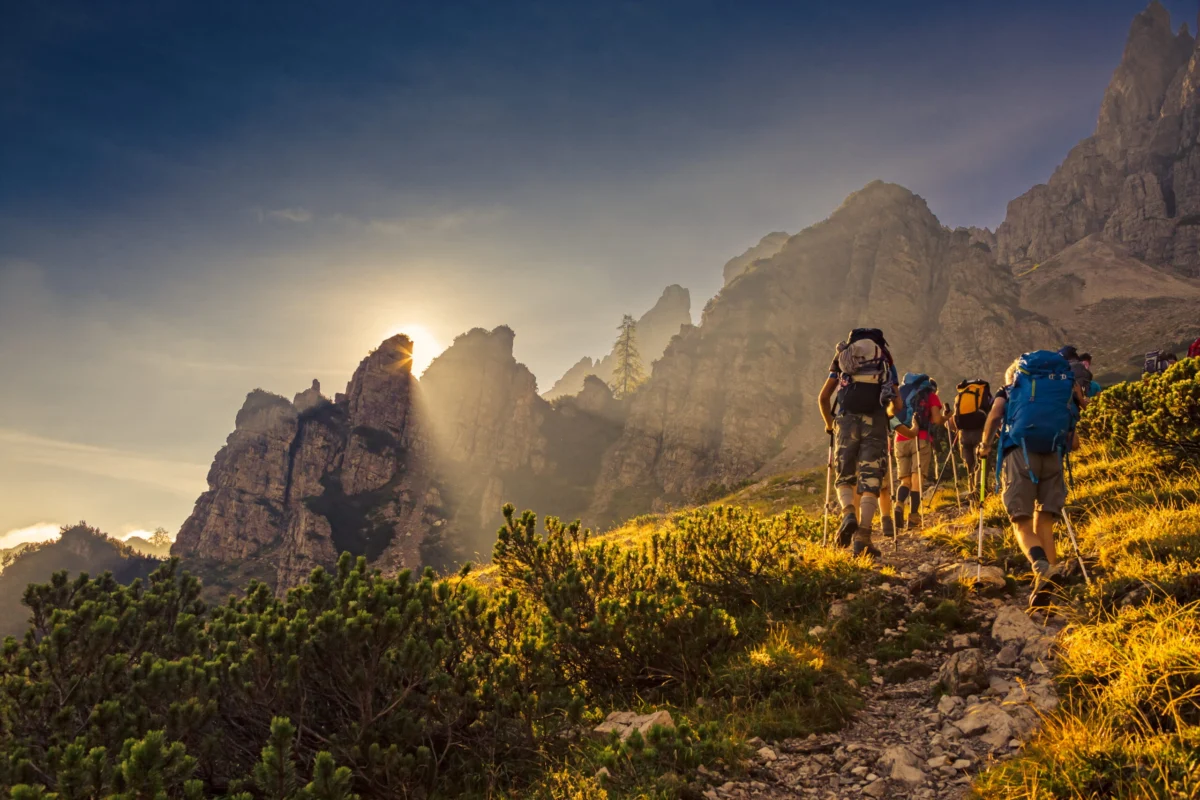
The 2026 Backpacking Report provides a comprehensive look at the participation rates, demographic shifts, and economic factors influencing one of the most demanding forms of outdoor recreation. According to the data, 9.3 million Americans went backpacking at least once in 2025. Within this group, a "core" segment of approximately 2.5 million participants spent eight or more nights on the trail during the year. These core participants are considered the lifeblood of the industry, as they are the primary consumers of high-end specialty gear, such as ultralight tents, technical sleeping bags, and specialized navigation tools. However, this core participation rate has seen a 5% decline over the past 12 months, reflecting a broader cooling of the backpacking market.
A Decade of Fluctuating Participation
To understand the current state of backpacking, it is necessary to examine the participation trends over the last decade. The activity reached a historic peak in 2017, when nearly 11 million Americans identified as backpackers. This era was characterized by the rising popularity of "thru-hiking" culture, fueled in part by mainstream media portrayals of long-distance trails like the Appalachian Trail and the Pacific Crest Trail. Following this peak, participation began a slow but steady decline, which was further complicated by the global events of 2020.
While the COVID-19 pandemic triggered a historic surge in outdoor participation, backpacking did not benefit from the "pandemic bump" in the same way as other activities. Between 2020 and 2024, hiking participation skyrocketed to 63.6 million people, and tent camping grew to include 42 million participants. Backpacking, by contrast, remained stagnant or declined. Analysts attribute this disparity to the "barrier to entry" inherent in backpacking. Unlike day hiking or car camping, backpacking requires a significant investment in lightweight gear, specialized knowledge of food storage and water filtration, and a higher level of physical fitness. During the pandemic, many new outdoor enthusiasts sought "low-friction" activities, choosing the safety and convenience of day trips over the complexities of overnight backcountry travel.
In the past year alone, the industry saw a loss of approximately 650,000 backpackers. This suggests that the "COVID-era" hikers who might have been expected to graduate to backpacking are instead remaining within the more accessible realms of day hiking and front-country camping.
The Gateway Effect: Hiking and Camping as Feeders
Despite the recent dip in numbers, the OIA report identifies a massive "untapped" market within the existing outdoor community. The sheer volume of hikers and campers represents a pool of potential backpackers that the industry has yet to fully engage. Currently, data shows that 7.8% of day hikers and 12.1% of tent campers also participate in backpacking.
The significance of these overlapping demographics cannot be overstated. Millions of Americans already own the foundational gear—such as moisture-wicking apparel, hiking boots, and basic cooking equipment—and possess the fundamental skills needed to navigate a trail. The challenge for the industry and conservation organizations is to bridge the gap between a day hike and an overnight trip. By lowering the perceived difficulty and increasing access to education, the industry aims to convert a larger percentage of the 63.6 million hikers into the "next wave" of backpackers.
Demographic Shifts and the Influence of Thru-Hiking
The 2026 report delves deep into the demographics of the modern backpacker, revealing shifts in sex, age, region, and ethnicity. One of the most notable findings is the growth of women’s backpacking communities. Historically a male-dominated activity, backpacking has seen a surge in female-led groups and gear designed specifically for women. These communities provide social support and safety, which are often cited as the primary barriers for women entering the backcountry.
Age also plays a critical role in the report’s findings. While the "youth movement" is often the focus of outdoor marketing, the report highlights a significant trend among older adults. These "legacy" backpackers are increasingly passing the tradition down to their grandchildren, creating a multi-generational interest in the outdoors. This "grandparent-to-grandchild" pipeline is viewed as a vital stabilizing force for the industry, ensuring that wilderness skills are preserved across generations.
Furthermore, the influence of thru-hikers remains a potent marketing force. Although they represent a small fraction of total participants, thru-hikers act as "influencers" in the truest sense. Their gear choices and trail experiences, often shared via social media, dictate trends in the specialty retail market. The report examines how the "ultralight" movement, pioneered by thru-hikers, has trickled down to casual backpackers, driving demand for more expensive, high-tech materials.
The Economic Reality of the Backcountry
A critical component of the OIA report is the analysis of gear costs at specialty retail. Backpacking is an inherently gear-intensive activity, and the cost of "essential" items has risen alongside general inflation. A standard "Big Three" setup—comprising a lightweight tent, a sleeping system, and a backpack—can easily exceed $1,000 at specialty retailers. When adding technical apparel, stoves, and emergency satellite communicators, the financial barrier to entry becomes substantial.
This economic pressure is cited as one of the reasons for the 5% drop in core participation. While dedicated enthusiasts are willing to invest in high-performance equipment, casual participants may be priced out or choose to rent gear rather than own it. The report suggests that the industry may need to focus on more entry-level, durable gear options to attract younger or lower-income participants who are currently deterred by the high cost of "pro-level" equipment.
Regional Variations and Environmental Factors
Geographic data in the report shows that backpacking participation remains strongest in the Western United States, where large swaths of public land and iconic National Parks provide ample opportunities for multi-day trips. However, regions like the Southeast and the Northeast are seeing growth in "micro-adventures"—shorter, one-to-two-night trips that are more accessible to urban populations.
The report also touches upon the environmental challenges facing the industry. Climate change has led to shorter winter seasons and more intense wildfire seasons, particularly in the West. These factors have shortened the "peak" backpacking window, leading to increased crowding on popular trails and a more competitive permit system. Inferred reactions from land management agencies suggest that "permit fatigue" is a growing deterrent for potential backpackers, as the administrative burden of planning a trip can be as taxing as the physical effort of the hike itself.
Industry Implications and the Path Forward
The findings of the 2026 Backpacking Report serve as a wake-up call for the outdoor industry. The decline in participation suggests that the traditional methods of marketing backpacking may no longer be effective in a landscape dominated by "fast and light" day activities.
To reverse the trend, the OIA highlights several strategic opportunities:
- Focus on the "Graduation" Model: Marketing efforts should target the 60 million+ hikers and campers, framing backpacking as a natural progression of their current hobbies rather than a separate, daunting discipline.
- Investment in Diversity: Supporting women’s communities and ethnic minority outdoor groups is essential for broadening the participant base and ensuring the long-term health of the industry.
- Education as a Service: Retailers are encouraged to move beyond selling products and start offering experiences, such as "Intro to Backpacking" clinics and guided overnight trips, to lower the knowledge barrier.
- Addressing the "Core" Decline: Brands must find ways to retain core participants through innovation and community building, ensuring that the 2.5 million "eight-plus night" backpackers remain engaged.
In conclusion, while the headline figure of 9.3 million participants shows that backpacking remains a significant American pastime, the underlying data reveals a sector in transition. The "next wave" of backpackers is already on the trails, currently carrying daypacks and sleeping in car-side tents. The industry’s ability to provide these individuals with a compelling reason to spend the night in the backcountry will determine the future of wilderness exploration in the United States. As the 2026 report suggests, the opportunity is vast, but the challenge of conversion is real. The trail ahead for the backpacking industry will require a focus on accessibility, affordability, and the fostering of a more inclusive outdoor culture.
