

The conceptualization of climate change has transitioned from a strictly environmental concern to a fundamental challenge of collective action and, by extension, a critical test for democratic institutions. Because no single individual possesses the capacity to stabilize the global climate, the crisis necessitates systemic solutions—ranging from the modernization of power grids and the establishment of national pollution standards to the deployment of large-scale public investments. These requirements place the burden of progress on the functionality of the democratic process, where the outcomes are determined by who governs, who is granted a seat at the decision-making table, and the mechanisms of accountability that govern public officials. In recent years, the United States has witnessed a significant shift in federal energy and environmental priorities, leading to a period of intense policy reversals that have reshaped the landscape of American climate action.
The Legislative Shift: Dismantling the Inflation Reduction Act
The trajectory of U.S. climate policy underwent a profound transformation following the implementation of the 2025 budget law, colloquially referred to by its proponents as "One Big Beautiful Bill." This legislation targeted the core provisions of the Inflation Reduction Act (IRA), which had previously stood as the most significant federal investment in climate and clean energy in the nation’s history. By gutting these provisions, Congress fundamentally altered the economic incentives for the burgeoning green energy sector.
Key components of this legislative rollback included the accelerated expiration of tax credits for wind and solar energy, which had been instrumental in driving the cost of renewables below those of fossil fuels in many regions. Furthermore, the law eliminated consumer-facing incentives for electric vehicles (EVs) and home energy efficiency improvements. Market analysts noted that these disruptions created a climate of uncertainty for American manufacturers, particularly in the battery and EV supply chains, which had begun to localize production following the 2022 climate mandates. The sudden removal of federal support has been criticized by industry leaders for hampering the development of an affordable and reliable energy system, potentially ceding leadership in the global clean energy transition to international competitors.
Administrative Obstacles and the Fossil Fuel Pivot
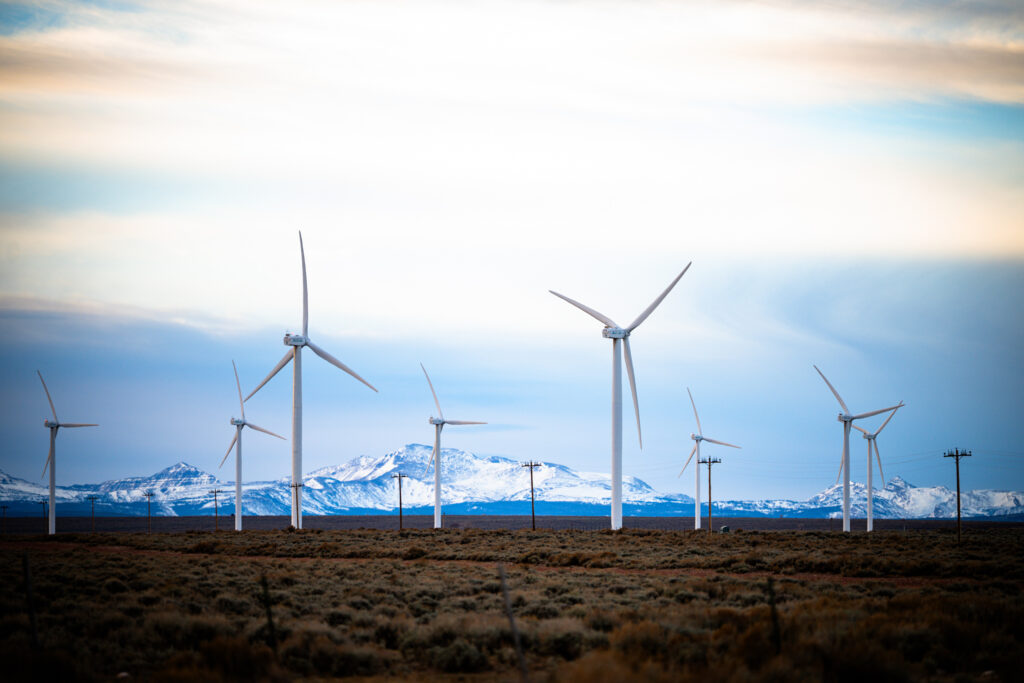
Parallel to legislative changes, the executive branch implemented a series of administrative maneuvers designed to prioritize fossil fuel extraction over renewable energy development. This shift was characterized by the creation of what critics describe as a "federal obstacle course" for clean energy projects. Under new directives, wind and solar projects proposed for public lands were subjected to elevated political reviews, a move that introduced significant delays and increased the cost of capital for developers.
Simultaneously, the administration suspended or delayed numerous offshore wind leases, citing the need for further study, while concurrently streamlining the permitting process for oil and gas drilling, mining, and coal extraction. This policy shift effectively ended the "all-of-the-above" energy strategy that had characterized previous administrations. By eroding the environmental review process for traditional energy sources while erecting new barriers for renewables, federal policy favored mature fossil fuel industries over the fastest-growing sources of new electricity. Data from the Department of the Interior indicated a sharp increase in the acreage of public lands offered for oil and gas leasing during the 2025–2026 period, marking a significant departure from previous conservation-focused management.
The Reconfiguration of the Environmental Protection Agency
The Environmental Protection Agency (EPA), the primary federal body tasked with safeguarding human health and the environment, has seen its mission significantly redefined under the leadership of Administrator Lee Zeldin. The administration’s approach focused on aggressive deregulation, which it heralded as the "largest deregulatory action in U.S. history." This effort resulted in the weakening of pollution safeguards and the removal of federal limits on carbon emissions from power plants—a cornerstone of previous efforts to align the U.S. with international climate goals.
The impact of this shift is most evident in the EPA’s enforcement data. In 2025, federal civil enforcement cases against corporate polluters dropped to their lowest level in the modern history of the agency. This decline in oversight has raised concerns among public health advocates regarding the long-term effects on air and water quality, particularly in marginalized communities that bear a disproportionate burden of industrial pollution. The hollowing out of the agency’s enforcement capacity represents a fundamental change in the relationship between the federal government and industrial interests, moving away from a regulatory model toward one of industry self-policing.
Chronology of Public Land Deregulation: 2025–2026
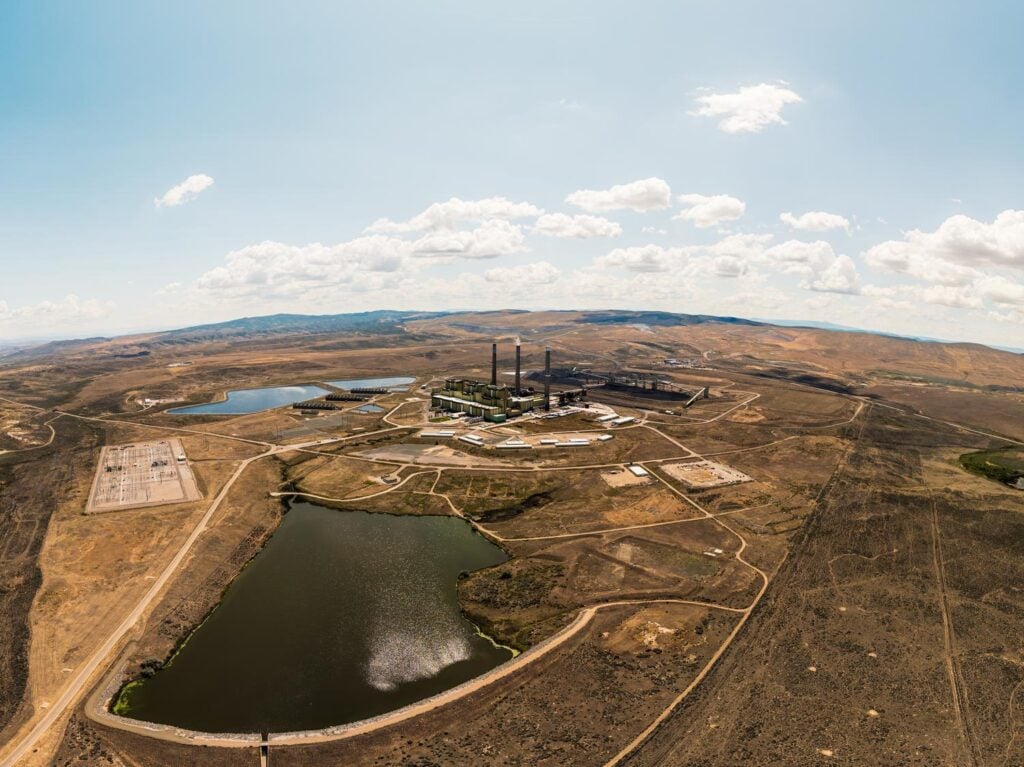
The management of public lands emerged as a primary battlefield for the administration’s energy and environmental agenda. A series of executive actions between 2025 and 2026 systematically reduced protections for some of the nation’s most ecologically and culturally significant landscapes:
- July 2026: President Trump authorized the removal of protections from more than 90 percent of the land within the Bears Ears and Grand Staircase-Escalante National Monuments in Utah. This action stripped safeguards from millions of acres, affecting sacred Tribal sites and irreplaceable cultural resources.
- November 2025: The administration revoked Biden-era limits on oil drilling in Alaska, specifically targeting the National Petroleum Reserve-Alaska (NPRA). This move eliminated protections across more than 10 million acres, opening the region to expanded extraction.
- Late 2025: The coastal plain of the Arctic National Wildlife Refuge (ANWR) was reopened for oil and gas leasing. This decision was met with stiff opposition from Alaska Native communities and environmental groups, who argued that drilling in the refuge poses an existential threat to local wildlife and the global climate.
The cumulative effect of these actions has been to reclassify public lands as inventory for extraction rather than a shared inheritance to be conserved. This pivot has significant implications for biodiversity, carbon sequestration, and the rights of indigenous nations who have historically stewarded these lands.
The Legislative Counter-Response: The Environmental Health Restoration Act
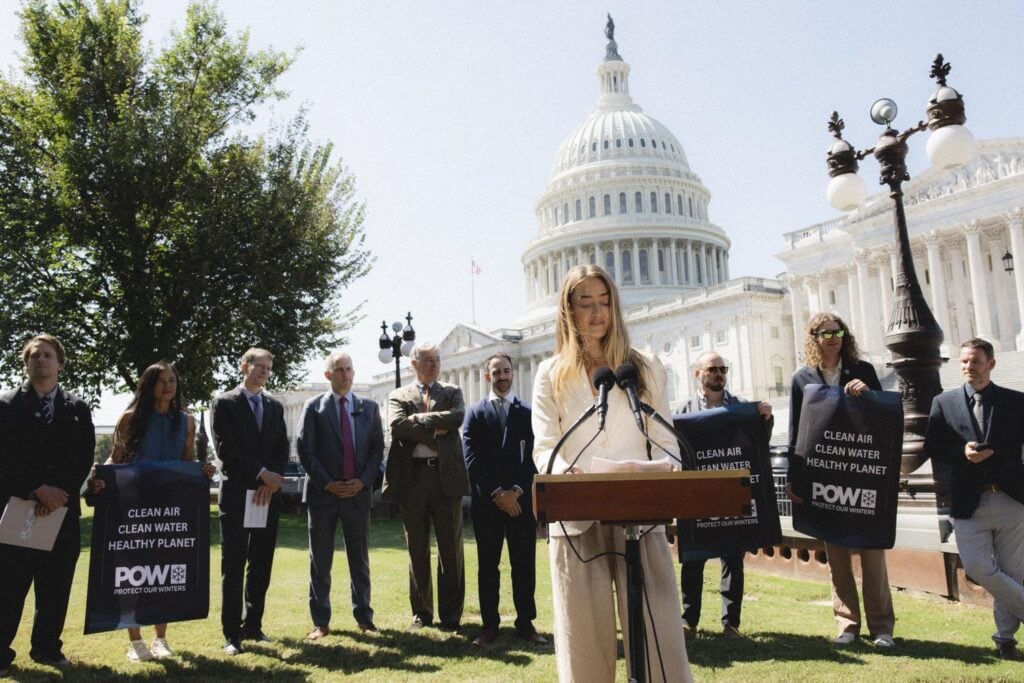
In response to the systematic dismantling of environmental protections, a coalition of lawmakers and advocacy groups introduced the Environmental Health Restoration Act (EHRA). Led by Representative Sean Casten and Senator Sheldon Whitehouse, the legislation seeks to restore the EPA’s core mission and mandate. The bill is grounded in the principle that the agency must be legally required to protect the public from pollution and hold corporate actors accountable.
The introduction of the EHRA was supported by a diverse mobilization of the "Outdoor State"—a demographic comprising athletes, scientists, business leaders, and outdoor enthusiasts. Organizations such as Protect Our Winters (POW) played a central role in bringing these stakeholders to Washington, D.C., to advocate for the bill. The advocacy effort emphasized that clean air, clean water, and a stable climate should be treated as fundamental public rights rather than political bargaining chips. This movement highlights the growing realization that environmental health is inextricably linked to the strength of democratic participation and the ability of organized citizens to influence policy.
Economic and Scientific Analysis of Policy Reversals
The shift in federal policy occurs against a backdrop of clear scientific and economic trends. According to the Intergovernmental Panel on Climate Change (IPCC), the window for limiting global warming to 1.5 degrees Celsius is rapidly closing, requiring immediate and deep emissions reductions across all sectors. The policy rollbacks of 2025–2026, however, move the United States in the opposite direction by encouraging the expansion of fossil fuel infrastructure that could lock in high emissions for decades.
Economically, the move to stifle renewables contradicts market trends. Before the 2025 legislative changes, the levelized cost of energy (LCOE) for utility-scale solar and wind had dropped by 89% and 70%, respectively, over the previous decade. By reintroducing barriers to these technologies, federal policy risks inflating energy costs for consumers in the long run. Furthermore, the global shift toward green technology represents a multi-trillion-dollar market opportunity. Analysts suggest that by retreating from climate leadership, the U.S. may lose its competitive edge in the industries of the future, leading to potential job losses in the manufacturing and technology sectors.
The Role of the Electorate and the Path Toward a "Climate Renaissance"
As the United States approaches the midterm elections, the debate over climate policy has become a central issue for voters. The events of the past two years have demonstrated how quickly long-standing environmental progress can be reversed through legislative and executive action. This has created a sense of urgency among advocates who argue that the future of the climate is directly tied to the outcome of elections at every level of government.
A potential "Climate Renaissance" would involve more than just a restoration of previous policies. It would require the construction of a more durable clean-energy economy that is integrated into the social and economic fabric of every state. This vision includes restoring the government’s capacity to follow scientific guidance, empowering regulatory bodies like the EPA to prioritize public health, and placing communities most affected by pollution at the center of the decision-making process.
Ultimately, the resolution of the climate crisis depends on the health of democratic institutions. When political power is accountable to the public, there is a greater capacity to demand the systemic changes required to ensure a livable future. The midterm elections represent a critical juncture where the American electorate will decide whether to continue the current path of deregulation and extraction or to pivot toward a strategy of climate responsibility and sustainable growth. Democracy, in this context, is not merely a system of governance but the primary tool for solving the most complex collective action problem in human history.
