

The crisp air and the allure of untracked snow beckon early-season skiers, but discerning where the conditions will truly deliver can be a gamble. While many resorts aim to open their lifts in November, the quality of the snow often dictates whether these early turns are a thrilling start to the season or a disappointing introduction to the "white ribbon of death." This year, a confluence of meteorological forecasts and resort opening strategies suggests several destinations are poised to offer a more promising early-season experience. Experts are pointing to a potentially strong start in Colorado, with more cautious optimism for Utah and California, while New England eyes a late November opening.
Colorado: A Forecast for Early Powder
Colorado appears to be the frontrunner for early-season skiing, with meteorological forecasts indicating a robust start to November. Joel Gratz, a meteorologist with Open Snow, a leading snow forecasting service, predicts a significant storm system arriving on Sunday, poised to blanket most of the state’s mountain ranges. Initial projections suggest accumulations of 6 to 12 inches across a broad swathe of the state, with some localized areas potentially seeing as much as 20 inches. This forecast has generated considerable excitement among skiers eager for powder days to kick off the 2026-2027 winter season.
The timing of this predicted snowfall is particularly advantageous, coinciding with the planned opening dates for several key Colorado resorts. Arapahoe Basin, renowned for its commitment to being among the first to open, has already welcomed skiers on October 28th. Keystone Resort followed suit on October 30th, and Wolf Creek Ski Area is slated to open its doors on Halloween, October 31st. While snow depths at these initial opening resorts may be modest, their high elevations are expected to provide a solid base and an advantageous position to capitalize on subsequent snowfall.
Looking further into the early November schedule, Breckenridge and Copper Mountain are scheduled to commence operations on November 6th. If Gratz’s forecast holds true, these resorts could experience opening days characterized by more than just a narrow strip of groomed snow, potentially offering true powder conditions. This early snow is critical for building a stable base, which is essential for the longevity of the ski season and the overall quality of the snowpack.
Vail and Eldora are targeting November 13th for their opening dates. While it is still too early to definitively predict the snow conditions on these specific days, the prevailing trend of colder temperatures in the region, as indicated by Gratz’s analysis, suggests that any snow from earlier storms will likely be preserved. This sustained cold air is a vital factor for resorts looking to offer enjoyable skiing conditions well into November. The consistent cold allows resorts to supplement natural snowfall with snowmaking operations, further enhancing the skiable terrain and snow quality.
Utah: Cautious Optimism for a High-Elevation Advantage
While Utah’s resorts are also expected to be impacted by the same storm system predicted to benefit Colorado, the forecast suggests slightly less generous accumulations. Evan Thayer, another meteorologist with Open Snow specializing in Utah’s snow patterns, indicates that the highest snowfall amounts are anticipated on Sunday. However, he notes that "cooler air will eventually lower snow levels, with some decent accumulations possible up high." This suggests that while the entire state might not see blockbuster snowfalls, the higher elevations of Utah’s renowned ski areas are likely to benefit.
Brian Head Resort in Southern Utah is tentatively planning to open on November 6th. Based on Thayer’s projections, this resort could experience "decent accumulations" on its upper slopes, offering an early opportunity for skiers in the region.
More established resorts such as Alta, Park City, and Solitude are scheduled to open their lifts on November 20th. The success of their opening days will be heavily influenced by the weather patterns in the preceding weeks. The preservation of any snow from earlier storms will be paramount, and consistent cold temperatures will be the most significant asset for these resorts in providing a quality skiing experience. The prolonged period between the initial storm and these later opening dates allows for snow to settle and for resorts to fine-tune their snowmaking operations to create the best possible conditions.
The economic implications of a strong early season for Utah’s ski industry are significant. Ski resorts are major drivers of tourism in the state, and an early opening with good snow can attract visitors and boost local economies considerably. The anticipation for these November openings is not just about recreational pursuits; it’s about the economic vitality of the communities that depend on the winter sports industry.
California: A Later Start, but Promising Potential
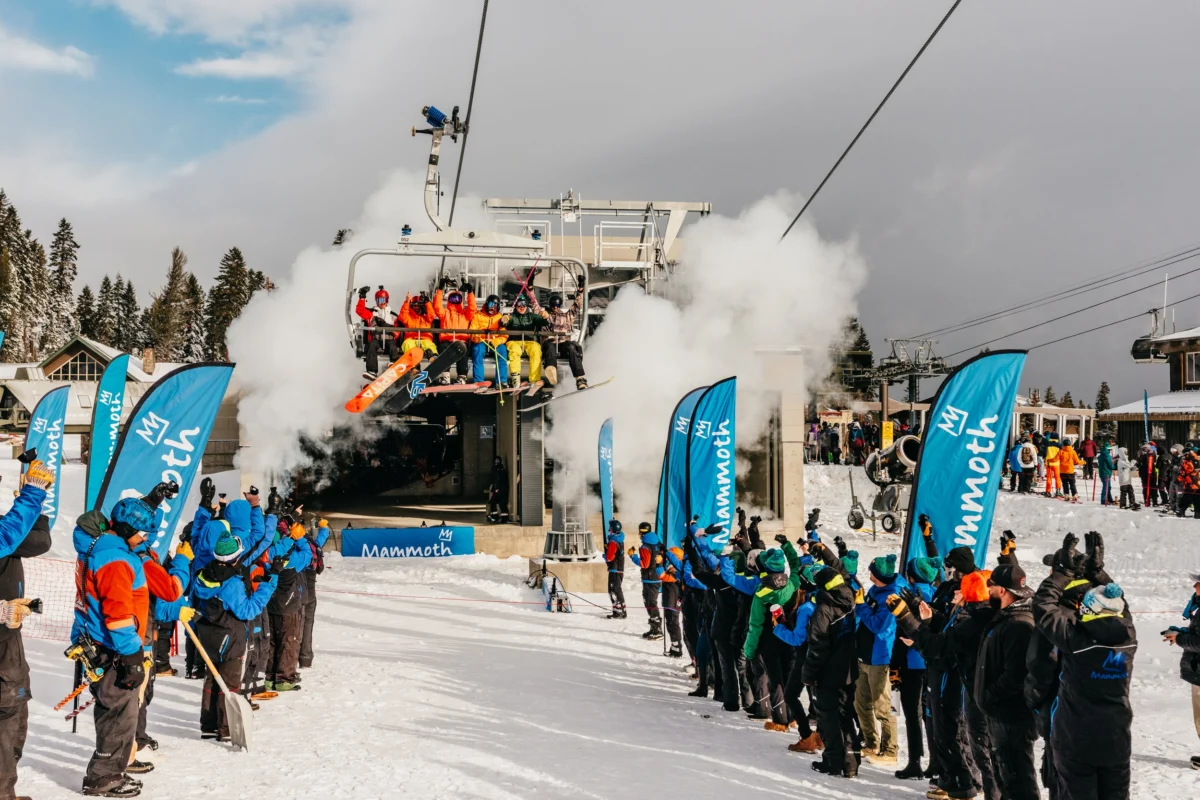
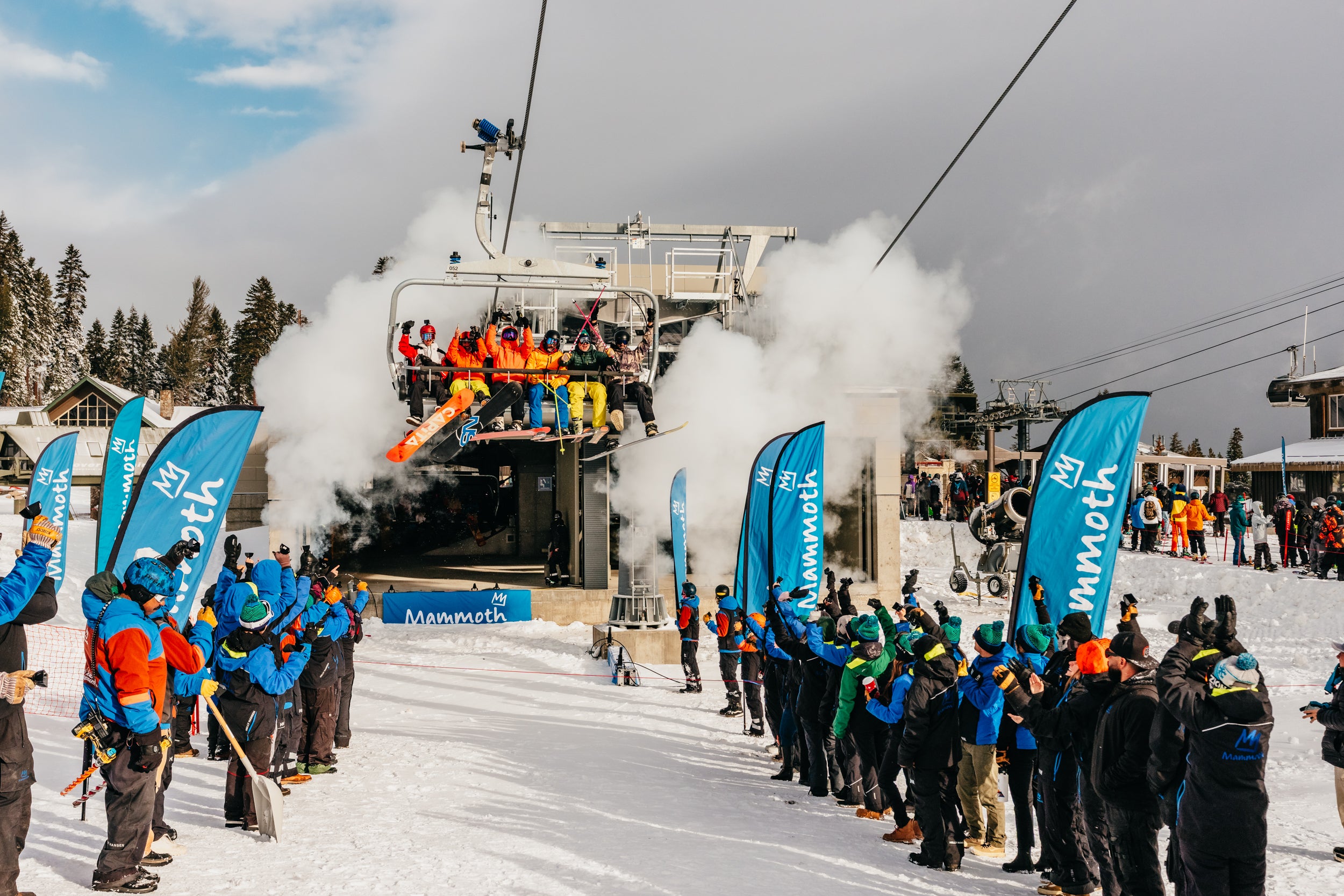
For skiers in California, particularly those dreaming of the iconic slopes of the Tahoe region, the outlook suggests a slightly later start to the season. Bryan Alleretto, a forecaster with Open Snow focusing on the Tahoe area, predicts that the region’s initial significant snowfall is likely to occur after November 10th. This timing could prove advantageous for Mammoth Mountain, which is set to open its doors on November 20th.
While Mammoth Mountain is not technically part of the Tahoe basin, it often shares similar weather patterns with its northern California counterparts. Its high elevation and consistent snowfall history make it a prime candidate for early-season turns, even if the broader Tahoe region experiences a slightly delayed start. Mammoth Mountain has a reputation for consistently boasting one of the longest ski seasons in North America, a testament to its reliable snowpack and strategic operational planning.
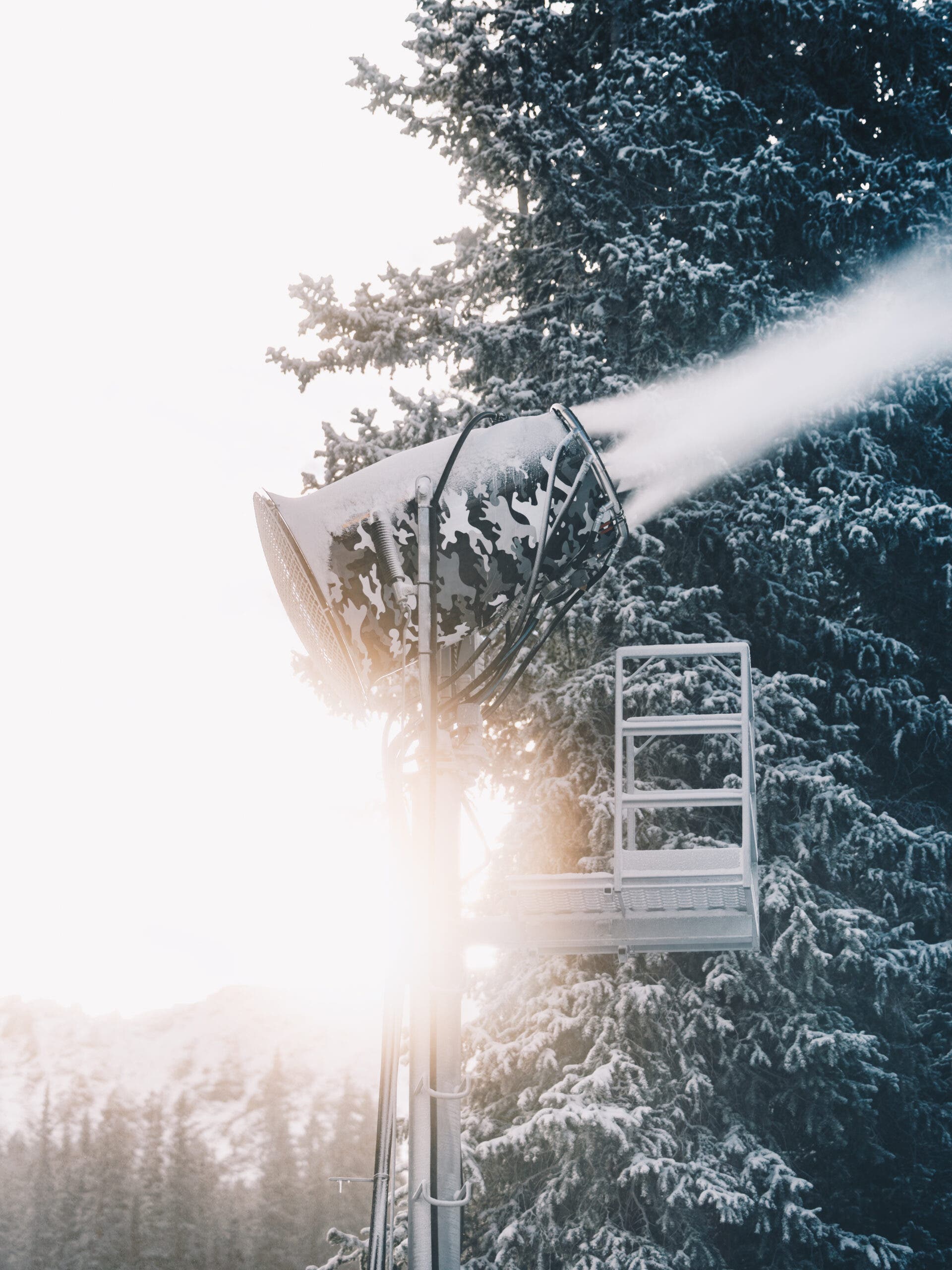
The delay in early November snowfall for the Tahoe region is not necessarily a negative indicator for the season as a whole. Sometimes, a later start can be followed by more sustained and substantial snow events throughout the winter. The focus for these resorts will be on maximizing snowmaking capabilities in the interim and preparing their infrastructure for the anticipated snowfall. The infrastructure investment in snowmaking technology at resorts like Palisades Tahoe and Heavenly is substantial, underscoring their commitment to providing reliable early-season access regardless of natural snowfall fluctuations.
The economic impact of a strong ski season in California is immense, with the industry supporting thousands of jobs and contributing significantly to the state’s tourism revenue. Early season conditions, even if they require a bit more patience, are crucial for setting a positive tone for the entire winter.
New England: Battling Warmer Trends for a Late November Kick-off
The East Coast has experienced a notably warm autumn, presenting a challenge for early-season skiing. However, the outlook suggests a potential shift towards colder temperatures towards the end of November, offering a glimmer of hope for dedicated skiers.
Maine’s Sugarloaf Resort is planning to reopen on November 20th, positioning itself as a likely candidate to be the first resort in the region to welcome skiers back for the 2026-2027 season. This early opening, even with potentially limited terrain, is a significant event for the local ski community.
Following closely, Vermont’s Sugarbush Resort has announced an opening date of November 21st. Killington Resort, a venue often recognized for its early opening capabilities, had not yet announced an official date as of press time. The success of these New England resorts in providing quality skiing conditions will hinge on their ability to leverage their snowmaking systems effectively while awaiting natural snowfall.
The challenges faced by New England resorts in securing early-season snow are well-documented. Climate change has contributed to warmer autumns and more variable winter weather patterns. This makes the strategic planning and investment in advanced snowmaking technology all the more critical. Resorts are continuously innovating their snowmaking processes to maximize efficiency and effectiveness, ensuring they can create a skiable surface even when natural snowfall is scarce. The dedication of these resorts to opening underscores their commitment to their patrons and the enduring appeal of East Coast skiing.
The broader implications of these early-season forecasts extend beyond individual skiers. For resort operators, the opening dates and initial snow conditions are critical for generating early revenue, testing operational readiness, and building momentum for the peak season. For local economies, a strong start to the ski season can translate into increased tourism, employment, and business activity. The collective anticipation for winter’s embrace, fueled by expert predictions and resort preparations, highlights the enduring passion for skiing and snowboarding across North America. As the mercury drops and the first snowflakes begin to fall, skiers will be closely watching these key destinations, hoping for a season that lives up to its promising early-season potential.
