

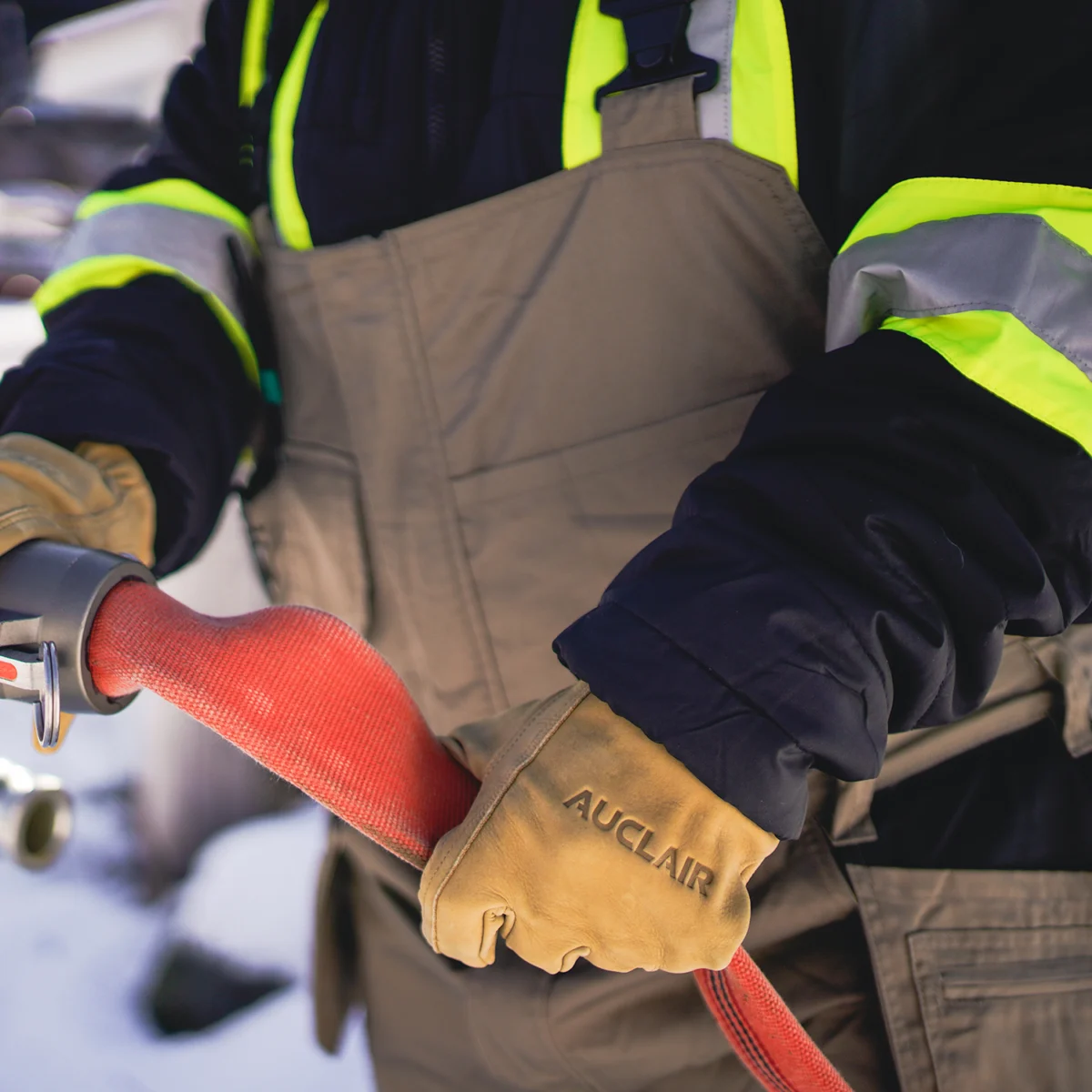
As the snowsports season approaches, the critical role of appropriate gear in ensuring comfort, performance, and safety on the slopes becomes paramount. Among the most vital pieces of equipment, gloves often receive less attention than skis or boots, yet their impact on a day’s enjoyment and an instructor’s effectiveness is immense. Auclair, a long-standing official supplier in the snowsports industry, recently offered invaluable insights into selecting the right gloves and mittens, alongside best practices for their care, drawing on the expertise of Product Design & Brand Manager Marie-Pier Jolicoeur and Head of Brand & Marketing Philippe Auclair. Their guidance underscores a commitment to enhancing the snowsports experience through informed gear choices and diligent maintenance.
The Foundational Importance of Strategic Glove Selection
For snowsports enthusiasts and, particularly, instructors who spend extended periods teaching, handling equipment, and navigating lifts, glove selection transcends mere warmth. It involves a nuanced balance of multiple factors, each contributing to optimal performance in dynamic mountain environments. Marie-Pier Jolicoeur emphasizes a holistic approach, considering insulation levels, waterproofing capabilities, breathability, material composition, and reinforced areas, all underpinned by a precise fit.
A common misconception is that maximum insulation equates to the best glove. However, Auclair experts caution against this, particularly for instructors who experience varying levels of physical exertion throughout the day. "One of the most important things is really understanding your own hands," explains Jolicoeur. "Do you tend to sweat a lot? Do your hands get cold easily? Do you have circulation issues? These are all factors that will influence the type and amount of insulation you need." The objective is to achieve a thermal equilibrium where hands remain comfortable and dry, preventing the detrimental cycle of overheating, sweating, and subsequent chilling.
Modern glove insulation typically employs either natural down or advanced synthetic materials like Primaloft or Thinsulate. Down offers superior warmth-to-weight ratio and compressibility but loses insulating power when wet. Synthetic insulations, conversely, retain warmth even when damp and are generally more durable, making them a preferred choice for high-activity, potentially wet conditions. The strategic placement of insulation, often denser on the back of the hand and less bulky on the palm for enhanced grip, further exemplifies sophisticated design. Philippe Auclair notes, "Many of our mittens actually have more insulation on the back of the hand than on the palm. This is intentional. It allows us to provide extra warmth where it’s needed, while keeping the palm less bulky for better grip and control when holding ski poles."
Beyond insulation, reliable protection against the elements—snow, rain, and wind—is non-negotiable. This involves robust outer materials and sophisticated waterproofing technologies.
Decoding Waterproofing and Breathability
The distinction between "waterproof" and "water-resistant" is critical for snowsports gloves. Waterproof gloves, such as Auclair’s Otter shell featuring taped seams, utilize a membrane system to create an impermeable barrier against external moisture while allowing internal water vapor (sweat) to escape. This breathability is vital; without it, hands can become wet from perspiration, leading to cold and discomfort regardless of external waterproofing. Water-resistant gloves, conversely, typically rely on a durable water repellent (DWR) treatment on the outer fabric, causing water to bead off, but they lack a full membrane and taped seams, making them susceptible to saturation in prolonged wet conditions.
The DWR treatment, while effective, degrades over time with use and washing. Regularly checking its efficacy—by observing if water still beads on the surface—and reapplying a compatible DWR product is a key maintenance step to preserve the glove’s initial line of defense.
The Art of the Perfect Fit and Material Durability
An optimally fitting glove is foundational to both comfort and performance. Experts advise that fingertips should lightly touch the ends of the glove without any pressure. Any tightness around the wrist, thumb, or fingers signals an ill-fitting glove, potentially restricting blood circulation and exacerbating cold hands. Furthermore, physical activity can cause hands to swell, rendering an already snug glove uncomfortable. Conversely, a glove that is too loose compromises dexterity and grip, hindering the precise movements required for handling ski poles, adjusting bindings, or assisting students. The goal is a snug, secure fit that allows natural hand movement.
Durability is another critical consideration, particularly for instructors who subject their gear to constant wear and tear. Materials like high-quality leather, reinforced synthetic fabrics, and robust stitching are paramount. Areas prone to friction, such as the palm, index finger, and thumb, should feature specific reinforcements to withstand the rigors of equipment handling. This focus on durability not only extends the lifespan of the glove but also ensures consistent performance throughout the season, reducing the need for frequent replacements.
Navigating Glove Designs: Gloves, Mittens, and Three-Finger Hybrids
The choice between traditional gloves, mittens, and the increasingly popular three-finger design hinges on a personal balance between warmth and dexterity.
- Gloves: Offering maximum dexterity due to individual finger compartments, gloves are ideal for tasks requiring fine motor skills, such as zipping pockets, manipulating small buckles, or using touchscreens. Their primary drawback can be reduced warmth in extreme cold, as individual fingers lose heat more rapidly.
- Mittens: These designs group all fingers (except the thumb) together, allowing them to share body heat, making them significantly warmer than gloves. They are often recommended for individuals prone to cold hands or those in exceptionally frigid conditions. The trade-off is reduced dexterity, making intricate tasks more challenging.
- Three-Finger (Lobster) Gloves: These hybrids offer a compelling compromise. Typically, the index finger is separate, providing some level of dexterity for common tasks, while the remaining fingers are grouped for enhanced warmth. This design caters to those seeking a balance, allowing for sufficient warmth without completely sacrificing functional movement.
Ultimately, the optimal design depends on individual priorities, activity level, and environmental conditions.
The Longevity Imperative: Comprehensive Care and Maintenance
Beyond initial selection, the lifespan and sustained performance of snowsports gloves are heavily reliant on consistent care. Auclair’s experts detail a practical chronology of maintenance: daily drying, periodic cleaning and conditioning, and meticulous end-of-season storage.
Daily Drying Rituals:
The most crucial habit is proper drying after each use. Jolicoeur advises air-drying gloves in a warm, well-ventilated area, away from direct heat sources. Opening cuffs to maximize airflow and removing any removable liners significantly accelerates the drying process. Crucially, direct heat from radiators, fireplaces, or high-heat hair dryers must be avoided. Excessive heat can damage sensitive materials like leather (causing stiffness or cracking), waterproof membranes, and adhesives, compromising the glove’s integrity and performance. Storing damp gloves in a ski bag overnight is also detrimental, fostering mildew growth and unpleasant odors.
Periodic Cleaning and Conditioning:
Care protocols vary between leather and synthetic gloves.
- Leather Gloves: Require gentle cleaning with a damp cloth to remove dirt and salt residue. Soaking leather or using harsh detergents can strip natural oils, leading to dryness and stiffness. Regular application of a specialized leather conditioner is recommended to maintain suppleness, flexibility, and water resistance. The frequency depends on use, but signs like dryness or stiffness indicate it’s time for conditioning.
- Synthetic Gloves: Are generally easier to clean. Many can be hand-washed or machine-washed on a gentle cycle with a mild detergent. However, checking the care label is paramount, especially for gloves with waterproof membranes or specialized coatings. For both types, fabric softeners, bleach, and excessive heat are to be avoided. Always ensure gloves are completely dry before storage.
Reactivating Water Repellency:
The DWR treatment on the outer fabric will inevitably wear off. A simple test involves observing if water beads up and rolls off the surface or if it soaks into the fabric. If the latter occurs, it’s time to reapply a compatible water-repellent treatment. This is distinct from the internal waterproof membrane; even if the DWR is compromised, the membrane may still be functional, but a saturated outer fabric can reduce breathability and increase weight.
End-of-Season Storage Best Practices:
Proper off-season storage is crucial for preserving glove integrity. Before storage, gloves must be thoroughly cleaned and completely dry. For leather gloves, a final conditioning treatment is advisable. Store gloves in a cool, dry place, away from direct sunlight and excessive heat. Avoid compressing them, as this can degrade insulation loft over time. Storing them in a manner that retains their natural shape is ideal. The end of the season also presents an opportune moment for a comprehensive inspection, allowing for any necessary repairs or maintenance before the next winter.
Recognizing the Need for Maintenance, Repair, or Replacement
Regular vigilance is key to extending the life of gloves. Signs that indicate a need for attention include:
- Maintenance: Dry or stiff leather, fading water repellency (water no longer beading).
- Repair: Loose stitching, small tears, worn-out reinforcements in high-friction areas. Addressing these promptly can prevent more extensive damage.
- Replacement: A significant loss of performance, such as consistently cold hands despite appropriate conditions, or persistent internal moisture even without sweating, suggests a compromised insulation or waterproofing system that may be beyond repair.
Auclair champions a philosophy of product longevity. "At Auclair, we really believe in designing products that last, and taking care of your equipment is a big part of that," states Jolicoeur. This commitment encourages users to explore maintenance and repair options before resorting to full replacement, aligning with growing sustainability trends in the outdoor gear industry.
Broader Implications: Performance, Safety, and Sustainability
The diligent selection and care of snowsports gloves have far-reaching implications. For snowsports instructors, optimal hand protection directly translates to enhanced teaching efficacy, enabling them to focus on their students rather than discomfort. The ability to maintain dexterity and grip is vital for demonstrating techniques, handling equipment safely, and providing assistance.
For all snowsports participants, proper gloves are a primary defense against cold-related injuries like frostbite, particularly in exposed extremities. They ensure sustained comfort, allowing for longer, more enjoyable days on the mountain.
Furthermore, the emphasis on durability, maintenance, and repair aligns with broader sustainability goals within the outdoor industry. By extending the lifespan of gear, consumers reduce their environmental footprint, lessening demand for new manufacturing and diverting waste from landfills. This conscious approach to gear consumption reflects a growing understanding of ecological responsibility.
As the snowsports community gears up for a new season, the expert advice from Auclair provides a comprehensive roadmap for navigating the complexities of glove selection and care. By prioritizing informed choices and adopting diligent maintenance habits, enthusiasts can ensure their hands remain warm, dry, and protected, maximizing their enjoyment and performance on the slopes. Auclair further extends support to members with an exclusive offer of 50% off their gloves, encouraging access to quality gear backed by expert guidance. For additional detailed tips, Auclair’s comprehensive glove care guide remains an invaluable resource.
