

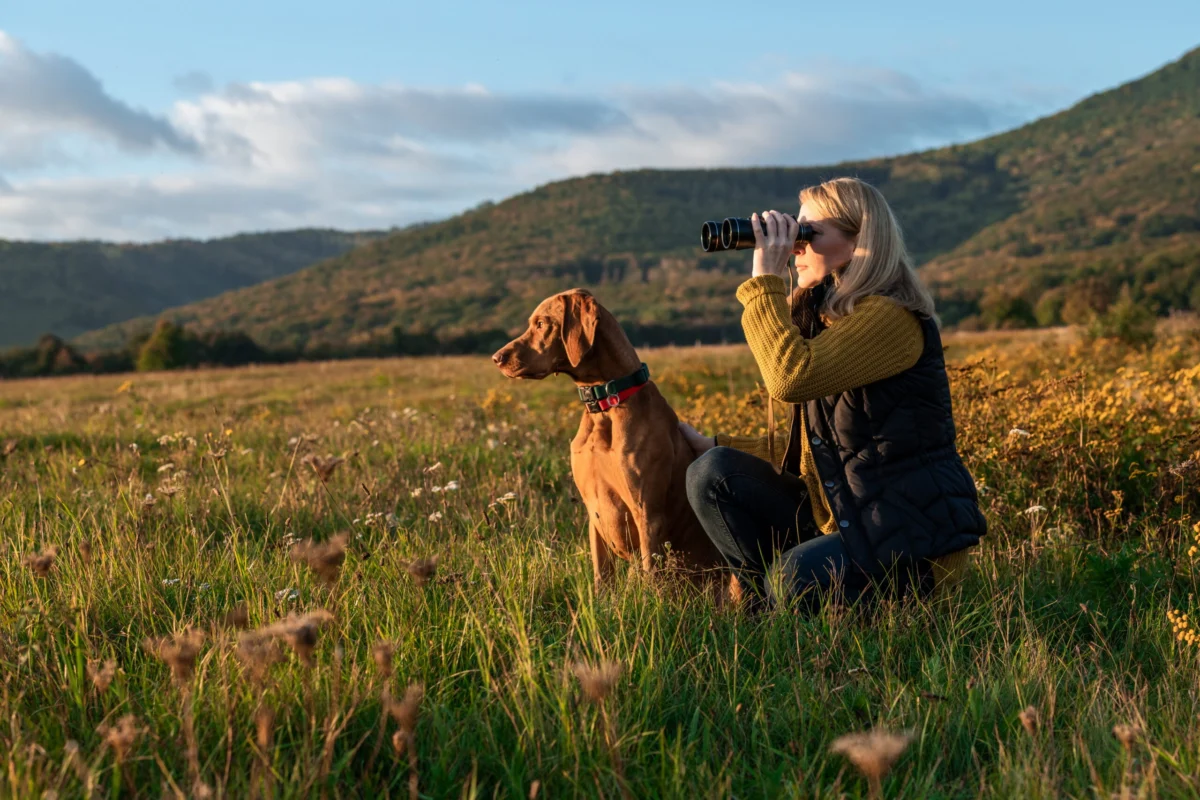
The Evolution of the Nature-Based Economy
Historically viewed as a niche hobby reserved for retirees, birdwatching has undergone a radical rebranding and expansion over the last decade. The 2026 report documents a trend that began accelerating in 2020, when pandemic-related lockdowns forced millions of individuals to find recreation in their immediate surroundings. What was initially a localized "backyard" phenomenon has matured into a sophisticated, travel-heavy industry segment.
The OIA’s findings suggest that birdwatching is no longer a standalone activity but a "gateway" pursuit that drives participation in broader outdoor ecosystems. Data indicates that over 60% of active birdwatchers also identify as hikers, while nearly 40% participate in paddle sports or camping. This cross-pollination is reshaping how retail spaces are designed, as consumers increasingly seek "multi-purpose" gear that offers the durability of hiking equipment with the specialized features required for stationary wildlife observation.
Strategic Market Insights and Consumer Demographics
The 2026 Birdwatching and Wildlife Viewing Report emphasizes the high economic value of the modern birder. According to the data, the core demographic for this segment remains older and more affluent than the average outdoor participant, possessing a higher-than-average disposable income. This group shows a marked preference for high-end optics, including binoculars and spotting scopes that can range from $500 to over $3,000.
However, the report also highlights a "New Wave" of enthusiasts. This younger cohort, primarily aged 25 to 40, is driven by digital integration and community-based conservation. The rise of mobile applications like Merlin Bird ID and eBird has lowered the barrier to entry, allowing novice observers to contribute to citizen science while gamifying the experience. For retailers, this represents a bifurcated market: one side seeking legacy precision optics and the other seeking tech-integrated gear, smartphone adapters for photography (digiscoping), and sustainably manufactured apparel.
Chronology of Growth: From Niche to Mainstream
The trajectory of birding and wildlife viewing as a dominant market force can be traced through several key milestones over the past fifteen years:
- 2011–2016: The Digital Foundation. The launch and refinement of global databases and identification apps began to digitize the hobby, making it accessible to a tech-savvy generation.
- 2020–2021: The Pandemic Surge. Sales of bird feeders and entry-level binoculars saw a 30% year-over-year increase as "stay-at-home" orders redirected recreational energy toward local biodiversity.
- 2022–2024: The Tourism Pivot. Post-pandemic travel saw a spike in "aviture" (avian tourism). Destinations in Central America, Africa, and the American South began marketing specifically to birders, leading to a surge in specialized travel insurance and gear sales.
- 2025: Integration of AI. The introduction of AI-powered smart bird feeders and high-speed autofocus optics further cemented birding as a high-tech outdoor pursuit.
- 2026: The OIA Benchmark. The current report identifies birdwatching as the primary driver of growth in the optics category, surpassing hunting and general sightseeing for the first time in industry history.
Supporting Data: The Economic Multiplier
The financial implications of wildlife viewing are vast. While the OIA report focuses on the outdoor industry, its findings align with broader economic data from the U.S. Fish and Wildlife Service, which estimates that birdwatchers contribute over $100 billion to the U.S. economy annually when factoring in travel, equipment, and related expenditures.
Key data points from the 2026 OIA report include:
- Optics Dominance: Sales of high-performance binoculars have seen a 12% compound annual growth rate (CAGR) since 2023, largely driven by wildlife viewing.
- Apparel Shifts: There is an 18% increase in demand for "quiet-fabric" technical clothing—gear that allows for movement without the rustle of traditional nylon, which can startle wildlife.
- Regional Growth: The Pacific Northwest and the Gulf Coast remain the highest-spending regions for wildlife viewing gear, though urban birding in the Northeast is the fastest-growing geographical segment.
- Retention Rates: Birdwatching boasts one of the highest retention rates in the outdoor industry, with 85% of participants reporting that they intend to continue the activity for the next five years.
Industry Responses and Official Perspectives
Industry leaders have been quick to react to the OIA’s findings. Market analysts suggest that the "birding boom" is providing a necessary buffer for retailers who have seen fluctuations in traditional categories like mountain biking or high-altitude mountaineering.
"The 2026 report confirms what we have observed on the ground for several seasons," noted a senior strategist for a major outdoor retail chain. "The birding consumer is incredibly loyal and values technical expertise. They aren’t just buying a pair of binoculars; they are investing in an experience that requires specialized footwear, weather-resistant outer layers, and high-capacity portable power for their digital devices."
Conservation organizations have also weighed in, noting that the economic power of birdwatchers provides a compelling argument for habitat preservation. By quantifying the market force of wildlife viewing, the OIA provides conservationists with the data needed to lobby for the protection of public lands, which serve as the "infrastructure" for this billion-dollar industry.
Technical Innovation and the Future of Gear
The 2026 report places a heavy emphasis on the role of technological innovation in sustaining this growth. As the market expands, consumers are demanding more from their equipment. We are seeing a move toward "smart optics" that can automatically identify species through the viewfinder using augmented reality (AR) overlays.
Furthermore, the "wildlife viewing" category is expanding to include nocturnal observation. Sales of thermal imaging and night-vision monoculars for wildlife viewing—once restricted to military or high-end hunting applications—have entered the consumer mainstream. This allows enthusiasts to engage with nature on a 24-hour cycle, further increasing the time spent in the outdoors and, consequently, the wear and tear on other gear like tents and lighting.
Broader Impact and Implications for the Outdoor Economy
The rise of birdwatching and wildlife viewing carries significant implications for the future of the outdoor industry. First, it necessitates a shift in marketing language. Brands that previously focused on "conquering the mountain" or "extreme performance" are now pivoting toward themes of "patience," "observation," and "stewardship." This shift reflects a broader societal move toward mindfulness and low-impact recreation.
Second, the report underscores the importance of accessibility. Unlike technical climbing or backcountry skiing, birdwatching can be performed by individuals with varying levels of physical ability and in various environments, from remote wilderness to urban parks. This inclusivity is expanding the "total addressable market" for outdoor brands, bringing in consumers who might have previously felt excluded from the traditional outdoor narrative.
Finally, the 2026 Birdwatching and Wildlife Viewing Report serves as a call to action for retailers to diversify their inventory. The data suggests that the most successful outdoor businesses of the next decade will be those that can bridge the gap between traditional recreation and specialized observation. As birding continues its ascent, it is poised to remain a stabilizing and lucrative force in the global outdoor market, providing a resilient foundation for long-term economic growth and environmental advocacy.
