

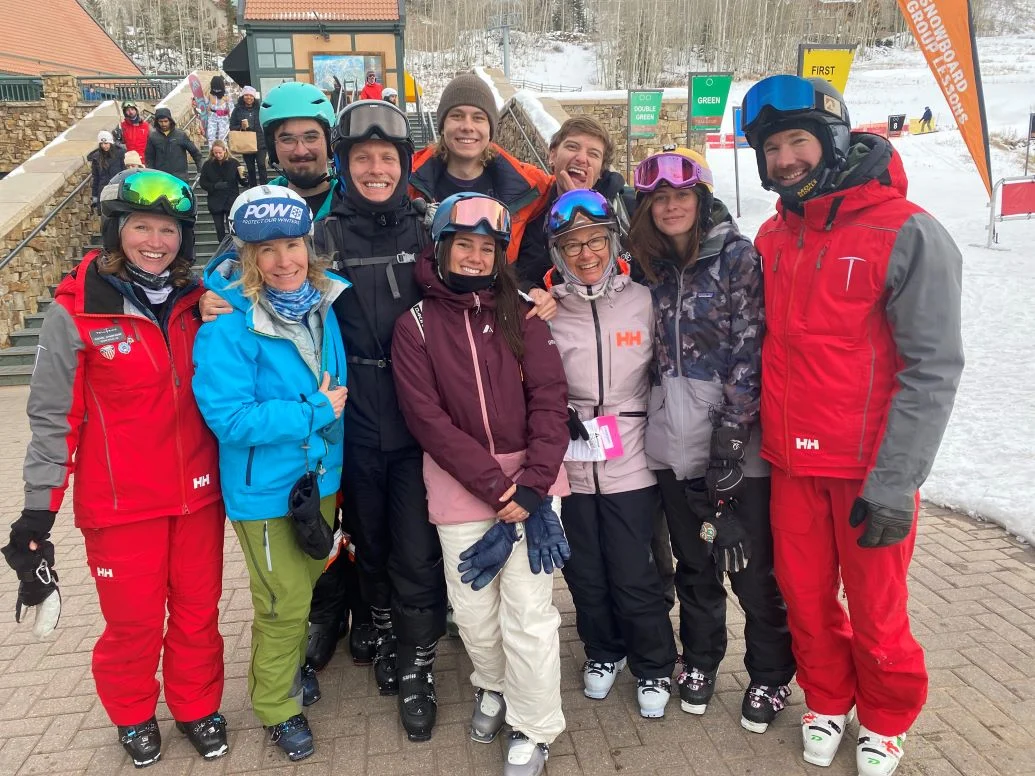
The snowsports industry, a cornerstone of winter tourism and recreation, annually faces the critical task of transforming eager novices into proficient instructors within a remarkably brief window. For many ski and snowboard schools across North America, the traditional model of new-hire training, often characterized by didactic lectures and basic demonstrations, has proven increasingly inadequate in preparing a dynamic, adaptable workforce for the high-pressure demands of peak season. This challenge has prompted leading institutions, such as the Telluride Ski and Snowboard School, to fundamentally re-evaluate their pedagogical approaches, culminating in a groundbreaking shift towards experiential, self-directed learning that promises to accelerate instructor development and enhance the overall quality of guest experience.
The Urgent Imperative: Cultivating Professionalism Under Pressure
The journey for aspiring snowsports instructors typically commences in the first few days of December, a mere handful of weeks before the holiday season ushers in the busiest period on the slopes. For these new hires, securing a position is already a significant achievement, marking the beginning of a professional path that demands not only technical expertise but also exceptional interpersonal skills and adaptability. They arrive with a mix of excitement and apprehension, ready to absorb the knowledge and behaviors necessary to lead and inspire skiers and riders of all levels.
From the perspective of ski and snowboard schools, this period is foundational. It represents the initial phase of shaping the next generation of ambassadors who will embody the spirit of the sport and the resort. The central question looms large: Will these individuals quickly evolve into competent, confident professionals capable of representing the resort to a significant portion of its clientele, particularly when faced with the complexities and crowds of peak season? The undertaking is far from trivial, demanding efficient knowledge transfer and skill acquisition to ensure instructors are not merely present but truly effective.
Understanding the Traditional Training Paradigm and its Limitations
Historically, new-hire training curricula have focused on imparting the fundamentals: basic ski or snowboard technique suitable for beginner to green-level students, familiarization with specific terrain, proper lift usage, essential people skills, an introduction to the resort’s teaching model, basic equipment setup, and critical safety protocols. This extensive information is typically delivered in a lecture-style format, often conducted on the side of the beginner area, with the expectation that new instructors will remain engaged and retain the disparate pieces of information required for success on day one.
Following this initial didactic phase, many resorts incorporate a shadowing component, where new instructors observe an experienced professional conducting a lesson. This is often followed by a debriefing session to discuss observations and learnings. More progressive schools might introduce a "shine," where a rookie teaches a lesson under the observation of an experienced pro, providing an opportunity for immediate feedback. This sequence traditionally marks the formal commencement of an instructor’s career. The implicit hope is that any initial kinks will be ironed out within the subsequent three weeks, as the holiday season rapidly approaches, demanding an "all-hands-on-deck" response from every available instructor.
However, this accepted method for training new instructors is fraught with significant drawbacks. The sheer volume of information presented in a short timeframe often leads to cognitive overload, diminishing information retention and fostering fatigue, sometimes bordering on burnout, even within the first week. Given the tight turnaround between initial training and the influx of holiday guests, new instructors frequently lack the robust confidence required to navigate unexpected lesson scenarios. They are often equipped with a singular "resort-approved" method, and the absence of adaptable alternatives when a lesson veers off script can be deeply frustrating and demoralizing. Furthermore, sequestering new hires in isolated groups during their initial training can hinder their sense of belonging and integration into the broader team, creating an "us vs. them" dynamic rather than fostering a cohesive professional community.
For ski and snowboard schools, these challenges translate into tangible operational and financial concerns. Questions abound regarding the true readiness of new staff for the holiday rush, how to address unanswered queries from initial training, and how to effectively leverage early performance issues as genuine learning opportunities. Crucially, many schools grapple with the return on investment (ROI) from the substantial time and financial resources committed to a training model that often yields inconsistent results.
The "Copy, Choose, Create" Model: A Framework for Development
Despite these acknowledged drawbacks, the standard, linear, didactic approach has largely persisted as the mainstay of new-hire training. This persistence can be understood through the lens of instructor development, as described by Dr. Kim Peterson, an authority in Educational Leadership and Innovation, a Level 3 alpine and Level 1 adaptive instructor, and author of the "Guest-Centered Teaching Model." Dr. Peterson posits that an instructor’s development typically unfolds in three stages: Copy, Choose, and Create.
Early in their careers, new instructors predominantly Copy. They replicate examples and techniques they have observed or been taught, applying them directly in their lessons. With accumulating experience, instructors progress to the second stage, Choose. Here, they begin to select from a repertoire of approaches, discerning which might best suit the specific lesson circumstances and students they are engaging with. The pinnacle of this development is the Create stage, where well-seasoned, confident instructors can spontaneously customize or innovate teaching content, drawing upon their deep knowledge base to address in-the-moment needs.
The traditional new-hire training approach is largely designed to facilitate the "Copy" stage: "We will show you what to do and how to do it; you will then go out and do what you’ve been shown." While this provides a foundational baseline, many schools have inadvertently allowed this condition to constrain their creativity, limiting the potential for a more enriching and accelerated new-hire training experience. The pressing need to accelerate this skill development, moving instructors more rapidly from merely copying to confidently choosing and creating, became a primary catalyst for change at the Telluride Ski and Snowboard School.
Telluride’s Bold Re-Imagination: Self-Directed and Experiential Learning
Recognizing the limitations of the status quo and driven by the imperative to cultivate more adaptable, confident instructors, the Telluride Ski and Snowboard School embarked on a radical transformation for the 2023-2024 season. Under the leadership of Training Manager Rick Rauch, the school decided to "re-imagine" the usual scenario by electing to have the new instructors train themselves. This objective transcended simple information recall; the goal was to significantly accelerate their developmental journey from merely imitating established teaching patterns to making astute, independent decisions when lessons inevitably unfolded in unpredictable ways.
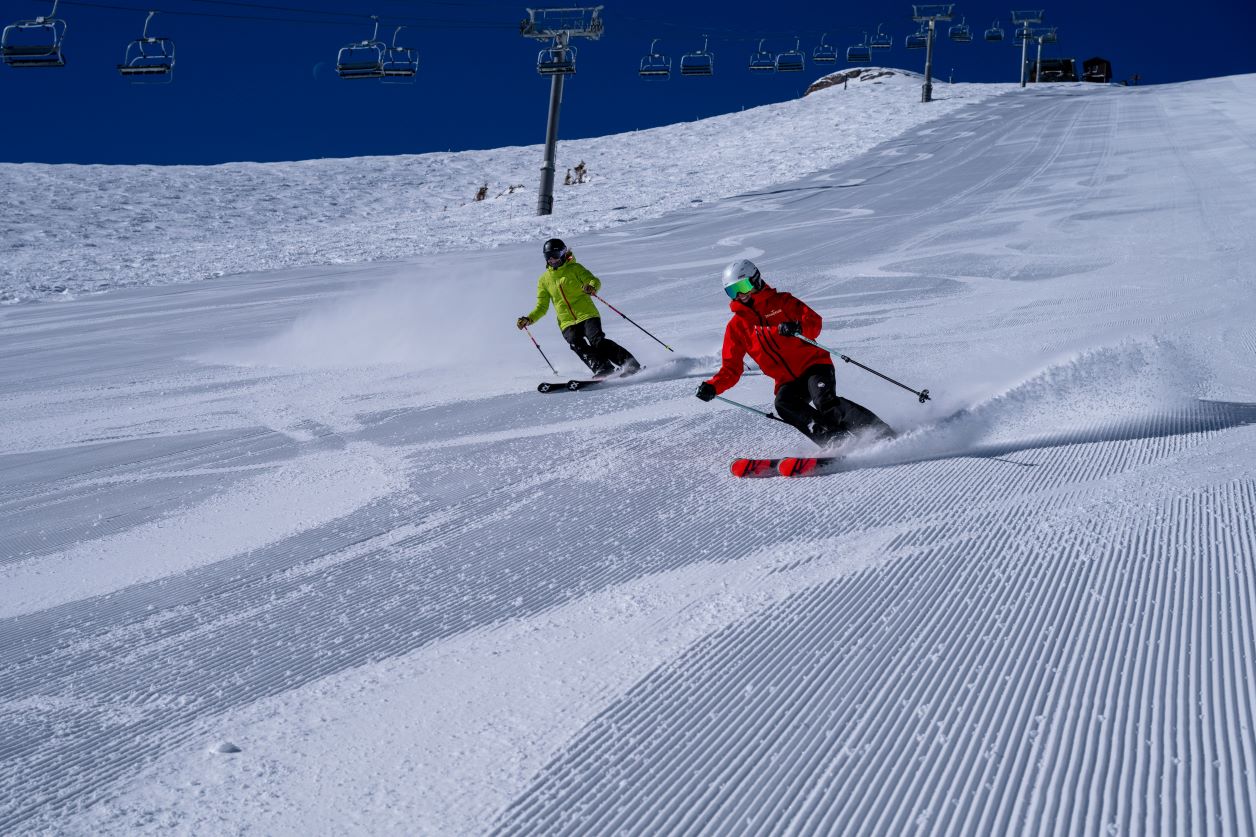
The initial reaction from the new-hire training team was, understandably, immediate and skeptical. The clinic description they received outlined a departure from the conventional linear method, instead proposing an approach that integrated techniques from experiential learning, ecological dynamics, and constraints-based learning. These theoretical frameworks provided the intellectual scaffolding for Telluride’s innovative model.
Theoretical Foundations of Telluride’s New Approach:
-
Experiential Learning: At its core, experiential learning emphasizes learning through doing, reflecting, and applying. It moves beyond passive reception of information, immersing learners in direct experience and encouraging them to derive meaning from it. This approach aligns perfectly with the need for instructors to develop practical, on-the-snow skills and problem-solving abilities. Instead of being told how to teach a wedge, new instructors might be tasked with figuring out the most effective way to teach it to a peer, receiving immediate feedback and iteratively refining their approach.
-
Ecological Dynamics: This theory, the study of how organisms move within and interact with their environment, offers profound insights into motor skill development. It posits that learning is not merely about acquiring discrete movements but about developing a dynamic relationship between perception and action. Instructors need to perceive subtle cues from their students and the environment (e.g., snow conditions, terrain, fatigue) and adapt their teaching actions accordingly. In Telluride’s model, this means creating training environments that mirror real-lesson scenarios, allowing instructors to learn by doing in context, rather than in an abstract, isolated setting.
-
Constraints-Based Learning (CBL): Developed by Karl Newell (1986), CBL is a pedagogical approach rooted in ecological dynamics. It suggests that skill acquisition is best facilitated by manipulating constraints related to the individual (e.g., their skill level, motivation), the task (e.g., specific teaching objective, equipment), and the environment (e.g., terrain, weather, student group size). Instead of prescriptive instructions, CBL guides learners towards discovering effective solutions through exploration and problem-solving within defined boundaries. For example, instead of a lecture on "how to teach turning," instructors might be given a task like "teach a peer to turn on this slope using only verbal cues and no physical demonstrations," forcing them to innovate and adapt.
These three principles collectively underscore the central idea of the learner doing as a major component of the skill acquisition process. Telluride was counting on these principles to be effective not just for basic motor skill development in skiing/snowboarding, but also for the higher-level cognitive and pedagogical skills required of professional instructors.
Implementation and Anticipated Outcomes
The practical application of Telluride’s re-imagined training involves a significant shift from instructor-led lectures to facilitator-guided, peer-to-peer, and self-discovery exercises. New hires are presented with challenges, scenarios, and problems to solve collaboratively. They are encouraged to experiment, observe each other, provide feedback, and critically reflect on their experiences. This might include:
- Peer Teaching Sessions: Instructors design and deliver mini-lessons to their colleagues, simulating various student abilities and learning styles.
- Scenario-Based Problem Solving: Teams are given specific, often complex, teaching dilemmas (e.g., a student struggling with fear, a group with mixed abilities, unexpected weather changes) and must collaboratively devise and enact solutions.
- Guided Discovery: Instead of being shown a specific teaching progression, instructors are given a desired outcome (e.g., "help a student link turns on green terrain") and then explore different methods and approaches to achieve it, under the watchful eye of experienced facilitators who offer guidance rather than direct answers.
- Self-Reflection and Video Analysis: Instructors record their teaching, analyze their performance, and identify areas for improvement, fostering metacognitive skills crucial for continuous development.
The expected outcomes from this innovative approach are multi-faceted and significant. Qualitatively, Telluride anticipates a marked increase in instructor engagement, motivation, and a stronger sense of ownership over their learning. The collaborative nature of the training is designed to foster immediate team integration, breaking down the traditional "new-hire group" isolation. Instructors are expected to develop greater confidence, adaptability, and problem-solving capabilities, enabling them to respond effectively when lessons don’t follow a predetermined script.
Quantitatively, while specific data will emerge over time, the school aims for several key improvements. These include higher instructor retention rates, as empowered and confident instructors are more likely to stay. Improved guest satisfaction scores are also a crucial metric, directly linked to the enhanced quality and responsiveness of instruction. Furthermore, the goal is to observe a faster progression of instructors through Dr. Peterson’s "Copy" to "Choose" and "Create" stages, signifying a more rapid development of professional autonomy and expertise. Fewer reported "difficult" lessons and a reduction in the need for extensive post-training remedial coaching would also indicate success.
Broader Implications for the Snowsports Industry
Telluride’s bold initiative carries significant implications beyond its own slopes, potentially serving as a blueprint for the wider snowsports instruction industry. This paradigm shift challenges the long-held assumption that the traditional, didactic model is the only viable path for rapid seasonal training.
- Elevating Professionalism: By fostering critical thinking, adaptability, and self-reliance, this approach has the potential to elevate the overall professionalism of snowsports instructors, moving them beyond mere technicians to genuine educators and mentors.
- Enhanced Guest Experience: Instructors who are confident, adaptable, and genuinely engaged are better equipped to deliver exceptional, personalized guest experiences, leading to higher satisfaction and repeat business for resorts.
- Addressing Industry Challenges: In an era of labor shortages and high turnover in seasonal industries, a training model that reduces cognitive overload, builds confidence, and fosters a sense of belonging can contribute to improved instructor retention, a critical factor for operational stability.
- Influence on Certification Bodies: The success of Telluride’s model could influence organizations like the Professional Ski Instructors of America and American Association of Snowboard Instructors (PSIA-AASI), prompting a re-evaluation of national certification pathways and training methodologies to incorporate more experiential and constraints-based elements.
- Transferability: While Telluride is a premier resort, elements of this approach, particularly the emphasis on active learning, peer coaching, and scenario-based training, can be adapted by schools of varying sizes and resources. The core principle—moving from passive reception to active discovery—is universally applicable.
However, the path forward is not without its challenges. Implementing such a transformative model requires dedicated leadership, a willingness to challenge established norms, and an investment in training experienced pros to become effective facilitators rather than just lecturers. Scaling this approach and ensuring consistent quality across a large training cohort will demand ongoing refinement and robust evaluation.
Conclusion: A New Era for Snowsports Instruction
The Telluride Ski and Snowboard School’s decision to re-imagine new-hire training represents a significant leap forward in snowsports education. By embracing experiential learning, ecological dynamics, and constraints-based instruction, they are not merely teaching instructors what to do, but empowering them to understand why and how to adapt. This innovative approach promises to accelerate the development of competent, confident, and adaptable instructors, equipping them to not only navigate the demands of the busiest season but also to carry the mantle of snowsports with true professionalism and passion. As the industry looks to the future, Telluride’s case study offers a compelling vision for a more effective, engaging, and ultimately, more enriching path for the next generation of snowsports professionals.
(This article is an expanded feature inspired by an excerpt from the Fall 2026 Issue of 32 Degrees. For a deeper dive into this topic, readers are encouraged to access the full issue and listen to the First Chair Podcast episode, "A Case Study on New-Hire Training," featuring Rick Rauch.)
