

While the allure of deep powder and fully open slopes often dominates winter sports discussions, the often-overlooked early ski season, typically spanning November and early December, presents a compelling case for skiers and snowboarders seeking a more accessible, affordable, and intimate mountain experience. Despite the limitations of fewer open trails and potentially less consistent snow conditions, the benefits of embracing the nascent winter can significantly outweigh these challenges, offering a unique window into the essence of skiing without the usual fiscal and logistical burdens.
The traditional ski season crescendo, marked by peak holidays such as Christmas and President’s Day, and the much-anticipated spring break, brings with it a surge in demand that directly impacts pricing and crowd density. Lift tickets, lodging, equipment rentals, and even dining can escalate dramatically during these prime periods. For instance, a comparative analysis of resort pricing reveals a stark contrast: a lift ticket in Jackson Hole, Wyoming, during early December might be priced around $85, a fraction of the $340 it could command during the Christmas week. Similarly, accommodation at a high-end establishment like the Hotel Terra Jackson Hole could see a nightly increase of $600 or more between early and late December. These figures are not isolated incidents; similar price escalations are a common phenomenon across major ski destinations nationwide, turning an anticipated winter getaway into a significant financial undertaking.
Beyond the financial implications, the sheer volume of people on the slopes during peak times can detract from the overall enjoyment of the skiing experience. Long lift lines become the norm, diminishing the time spent actively engaging in the sport. The potential for collisions on crowded runs increases, creating a less relaxed and more cautious atmosphere. Furthermore, the service at rental shops and restaurants can become strained, leading to longer waits and a less personalized customer interaction. In contrast, the early season offers a sanctuary from these pressures. The reduced number of visitors translates directly into shorter or nonexistent lift queues, allowing for more runs and a smoother progression of skills. The more serene environment fosters a greater sense of personal space on the mountain, enhancing safety and enjoyment. Moreover, the less frenetic pace allows resort staff to provide more attentive and personalized service, as they are not overwhelmed by the sheer volume of patrons. This often leads to a warmer and more welcoming experience for early-season visitors.
Embracing the Early Season’s Unique Appeal
The fundamental joys of skiing—being immersed in the natural beauty of the outdoors, the satisfaction of skill development, the meditative flow of carving turns, and the camaraderie of ski culture—remain fully intact during the early season. In fact, for many, these core elements are amplified when the distractions of peak season are absent. The feeling of being part of a more intimate community of dedicated enthusiasts, rather than a fleeting tourist, can be profoundly rewarding. The shared anticipation of the season ahead, evident in the demeanor of both staff and fellow early-season skiers, contributes to a vibrant and positive atmosphere.
One of the most significant, yet often overlooked, advantages of early-season skiing is the reduced pressure to perform. During the full swing of the season, when slopes are fully open and skiers are often at the peak of their physical condition, there can be an implicit expectation to tackle challenging terrain and maintain a fast pace. This can be intimidating and even hazardous for novice skiers or those still regaining their ski legs after a lengthy hiatus. The early season, however, presents a more forgiving environment. With fewer expert skiers pushing the envelope and a general understanding that everyone is still finding their rhythm, there is less emphasis on speed and technical prowess. This allows individuals to focus on refining their technique, rebuilding muscle memory, and enjoying the process of learning and improving at their own pace, free from the anxiety of keeping up with more experienced participants.
The Snow Reality: Managing Expectations and Maximizing Opportunity
The primary concern for potential early-season skiers is, understandably, the snow conditions. It is a well-established fact that in November and early December, snow accumulation is generally less substantial than later in the winter. Many resorts will have only their lower-elevation slopes open, and some may rely on snowmaking to supplement natural snowfall. This means that the pursuit of fresh powder or the exploration of challenging backcountry terrain might be unrealistic during this period. However, this reality does not preclude a rewarding ski experience.
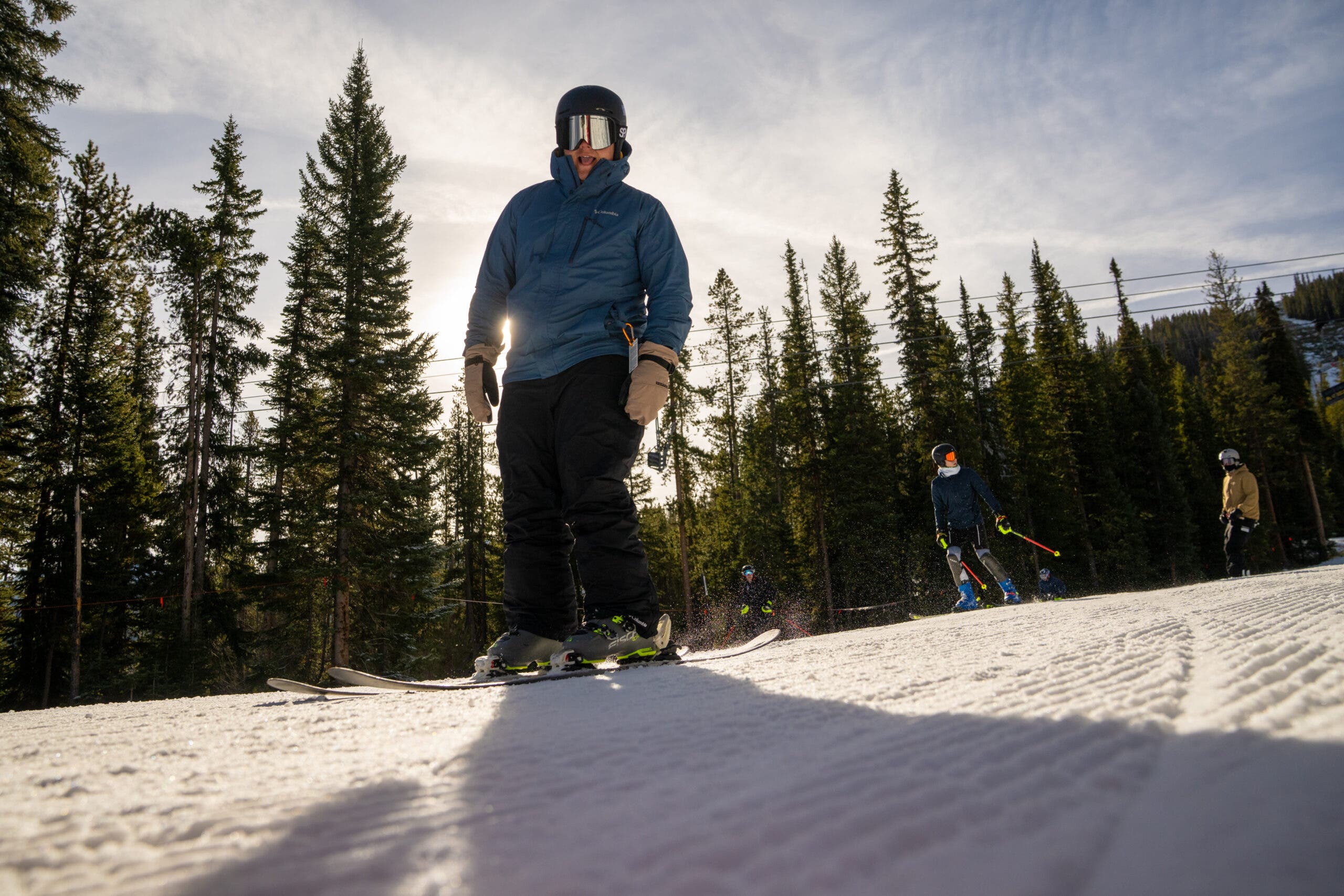
Instead, it calls for a recalibration of expectations. Early-season skiing is not about conquering every inch of the mountain or chasing untracked powder. It is about reconnecting with the joy of sliding on snow, appreciating the crisp mountain air, and enjoying the unique atmosphere of a resort just beginning its winter operations. Resorts that invest in snowmaking technology often provide well-groomed runs that offer excellent skiing surfaces, even with limited natural snowfall. These groomed trails are ideal for practicing fundamental techniques, improving carving skills, and enjoying controlled, enjoyable descents. The focus shifts from extreme adventure to the foundational pleasure of skiing itself.
A Historical Perspective on Ski Season Openings
The practice of opening ski resorts in November and December is deeply ingrained in the history of winter sports in North America. The earliest ski resorts, such as those established in the late 19th and early 20th centuries, were highly dependent on natural snowfall. However, as the sport grew in popularity and technology advanced, resorts began to strategically open earlier, often leveraging snowmaking capabilities to provide a viable skiing experience before the full winter snowpack had settled. This evolution reflects a continuous effort by the industry to extend the ski season and cater to a broader range of consumer desires, from the thrill-seeker looking for early powder to the budget-conscious family seeking value.
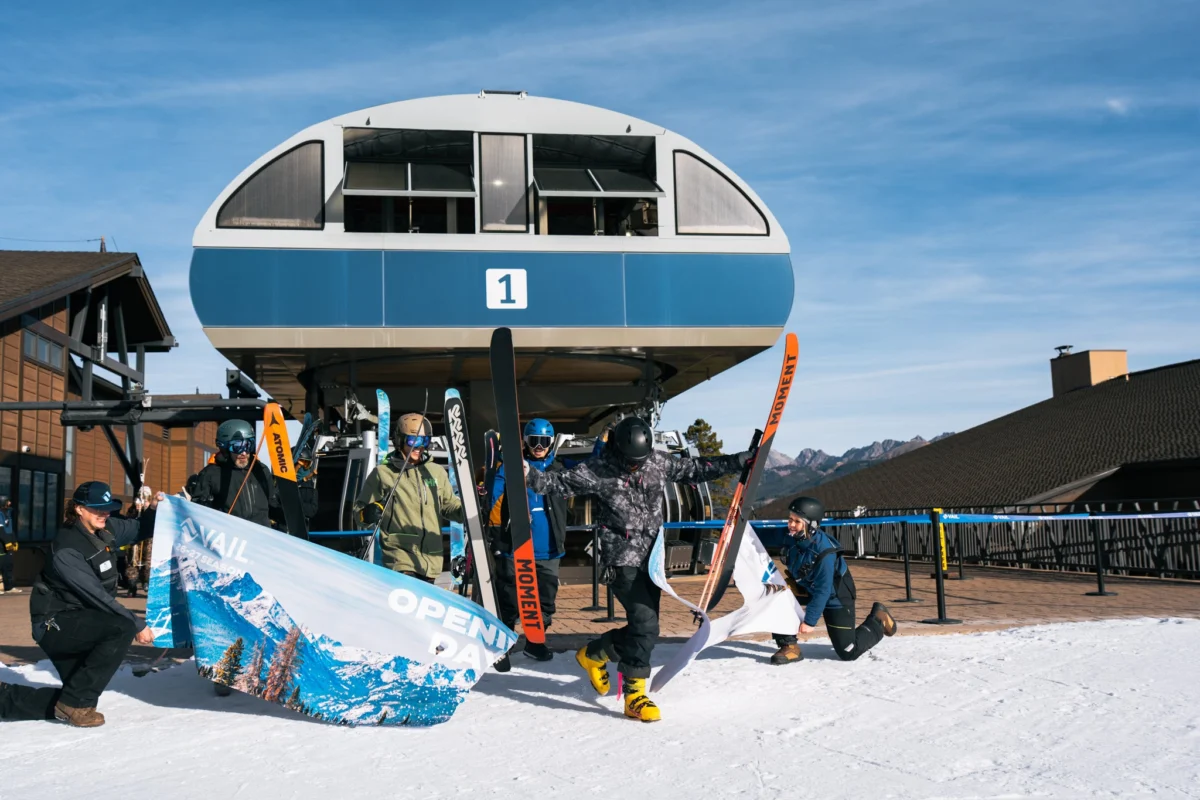
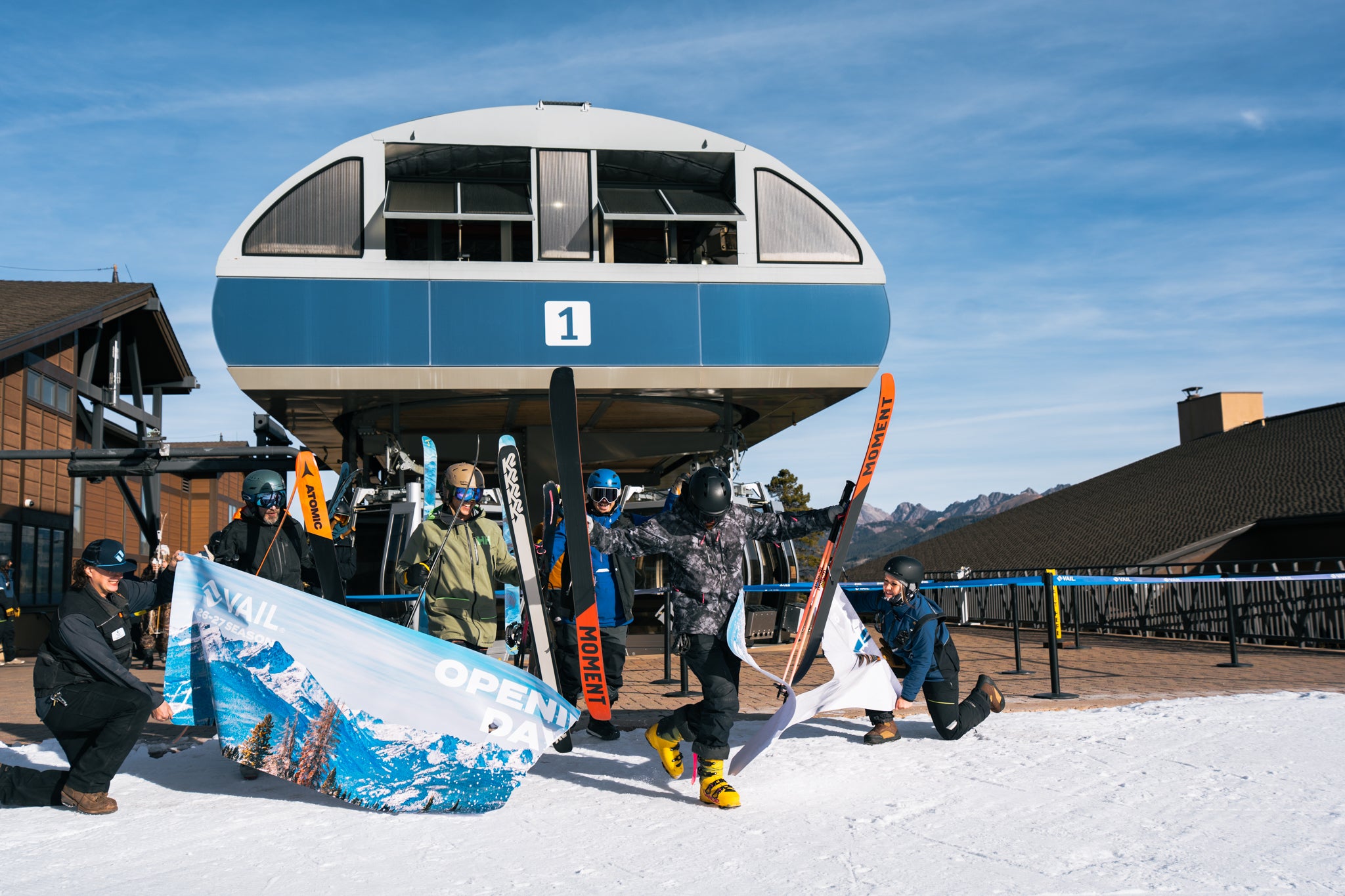
The timing of these early openings is often dictated by a combination of meteorological forecasts and operational readiness. Resorts meticulously monitor weather patterns, and as soon as conditions permit, they initiate snowmaking operations and grooming to prepare selected trails. The opening day itself is often a festive occasion, marked by fanfare and a sense of collective excitement for the season ahead. This initial buzz, while enjoyable, is distinct from the more relaxed and less crowded environment that typically prevails in the weeks following the grand opening.
Broader Implications and Economic Impact
The economic implications of promoting early-season skiing are significant for mountain communities. By attracting visitors during this shoulder season, resorts and local businesses can generate revenue streams that help sustain them through the entire winter. This is particularly crucial for smaller resorts or those in regions that may experience more variable snow patterns. The influx of early-season skiers can provide a vital economic boost, supporting jobs in hospitality, retail, and recreation.
Furthermore, encouraging early-season participation can contribute to the long-term growth of the sport. By offering a more accessible entry point, resorts can attract new skiers and snowboarders who might be deterred by the higher costs and crowds of peak season. This can lead to a more diverse and engaged skiing community, ensuring the continued vitality of winter sports for generations to come. The analysis suggests that a strategic focus on the early season can be a win-win scenario: beneficial for consumers seeking value and a less congested experience, and advantageous for the industry in terms of revenue generation and market expansion.
In conclusion, while the image of waist-deep powder and vast, open terrain often defines the ideal ski trip, the early ski season offers a compelling alternative that prioritizes accessibility, affordability, and a more authentic connection to the sport. By understanding and embracing the unique advantages of this period, skiers and snowboarders can discover a more rewarding and enjoyable way to kick off their winter adventures. The reduced costs, fewer crowds, and less pressure create an environment where the fundamental joys of skiing can truly shine, making the early season a smart and satisfying choice for any winter sports enthusiast.
