

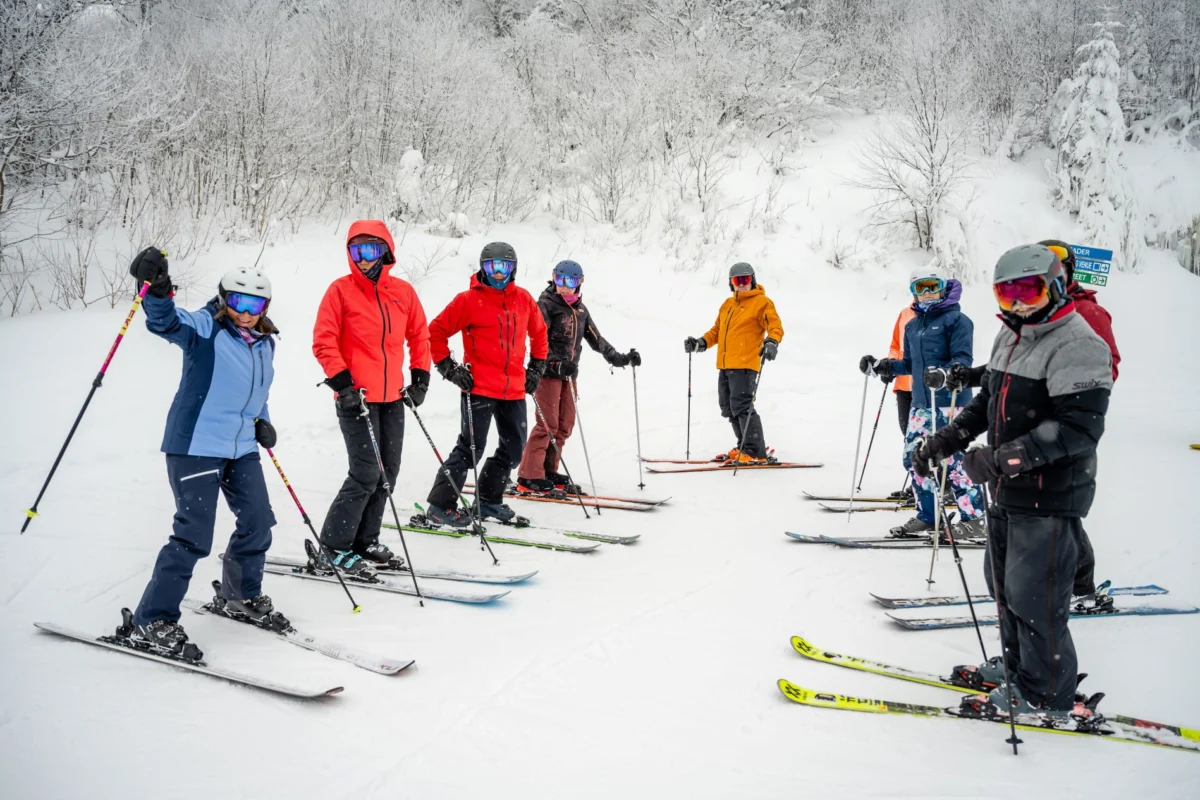
This season marks a pivotal moment for the Professional Ski Instructors of America and American Association of Snowboard Instructors (PSIA-AASI) as it officially launches its significantly enhanced national alignment for education and credentialing pathways. After years of meticulous development, extensive collaboration across its eight distinct regions, and a profound investment of volunteer and staff expertise, this initiative promises unprecedented consistency, heightened collaboration, and bolstered credibility for snowsports professionals nationwide. The monumental undertaking, detailed in the recently published Fall 2026 Issue of 32 Degrees, is set to revolutionize professional development for the organization’s over 33,000 members, transforming how instructors learn, grow, and demonstrate their expertise across the diverse landscapes of American snowsports.
The Imperative for National Consistency: Addressing Historical Disparities
Historically, PSIA-AASI’s strength has, in part, derived from its decentralized structure, granting each of its eight regions (Eastern, Rocky Mountain, Western, Central, Northern Intermountain, Pacific Northwest, Southern, and Alaska) the autonomy to adapt educational programs and credentialing processes to local snow conditions, terrain, and instructional cultures. While this regional flexibility fostered innovation and localized expertise, it also presented inherent challenges to achieving national coherence.
Over the past decade, internal analyses and member surveys increasingly highlighted discrepancies in standards, terminology, and assessment methodologies across regions. An instructor certified at a particular level in one region might encounter significantly different expectations or definitions when relocating to another, impacting career mobility and the perceived national value of their certification. This fragmentation, while born from regional strengths, inadvertently created potential barriers for members seeking seamless professional growth and consistent recognition of their qualifications. Studies conducted by internal research teams, for instance, indicated that approximately 20% of members expressed some level of confusion regarding the portability of their credentials or the national applicability of certain training materials prior to this initiative. The consensus emerging from these findings underscored a growing desire among the vast membership base for a more unified and transparent professional journey. This collective feedback became the bedrock for initiating what would become the most ambitious organizational alignment project in PSIA-AASI’s history.
A Collaborative Odyssey: Forging Unity from Diverse Perspectives
The journey toward national alignment was not merely an administrative overhaul but a profound collaborative odyssey, demanding extensive dialogue, strategic compromise, and an unwavering commitment to mutual trust. Dave Schuiling, PSIA-AASI Director of Education and Credentialing, whose insights are central to the 32 Degrees article, emphasized the "countless conversations, hundreds of volunteer and staff hours, and an enormous amount of trust and collaboration" that underpinned this multi-year endeavor.
A Detailed Timeline of Progress:
- Early 2020s: Conceptualization and Initial Task Forces: The seeds of alignment were sown with the formation of initial task forces. These groups, comprising seasoned education leaders, esteemed examiners, and dedicated staff members from all eight regions, were charged with a critical mandate: to systematically identify commonalities across regional programs, pinpoint areas of significant discrepancy, and propose foundational frameworks for national standards. Early meetings often involved intense discussions, balancing the preservation of regional identity with the overarching goal of national cohesion.
- Mid-2020s: Framework Development and Pilot Programs: Following extensive initial research and consensus-building, draft frameworks for the core Alpine and Snowboard disciplines began to take shape. These preliminary models were not immediately implemented but were subjected to rigorous pilot programs across various regions. Thousands of members, educators, and examiners participated, providing invaluable feedback on the clarity, efficacy, and practical application of the proposed aligned resources and assessment criteria. This iterative process of development, testing, and refinement was crucial, ensuring that the final frameworks were robust, practical, and broadly accepted.
- Late 2025/Early 2026: Refinement, Finalization, and Resource Generation: Based on the comprehensive feedback from the pilot programs, the core documents and resources underwent significant refinement. This phase involved meticulous attention to detail, standardizing terminology, harmonizing learning outcomes, and developing new support materials. The organizational commitment extended to ensuring that all materials were accessible and clearly articulated the unified vision.
- Fall 2026: Official Launch: The current season marks the official rollout of the nationally aligned Alpine and Snowboard education and credentialing pathways. This launch represents the culmination of the initial phase of the project, setting a precedent for subsequent disciplinary alignments.
Jeff Lifgren, PSIA-AASI CEO, echoed Schuiling’s sentiments in a recent "First Chair" interview, emphasizing the "unprecedented level of cooperation that has characterized this entire endeavor. It speaks volumes about our collective commitment to advancing snowsports education as a recognized and respected profession." This achievement was not the result of a top-down mandate but rather an organic, collaborative evolution, strategically integrating regional best practices into a robust national foundation. The cumulative effort, estimated to exceed 10,000 person-hours across volunteer and staff contributions, underscores the depth of commitment to this transformative project.
Beyond Certification: A Holistic Professional Development Ecosystem
The scope of this alignment initiative extends far beyond merely standardizing certification exams. As Schuiling articulated, the "larger vision is a connected education, professional development, and credentialing system that gives members greater consistency and clarity throughout their learning journey." This holistic approach recognizes that professional growth is a continuous process, not merely a series of discrete assessments.
The newly integrated system aims to provide a seamless continuum for instructors:
- Education: Offering nationally aligned courses, workshops, and learning resources that build a common theoretical and practical foundation.
- Professional Development: Creating clear, progressive pathways for ongoing skill refinement, specialization, and leadership development beyond initial certification.
- Credentialing: Establishing a consistent, transparent, and credible process for demonstrating acquired knowledge, skills, and expertise, ensuring that a PSIA-AASI certification carries uniform weight and recognition across the country.
This interconnected approach ensures that members understand the expectations, terminology, and performance criteria regardless of their geographic location or the specific discipline they pursue. It fosters a shared professional identity and elevates the standing of snowsports instruction as a legitimate career path.
Key Pillars of the Aligned System: What Members Will Experience
Members will increasingly encounter a suite of nationally aligned resources designed to support their entire professional journey. These resources create a common language for education and development across the country, ensuring that an instructor in New England shares the same theoretical foundation and practical expectations as one in the Pacific Northwest.
The nationally aligned resources now include:
- Core Concepts Manuals: Comprehensive guides outlining the fundamental principles of movement analysis, guest service, and learning theories. These manuals establish a unified theoretical bedrock for all disciplines, ensuring consistent understanding of educational philosophy.
- Discipline-Specific Fundamentals: Detailed performance guides for Alpine skiing and Snowboarding, initially, delineate the core competencies and desired outcomes for each skill level. These guides offer clear benchmarks for technical proficiency, from foundational movements to advanced terrain mastery, ensuring consistent instruction and assessment.
- Teaching Model & Learning Connection Framework: A standardized pedagogical approach, including the renowned PSIA-AASI Teaching Model, provides a unified methodology for lesson planning, delivery, and feedback. This is complemented by the holistic Learning Connection framework, which integrates People Skills, Teaching Skills, and Technical Skills, emphasizing a well-rounded professional.
- Assessment Criteria & Rubrics: Clear, uniform rubrics and assessment criteria for every certification level (Level I, II, and III across all disciplines) offer transparency and objectivity in evaluating candidate performance. This ensures consistency in examiner expectations and candidate preparation nationwide.
- Online Learning Modules: An expanded suite of digital resources, including interactive modules, video tutorials, and self-assessment tools, supports members in preparing for events and continuing their professional growth asynchronously. This digital library provides accessible, high-quality educational content on demand.
Following the successful launch of Alpine and Snowboard alignment, PSIA-AASI plans to roll out similar aligned resources and pathways for Telemark, Cross Country, Children’s Specialist, Freestyle Specialist, and Adaptive disciplines in subsequent phases, solidifying a truly comprehensive national system.
The Power of Data: Assessment Forms 2.0 and Learning Analytics
One of the most innovative and impactful developments within this alignment initiative is the rollout of Assessment Forms 2.0. Historically, assessment information primarily served an individual purpose: documenting whether a candidate passed or did not pass in a specific assessment module. With Assessment Forms 2.0, PSIA-AASI is building the capacity to do much more.
This new system is designed to collect granular data at the assessment-criteria level. For instance, instead of merely recording "passed Level I Alpine," the system will now meticulously document a candidate’s performance on specific tasks such as "demonstrates effective short-radius turns," "provides clear verbal feedback to student," or "identifies common beginner errors." This detailed capture of performance data across thousands of assessments will generate an unprecedented wealth of information.
The analytical capabilities of Assessment Forms 2.0 will allow PSIA-AASI to:
- Identify Strengths and Challenges: Precisely pinpoint areas where candidates consistently demonstrate strength and, conversely, where they frequently struggle across the entire membership base.
- Inform Education Development: Identify specific assessment criteria where additional educational resources, professional development workshops, or targeted training programs could significantly enhance member success.
- Track Trends: Analyze performance trends across different disciplines, regions, and certification levels, uncovering systemic patterns or localized needs.
- Optimize Assessment Tools: Continuously refine and improve the clarity and effectiveness of assessment criteria based on empirical data.
"This information can help us move from simply assessing learning to understanding learning," Schuiling elaborates. The shift transforms assessment from a mere gatekeeping function into a powerful diagnostic tool for the entire educational system. It creates a continuous feedback loop: Learn. Practice. Assess. Analyze. Improve. This data-driven approach promises to make PSIA-AASI’s educational offerings more responsive, more effective, and more tailored to the actual needs of its members.
Building Beyond the Slopes: Transferable Skills and Enhanced Career Pathways
PSIA-AASI’s long-standing Learning Connection framework has always emphasized a holistic approach to instructor development, integrating People Skills, Teaching Skills, and Technical Skills. The aligned education system further amplifies the recognition and development of these highly transferable skills, underscoring the broader professional value of PSIA-AASI certification.
As members progress through their professional development, they are not only mastering snowsports techniques but also cultivating critical soft skills such as:
- Communication: Articulating complex concepts clearly to diverse learners.
- Observation & Feedback: Analyzing performance and providing constructive guidance.
- Problem-Solving: Adapting lessons to individual needs and changing conditions.
- Collaboration: Working effectively with colleagues and students.
- Adaptability: Navigating varied teaching environments and learning styles.
- Leadership & Decision-Making: Guiding groups and making informed choices under pressure.
These competencies are invaluable, not just for advancing within the snowsports industry (e.g., becoming a trainer, supervisor, manager, or education leader) but also for success in diverse professional fields beyond the slopes. "A credential can demonstrate what you have achieved. The learning journey helps shape who you become as a professional," Schuiling notes, emphasizing the long-term career enhancement provided by PSIA-AASI training. This aspect significantly elevates the professional image of snowsports instruction, positioning it as a foundation for broader workforce development and leadership.
Statements and Reactions: A Community United
The successful launch of this initiative is a testament to the profound commitment and collaborative spirit within the PSIA-AASI community. Jeff Lifgren, CEO, underscored this achievement: "This alignment is a testament to the power of our community. It reflects a shared vision for excellence and a commitment to our members’ growth. We are not just raising standards; we are creating clearer, more robust pathways for every instructor to realize their full potential, ensuring our certifications are more valuable and recognized than ever before."
Volunteer task force members, who dedicated countless hours, echoed the sentiment of overcoming significant challenges. "There were certainly moments when achieving meaningful national alignment seemed ‘unachievable’," admitted one long-serving volunteer who requested anonymity due to the collective nature of the work. "But the unwavering dedication of everyone involved, the willingness to listen, debate respectfully, and ultimately find common ground, was truly inspiring. This is a collective triumph that belongs to every single person who contributed."
Regional education leaders, initially grappling with the balance between local autonomy and national standardization, have expressed strong support for the final framework. "Initially, there were natural concerns about preserving regional identity and unique strengths," commented a regional education director from the Western division, "However, the transparent and inclusive process allowed us to integrate our best practices into a cohesive national framework, ultimately strengthening both the national body and our individual regions." Early feedback from members participating in initial aligned events has been overwhelmingly positive, citing "increased clarity in expectations," "fairer assessment processes," and "greater confidence in the national recognition of their credentials."
Broader Impact and Future Implications: Elevating the Profession
The implications of PSIA-AASI’s national education and credentialing alignment extend far beyond its internal operations, promising significant benefits for its members, the broader snowsports industry, and the public it serves.
- Enhanced Member Value and Retention: Members will experience a more coherent, predictable, and valuable professional journey, leading to higher satisfaction, greater engagement, and improved retention rates within the organization. The clarity in progression will empower instructors to plan their career trajectories more effectively.
- Strengthened Credentials and Industry Recognition: National consistency elevates the prestige and recognition of PSIA-AASI certifications. This means greater trust from resorts and ski schools, simplifying hiring and training processes, and ensuring a consistently high standard of instruction across all venues.
- Industry Leadership and Innovation: PSIA-AASI solidifies its position as a global leader in snowsports education, setting benchmarks for professional development and instructional excellence. The data-driven approach to education will foster continuous innovation in teaching methodologies and resource development.
- Improved Safety and Quality of Instruction: By standardizing best practices and leveraging data to refine educational content, the initiative directly contributes to safer slopes and a consistently higher quality of instruction across all resorts, ultimately enhancing the learning experience for millions of snowsports enthusiasts annually.
- Operational Efficiency and Resource Allocation: The alignment reduces duplication of effort in resource development across regions, allowing the national organization and its regions to allocate resources more strategically towards innovation, member services, and advocacy.
- Stronger Advocacy Platform: A unified and credible professional body provides a stronger platform to advocate for the value and importance of professional snowsports education to the wider public, government bodies, and industry partners, potentially influencing policies and funding for snowsports.
The launch of PSIA-AASI’s nationally aligned education and credentialing pathways is not merely an update; it is a profound transformation. It represents the culmination of immense effort, a triumph of collaborative spirit, and a strategic investment in the future of snowsports instruction. This milestone is, as Schuiling aptly puts it, "a beginning," laying a robust foundation for continuous improvement and innovation. By building a more connected professional education system for its 33,000+ members, PSIA-AASI is not just shaping instructors; it is shaping the future of teaching on snow, together. The organization extends "a massive shout-out" to every volunteer, educator, examiner, and staff member who contributed, recognizing that "this work belongs to all of you. And ultimately, it belongs to our members."
