

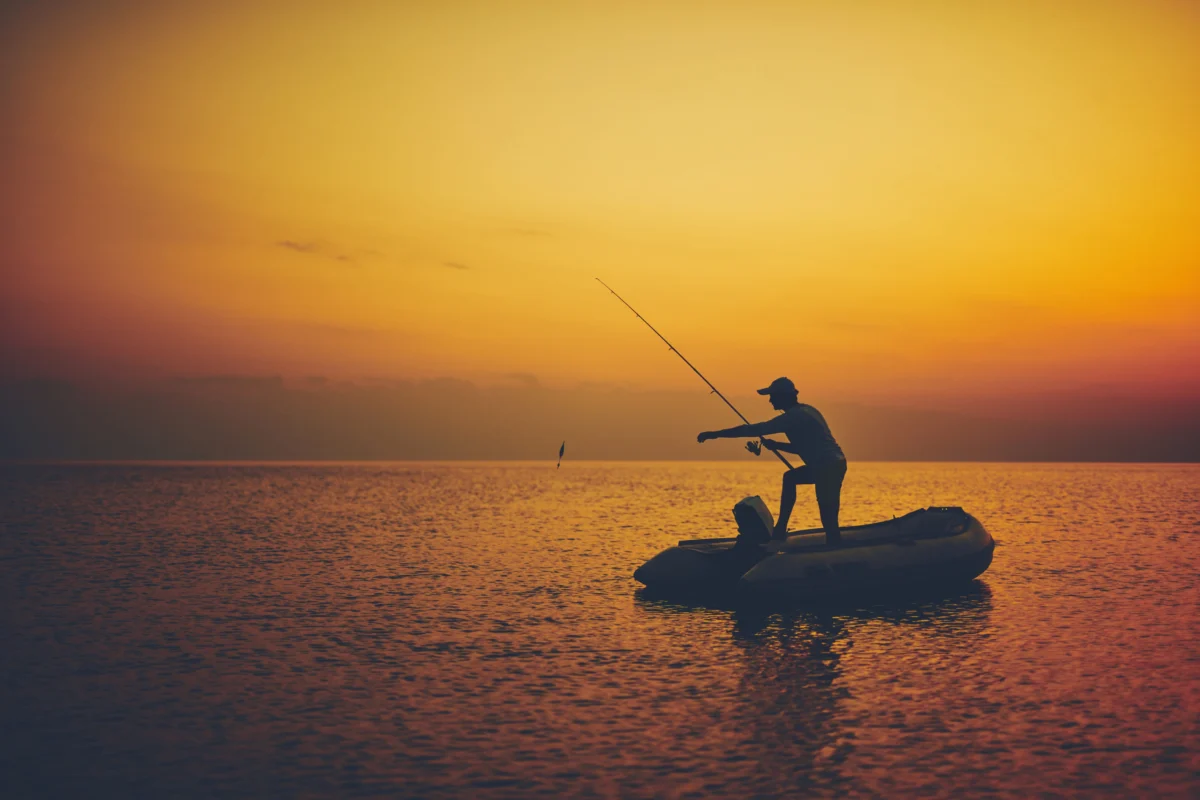
The American sportfishing landscape is currently navigating a complex paradox: while more people are picking up a rod and reel than in previous decades, the depth of their engagement is thinning. According to the newly released 2026 Special Report on Fishing, a comprehensive study produced through a partnership between the American Sportfishing Association (ASA) and the Outdoor Industry Association (OIA), a record-setting 57 million Americans aged six and older participated in fishing at least once during the 2025 calendar year. This figure represents a significant increase from the 50.1 million anglers recorded in 2019, suggesting that the "pandemic bump"—the surge in outdoor recreation seen during the COVID-19 era—has left a lasting footprint on the sport’s total reach. However, beneath this surface-level growth lies a concerning trend for the industry: fishing is increasingly becoming a casual, occasional activity rather than a dedicated lifestyle pursuit.
The data reveals that the frequency of fishing trips is in steady decline. A decade ago, approximately 8% of all anglers were considered "avid," heading out to the water on a weekly basis. By 2025, that figure had slipped to under 6%. Simultaneously, the segment of the population that fishes only one to three times per year has surged, growing from 22% to 32% over the same period. Today, a staggering 68% of all fishing participants head to the water 11 times or fewer annually. This shift toward "shallow" participation suggests that while the industry has been successful at recruitment, it is struggling with retention and reactivation—the pillars of long-term stability in the outdoor recreation sector.
The Participation Paradox: High Reach, Low Frequency
The 2026 Special Report highlights a delicate moment for the sportfishing industry. While the 57 million participants in 2025 represent a robust consumer base, the overall participation rate actually slipped by roughly 2% year-over-year. This slight contraction was driven by a high "churn rate" of 33%, meaning the sport lost nearly one million anglers who had participated in previous years but did not return to the water in 2025.
Industry analysts point to "time poverty" as a primary driver of this trend. As the American workforce returned to pre-pandemic routines, the flexible schedules that allowed for spontaneous afternoon fishing trips have largely vanished. Furthermore, the competition for leisure time has intensified. With the resurgence of team sports, travel, and other social engagements, fishing—which often requires significant preparation and travel time—is being relegated to a "vacation activity" rather than a local hobby.
The implications for the industry are profound. A casual angler who fishes twice a year during a family camping trip has vastly different purchasing habits than a weekly angler. The "avid" angler is the primary consumer of high-end tackle, specialized electronics, and high-performance watercraft. The shift toward occasional participation may eventually lead to a softening in the sales of durable goods, even if the sales of entry-level kits and one-day licenses remain stable.
Saltwater Fishing: The Record-Breaking Exception
While freshwater and fly fishing have seen plateauing or declining engagement, saltwater fishing has emerged as the industry’s most resilient and fastest-growing sector. In 2025, saltwater participation rose by 3% to a record 15.5 million anglers. This is one million more participants than in 2020 and represents the highest total ever tracked in the history of the ASA and OIA reports.
Unlike other categories, saltwater fishing is growing on both fronts: recruitment and frequency. Total outings in the saltwater sector rose by 2% to reach 183 million trips in 2025. This growth is particularly notable given that freshwater fishing outings held flat and fly fishing saw a dip in total participation.
Experts attribute the saltwater boom to several factors, including the continued population shift toward coastal states and the professionalization of the charter fishing industry. Coastal fishing often provides a more "all-inclusive" experience for casual anglers, where charter captains provide the gear, expertise, and boat access, removing many of the barriers to entry that can discourage beginners in freshwater settings. Additionally, the social media visibility of "big game" offshore fishing has attracted a younger, more lifestyle-oriented demographic to the saltwater scene.
A Chronology of the Modern Angler: From 2019 to 2026
To understand the current state of the industry, it is essential to look at the timeline of participation over the last seven years.
- 2019 (The Baseline): Participation stood at 50.1 million. The sport was seeing steady but slow growth, with a core group of dedicated anglers making up the bulk of the economic impact.
- 2020–2021 (The Surge): The COVID-19 pandemic led to a massive influx of newcomers. With indoor entertainment shuttered, millions of Americans turned to fishing as a safe, socially distanced way to spend time outdoors. Participation jumped, and tackle shops faced unprecedented inventory shortages.
- 2022–2024 (The Adjustment): As the world reopened, the industry braced for a mass exodus. While some "pandemic anglers" did leave, a significant portion remained, keeping participation numbers well above 2019 levels. However, this period marked the beginning of the "frequency slide."
- 2025 (The Current State): The 2026 report (covering 2025 data) confirms that the "new normal" for fishing is a large, diverse, but largely casual base. The challenge has officially shifted from getting people to try fishing to getting them to keep fishing.
The Demographic Shift: A More Diverse Waterfront
One of the most encouraging findings in the 2026 Special Report is the continued diversification of the angling community. For decades, fishing was demographically dominated by older, white males. The latest data shows that the "new wave" of anglers is younger, more female, and more ethnically diverse than ever before.
Hispanic and Black angler participation has seen notable gains. The report highlights that these demographics often approach fishing as a communal, family-oriented activity. Hispanic anglers, in particular, are more likely to fish in larger groups and integrate the activity into broader outdoor celebrations.
Female participation also continues to be a growth engine for the sport. The industry’s efforts to market gear specifically designed for women and the rise of female-led fishing clubs have helped lower the "intimidation factor" that previously kept many women off the water. However, the report notes that women and minority groups are also more likely to fall into the "occasional" category, highlighting a need for targeted engagement strategies to move these newcomers from casual participants to lifelong enthusiasts.
Crossover Activities: Fishing as Part of the Outdoor Ecosystem
The 2026 report emphasizes that fishing does not exist in a vacuum. There is a heavy crossover between fishing and other outdoor pursuits, particularly camping, hiking, and walking.
According to the data, a majority of occasional anglers do not set out with the sole intent of fishing. Instead, fishing is an "add-on" activity to a camping trip or a day at a state park. For the outdoor industry, this presents a unique opportunity for cross-promotion. Brands that traditionally focus on camping gear are increasingly incorporating fishing tackle into their product lines, recognizing that the "outdoor consumer" is rarely loyal to just one activity.
This crossover also influences where people fish. Accessible public lands, such as state and national parks, have become the primary venues for the 68% of anglers who fish 11 times or fewer. Improving infrastructure at these locations—such as better boat ramps, cleaner piers, and more accessible shorelines—is cited as a critical factor in maintaining the current participation levels.
Industry Reactions and Strategic Implications
The American Sportfishing Association and the Outdoor Industry Association have reacted to these findings with a mixture of optimism and urgency. In statements related to the report, industry leaders have stressed the importance of the "R3" movement: Recruitment, Retention, and Reactivation.
"The 57 million figure is a testament to the enduring appeal of fishing," one analyst noted. "But we cannot be complacent. A 33% churn rate is a ‘leaky bucket’ problem. If we lose a third of our participants every year, we are constantly working just to stay in place. The industry needs to focus on the ‘experience’ of fishing—making it easier, more social, and more rewarding for the casual participant."
The report suggests several strategic pivots for tackle manufacturers, retailers, and fisheries managers:
- Simplified Gear: To cater to the 32% of anglers who only fish three times a year, there is a growing market for "grab-and-go" kits that require zero technical knowledge.
- Digital Engagement: Leveraging apps to provide real-time "where to fish" and "how to fish" information can help reduce the frustration that often leads to casual anglers quitting the sport.
- Urban Fisheries: With more people living in cities, developing "urban oases"—stocked ponds and accessible piers in metropolitan areas—is essential to increasing the frequency of outings.
- Mentorship Programs: Bridging the gap between the 6% of avid anglers and the 68% of casual anglers through mentorship can help transfer the skills necessary for long-term retention.
Conclusion: The Future of the Sport
As the 2026 Special Report on Fishing makes clear, the sport is at a crossroads. Its reach has never been wider, but its roots in the daily or weekly lives of Americans are becoming more shallow. The record-breaking success of the saltwater sector provides a roadmap for growth, but the broader challenges of time competition and high churn rates remain.
The future health of the $148 billion sportfishing industry will depend on its ability to transform the "occasional" angler into a "regular" participant. While the "pandemic bump" provided a much-needed influx of new blood, the task now is to ensure that the 57 million people who fished in 2025 find enough value and enjoyment in the sport to return in 2026 and beyond. Fishing’s future depends less on drawing new people to the water than on ensuring that once they arrive, they have a reason to come back.
