

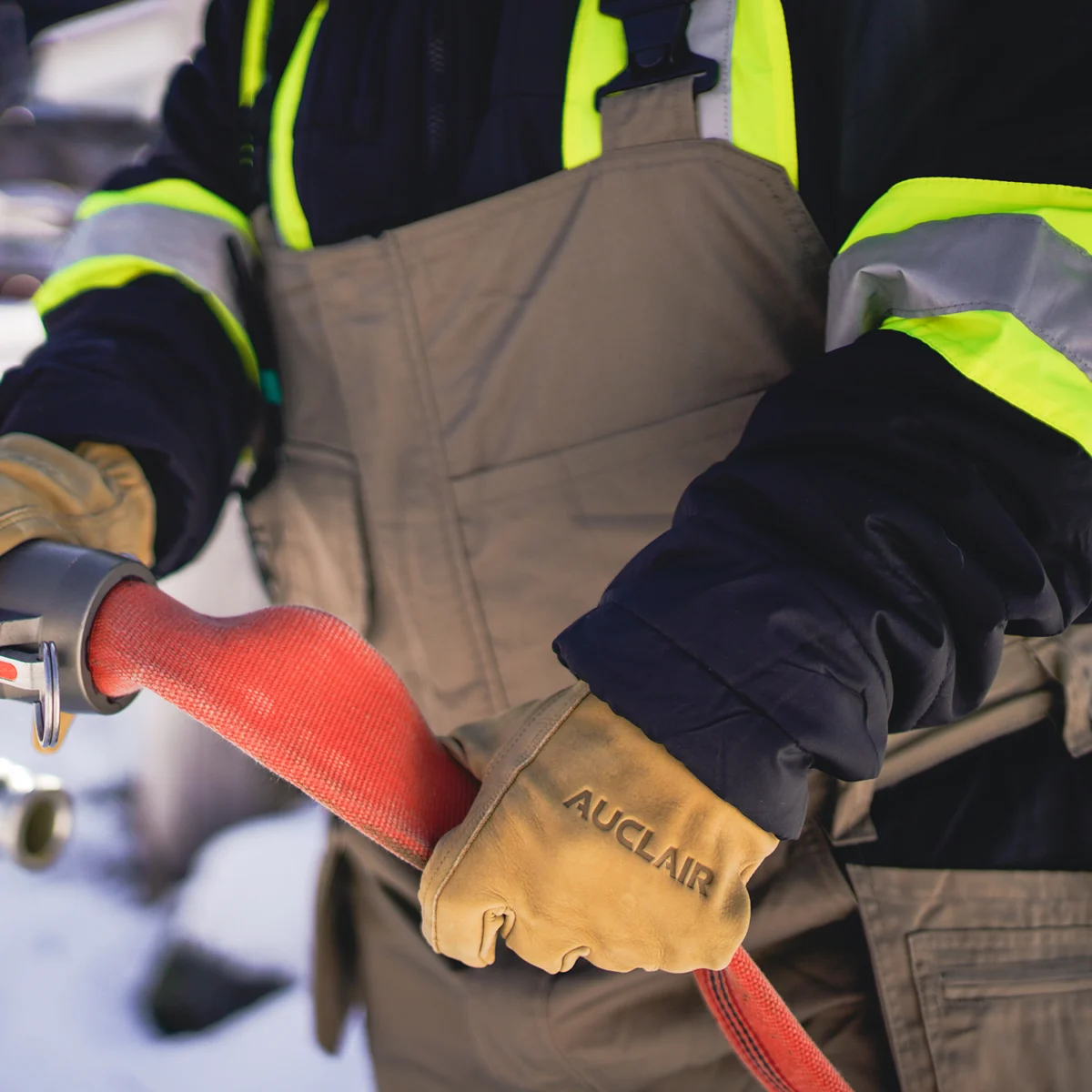
The impending snowsports season brings with it the excitement of fresh powder and exhilarating runs. However, maximizing enjoyment and ensuring safety on the slopes hinges significantly on proper gear, particularly the often-overlooked yet crucial element: gloves. As an integral part of an instructor’s toolkit and a recreationalist’s comfort, the right hand protection can make or break a day on the mountain. To navigate the complexities of glove selection and maintenance, Auclair, a renowned Official Supplier in snowsports handwear, offers invaluable insights. Through expert perspectives from Marie-Pier Jolicoeur, Product Design & Brand Manager, and Philippe Auclair, Head of Brand & Marketing, this comprehensive guide delves into optimizing glove performance, longevity, and wearer comfort for the season ahead and beyond.
The Critical Role of Hand Protection in Snowsports
The snowsports industry, a significant contributor to winter tourism economies globally, relies heavily on specialized equipment to ensure both participant safety and enjoyment. From high-performance skis and snowboards to advanced outerwear, every piece of gear plays a vital role. Among these, gloves are paramount, often serving as the first line of defense against the harsh elements of winter. Cold hands can quickly diminish a day on the slopes, leading to discomfort, loss of dexterity, and, in severe cases, the risk of frostbite. According to the National Ski Areas Association (NSAA), over 60 million skier visits occur annually in the U.S. alone, underscoring the widespread need for effective hand protection. Proper gloves not only maintain core body temperature and comfort but also enable precise control of equipment, a critical factor for both novice and expert snowsports enthusiasts.
Strategic Selection: Tailoring Gloves to Your Needs
Choosing the ideal snowsports glove is a nuanced process that extends beyond mere aesthetics. It involves a careful consideration of various technical specifications, personal physiology, and intended activity levels. Auclair’s experts emphasize that a glove is not a one-size-fits-all item but rather a tailored solution for specific demands.
Priorities for Snowsports Professionals
For ski and snowboard instructors, who spend long days exposed to varying conditions, handling equipment, and riding lifts, glove selection is particularly critical. Marie-Pier Jolicoeur advises, "There are several things to consider when choosing the right gloves, including insulation, waterproofing, breathability, materials, reinforcements, and of course, fit." She stresses the importance of a balanced approach: "For ski instructors specifically, I would recommend a glove that offers a good level of insulation, but not too much." Instructors engage in a dynamic range of activities—from demonstrating techniques and adjusting bindings to assisting students and managing ropes. This demands a glove that offers robust protection without compromising on dexterity or breathability.
Durability is a cornerstone for professionals. Philippe Auclair notes, "Since you’re constantly handling equipment, adjusting bindings, and carrying skis, I would definitely recommend looking for gloves with durable outer materials and reinforced areas, especially on the palm, index finger, and thumb." These high-wear zones are prone to abrasion and impact, making materials like goatskin leather or reinforced synthetic panels essential. The ability to maintain a firm grip on ski poles, operate zippers, or even use a radio without removing gloves significantly impacts an instructor’s effectiveness and the overall safety of their students.
The Science of Fit
A properly fitting glove is fundamental to its performance. Jolicoeur explains, "Ideally, you want your fingertips to lightly touch the ends of the glove, but without feeling any pressure or discomfort." A common misconception is that a tighter fit means more warmth; however, restricting blood circulation can paradoxically make hands colder. Tightness around the wrist, thumb, or fingers can impede blood flow, even in heavily insulated gloves. Conversely, a glove that is too loose leads to a significant loss of dexterity and grip, compromising control over equipment.
When trying on gloves, it is crucial to consider how hands might swell slightly during physical activity. Jolicoeur warns, "A glove that already feels tight when you try it on might become uncomfortable after a few hours on the mountain." Furthermore, an ill-fitting glove creates dead air space that the body struggles to warm, or it allows warm air to escape, leading to heat loss. Experts recommend measuring hand circumference and length against a manufacturer’s size chart, and ideally, trying on gloves with any intended liners. The goal is a snug, secure fit that allows natural hand movement and ensures optimal thermal regulation.
Decoding Insulation
Insulation is the core component responsible for warmth. However, "more insulation doesn’t necessarily mean a better glove," Jolicoeur cautions. The choice of insulation depends heavily on individual physiology, activity level, and anticipated weather conditions. Common insulation types include:
- Synthetic Insulation (e.g., Primaloft, Thinsulate): These polyester-based fibers are known for retaining warmth even when wet, making them highly suitable for snowsports. They offer good warmth-to-weight ratios and are often hypoallergenic. Different weights (e.g., 60g, 100g, 200g) indicate the amount of insulation, directly correlating to warmth.
- Natural Down: Renowned for its superior warmth-to-weight ratio and compressibility, down is incredibly effective in dry, cold conditions. However, its insulating properties are significantly compromised when wet, making it less ideal for very damp environments unless protected by a robust waterproof shell.
- Wool (e.g., Merino): Often used in liners, wool provides natural warmth and excellent moisture-wicking properties, helping to regulate temperature and prevent clamminess.
The optimal insulation level balances warmth with breathability. An overly insulated glove can lead to excessive sweating, creating a damp internal environment that rapidly cools the hands once activity slows or temperatures drop. This "wet-cold" cycle is precisely what snowsports enthusiasts aim to avoid.
Waterproofing and Breathability: A Dual Imperative
The ability to keep water out while allowing sweat to escape is a critical performance factor for snowsports gloves. Philippe Auclair explains the distinction: "The main difference really comes down to how the glove is constructed and how much protection it offers against water."
- Waterproof Gloves: These feature a fully waterproof membrane (such as Gore-Tex, Auclair’s proprietary ‘Otter shell,’ or other brand-specific membranes) laminated between the outer fabric and the insulation/liner. Crucially, waterproof gloves also incorporate taped seams, preventing water ingress through stitching holes. These membranes are microporous, allowing water vapor (sweat) to escape while blocking liquid water droplets from entering. The effectiveness of this breathability is often measured by its Moisture Vapor Transmission Rate (MVTR).
- Water-Resistant Gloves: These typically rely on a Durable Water Repellent (DWR) treatment applied to the outer fabric. DWR causes water to bead up and roll off the surface, but it is not a complete barrier. Over time and with wear, DWR treatments degrade, and the fabric can "wet out," meaning it absorbs water. While some water-resistant gloves might have internal membranes, the term generally implies a lesser degree of water protection compared to fully waterproof designs.
For high-intensity activities, breathability is as important as waterproofing. If sweat cannot escape, it condenses inside the glove, leading to cold, damp hands, even if no external water has penetrated. The advanced engineering of modern glove materials strives to achieve this delicate balance, ensuring comfort and performance across a spectrum of conditions.
Material Matters: Durability and Feel
The choice of outer material significantly impacts a glove’s durability, flexibility, and tactile feel.
- Leather: Often considered the gold standard for snowsports gloves due to its exceptional durability, grip, and ability to mold to the hand over time. Goatskin is popular for its excellent strength-to-weight ratio and suppleness, while cowhide offers robust abrasion resistance. Pigskin is also used for its resilience. Leather requires specific care and conditioning to maintain its properties but offers a premium feel and long lifespan.
- Synthetic Fabrics: Nylon and polyester are common choices, often treated with DWR. These fabrics can offer good abrasion resistance, are generally lighter, and dry faster than leather. Softshell fabrics provide a balance of wind resistance, water repellency, and flexibility, making them suitable for milder conditions or as part of a multi-layer glove system. Reinforcements in high-wear areas often involve additional layers of leather, synthetic patches, or even high-strength fibers like Kevlar, designed to protect against pole grip abrasion, edge cuts, and general wear.
Form and Function: Glove, Mitten, or Three-Finger?
Beyond the technical specifications, the basic form factor of handwear — glove, mitten, or three-finger — dictates the balance between warmth and dexterity.
Gloves: Maximum Dexterity
Gloves, with individual finger compartments, offer the highest level of dexterity. "Gloves obviously offer the most dexterity since each finger can move independently," Jolicoeur states. This design is ideal for tasks requiring fine motor skills, such as adjusting boot buckles, operating smartphone touchscreens (with compatible materials), managing zippers, or manipulating small equipment components. They are favored by those who prioritize precision and unimpeded finger movement. However, separating the fingers means less shared body heat, making them generally less warm than mittens in extreme cold.
Mittens: Superior Warmth
Mittens are the warmest option for hand protection because they allow all four fingers to share body heat within a single compartment, reducing the surface area exposed to the cold. "Mittens are generally warmer because your fingers are all together in the same space, allowing them to share body heat," explains Jolicoeur. This design is highly recommended for individuals prone to cold hands, those with circulation issues like Raynaud’s phenomenon, or for use in exceptionally frigid conditions. The trade-off is reduced dexterity, making intricate tasks challenging without removing the mitten.
Three-Finger (Lobster) Gloves: The Intelligent Compromise
Also known as "lobster claws," three-finger designs offer a smart compromise. They group the ring and pinky fingers together for warmth, while keeping the index finger and thumb separate for enhanced dexterity. Jolicoeur notes, "They offer a great compromise between warmth and dexterity. You have three fingers grouped together to help retain heat, while your index finger stays separate, giving you more freedom of movement for one of the fingers you use the most when handling equipment." This design provides significantly more warmth than a traditional five-finger glove while retaining much more functionality than a full mitten, making it a versatile choice for a wide range of snowsports activities and conditions.
The Warmth-Dexterity Equilibrium: Dispelling Myths
The pursuit of maximum warmth often leads to the misconception that more insulation is always better. However, Auclair’s experts clarify that this is not the case. "More insulation doesn’t necessarily mean a better glove," Marie-Pier Jolicoeur reiterates. Over-insulation can trigger the "overheating-sweating-cooling" cycle. When hands become too warm, they sweat. This moisture then accumulates inside the glove, and once activity ceases or hands are exposed to colder air (e.g., removing gloves), the evaporative cooling effect can quickly make hands feel much colder than they would have in a less insulated, dry glove.
Strategic insulation placement is a key design consideration. Philippe Auclair highlights, "Many of our mittens actually have more insulation on the back of the hand than on the palm. This is intentional. It allows us to provide extra warmth where it’s needed, while keeping the palm less bulky for better grip and control when holding ski poles." This thoughtful design optimizes warmth where it’s most needed while preserving the crucial tactile feedback and grip required for handling equipment. Ultimately, the goal is "not about having the most insulation possible. It’s about having the right amount, in the right places, for the activity you’re doing."
To aid in maintaining dry hands and adaptable warmth, Auclair recommends integrating thin merino wool liners. Merino wool is celebrated for its natural moisture-wicking properties, moving sweat away from the skin, and its ability to provide warmth even when damp. Liners can also be easily removed for drying or swapped out, offering a versatile layering system that adapts to changing conditions throughout the day.
Extending Lifespan: Best Practices for Glove Care
Proper maintenance is not just about keeping gloves functional; it’s about extending their lifespan, preserving their performance, and ultimately contributing to a more sustainable consumption pattern. Auclair’s experts provide detailed guidance on cleaning, drying, and conditioning.
Daily Drying Rituals
The most crucial daily care step is proper drying. "The best way to dry your gloves overnight is to let them air-dry in a warm, well-ventilated area, away from direct heat," advises Jolicoeur. Direct heat sources like radiators, fireplaces, or high-heat hair dryers can cause irreversible damage. Excessive heat can dry out and crack leather, delaminate waterproof membranes (which are often bonded with heat-sensitive adhesives), and compromise the integrity of synthetic fabrics and insulation.
Key drying habits:
- Open Cuffs: Maximize airflow by opening cuffs as wide as possible.
- Remove Liners: If gloves have removable liners, take them out to allow both the shell and liner to dry independently and more quickly.
- Avoid Stuffing: Never leave wet gloves crumpled in a ski bag; this creates a humid, anaerobic environment conducive to mildew and odors.
- Hang Properly: If hanging gloves, position them with cuffs facing down to prevent any lingering moisture from collecting in the fingertips and to prevent snow from falling inside when temporarily removed outdoors.
Cleaning and Conditioning
Different materials require specific care routines to maintain their integrity and performance.
- Leather Gloves: "For leather gloves, I would recommend gently cleaning the surface with a damp cloth to remove dirt and salt residue," Jolicoeur states. Harsh detergents and soaking should be avoided, as they can strip natural oils from the leather, leading to stiffness and cracking. Regular application of a specialized leather conditioner, designed for gloves, is vital to keep the leather soft, supple, and water-resistant. This also prevents premature aging and enhances durability.
- Synthetic Gloves: Generally easier to care for, synthetic gloves may be hand-washed or machine-washed on a gentle cycle with a mild, technical detergent. However, always check the care label, especially for gloves with waterproof membranes or specialized coatings. Philippe Auclair cautions, "For both types, I would avoid fabric softeners, bleach, and excessive heat." Fabric softeners can clog the pores of breathable membranes and diminish DWR treatments.
Reactivating Water Repellency
The Durable Water Repellent (DWR) treatment on the outer fabric is a crucial, though temporary, barrier. Over time, it wears off due to abrasion, dirt, and repeated washing. "If water no longer beads up on the surface and the outer fabric starts absorbing moisture instead, that’s usually a sign that the DWR treatment is wearing off," Jolicoeur explains. This is the cue to reapply a compatible DWR product, available as sprays or wash-ins. Before reapplication, ensure the gloves are clean, as dirt can interfere with the treatment’s effectiveness. Re-activating DWR helps prevent the outer fabric from "wetting out," which can make gloves feel heavier, colder, and compromise breathability, even if the internal waterproof membrane is still intact.
Proactive Maintenance and End-of-Season Storage
A proactive approach to glove care ensures peak performance throughout their lifespan and maximizes investment.
Signs for Action
Regular inspection is key to identifying when gloves need attention. Obvious signs include:
- Visual Wear: Loose stitching, small tears, or worn-out reinforcements, particularly in high-friction areas like palms and fingertips.
- Material Degradation: Leather feeling dry, stiff, or cracked; outer fabric absorbing water instead of beading it.
- Performance Loss: Hands consistently feeling colder than usual, or internal moisture despite not sweating, indicating compromised insulation or waterproofing.
"Sometimes a simple repair, a new water-repellent treatment, or proper leather care can make a big difference," Auclair advises. Prioritizing repair over immediate replacement not only saves money but also aligns with sustainable practices.
Off-Season Storage
At the close of the snowsports season, proper storage is paramount to prevent degradation during the off-season. "The most important thing is to make sure your gloves are completely clean and dry before putting them away for the season," Jolicoeur stresses. Any residual moisture can lead to mildew, unpleasant odors, and material damage.
For leather gloves, applying a suitable conditioner before storage helps maintain suppleness and prevents drying and cracking. Gloves should be stored in a cool, dry place, away from direct sunlight and excessive heat, which can degrade materials. Avoid compressing them at the bottom of a gear bag, as this can crush insulation and permanently reduce its loft and warmth. Instead, store them in a manner that allows them to retain their natural shape. The end of the season also presents an opportune moment for a thorough inspection, allowing time for any necessary repairs or treatments before the next winter season commences.
Broader Implications: Safety, Performance, and Sustainability
The meticulous selection and diligent care of snowsports gloves extend beyond individual comfort; they are intrinsically linked to broader implications concerning safety, performance, and environmental sustainability. From a safety perspective, maintaining warm, dry hands with good grip prevents common hazards such as frostbite, loss of control over equipment, and fumbling with critical gear in adverse conditions. For professionals like instructors, reliable handwear is a non-negotiable aspect of their operational safety and effectiveness.
Performance is directly enhanced by appropriate glove choice and care. Optimal dexterity allows for precise movements, while effective thermal regulation and moisture management keep the wearer focused on the activity rather than discomfort. This translates to more enjoyable and productive days on the mountain, for both seasoned enthusiasts and beginners alike.
Moreover, the emphasis on maintenance, repair, and extending product lifespan championed by Auclair reflects a growing global awareness of sustainability. By educating consumers on proper care, brands encourage a "buy less, use longer" philosophy, reducing waste and the environmental impact associated with frequent replacements. This commitment to durable design and responsible consumption positions companies like Auclair not just as gear providers, but as partners in fostering a more sustainable approach to outdoor recreation.
To gain further insights and detailed instructions on glove care, Auclair encourages consumers to consult their comprehensive online glove care guide, ensuring that every pair of gloves provides optimal performance season after season.
