

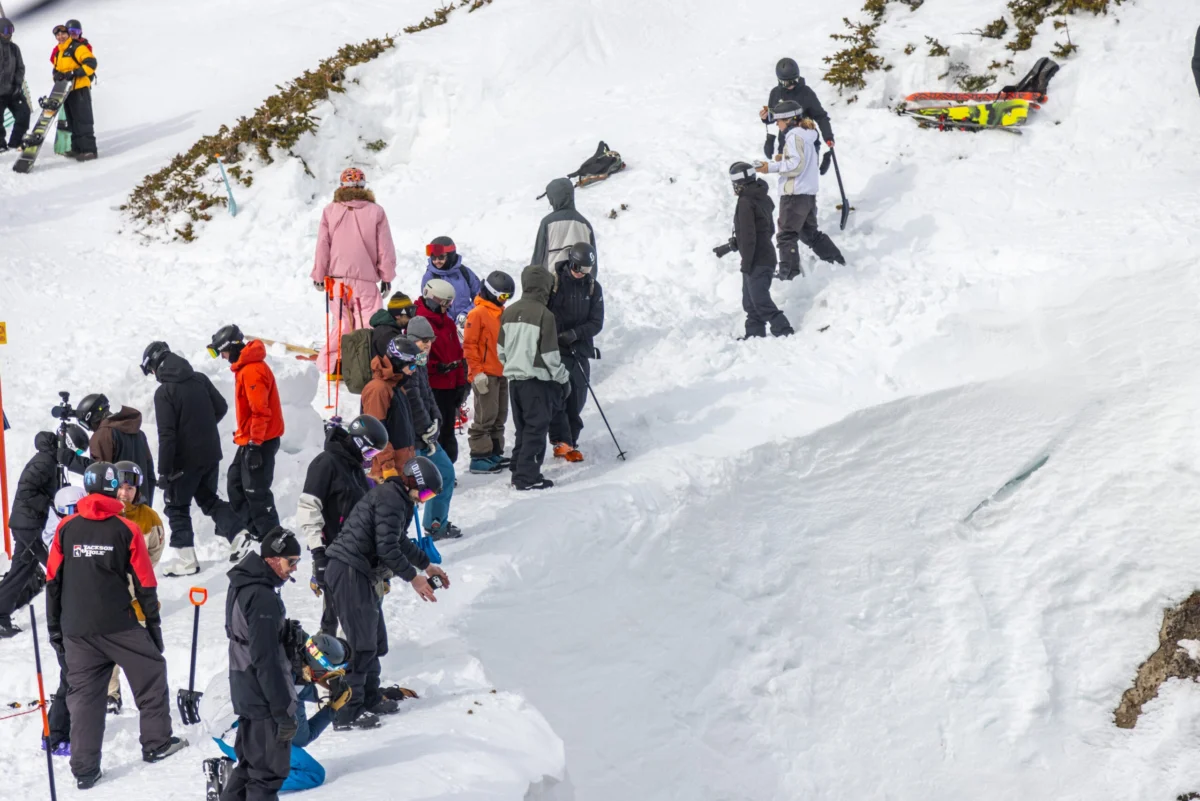
The psychological threshold of extreme skiing is often crossed not in the middle of a descent, but at the very precipice where the lift ends and the gravity-defying reality of the terrain begins. For the modern expert skier, the "drop-in" represents a singular moment of high-stakes commitment, where technical skill must override the primal instinct of self-preservation. Across the varied topography of the North American continent, from the jagged Tetons of Wyoming to the ice-encrusted glades of Vermont, certain ski runs have earned reputations that transcend mere difficulty ratings. These entrances, often characterized by mandatory airtime, blind rolls, or suffocatingly narrow rock corridors, serve as the ultimate benchmarks for the alpine elite.
The Evolution of In-Bounds Extreme Terrain
The history of extreme skiing in North America has shifted from the fringes of mountaineering into the managed boundaries of major resorts. In the 1960s and 70s, many of the runs now considered "iconic" were either out-of-bounds or viewed as unskiable by the general public. The evolution of equipment—specifically the development of wider "fat" skis, rockered profiles, and more reliable binding systems—has allowed a broader segment of the skiing population to attempt terrain that was once reserved for professional pioneers.
However, despite advancements in technology, the physical geometry of these entrances remains unchanged. A 50-degree pitch or a 20-foot vertical drop into a narrow chute requires the same level of precision and nerve today as it did 40 years ago. This has led to a unique culture of "spectator skiing," where chairlifts are strategically positioned to allow others to witness the triumphs and failures of those brave enough to commit to the continent’s most daunting lines.
1. Corbet’s Couloir: Jackson Hole Mountain Resort, Wyoming
It is impossible to discuss intimidating entrances without acknowledging Corbet’s Couloir. Named after Barry Corbet, a mountaineer and ski instructor who famously spotted the narrow opening in 1960 and predicted that "someday someone will ski that," the run has become a rite of passage.
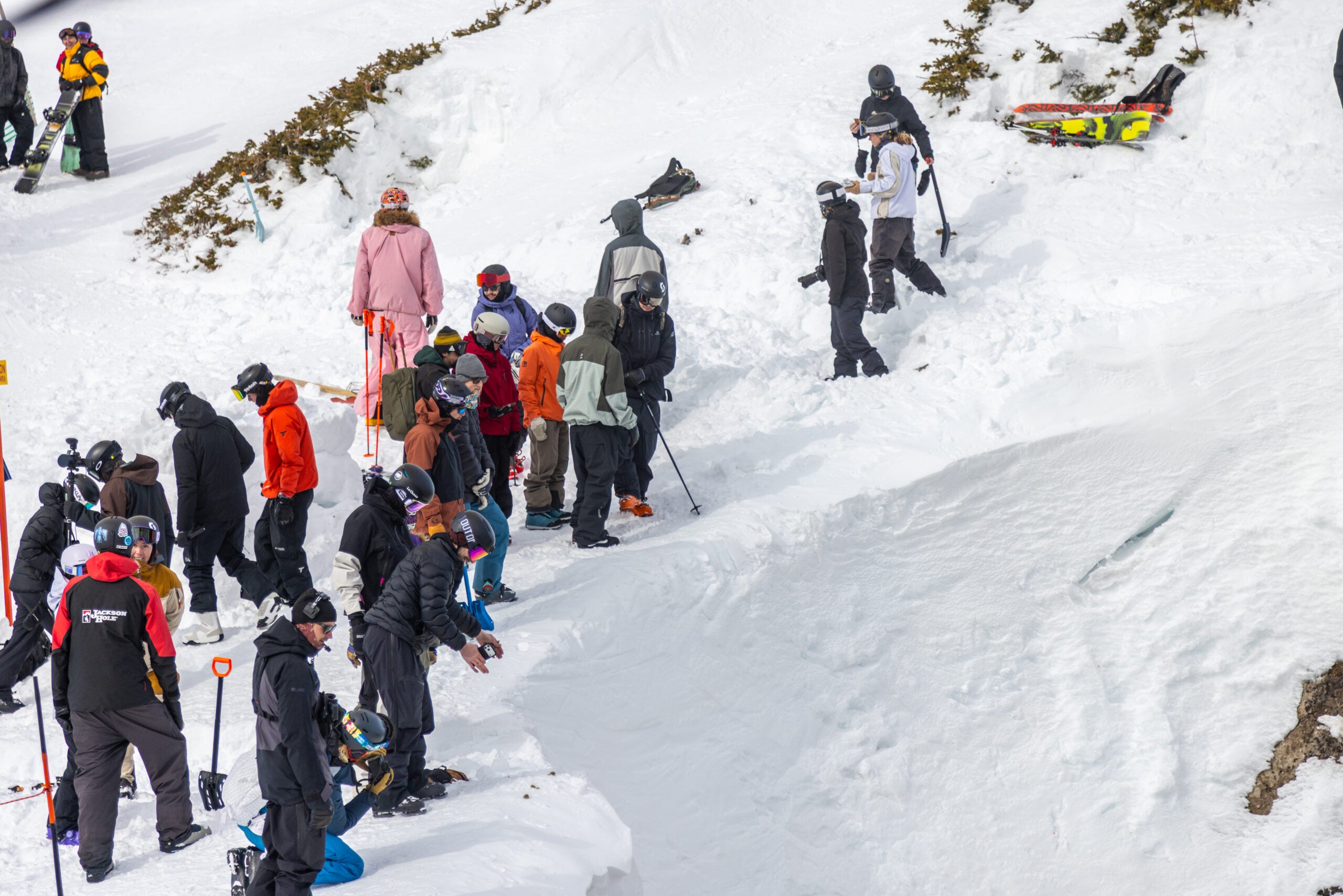
The entrance typically requires a drop of 10 to 20 feet, depending on the snowpack. The most common approach involves a leap off the skier’s left cornice, requiring an immediate and forceful right-hand turn upon impact to avoid the granite wall of the couloir. Since 2018, the resort has hosted the "Kings & Queens of Corbet’s" competition, an event that has pushed the limits of what is possible at the entrance, with athletes now performing backflips and 720-degree spins into the abyss. Despite the professional flair seen on social media, for the average expert, the entrance remains a grueling test of stability and composure.
2. S&S Couloir: Jackson Hole Mountain Resort, Wyoming
While Corbet’s garners the fame, its neighbor to the skier’s left, S&S Couloir, represents an even higher level of consequence. Named after Charlie Sands and Barry Sandridge, the first two people to successfully navigate it, S&S is rarely open to the public and often requires special permission from ski patrol.
The entrance is defined by a mandatory cliff drop that can reach 25 feet, followed by an extremely tight landing zone that demands an immediate, precise turn to navigate a narrow rock passage. Unlike Corbet’s, where a fall might result in a long, albeit painful, slide down soft snow, a mistake at the entrance of S&S can lead to a high-impact collision with the surrounding rock walls. It remains one of the most exclusive and feared lines in the lower 48 states.
3. Big Couloir: Big Sky Resort, Montana
Big Sky’s Lone Peak is a geological anomaly that offers some of the most sustained steep skiing in the United States. The Big Couloir is its crowning jewel. While the pitch is a relentless 40 to 50 degrees, it is the entrance and the regulatory framework surrounding it that amplify the intimidation factor.
To ski the Big Couloir, skiers must sign out with the ski patrol, carry an avalanche transceiver, shovel, and probe, and ski with a partner. The entrance often involves navigating a rocky, exposed ridge before dropping into a sustained, narrow chute that falls 1,400 vertical feet. The "no-fall" nature of the upper section means that a lost edge at the entrance could result in a catastrophic tumble down the length of the couloir.
4. Christmas Chute: Alyeska Resort, Alaska
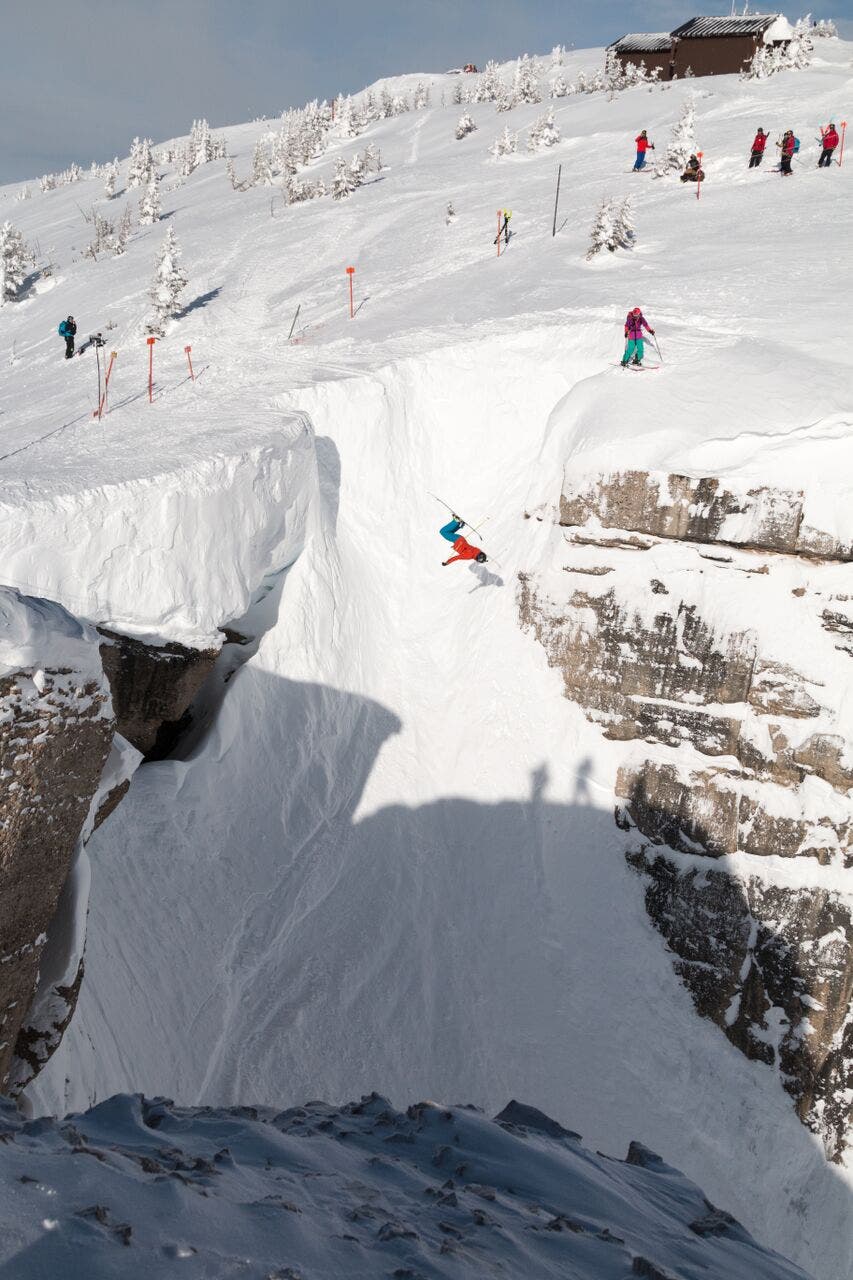
Alaska is the global epicenter of "big mountain" skiing, and Alyeska Resort brings that helicopter-skiing intensity to an in-bounds environment. The North Face of Alyeska is the largest continuous double-black diamond face in North America, and Christmas Chute is its most striking feature.
The entrance is a narrow funnel between two massive rock ribs. The intimidation comes from the sheer scale of the Alaskan landscape; the chute averages a 45-degree pitch for nearly 1,500 vertical feet. In "low-tide" conditions (low snow depth), the entrance becomes a technical nightmare of exposed rock and ice, requiring absolute edge control before the chute opens up into a wider, though still steep, apron.
5. The Coffin: Whistler Blackcomb, British Columbia
The Coffin is a psychological gauntlet located in the alpine reaches of Whistler Mountain. It is not an official run on the trail map, yet its location—highly visible from the Peak Chair—makes it a focal point for the resort’s "pro-callout" culture.
The entrance is a literal "coffin" of rock: a narrow, straight-line passage that requires skiers to point their skis downhill without the ability to turn for the first several meters. The transition from the narrow rock walls to the open bowl below requires a high-speed exit and a rapid deceleration or "shut-down" turn. The knowledge that hundreds of people are watching from the chairlift adds a layer of performance anxiety to an already technical maneuver.
6. McConkey’s: Palisades Tahoe, California
Formerly known as Eagle’s Nest, this iconic feature was renamed to honor the late Shane McConkey, a pioneer of extreme skiing and BASE jumping. Located off the KT-22 chairlift—widely considered one of the best lifts for expert terrain in the world—McConkey’s is a massive rock buttress that requires a technical descent of a steep, exposed spine.
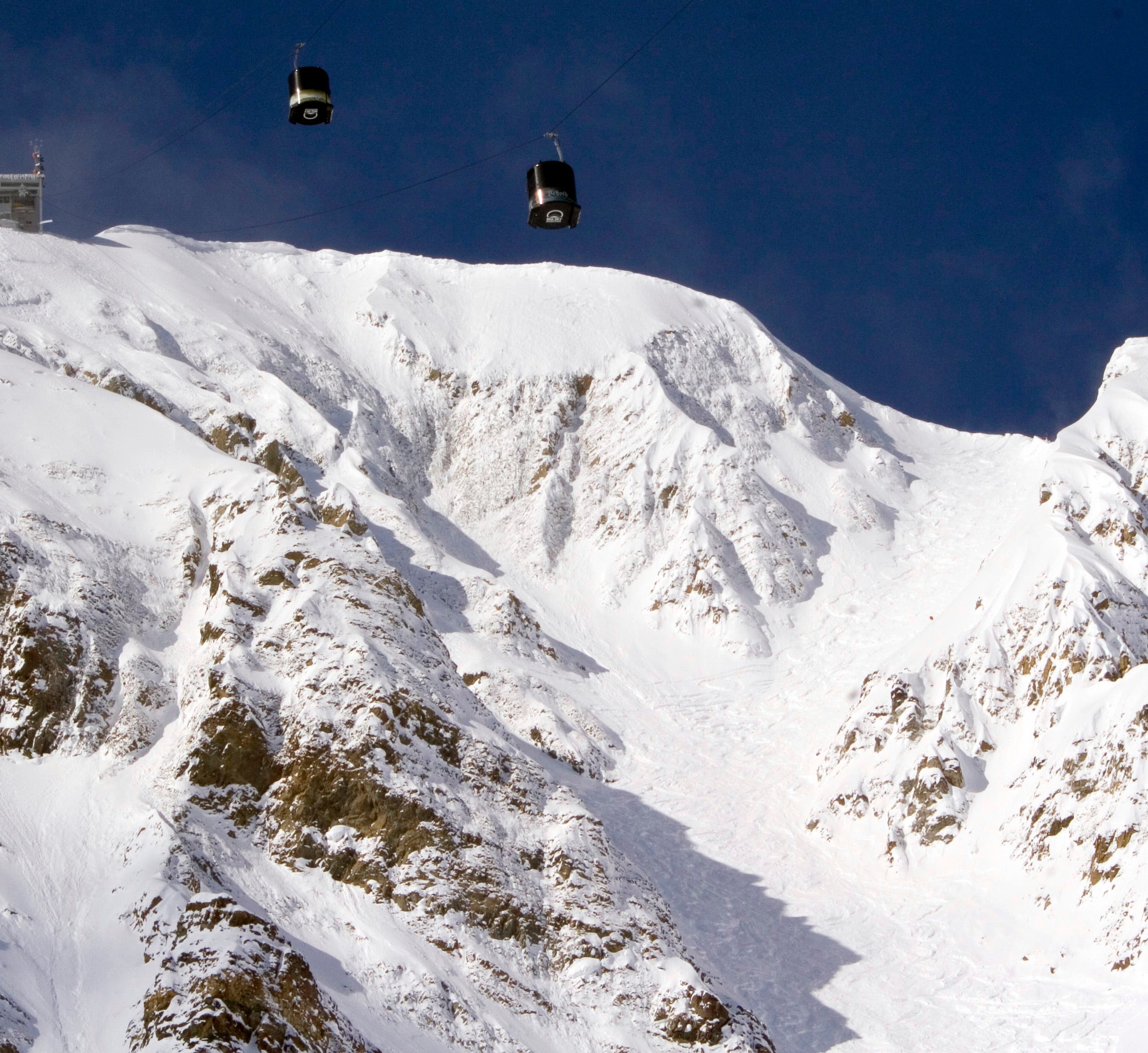
The entrance is less about a single drop and more about "threading the needle" through a series of rocky outcrops. The high-consequence nature of the terrain means that a fall at the top would likely result in a tumble over several secondary cliffs. It is a run that demands "total commitment," a phrase often used by the local Tahoe community to describe the mindset needed to clear the initial obstacles.
7. Lobotomy: Crystal Mountain, Washington
In the Pacific Northwest, the challenge often stems from the "blind" nature of the terrain. Lobotomy, located in the Silver King area of Crystal Mountain, is a hike-to run that forces skiers to commit to a line they cannot fully see from the top.
The entrance is a sharp, rocky ridge where the snow often forms a precarious cornice. Because the run is located in "sidecountry" terrain that is nonetheless patrolled, it maintains a raw, unrefined feel. The "no-fall zone" starts at the very first turn, where the skier must navigate a series of rock bands before finding the main fall line. The mental hurdle of dropping into a void is what gives Lobotomy its name and its fearsome reputation.
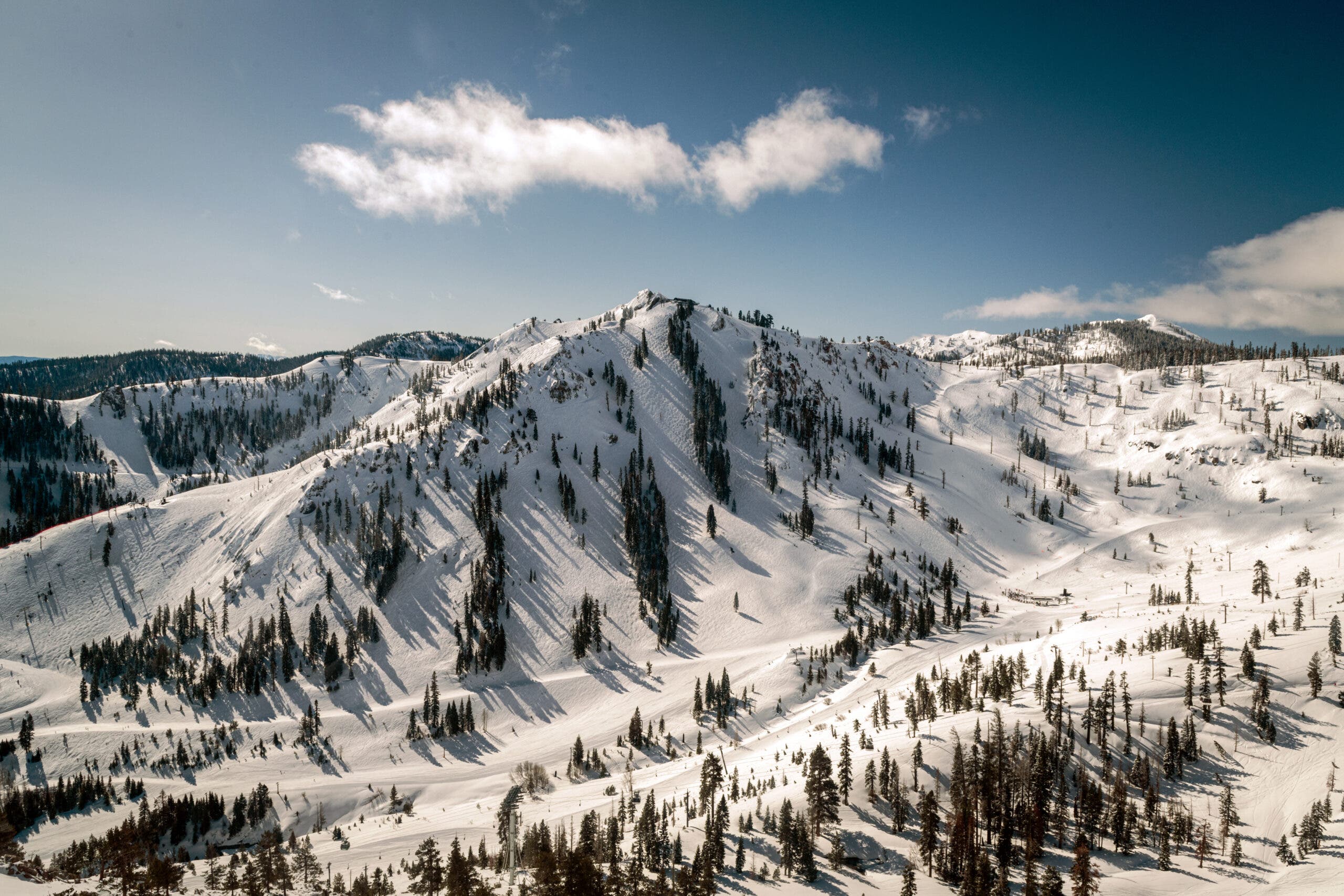
8. Pipeline Couloir: Snowbird Resort, Utah
Snowbird is a resort built for technical proficiency, and Pipeline Couloir is the ultimate test of that ethos. Located on the Twin Peaks, accessing Pipeline requires a rigorous hike along a high-altitude ridge.
The entrance is a steep, rocky notch that often requires a "side-slip" or a technical hop-turn just to get into the starting gate. Because it faces south, the snow conditions can vary wildly from bulletproof ice in the morning to heavy "mashed potato" snow in the afternoon. The intimidation factor is heightened by the length of the couloir and the narrowness of the initial 100 feet, which offers no room for error.
9. Discipline: Revelstoke Mountain Resort, British Columbia
Revelstoke boasts the most vertical drop of any ski resort in North America (5,620 feet), and its high-alpine bowls are notorious for their technicality. Discipline is a run that lives up to its moniker.
The entrance often features a large, wind-blown cornice that must be negotiated with a mandatory air or a very steep "roll-in." The technicality of the entrance is compounded by the North Shore-style trees and cliffs that characterize the lower half of the run. It requires a disciplined approach to line selection, as a wrong turn at the top can lead to a dead-end cliff band further down.
10. Paradise: Mad River Glen, Vermont
To the uninitiated, an East Coast run might seem out of place on a list dominated by the Rockies and the Sierras. However, Mad River Glen’s "Ski It If You Can" motto is personified in Paradise.
Paradise begins with a mandatory drop over a frozen waterfall or a steep, rocky ledge, immediately followed by a dense forest of hardwoods. Unlike the wide-open bowls of the West, the entrance to Paradise is a claustrophobic exercise in tree-dodging and ice-management. The intimidation here is not just the steepness, but the lack of space. There is no "run-out" to catch your breath; from the moment you drop in, you are engaged in a high-speed chess match with the landscape.
Safety, Management, and Economic Implications
The management of these high-consequence entrances represents a significant challenge for resort operators. From a liability standpoint, these runs are classified under "Extreme Terrain," a designation that legally signals to the skier that they are assuming a higher level of risk.
Chronology of Safety Management:
- 1970s-80s: Many of these runs were closed or "poached" by locals.
- 1990s: Resorts began to embrace extreme terrain as a marketing tool, formalizing "double-black diamond" and "EX" ratings.
- 2000s-Present: The introduction of mandatory safety gear for specific runs (e.g., Big Sky’s Big Couloir) and the use of sophisticated avalanche mitigation, including Remote Avalanche Control Systems (RACS).
Industry data suggests that the presence of "legendary" runs significantly boosts a resort’s brand equity. Even if only 5% of the visiting population has the skill to ski Corbet’s or The Coffin, the "halo effect" of that terrain attracts a demographic of aspirational skiers who spend money on lodging, passes, and high-end gear.
Analysis of the "No-Fall Zone"
The common thread among these ten entrances is the concept of the "no-fall zone." In professional mountain guiding, this refers to terrain where a fall will likely result in serious injury or death due to the inability to self-arrest on the slope.
While ski patrols do their best to mitigate avalanche risk, they cannot mitigate the physical laws of gravity and momentum. The decision to "drop in" is therefore a personal contract between the skier and the mountain. As climate change leads to more volatile weather patterns and "low-tide" cycles, these entrances often become more technical, with less snow to cover the underlying rock. This evolution ensures that while equipment may get better, the "scariest entrances" in North America will continue to command the respect, and the fear, of the skiing world.
